Your Quick Gear Guide
You've booked the cruise, picked the snorkeling excursions in Cozumel, St. Thomas, or the Great Barrier Reef. Now comes the real puzzle: what snorkeling gear do you actually need to bring? Your cabin isn't a cargo hold. Every inch of luggage space is precious.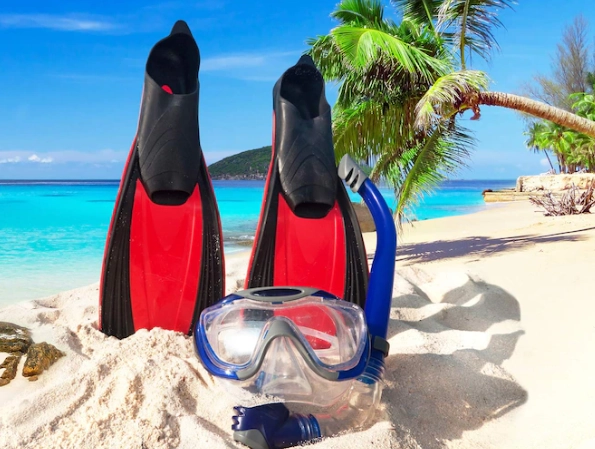
I've been on over a dozen cruise snorkel trips, from the crowded beaches of Nassau to the pristine reefs of Bonaire. I've made every mistake—packing too much, trusting flimsy rental gear, forgetting the one thing that mattered. This guide isn't a generic list. It's a strategic plan to help you pack only what will make your underwater adventure better, lighter, and hassle-free.
The Big Question: Pack or Rent Your Snorkel Gear?
Let's settle this first. The cruise line and excursion operators will always offer rental gear. It's convenient. It's also a total gamble.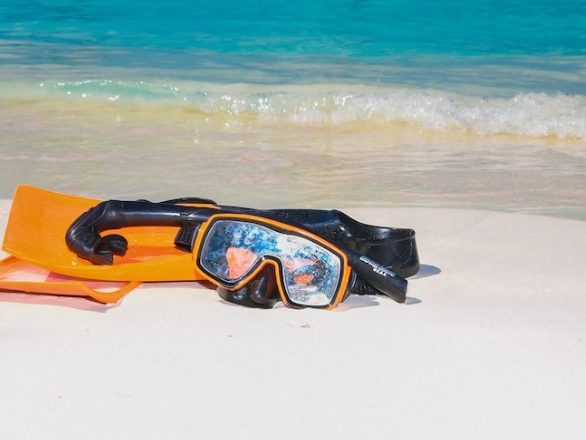
Here’s the unvarnished truth about rental gear on mass-market cruise excursions:
- The masks are one-size-fits-none. They fog easily, often have worn-out straps, and the silicone skirt might be brittle. A leaking mask is the fastest way to ruin a snorkeling trip.
- The snorkels are basic. They're usually simple J-tubes, meaning you'll swallow a bit of water every time a wave hits. Fine for calm coves, less fine for choppier spots.
- The fins are… okay. They get the job done. But they're often stiff, full-foot designs that are tiring to use and a nightmare if your feet are even slightly a different size.
My rule, forged from soggy experience: Bring your mask and snorkel. Rent the fins.
Why? Hygiene and fit are paramount for your face. A personal mask that seals perfectly is worth its weight in gold. A dry-top snorkel is a cheap luxury. Fins, however, are bulky. Modern travel fins are better, but if you're tight on space, renting fins is the most practical compromise. You can suffer through mediocre fins for an hour. A leaking mask makes every minute miserable.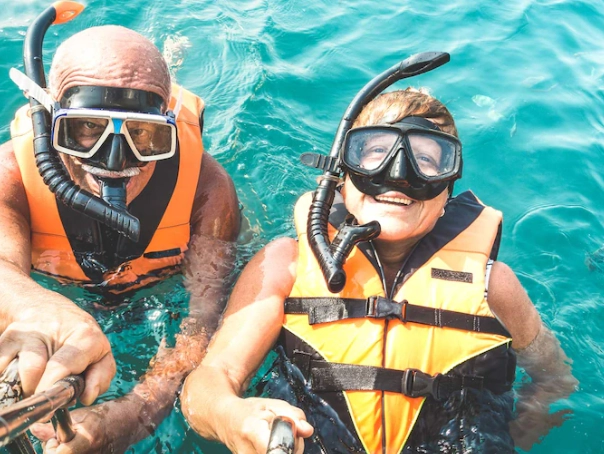
Your Non-Negotiable Snorkeling Gear Packing List
This is the core kit. Everything here fits in a small mesh bag at the bottom of your suitcase.
The Mask: Your Window to the Underwater World
This is item number one. Don't cheap out here. A good travel mask has a low volume (less air to clear if water gets in) and a soft, pliable silicone skirt. Before you buy, do the suck test. Place the mask on your face without the strap. Inhale gently through your nose. If it stays suctioned to your face for a few seconds, the fit is good. No mustache or hair should break the seal.
Look for masks with a tempered glass lens (safety) and a wide field of view. Colorful frames are fun, but black skirts reduce internal glare—a subtle but real benefit.
The Snorkel: How You Breathe
Forget the simple J-tube. Get a dry snorkel. It has a floating valve at the top that seals the tube if a wave washes over you or you dive below the surface. No more coming up coughing. Many also have a purge valve at the bottom to easily blow out any water that does get in.
A flexible lower section (the part that attaches to your mask strap) is more comfortable than a rigid one.
The Supporting Cast (Don't Forget These)
- Defogging Solution: Not the cheap spray. Get a small bottle of baby shampoo. A drop rubbed on the lens, rinsed with seawater, works better than any commercial product I've used and takes up no space.
- Rash Guard or Swim Shirt: This is a multi-tool. It protects from sunburn (reef-safe sunscreen is a must, but shirts are better), prevents chafing from a life vest, and offers minor protection from jellyfish or coral. A long-sleeve one is ideal.
- Mesh Gear Bag: Essential. It lets your wet gear drain and dry on the balcony or in the shower, not fester in your suitcase. Get one with a sturdy handle.
- Waterproof Phone Case or Disposable Camera: The excursion photos they try to sell you are overpriced and often mediocre.
How to Choose the Right Snorkeling Gear for Your Cruise
It's not just about buying gear; it's about buying the right gear for travel.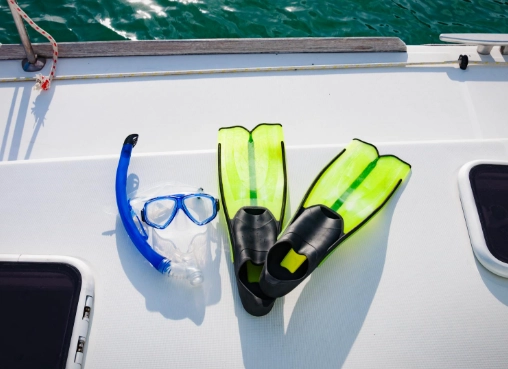
Travel-Friendly Fins: If You Decide to Pack Them
If you have the space, bringing fins gives you consistency and comfort. The key is finding travel fins. Look for:
- Short Blades: They pack smaller and are easier to kick with for snorkeling's relaxed pace.
- Split Blades: They reduce leg fatigue significantly. Trust me, your calves will thank you after a 90-minute swim.
- Open Heel with Adjustable Straps: These accommodate different foot sizes (even with booties) and are easier to get on/off in the water than full-foot pockets.
A good pair of travel fins should fit in your carry-on, lying along the bottom or side.
The Fit-It-All Test
Before your cruise, do a practice pack. Your core snorkel kit—mask, snorkel, fins (if packed), rash guard, mesh bag—should consume less than one-third of a standard carry-on suitcase. If it doesn't, you're overpacking or have chosen bulky items.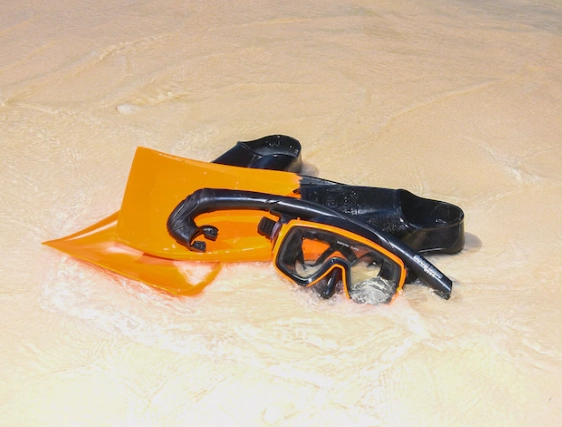
What Snorkeling Gear Do Cruise Lines Actually Provide?
It varies, but here's a typical breakdown based on my experiences with lines like Royal Caribbean, Carnival, and Norwegian. Always check your specific excursion details.
| Cruise Line / Excursion Type | Typically Provided Gear | Quality & Notes | Our Recommendation |
|---|---|---|---|
| Standard Beach Break Excursion (e.g., "Snorkel & Beach Getaway") |
Mask, Snorkel, Fins, Life Vest (often mandatory) | Basic, functional. Masks are generic. Fins are usually full-foot, stiff plastic. Vests are bulky foam. | Bring your own mask & snorkel. Use their fins and vest. The vest, while annoying, is non-negotiable for operator liability. |
| Boat-Based Reef Tour (e.g., "Catamaran Sail & Snorkel") |
Mask, Snorkel, Fins, Vest. Sometimes a noodle for floatation. | Slightly better than beach breaks, but still mass-market quality. Crew may have anti-fog spray. | Same as above. Your personal dry snorkel will be a godsend when climbing the ladder back onto the boat. |
| "Luxury" or Small-Group Snorkel Adventure | Higher-end gear sometimes offered (e.g., Cressi masks). Wetsuit shorties may be available in cooler waters. | Markedly better. Gear is often newer and better maintained. Fit is still a lottery. | You can probably rely on their gear, but your own mask will still fit better. Call ahead to ask about gear brands if you're curious. |
Gear Tweaks for Different Cruise Destinations
Not all snorkel waters are created equal. Your gear strategy should adapt.
The Caribbean & Bahamas: Warm, generally calm. The standard kit is perfect. Sun protection is your biggest enemy. A long-sleeve rash guard is a must. Consider reef-safe sunscreen (brands like Stream2Sea or Badger) as many ports now mandate it to protect coral.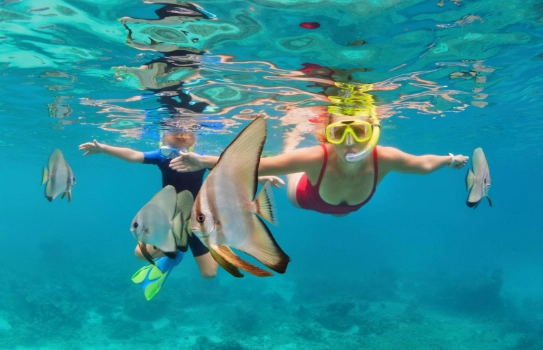
The Mediterranean or Alaska (yes, Alaska!): Colder water. This is where a 3mm neoprene vest or a shorty wetsuit becomes essential. It's not about warmth for hours, but about extending your comfortable time in the water from 10 minutes to 45. Rent this from the excursion operator—it's not worth packing.
Rocky Shore Entries (some Greek Isles, Hawaii): Aqua socks or reef shoes. Walking over hot lava rock or sharp coral to get to the water is brutal. These pack flat and are invaluable.
3 Common Snorkel Gear Mistakes Everyone Makes
- Not Testing Gear in a Pool First. You discover the mask leaks or the snorkel mouthpiece is uncomfortable on the excursion boat. Too late. Test everything at home.
- Packing Brand New, Never-Used Gear. Related to #1. New gear has a factory coating that causes fogging. Scrub the lens with toothpaste (not gel), rinse, and use your defogger before the trip.
- Assuming "Included" Means "Good." The biggest mindset shift. The gear is included because it's the cheapest bulk option that fulfills their safety obligation. It's not designed for your enjoyment. Taking control of your core gear transforms the experience from a tourist activity into a genuine adventure.
I learned this last one the hard way on a trip to St. Lucia. The rental mask leaked so badly I spent more time clearing it than looking at fish. I bought a cheap mask from a shack on the beach out of desperation. It was worse. The entire trip was a wash. Now, my personal mask is the first thing in my bag.
Your Snorkel Gear Questions Answered
Packing the right snorkeling gear for your cruise excursion isn't about being a pro diver. It's about being a smart traveler. It's the difference between feeling like a tourist on a conveyor belt and feeling like an explorer. You trade uncertainty for confidence, frustration for wonder.
Start with the mask. Master the suck test. Pack the baby shampoo. You'll step off that tender boat knowing your gear won't let you down, leaving you free to focus on the parrotfish, the rays, and the memory you're about to make.
Reader Comments