Let's be honest, a snorkeling trip is all about the gear. You've spent time researching the best mask, a comfortable snorkel, maybe even investing in fins that don't blister your feet. But then you throw it all into a damp beach bag or a suitcase corner, and suddenly that carefully chosen equipment is a tangled, sandy, potentially wet mess. That's where a dedicated snorkeling bag for travel changes the game. It's not just a bag; it's a mobile organization and protection system for your underwater adventures. I learned this the hard way after a fin strap snapped and a camera got water damage from a supposedly "water-resistant" tote. This guide will save you from those mistakes.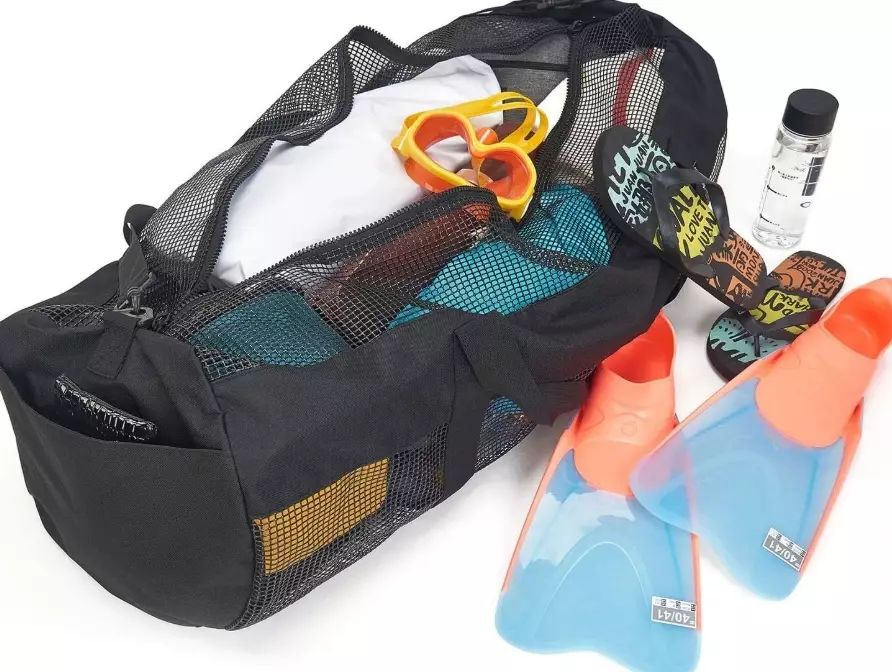
Your Snorkeling Bag Roadmap
Why Your Regular Bag Is Failing You
I see people do this all the time. They use a gym duffel, a backpack, or a flimsy mesh bag. Here's what happens.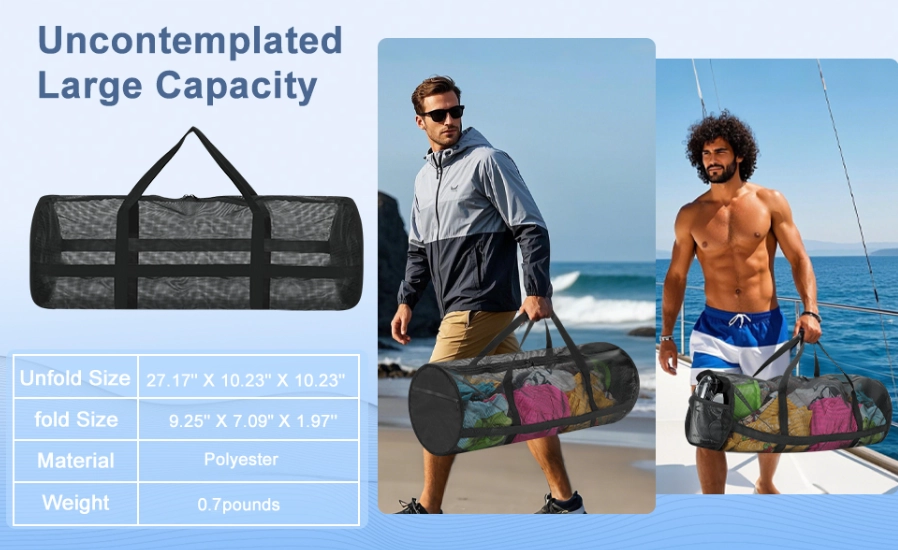
Sand gets everywhere. It grinds against your mask lens, gets into the snorkel's valve, and becomes a permanent fixture in your life. A regular bag has seams and linings that trap it forever.
Wet gear soaks everything else. You get out of the water, toss your mask and snorkel in, and now your towel, your phone, your car keys are damp. That dampness leads to mildew, and suddenly your bag smells like a science experiment gone wrong.
No protection means broken gear. Fins are awkward. Masks are fragile. Without dedicated compartments or padding, they bounce around, straps get caught, and things break. A report by the Professional Association of Diving Instructors (PADI) on equipment care consistently cites improper transport as a leading cause of pre-dive gear failure.
A good snorkeling travel bag solves these problems at the source. It's designed for the specific chaos of a beach or boat day.
How to Choose the Right Snorkeling Bag for Your Trip
Your trip style dictates the bag. A weekend at a resort is different from a two-week island-hopping adventure.
The Two Main Contenders: Dry Bags vs. Dedicated Backpacks
| Feature | Roll-Top Dry Bag (Backpack or Duffel Style) | Specialized Snorkeling Backpack |
|---|---|---|
| Best For | Boat trips, kayaking, anywhere gear WILL get soaked. Ultimate water protection. | Air travel, mixed-use travel, hiking to coves, better organization. |
| Waterproofness | Fully waterproof (when sealed correctly). Can be submerged. | Water-resistant. Shields from splashes and rain, but not submersion. |
| Key Strength | Keeping everything inside bone-dry, no matter what. You can throw it on a wet boat deck. | Ergonomics, padded compartments for fragile items, better ventilation for damp gear. |
| Potential Drawback | Can be a black hole. Organization relies on internal cubes/pouches. Less structured. | A fully soaked fin compartment will still get other areas damp. Not for total immersion. |
| Material | TPU-coated nylon or PVC. Tough, flexible, and fully sealed. | Heavy-duty polyester or nylon with PU coating. More structured panels. |
My personal rule? If my primary mode of transport to the snorkel site is a boat, I take a dry bag backpack. If I'm flying and then using the bag for general travel, I opt for a specialized, well-organized snorkeling backpack. I made the mistake of taking a bulky dry bag as my only carry-on for a flight once—it was a nightmare to access my passport and headphones.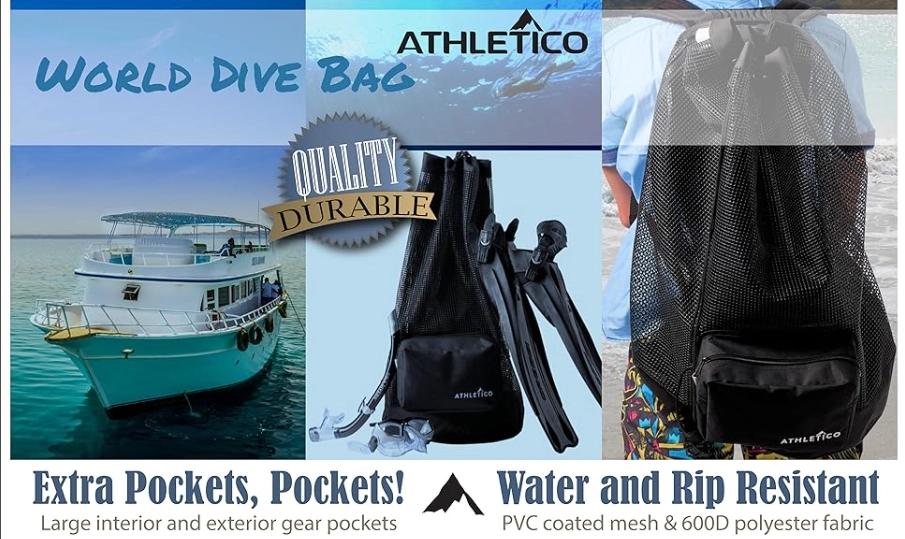
What Features Are Non-Negotiable in a Snorkeling Travel Bag?
Beyond the basic type, these details separate a good bag from a great one. Ignore them at your peril.
Separate Wet/Dry Compartments: This is the number one feature. A dedicated, often mesh-lined, bottom or side compartment for wet fins, mask, and snorkel is crucial. It should have drainage grommets (little holes) to let water out. The rest of your bag—for your towel, camera, sunscreen, keys—stays dry.
Drainage Grommets/Vents: Speaking of drainage, these tiny holes are lifesavers. They let water from wet gear or condensation escape. Make sure they are present in any "wet" compartment. A bag without them becomes a portable swamp.
Padded Mask Compartment: Your mask is the most fragile item. A soft, fleece-lined or padded sleeve prevents scratches on the lens and protects the delicate skirt from getting bent or torn. Don't just wrap it in a t-shirt.
Comfortable, Padded Straps: You'll be carrying this bag loaded with gear. Padded, adjustable shoulder straps (and a sternum strap on backpacks) make a huge difference on a hike to a secluded beach. A duffel with a thin strap will dig into your shoulder.
Durable, Easy-to-Clean Material: Saltwater, sand, and sunscreen are corrosive. Look for materials that are easy to rinse off and quick to dry. A dark interior also helps hide stains and makes it easier to see your gear.
External Attachment Points: MOLLE webbing, daisy chains, or simple loops let you clip on extras: a water bottle, a dive computer, or a pair of sandals. It keeps bulky items outside the main compartment.
One subtle mistake I see is people buying a bag that's too small. They cram everything in, stressing the zippers and seams. Always size up. If the bag says it holds "a full set of gear," assume that's a very compact set. Give your gear room to breathe.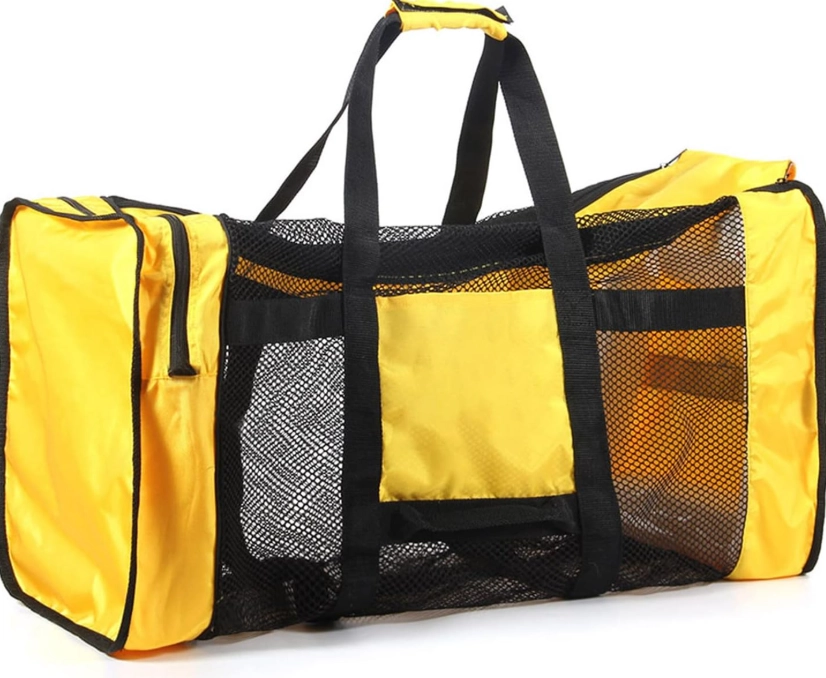
The Snorkel Gear Packing Masterclass
Packing it right is half the battle. Here's my method, refined over years of chaotic boat departures.
Step 1: The Wet Compartment (Bottom/Side). Rinse your fins and snorkel with fresh water if possible. Shake off excess water. Place them in the dedicated wet compartment. If your mask is wet, it can go here too, but if you have a padded dry compartment, use that for the mask.
Step 2: The Mask. Always, always store your mask in its protective box or the bag's padded sleeve. Never let it roll around loose. A single grain of sand in the wrong place can cause a leak.
Step 3: Everything Else (The Dry Zone). This is for your post-snorkel life.
- Towel: A quick-dry microfiber towel is a game-changer. It packs small and dries fast.
- Sunscreen & Rash Guard: Keep sunscreen in a ziplock bag to contain any potential leaks.
- Water & Snacks: Hydration is key.
- Waterproof Phone Pouch/Camera: Keep electronics in a separate dry pouch within the dry compartment for double protection.
- Small First-Aid Kit: Band-aids, antiseptic wipes. Coral scrapes happen.
Pro Tip for Air Travel: When flying, I use my snorkeling backpack as my carry-on. The mask, snorkel, and fragile items go with me. Fins often have to be checked due to size. I pack them in the middle of my checked luggage, surrounded by clothes for padding. Never check your mask.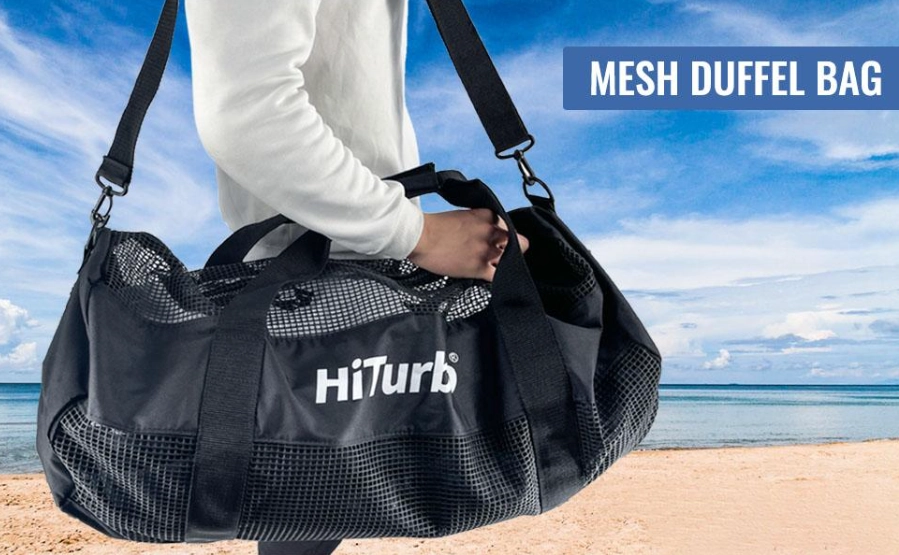
Care and Maintenance: Making Your Bag Last
A good bag should last for years. Treat it poorly, and it'll fail you next season.
After every trip, especially a saltwater one, give it a freshwater rinse, inside and out. Pay attention to the drainage holes—make sure they're clear of sand and debris.
Turn it inside out if possible and let it air dry completely before storing it. Never zip it up and throw it in a closet while damp. That mildew smell is almost impossible to remove.
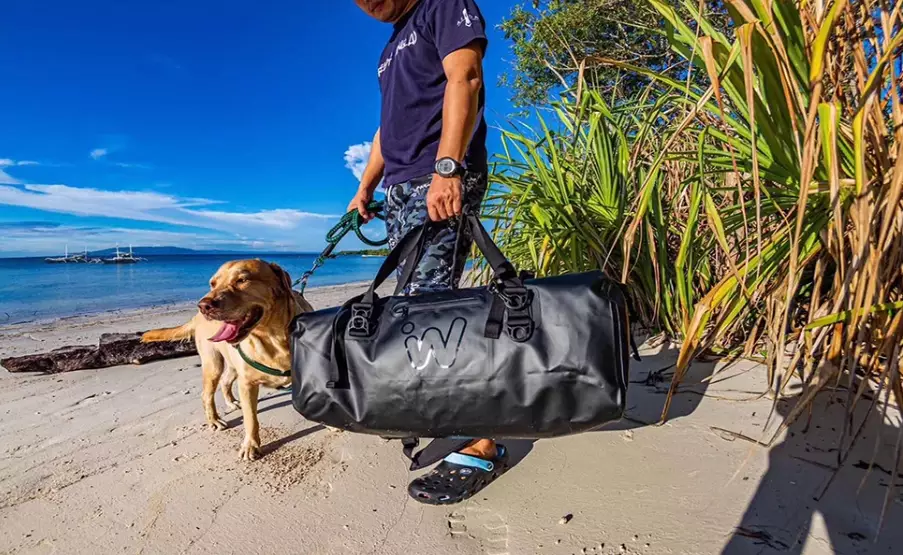
For roll-top dry bags, periodically check the integrity of the roll-top seal. Clean any sand or grit from the contact surfaces. A small bit of silicone lubricant (food-grade) on the dry bag's seal can keep it pliable and easy to close, but check the manufacturer's advice first.
Store it in a cool, dry place, not crammed in a tight space where the materials can crease and weaken.
Snorkeling Bag Troubleshooting & Expert Tips
Common Questions, Answered
Can I use a regular duffel bag for snorkeling gear?
You can, but you'll hate the results. Sand, wetness, and disorganization will ruin your experience and potentially damage your gear. A dedicated bag is an investment that pays off on every single trip by saving you time, hassle, and replacement costs.
How do I dry a snorkeling bag after a trip?
Rinse it with fresh water, open all compartments and zippers, and hang it upside down in a shaded, well-ventilated area. Stuffing it with crumpled newspaper can help absorb moisture from deep inside pockets. Avoid direct sunlight for prolonged periods as UV rays can degrade fabrics and plastics over time.
 Are mesh snorkel bags any good?
Mesh bags are fantastic for one thing: immediate drying and ventilation at the beach. They are terrible for travel. They offer zero protection, let sand in and out freely, and snag easily. Use a mesh bag for carrying gear from your rental shack to the water's edge, but not as your primary travel bag.
What size snorkeling bag do I need for a family of four?
Don't try to fit everything in one bag. You'll end up with a monstrous, heavy sack. Instead, get two medium-sized bags. Distribute the gear: one parent carries one bag with two sets of gear, the other carries the second bag with the other two sets plus shared supplies (sunscreen, towels, water). It's more manageable and balanced.
My dry bag smells musty. Can I fix it?
Sometimes. Make a solution of warm water and baking soda or a mild detergent specifically for technical fabrics (like Nikwax Tech Wash). Scrub the interior gently, rinse thoroughly, and let it dry completely in the sun for a day—the UV can help kill mildew. For severe cases, a diluted white vinegar solution can help, but test on a small area first as it may degrade seals.
Choosing the right snorkeling bag for travel isn't about buying the most expensive one. It's about matching the bag's features to your specific travel style and being smart about how you pack and care for it. A little thought here saves a lot of frustration later, letting you focus on what really matters: the incredible world waiting just beneath the surface.
Reader Comments