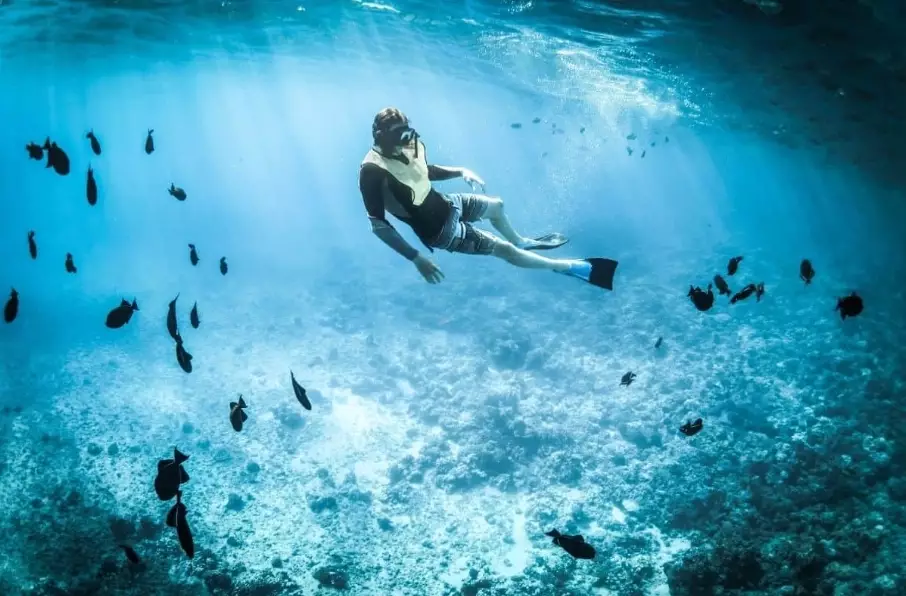
You're bobbing in the crystal-clear water of a tropical bay, mesmerized by parrotfish and angelfish. The sun feels warm, not harsh. It's perfect. Until it isn't. That evening, your back is on fire, your ears are peeling, and you realize you've made a classic snorkeling mistake: underestimating the sun. I've been there. After a decade of guiding trips and testing gear, I've seen every sun protection fail imaginable. The good news? With the right strategy, you can enjoy hours in the water without turning into a lobster or harming the very reefs you came to see. This isn't just about slapping on sunscreen; it's a complete system for staying safe.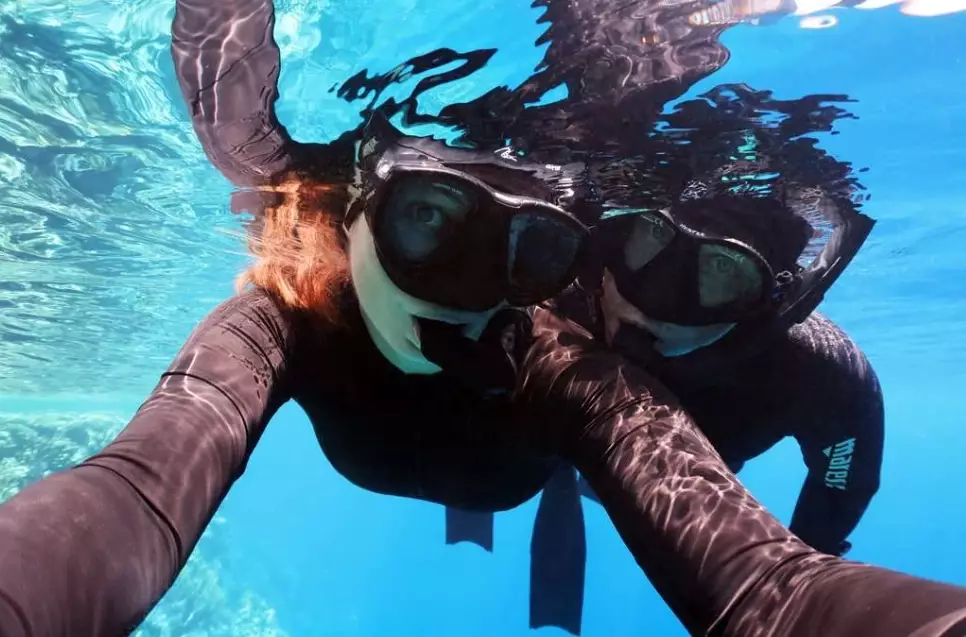
What's Inside This Guide?
- Why Snorkeling Sun Protection Is a Different Beast
- How to Choose a Reef-Safe Sunscreen That Actually Works
- Sunscreen Application Masterclass: Beyond "Slather It On"
- Your Second Skin: The Non-Negotiable Role of Physical Barriers
- The 5 Most Common Mistakes (And How a Pro Fixes Them)
- Your Burning Questions, Answered
Why Snorkeling Sun Protection Is a Different Beast
Think a day at the beach and a day snorkeling are the same? Think again. The water reflects and intensifies UV rays – you can get burned even while submerged. You're often out for 2-4 hours at a stretch, far from shade. And the real kicker? Sweat and water wash off your protection constantly. The biggest shift in the last decade, though, is the environmental impact. Studies, like those cited by the National Oceanic and Atmospheric Administration (NOAA), show chemicals like oxybenzone and octinoxate bleach and damage coral reefs. Places like Hawaii, Key West, and Palau have banned these ingredients. So your choice now protects two things: your skin and the ecosystem.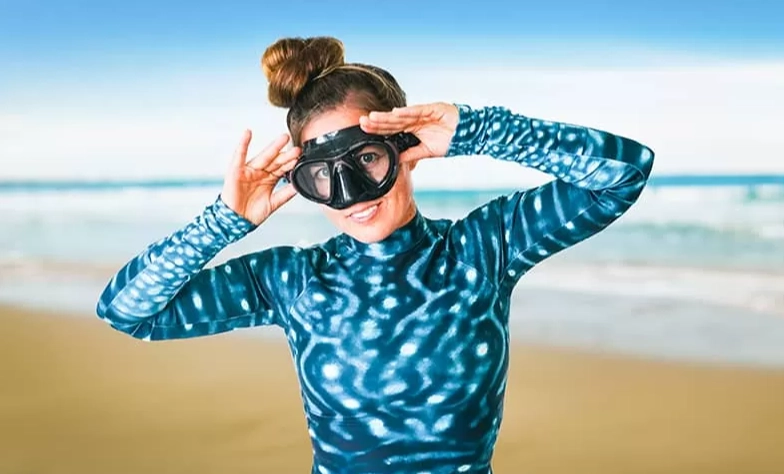
Here’s a scenario: You apply your regular chemical sunscreen at the hotel, take a 30-minute boat ride, jump in, and snorkel for an hour. The sunscreen has likely emulsified and formed a milky trail around you. That’s the toxic stuff leaching out. It’s ineffective for you and harmful to the reef. The game has changed.
How to Choose a Reef-Safe Sunscreen That Actually Works
"Reef-safe" isn't a regulated term. Anyone can slap it on a bottle. You need to become a label detective. Look for mineral-based (physical) sunscreens with non-nano zinc oxide or titanium dioxide as the active ingredients. These sit on top of your skin, reflecting UV rays like tiny mirrors. They’re broad-spectrum by nature and start working immediately.
Avoid these ingredients: Oxybenzone, Octinoxate, Octocrylene, Homosalate, and Avobenzone (unless it's encapsulated in a mineral formula). They’re the usual chemical suspects.
But here’s the non-consensus part most blogs miss: Not all mineral sunscreens are created equal for snorkeling. Some are pasty, thick, and impossible to rub in, leaving you looking like a ghost. Others feel gritty. The key is finding one with a high zinc oxide content (at least 20%) that’s also formulated for sport. It needs to be water-resistant for 80 minutes, not just 40. I’ve wasted money on "natural" brands that slid off my face the moment I put my mask on.
Based on years of painful (and not-so-painful) testing, here are my top picks for performance and ocean safety:
| Brand & Product | Key Active Ingredient(s) | SPF & Water Resistance | Texture & Notes |
|---|---|---|---|
| Badger Sport Mineral Sunscreen Cream | Non-Nano Zinc Oxide (22.5%) | SPF 40, 80 min | Thick cream. Requires real effort to rub in. The gold standard for durability. Leaves a slight cast. |
| Blue Lizard Sensitive Mineral Sunscreen | Zinc Oxide (10%) & Titanium Dioxide (5%) | SPF 50+, 80 min | Lotion. Easier to apply than Badger. Reliable protection. Bottle changes color in UV light – a neat reminder. |
| Stream2Sea Sport Sunscreen | Non-Nano Titanium Dioxide (6%) & Zinc Oxide (6%) | SPF 30, 80 min | Lotion. Specifically tested on coral larvae. Sinks in well, minimal white cast. My go-to for face and neck. |
| Raw Elements Eco Form Sunscreen | Non-Nano Zinc Oxide (23%) | SPF 30, 80 min | Tin packaging. Very thick, waxy texture. Best for high-burn spots (nose, ears, shoulders). Can feel heavy. |
Notice the trade-off? The highest zinc content often means a thicker texture. For your back and legs, go for the tougher stuff. For your face, you might prefer a more cosmetically elegant formula like Stream2Sea.
Sunscreen Application Masterclass: Beyond "Slather It On"
Applying sunscreen for snorkeling is a timed, strategic operation. Doing it wrong is why people get burned.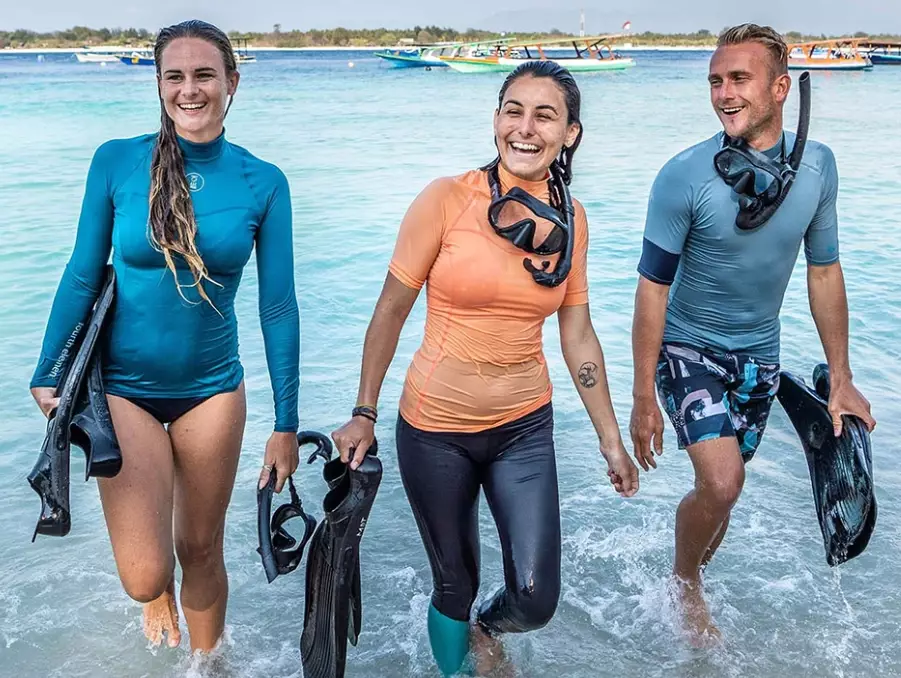
Timing is Everything: Apply a full ounce (shot glass amount) to your exposed body at least 20 minutes BEFORE you get wet. This allows it to bind to your skin. Applying on the rocking boat deck is a recipe for missed spots and wasted product.
The Forgotten Zones: Everyone does their shoulders and back. Most miss these critical areas:
- The backs of your knees and thighs (floating face-down exposes them).
- Your ears (top, back, and lobes).
- The part in your hair and your scalp if hair is thin.
- The sides of your torso, under your arms.
- The tops of your feet and ankles.
The Reapplication Myth: The bottle says "reapply every 80 minutes." But if you're in and out of the water for 3 hours, that's not practical. The pro move? Do a targeted reapplication during a beach or boat break. Dry off completely with a towel. Focus on the highest-risk areas: nose, ears, shoulders, back of neck. Don't just smear more over wet, sandy skin; it won't adhere.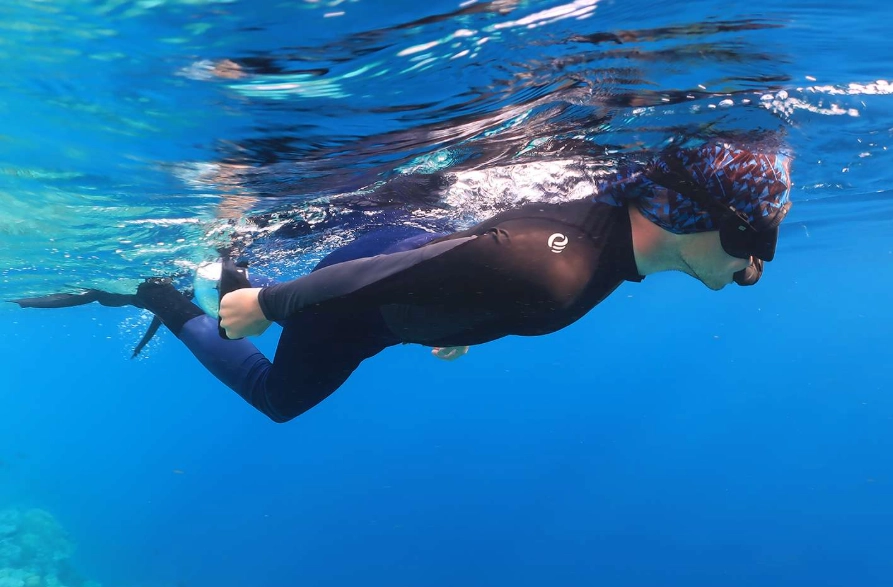
Your Second Skin: The Non-Negotiable Role of Physical Barriers
Sunscreen is your first line of defense, but it should never be your only one. Physical barriers are foolproof.
Rash Guards & Swim Shirts
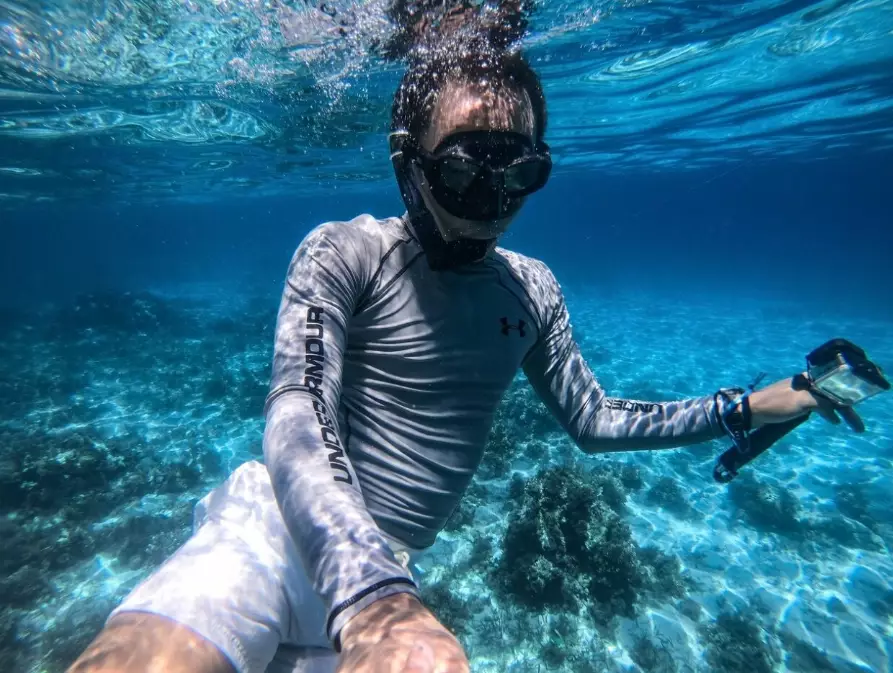
A high-quality, long-sleeved rash guard with a UPF 50+ rating is the single best investment you can make. It eliminates the need to sunscreen 80% of your upper body. Look for flatlock seams to prevent chafing, a snug (not tight) fit so it doesn't flap and drag in the water, and a dark or bright color for better UV absorption (contrary to popular belief, a dark blue rash guard often protects better than a white one).
Snorkeling Wetsuits & Shorties
Even in warm water, a 0.5mm or 1mm "skin" or shorty wetsuit offers incredible sun protection and a bit of warmth, extending your time in the water. It covers your arms and legs completely.
Hats & Neck Gaiters
A wide-brimmed hat is essential for the boat ride and surface intervals. For in the water, a legionnaire-style cap or a pull-on neck gaiter (like a Buff) can protect your neck, head, and ears. Not all stay on perfectly with a mask strap, so test it in a pool first.
The 5 Most Common Mistakes (And How a Pro Fixes Them)
- Relying Solely on "Water-Resistant" Claims: Water-resistant means it stays on through swimming or sweating for a set time (40 or 80 minutes). It does NOT mean "waterproof" or "rub-proof." Friction from your rash guard, towel drying, and contact with the boat will remove it. The Fix: Use sunscreen as a base layer, then rely on your rash guard. Reapply strategically after heavy contact.
- Applying Too Little, Too Late: A thin layer offers a false sense of security. Applying right before jumping in means it washes off before it can bind. The Fix: Measure that shot glass amount. Apply it dry, at the hotel or on the shore, 20 minutes pre-splash.
- Ignoring Reflection & Cloud Cover: UV rays penetrate clouds and reflect off sand and water. A cloudy day in the tropics can deliver a severe burn. The Fix: Protect yourself the same way every single snorkeling day, regardless of cloud cover.
- Missing the "Transition Zones": The hour on the boat, walking to the site, the surface interval. Your rash guard might be off, your hat in your bag. The Fix: Have a "sun-ready" protocol. Hat and sunglasses on for all non-in-water time. Keep the rash guard on until you're in the shade.
- Choosing Convenience Over Safety: Grabbing the cheap aerosol spray or the familiar chemical lotion because it's easy. The Fix: Plan ahead. Buy your reef-safe mineral sunscreen before your trip. Pack it in your carry-on. Treat it as essential as your mask and fins.
Your Burning Questions, Answered
 So there you have it. Snorkeling sun protection is a mix of smart product choices, meticulous application, and embracing physical barriers. It’s about thinking of it as a system, not a single product. Pack your high-zinc sunscreen, a trusted rash guard, and a wide-brimmed hat. Apply early, reapply smartly, and cover up. You’ll forget about sunburn entirely and focus on what matters – the incredible world beneath the surface. And the reefs will thank you for it.
Reader Comments