Let's be honest. When you picture snorkeling in Grand Cayman, you probably imagine hopping on a crowded charter, motoring out to a reef, and following a guide with twenty other people. It's fun, sure, but it's also expensive, scheduled, and honestly, a bit impersonal.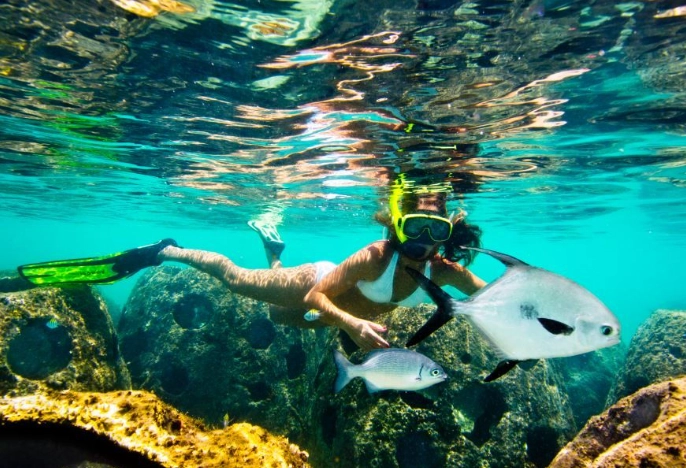
What if I told you some of the island's absolute best snorkeling doesn't require a boat ticket at all? That you can literally walk off some of the world's most famous beaches and into an underwater wonderland?
That's the magic of Grand Cayman snorkeling from shore. It's freedom. It's spontaneity. It's you, your mask, and a whole lot of fish, on your own schedule and often for the price of... well, nothing. I've spent weeks exploring every accessible entry point on the island, and I'm here to tell you that this is not just a budget-friendly alternative—it's often a superior experience.
You get to go at your own pace. Find a quiet coral head and just watch the parade of life for an hour. No one is blowing a whistle to tell you it's time to go. If you're a beginner, the stress of keeping up with a group vanishes. If you're experienced, you can explore further at your own risk and reward.
But where do you even start? The island has miles of coast. Which spots are truly worth your time? What do you need to know to stay safe and protect the reef? This guide is going to walk you through everything, step by step.
In This Guide
The Crown Jewels: Top Grand Cayman Shore Snorkeling Spots
Not all shore entries are created equal. Some are sandy and gentle, perfect for first-timers or families. Others require a bit more finesse over ironshore (that's the rugged, fossilized coral rock). Here’s my breakdown of the must-visit locations for Grand Cayman snorkeling from shore, based on accessibility, marine life, and overall vibe.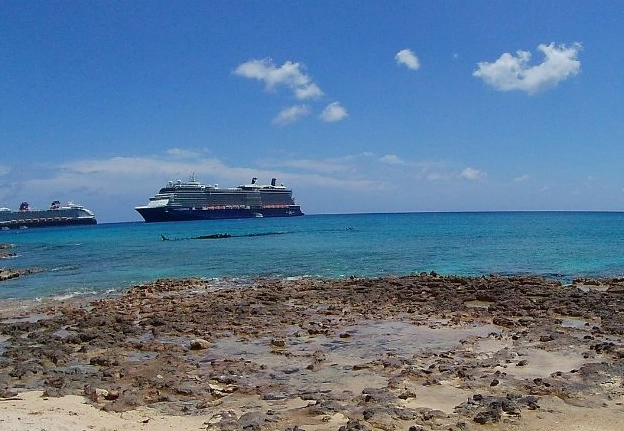
Seven Mile Beach: The Famous & The Forgiving
Yes, the iconic Seven Mile Beach is more than just powder sand. The northern sections, particularly around the public beach area and near major hotel piers, have surprising reef structures close to shore.
The Vibe: Ultra-easy. You walk in from soft sand. The water is typically calm. It's perfect for a casual, post-breakfast snorkel without any planning.
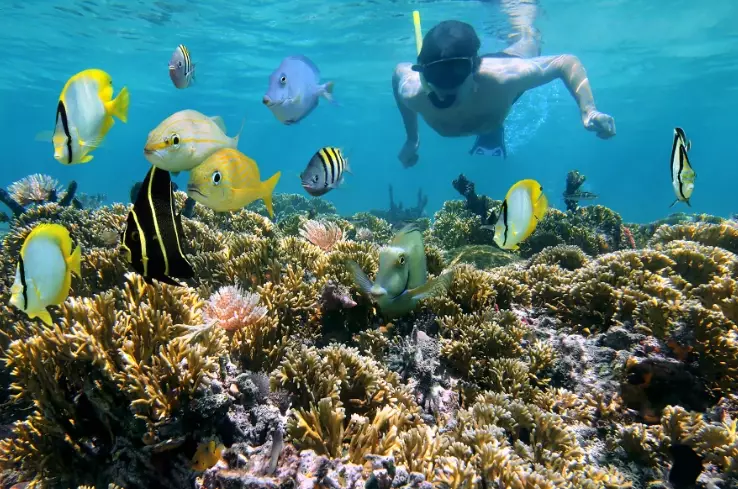
What You'll See: Don't expect towering coral cathedrals here. The beauty is in the smaller patch reefs and sandy channels. You'll find schools of sergeant majors, the occasional curious trumpetfish, and loads of colorful parrotfish munching on the algae. I've spent whole mornings following a single hawksbill turtle in this area—they seem to love the seagrass beds that mix with the reef patches.
The Catch: It can get stirred up after winds. The coral isn't as vibrant as other dedicated sites. But for a zero-hassle introduction to Grand Cayman snorkeling from shore, it's unbeatable.
Smith's Cove & Cemetery Beach: The Local Favorites
If you ask a resident where to go for shore snorkeling, these two names will come up every single time. They're on opposite ends of Seven Mile Beach but share a reputation for reliability and great conditions.
Smith's Cove (South Sound): This is a postcard-perfect, sheltered little cove with a sandy bottom that slopes quickly to interesting coral heads. The cove itself is protected by limestone walls, so the water is almost always calm. It's fantastic for beginners and families with kids. You'll see bright blue tangs, angelfish, and the topography gets more interesting the further you swim out along the eastern wall. Parking is limited, so go early.
Cemetery Beach (West Bay): Don't let the name put you off. The cemetery is quiet and well-kept, and the beach access is right next to it. This is arguably the single best spot for Grand Cayman snorkeling from shore in terms of coral health and fish diversity. A long, linear reef (the "Cemetery Beach Reef") runs parallel to the beach about 100-150 feet out. You enter through a sandy channel, swim out, and boom—you're on the edge of a stunning drop-off teeming with life. I've seen eagle rays, large tarpon, and enormous schools of grunt here.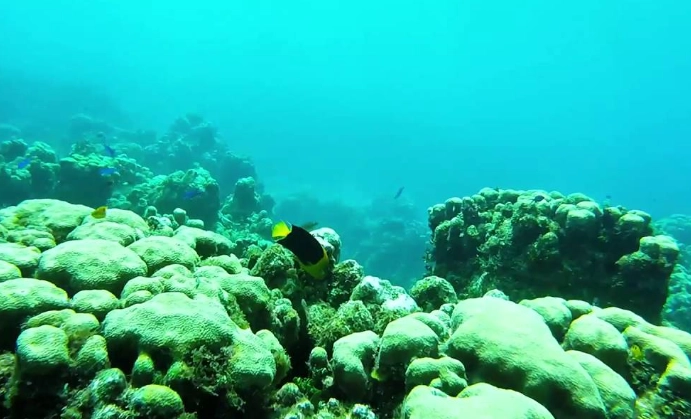
Spotts Beach & Eden Rock: The Adventure Hubs
These spots are for when you want to feel like a real explorer. The entry is over ironshore, so water shoes are non-negotiable, but the payoff is immense.
Spotts Beach (South Coast): Famous for almost guaranteed sea turtle sightings. The seagrass beds close to shore are a turtle cafeteria. I'm not exaggerating—I've never had a snorkel here without seeing at least one, often three or four. The reef is further out and quite healthy. The beach itself is local and rustic, with no facilities. It feels like the "real" Cayman.
Eden Rock & Devil's Grotto (George Town): This is the most famous shore dive site on the island, and it's equally epic for snorkelers. You enter from a defined platform right in the heart of George Town. What makes it special are the massive coral caverns and swim-throughs just a few feet below the surface. Sunlight streams in through holes, creating a cathedral-like effect. Silversides (tiny baitfish) often form massive, shimmering balls in the grottos. It's surreal.
To help you compare at a glance, here’s a quick rundown: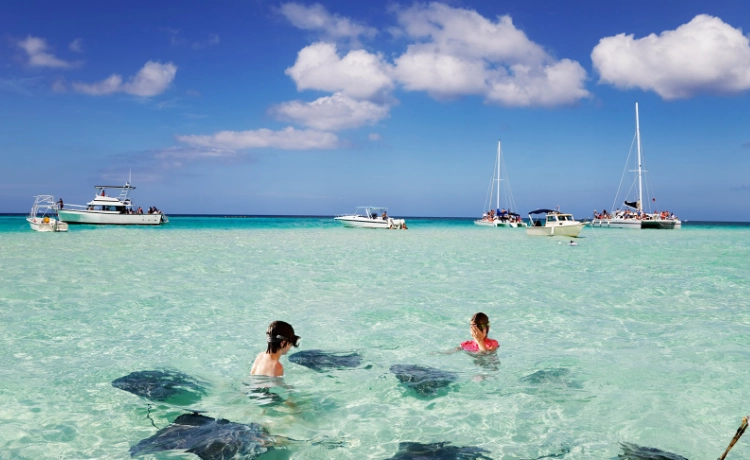
| Spot Name | Best For | Entry Type | Marine Life Highlight | Facilities |
|---|---|---|---|---|
| Seven Mile Beach (North End) | Beginners, Families, Casual Snorkels | Soft Sand | Patch Reefs, Turtles, Parrotfish | Full (Restrooms, Rentals, Food) |
| Smith's Cove | Beginners, Calm Water, Photography | Sandy Cove | Colorful Coral Heads, Blue Tangs | Limited (Some Parking, No Rentals) |
| Cemetery Beach | Experienced Snorkelers, Coral Diversity | Sandy Channel | Wall Reef, Eagle Rays, Tarpon | Very Limited (Parking Only) |
| Spotts Beach | Sea Turtle Sightings, Local Vibe | Ironshore & Sand | Green Sea Turtles, Healthy Reef | None (Rustic) |
| Eden Rock / Devil's Grotto | Adventure, Unique Geology, Swimmers | Concrete Platform / Ironshore | Caverns, Swim-Throughs, Silversides | Full (Dive Shop, Rentals, Parking) |
Gearing Up: What You Really Need for Shore Snorkeling
You don't need a ton of gear, but the right stuff makes all the difference between a magical hour and a frustrating, leaky, sunburned mess.
The Non-Negotiable Basics
- A Well-Fitting Mask: This is everything. If your mask leaks, your snorkel is ruined. Do the suction test: place the mask on your face without the strap, inhale slightly through your nose, and let go. It should stay put. If it falls, it leaks. Consider a low-volume mask for a wider field of view. Don't just rent any old mask—if you're snorkeling multiple days, buying a decent one is worth it.
- Snorkel: A simple J-shaped snorkel is fine. Dry-top snorkels (with a valve that seals when submerged) are great for beginners to prevent water intake. Purge valves at the bottom can help clear water easily.
- Fins: Full-foot fins (like sneakers) are perfect for shore snorkeling. You can walk backwards into the water in them. Open-heel fins (with booties) are better for rocky entries like Eden Rock. They give more power but require the extra step of booties.
- Rash Guard or UV Shirt: This is your most important piece of sun protection. The sun reflecting off the water is intense. A long-sleeve rash guard prevents a painful back sunburn and also protects against minor scrapes on coral. Trust me on this one. The National Oceanic and Atmospheric Administration (NOAA) also recommends sun-protective clothing as a reef-safe alternative to some sunscreens.
The Game Changers (Seriously, Get These)
- Water Shoes or Coral Reef Booties: For any spot with ironshore or pebbly entries (Spotts, parts of Eden Rock), these are essential. They protect your feet and give you confidence walking on slippery rocks.
- A Floating Dry Bag: For your keys, phone, wallet, and a towel. You can tow it behind you or clip it to your person. Peace of mind is priceless.
- Defogger: Baby shampoo works in a pinch, but a dedicated mask defog gel prevents the constant fog-up that ruins visibility.
What about buying vs. renting? If you're staying a week and plan to do Grand Cayman snorkeling from shore multiple times, buy the mask, snorkel, and fins. It's more hygienic and ensures a good fit. Rent the more bulky items like life vests if you need them. Many condos and villas also have guest gear you can borrow.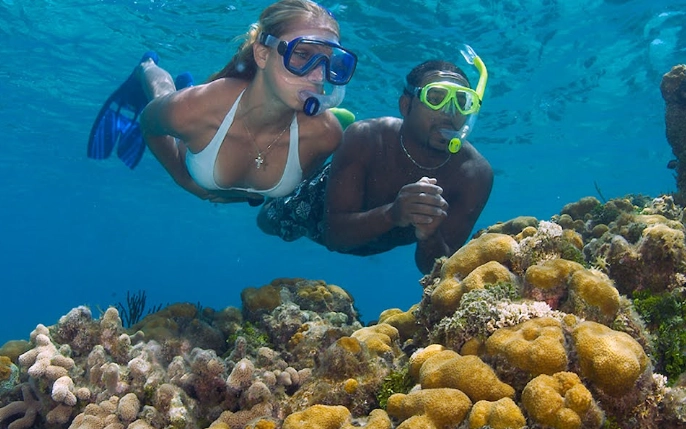
Playing It Safe & Smart: The Unspoken Rules
Snorkeling is safe if you're not reckless. But the ocean demands respect. Here’s the real talk you won't always get from a brochure.
Currents and Conditions: This is the big one. Grand Cayman is generally calm, but weather happens. Before you head out, check the wind direction and strength. A strong north wind will make the West Bay (Cemetery Beach) choppy. An east wind affects the South Sound (Smith's Cove). If the water looks turbulent or you see whitecaps close to shore, maybe save it for another day. Never snorkel alone if you can help it.
The Coral is NOT a Toy: It's a living animal, and it's fragile. A single kick can break coral that took decades to grow. It can also give you a nasty cut. Practice buoyancy—stay horizontal and use gentle fin kicks. If you need to stand, look for a sandy patch. The Coral Reef Alliance has great resources on why this touchy-feely rule is so critical for reef survival.
Marine Life Etiquette: Look, don't touch. Don't chase turtles—it stresses them out. Don't try to ride rays. Give the reef sharks (if you're lucky enough to see a small nurse shark) plenty of space. They want nothing to do with you. Feeding fish is a big no-no; it alters their natural behavior and diet.
Sun, Hydration, and Fatigue: You can get seriously dehydrated swimming in the sun. Drink water before and after. Reapply reef-safe sunscreen (look for non-nano zinc oxide or titanium dioxide formulas) after you get out. Know your limits. Swimming against a current is exhausting. It's okay to turn back early.
Your Grand Cayman Shore Snorkeling Questions, Answered
Making it a Perfect Day: The Logistics
Okay, you've picked your spot and packed your gear. Here's how to make the day seamless.
Parking: It can be tight. For Smith's Cove or Cemetery Beach, arrive before 10 AM on a weekend to get a spot. Many spots have free public parking, but it's first-come, first-served. Respect private property and don't block driveways.
What to Bring Beyond Gear:
- Lots of fresh water and snacks.
- A big towel and a change of clothes.
- A waterproof case or bag for your phone.
- Cash (small bills) for parking meters or potential food truck finds nearby.
- A picnic blanket or mat if you plan to lounge after.
The Post-Snorkel Ritual: Rinse all your gear, especially your mask and fins, with fresh water as soon as you can. Salt and sand will degrade the silicone and materials. Dry your gear in the shade, not direct sun. Rehydrate fully. Download and look at your photos—it's amazing what you see in the pictures that you missed in the moment.
I hope this guide gives you the confidence to skip the boat line and have your own incredible adventure. The memories you'll make, just you and the underwater world, are the ones that tend to stick around the longest.
Reader Comments