Quick Navigation
Let's be honest. Trying to find reliable kids snorkeling gear reviews online can feel like swimming against the current. One site says a mask is fantastic, another parent in a forum says it leaked constantly for their kid. You're left wondering who to trust, what features actually matter, and if you're about to waste money on something that'll end up in the closet after one frustrating try at the beach.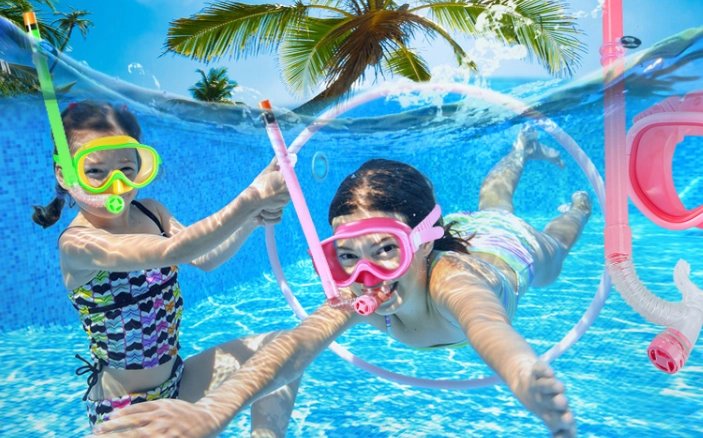
I've been there. I bought my daughter a "highly rated" set from a big-box store a few years ago. The mask fogged up instantly, the snorkel had a weird valve that made breathing harder, not easier, and she wanted out of the water in five minutes. Total fail. That experience sent me down a rabbit hole of research, product testing (with my own now-enthusiastic little snorkelers), and conversations with other parents and even a few dive instructors.
This guide is what I wish I had found back then. We're not just listing products. We're digging into the why behind the gear, the safety stuff nobody talks about enough, and the real-world pros and cons you only learn from using the stuff. Consider this your one-stop shop for making a confident choice.
Why Kids Need Their Own Gear (And It's Not Just About Size)
You might think, "Can't they just use a smaller adult set?" Technically, maybe. But it's a bit like giving them adult-sized shoes to run in. It'll work, but poorly, uncomfortably, and it might turn them off the activity for good.
Kids' faces are shaped differently. Their noses are smaller, the distance between their eyes is different, and the bridge of their nose is less pronounced. A mask designed for a child's face contours is going to seal properly without needing to crank the strap down painfully tight. A proper seal is everything. A leaking mask means water in the eyes, which means panic, which means the end of snorkeling fun.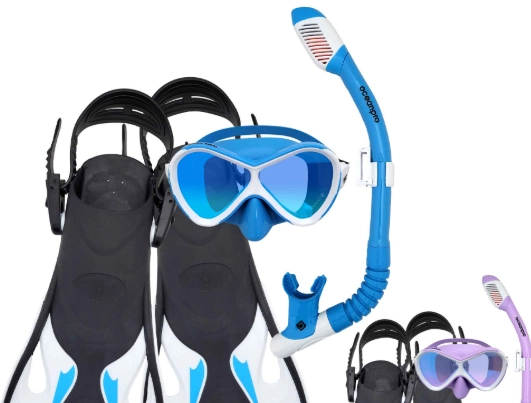
Then there's the snorkel. Adult snorkels are often wider, which means a larger volume of air to move with each breath. For a child's smaller lungs, that can feel like hard work. Kids' snorkels are designed with smaller diameters and sometimes softer, more flexible mouthpieces that are gentler on smaller jaws.
And let's talk about fear. A giant, stiff piece of plastic on their face is intimidating. Gear that's proportioned for them, often in fun colors, feels more like a cool toy than scary equipment. That psychological boost is huge.
The Non-Negotiables: What Makes Gear "Kid-Friendly"
When you're sifting through kids snorkeling gear reviews, look for these specific features. They're the difference between a product that's merely small and one that's actually designed for a child.
- Soft Silicone Skirt: The part of the mask that seals against the face. It must be 100% soft silicone, not plastic or PVC. Silicone is hypoallergenic, flexible, and creates a much better seal. Press it against your cheek; it should feel soft and supple.
- Double Feathered Edge on the Skirt: This is a pro feature trickling down to kids' gear. Look closely at the edge of the mask skirt. It should look like it has two thin, tapered edges. This double edge conforms to facial curves much better, drastically reducing leaks.
- Purge Valve on the Snorkel (Maybe): This is a one-way valve at the bottom of the snorkel barrel. If water gets in, the child just exhales sharply and the water is pushed out the bottom. It's a fantastic feature for beginners. But some purists (and some instructors) argue kids should learn to clear a snorkel the traditional way first. I'm team purge-valve for the first season. It builds confidence.
- Flexible, Contoured Mouthpiece: The mouthpiece should be soft silicone and ideally have two separate "bites" or tabs that fit comfortably between the teeth and lips. A cheap, single-lump mouthpiece will cause jaw fatigue fast.
- Adjustable, Easy-Release Strap: The mask strap should be easy to adjust with one hand (your hand, as the parent). Buckles that slide easily are best. Avoid anything that requires intricate threading or tiny parts.
Breaking Down the Gear: A Piece-by-Piece Review Guide
Let's get into the nitty-gritty. Here’s what to scrutinize for each component when you're reading those kids snorkeling gear reviews.
Choosing the Right Mask: Fit is King (and Queen)
Forget brand names for a second. The single most important thing is fit. A $200 mask that doesn't seal is worse than a $30 one that does.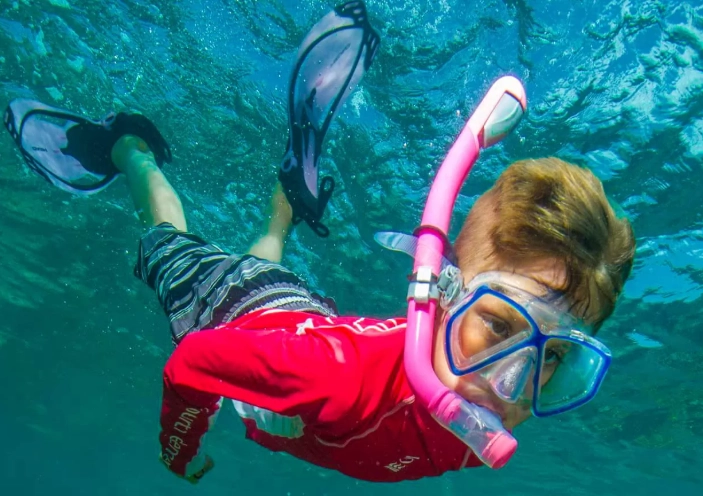
How to Test Fit Without Water: Have your child hold the mask lightly to their face (don't put the strap on). Have them inhale gently through their nose and then stop inhaling. The mask should suction to their face and stay there for a few seconds without them holding it. If it falls immediately, it's not sealing. Try a different model or size. Check that no hair is caught under the skirt.
Field of View: Kids get disoriented easily. A mask with a wide, single lens or a low-profile twin lens gives them a better peripheral view. This helps with comfort and spotting fish!
Frame Color: This seems trivial, but it's not. A clear or light-colored silicone frame inside the mask lets in more light, making everything brighter and less "cave-like" underwater. Dark frames can feel more restrictive to kids.
Choosing the Right Snorkel: Breathing Easy
The snorkel is all about effortless breathing. You want the path of air to be as simple and open as possible.
- Barrel Diameter: Look for a narrower barrel (around ¾-inch / 19mm in diameter) for younger kids. Less volume to move.
- Flex Tube Section: A flexible section near the mouthpiece is great. It allows the snorkel to move with the child's head without pulling on the mask strap.
- Attachment: How does it connect to the mask? A simple, sturdy plastic clip is best. Avoid flimsy, thin plastic rings that can snap.
My personal take? I prefer a simple J-snorkel with a purge valve over a complex dry snorkel for my 8-year-old. She found the dry snorkel "too noisy" when the valve closed.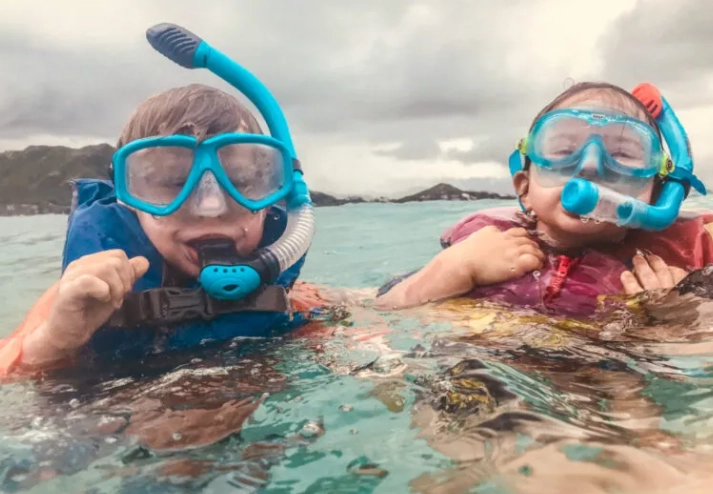
Do They Need Fins?
For beginners just paddling around in calm, shallow water, fins aren't strictly necessary. But as soon as they want to cover more ground or swim in any current, fins are a game-changer. They provide propulsion with less effort.
Kids' Fin Features:
- Full Foot Pockets: Like a slipper. No straps or buckles. They're easier to get on/off and more comfortable for sandy beaches.
- Short, Flexible Blades: Long fins require more leg strength and can cause cramps. Short, soft blades are perfect for a kid's kick rhythm.
- Closed Heels: Protect their feet from rocks or coral. Always pair with fin socks or neoprene booties if they'll be walking on rough surfaces.
The Contenders: Reviewing Popular Kids Snorkeling Sets
Alright, let's talk brands and specific sets. This table is based on my research, hands-on testing with my kids, and aggregating hundreds of parent reviews from various sources. Remember, what works for one child's face might not work for another.
| Brand & Set Name | Best For | Key Pros | Key Cons / Parent Complaints | Our Take |
|---|---|---|---|---|
| Cressi Kids' Set (Jungle / Dolphin) | Older kids (7-12), serious beginners. | Excellent optical-quality tempered glass lenses. Very soft silicone skirt. Durable, reputable dive brand. Simple, effective purge valve snorkel. | Price is higher than toy-store sets. Mask sizing runs a bit small/lean—may not fit fuller cheeks well. | The gold standard for quality. If you can afford it, this is the set that grows with a kid. It's real gear, not a toy. The lenses are crystal clear. |
| Speedo Junior Snorkel Set | Younger kids (4-8), first-timers. | Very affordable and widely available. Fun designs. Dry-top snorkel included, which reassures nervous kids. Mask often has a wider fit. | Lenses are plastic, not glass, so they scratch more easily and can fog worse. Quality is "sporting goods" not "dive gear." | A solid, budget-friendly starter set. Perfect for seeing if your kid even likes snorkeling. Expect to upgrade if they get hooked. The dry-top is a good confidence-builder. |
| Zeeporte Kids Snorkel Set | Value-seeking parents, kids with fuller faces. | Shockingly good value for money. Often includes mesh bag, anti-fog, and earplugs. Tempered glass lenses at a toy price. Many reviews praise the comfortable fit. | Can be inconsistent. Some batches have better silicone than others. The included "anti-fog" is usually a cheap spray. | This is the dark horse that dominates Amazon kids snorkeling gear reviews for a reason. For under $30, you get a legit setup. It's our top recommendation for "best value." |
| HEAD Snorkeling Sets | Kids who want a "full face mask" (see warning below). | All-in-one design seems easier to breathe through. 180-degree view can be less claustrophobic. | MAJOR SAFETY CONCERNS. Risk of CO2 buildup if not perfectly fitted/used. Cannot dive below surface. Many experts strongly advise against them for kids. | We do not recommend full-face masks for children. The risks, as outlined by organizations like PADI, outweigh the convenience. Stick with traditional separates. |
| US Divers / Aqua Lung Mariner Junior | Kids who have outgrown starter sets. | From a legendary dive brand. High-quality materials and construction. Designed for actual performance. | Harder to find in general stores, often need dive shop or online. Higher price point. | If your kid is turning into a little fish and wants to snorkel seriously, this is a fantastic investment. It's the next step up from the Cressi set. |
See what I mean? Reading through actual kids snorkeling gear reviews reveals patterns. Cressi gets praised for quality, Zeeporte for value, and HEAD sets get polarizing reviews split between "my kid loves it" and safety warnings.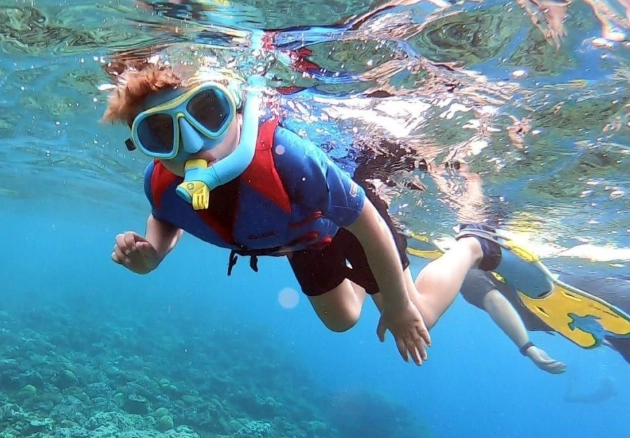
Why We Keep Coming Back to Cressi and Zeeporte in Reviews
It boils down to materials. Both use tempered glass, which is safer (shatters into dull cubes, not sharp shards) and resists fogging better than plastic. Both use soft silicone skirts. These are the two hallmarks of gear that's built to function, not just look cute on a shelf. When you're comparing, always check the product description for "tempered glass" and "100% silicone." If it doesn't say it, assume it's plastic and PVC.
The Often-Forgotten (But Crucial) Extras
Gear isn't just mask and snorkel. Overlooking these can ruin the day.
Anti-Fog: The Secret Weapon
Every mask will fog. It's physics (difference between water and face temperature). The factory coating on new lenses wears off after a few uses.
The Best Anti-Fog is Free: Spit. Seriously. A good dab of saliva rubbed on the inside of the lenses, rinsed lightly with sea water, works better than most commercial products. Teach your kid the "snorkeler's spit." It's a rite of passage.
Commercial Options: If spitting grosses them out, get a small bottle of dedicated mask defog gel (like Sea Gold or Cressi Defog). Avoid sprays with alcohol, which can damage the skirt. Baby shampoo diluted with water in a tiny bottle is a classic, cheap, and effective DIY solution.
Flotation & Safety Vests
Even if your child is a strong swimmer, snorkeling is different. They are face-down, distracted, and can tire quickly. A snorkel vest is not a life jacket, but it provides positive buoyancy, allowing them to rest effortlessly anytime they lift their head.
Look for an oral-inflation vest. They can blow a few breaths into it for a bit of lift, or you can inflate it more for them. It's a huge confidence booster. The U.S. Consumer Product Safety Commission (CPSC) provides excellent general guidelines on water safety for children that are worth reviewing.
Rash Guards & Sun Protection
Their back will be to the sun for hours. A long-sleeve rash guard (UPF 50+) is mandatory. It also protects against minor scrapes and jellyfish stings. Don't forget waterproof sunscreen on the backs of legs, ears, and neck. Reef-safe sunscreen is a responsible choice for our oceans.
Critical Safety Information Beyond the Gear
This is the part most product reviews gloss over. Gear is useless without knowledge.
- Never Snorkel Alone: The buddy system is non-negotiable. An adult should always be in the water, within arm's reach of a young child, actively supervising—not reading a book on the beach.
- Check Conditions: Start in a pool or absolutely calm, shallow, clear protected bay. No waves, no current. Visibility is key so you can always see them.
- Breathing Drill: Before they even get in, have them practice breathing through the snorkel with the mask on. Mouth breathing only. Then practice what happens if water gets in the snorkel: a strong, sharp exhale (blast clearing).
- Hair Out of the Skirt: A single strand of hair under the mask skirt will cause a leak. For kids with long hair, a tight ponytail high on the head is best.
I learned this one the hard way. My son had a loose strand. Five minutes in, "Dad, my mask is full of water!" Problem solved with a better ponytail.
Your Kids Snorkeling Gear Reviews FAQ
The Final Dive: Making Your Choice
After all this, what's the takeaway? Good kids snorkeling gear reviews should do more than just rate products. They should empower you with the knowledge to choose.
Start with the fit test. If possible, buy from a retailer with a good return policy in case the mask doesn't seal on your child's unique face. Prioritize tempered glass and soft silicone over fancy colors or gimmicky features.
Remember, the goal isn't to find the "number one ranked" set on some generic list. The goal is to find the set that creates a perfect seal on your child's face and lets them breathe so easily they forget they're using gear at all. When that happens, all they'll see is the amazing underwater world, and that's the whole point.
That frustrating experience with my daughter years ago? It led us to a properly fitted Cressi set. Last summer, she spent an hour following a parrotfish around a reef, giving me the thumbs-up every few minutes. That's success. And it started with understanding what to look for beyond the shiny packaging.
Happy snorkeling!
Reader Comments