You're packing for a tropical getaway, the snorkel gear is ready, and then it hits you—what about your feet? Do I need socks for snorkeling? It sounds trivial until you're standing on a sharp coral reef or your new fins are rubbing blisters after twenty minutes. The short, honest answer is: it depends entirely on your situation. Most generic packing lists won't tell you that. They'll just say "water socks" and move on. But getting this small detail wrong can turn a dream float into a painful slog.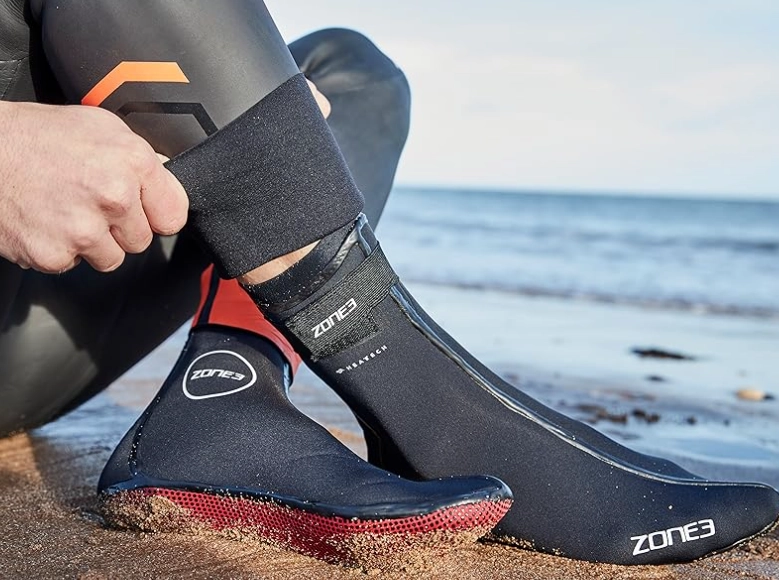
I learned this the hard way years ago in Hawaii. I skipped socks, thinking my tough feet were fine. An hour later, I had a nasty scrape from a hidden piece of coral and blisters from ill-fitting rental fins. Since then, after hundreds of snorkeling trips from the Caribbean to Southeast Asia, I've figured out exactly when socks are a lifesaver and when they're just dead weight in your bag.
What's Inside This Guide
The Direct Answer to Your Question
Let's cut to the chase. You need socks for snorkeling if any of these apply to you:
- You'll be walking over coral reefs, rocky shores, or seabeds with urchins to enter/exit the water.
- You're using rental fins that are stiff, have rough seams, or don't fit perfectly.
- You have sensitive skin or conditions like eczema that chafe easily.
- You're snorkeling in cooler water and want a bit of extra warmth.
You can probably skip the socks if: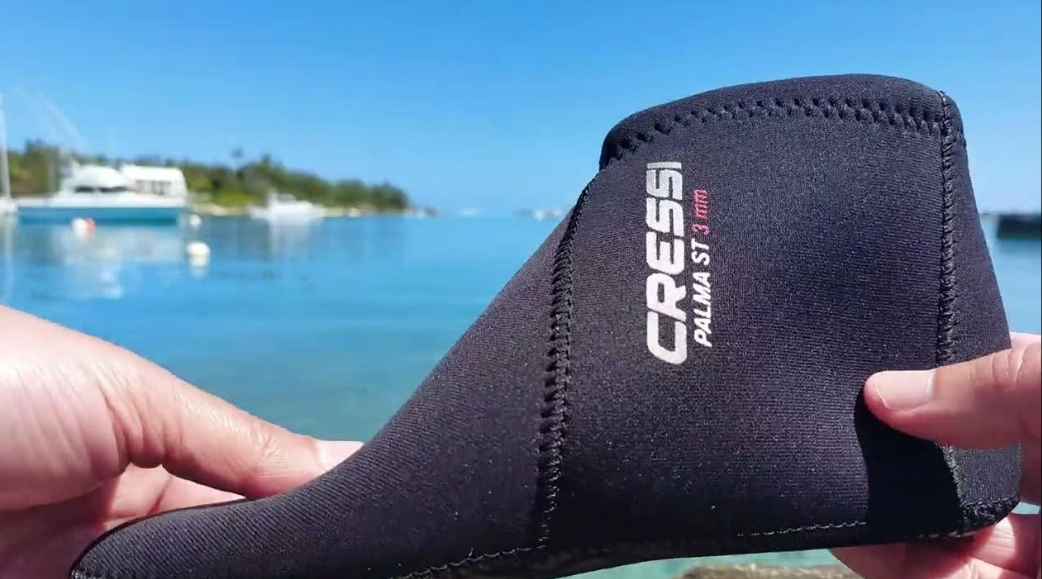
- You're boat snorkeling with a giant stride entry directly into deep water and a ladder exit.
- You own well-fitted, high-quality fins with smooth foot pockets.
- You're snorkeling in a sandy, lagoon-like area with no obstacles.
The biggest misconception? That socks are only about warmth. Their primary job is protection and fit.
Why This Small Gear Choice Matters So Much
Think of your feet as your snorkeling landing gear. They're the first and last point of contact with the environment. A minor foot injury can ruin your trip and, more importantly, damage fragile ecosystems.
Protecting the Reef: This is the part many beginners miss. Coral is a living animal. A careless kick or step can kill a coral head that took decades to grow. Socks, especially when paired with fins, provide a buffer. They make you more aware of your feet and less likely to make direct, damaging contact. Organizations like the National Oceanic and Atmospheric Administration (NOAA) consistently advise avoiding all contact with coral reefs. Proper footgear is a key part of that practice.
Then there's comfort. A blister forming on your heel or big toe isn't just annoying; it breaks your focus. Instead of watching a turtle, you're counting the minutes until you can get out. Good socks eliminate that friction point entirely.
Your Snorkeling Scenario: The Ultimate Decision Guide
This is where we get specific. Your location and access method dictate the need.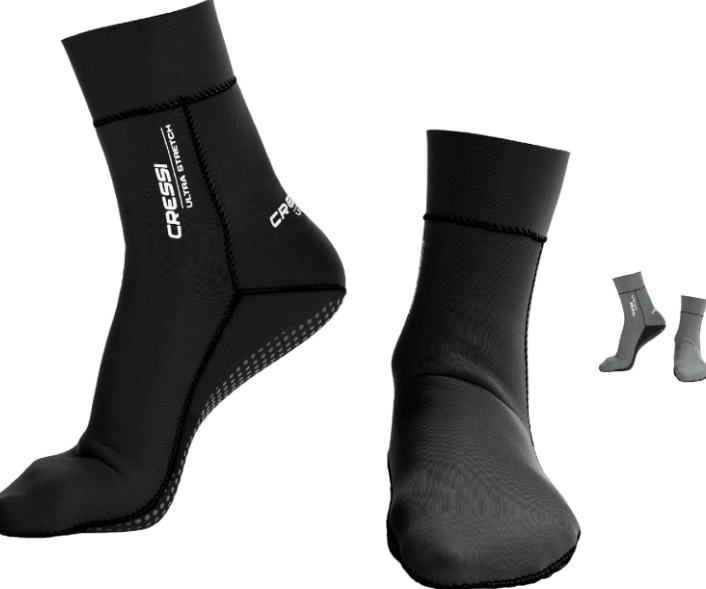
Scenario 1: Shore Snorkeling Over a Coral Reef (e.g., Hawaii, Fiji, The Bahamas)
Verdict: Socks are non-negotiable.
You'll often need to wade out over a shallow reef plateau before reaching deeper water. The bottom is uneven, sharp, and alive. Bare feet are a terrible idea. Even tough soles can get cut by fire coral or razor-sharp dead coral. Here, you want a sock with a robust, textured sole. Neoprene socks around 3mm thick are the standard. They offer cushion and cut resistance. Don't cheap out here—a thin nylon sock won't stop a sea urchin spine.
Scenario 2: Rocky or Pebble Beach Entry (e.g., parts of the Mediterranean, California)
Verdict: Highly recommended.
Slippery, uneven rocks are a sprained ankle waiting to happen. Socks with a grippy rubber sole provide traction and protect from sharp edges. The primary concern is stability and avoiding bruises on the soles of your feet. A medium-thickness neoprene or aqua sock with a defined tread pattern works best.
Scenario 3: Boat-Based Snorkeling with a Ladder (e.g., Great Barrier Reef tours, Caribbean charters)
Verdict: Optional, but often wise.
You jump off the boat, snorkel, and swim back to a ladder. No walking. So why consider socks? Rental fins. Boat tours almost always provide them, and they're notoriously generic. Socks take a medium-fit fin and make it a custom, comfortable fit. They prevent the infamous "fin bite" on your Achilles tendon. I always pack a thin pair of neoprene socks (1-2mm) for boat days, even if the water is warm.
Scenario 4: Sandy, Lagoon Snorkeling (e.g., sheltered Bora Bora motus, some Caribbean bays)
Verdict: You can likely skip them.
If you're walking on soft sand and floating over sand patches, the physical protection isn't critical. The only reason to wear them would be if your fins rub. If you own your gear and it fits well, enjoy the simplicity of going without.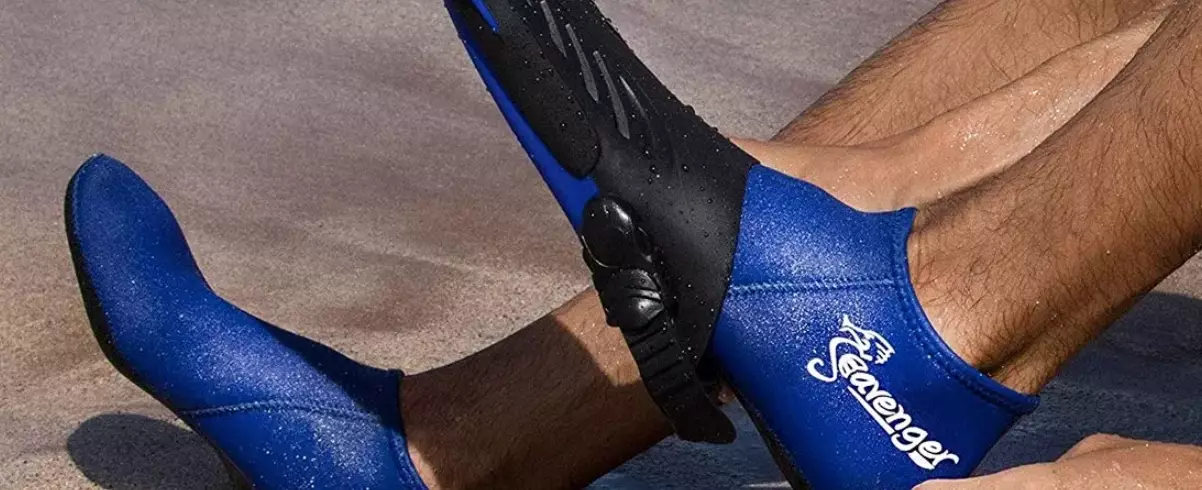
A Critical Note on Fit: Adding socks changes your fin size. If you're bringing socks, you must try your fins on with them before your trip. A fin that's perfect barefoot will be painfully tight with a 3mm sock. Most rental operators will ask if you're wearing socks to give you the right size fin.
How to Pick the Right Snorkeling Socks (It's Not Just Thickness)
Walk into a dive shop and you'll see a wall of black neoprene. Here’s how to decode it.
- 1mm-2mm Neoprene Socks: The all-rounders. Great for warmth in temperate water and fin protection. Usually have a smooth sole. Perfect for boat snorkeling or warm-water shore dives where you need minor protection.
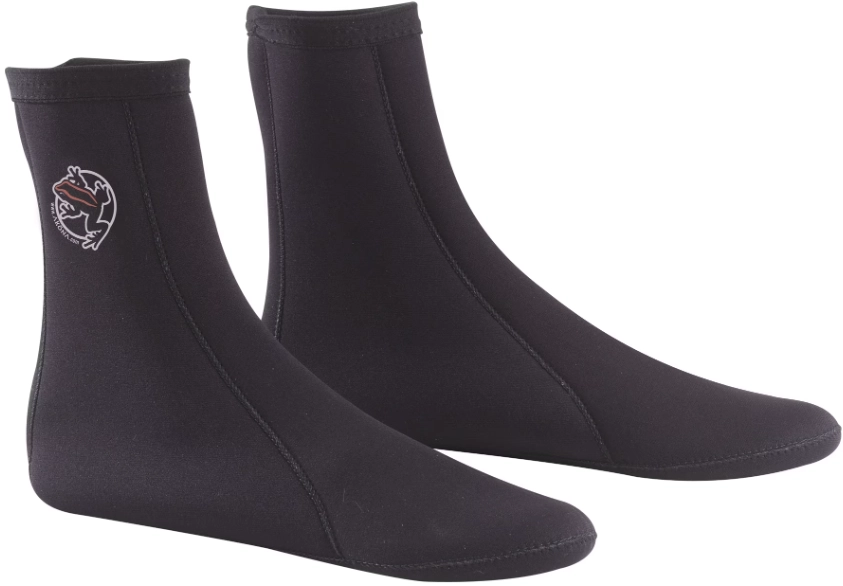
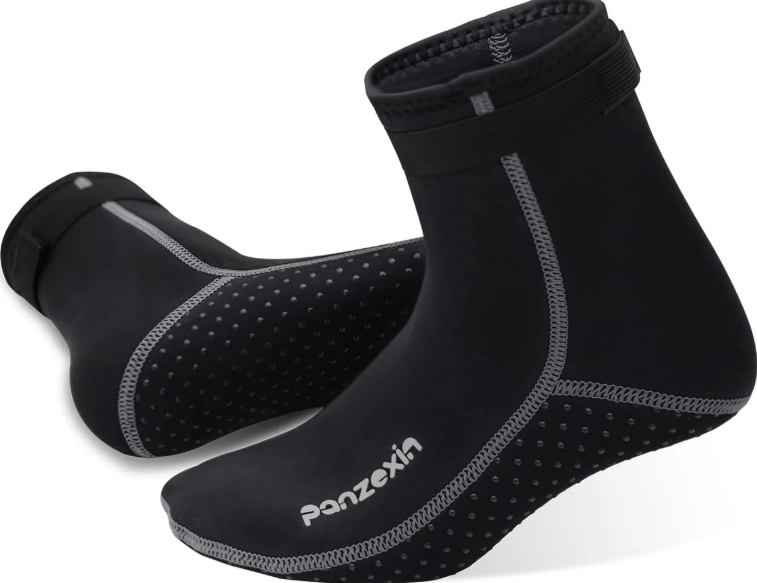
- 3mm Neoprene Socks: The workhorses. This is the standard for reef walking. They offer serious cushion and abrasion resistance. Look for models with a reinforced rubberized tread on the sole—it makes a world of difference on slippery rocks.
- Aqua Shoes / Water Socks: These are nylon or lycra with a thin rubber sole. They're better than nothing for very light protection on sandy/pebble beaches, but they offer almost no insulation and minimal protection against sharp coral or urchins. I don't recommend them for true reef environments.
- Material: Stick with neoprene. It's stretchy, protective, and provides insulation. Nylon blends dry faster but sacrifice all cushioning.
My personal go-to is a 3mm sock with a reinforced sole for 90% of my trips. The extra millimeter is cheap insurance.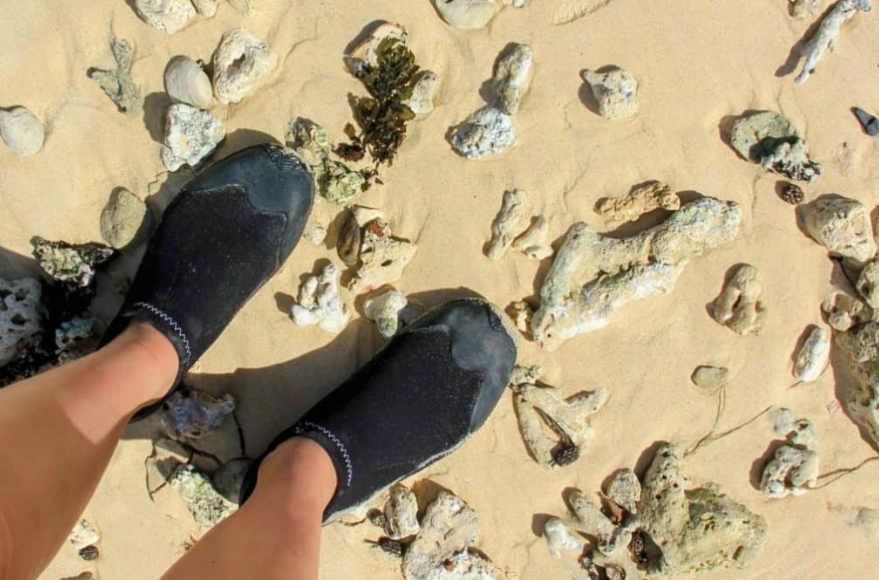
Common Mistakes Even Experienced Snorkelers Make
I've seen seasoned travelers mess this up.
Mistake 1: Wearing Cotton Socks. This is a catastrophe. Cotton absorbs water, loses all insulating ability, wrinkles painfully, and takes forever to dry. It creates the perfect environment for blisters. Just don't.
Mistake 2: Choosing Socks That Are Too Long. Socks that bunch up around your ankle inside the fin strap can create pressure points. Ankle-height or mid-calf is ideal. Avoid knee-high dive socks unless you're in very cold water.
Mistake 3: Ignoring the Seams. Cheap socks have thick, raised seams that run right across your toes or heel—precisely where fins press. Look for socks with flat-locked seams or seamless toe areas. This detail is a game-changer for comfort.
Mistake 4: Forgetting About Post-Snorkel. Your feet will be pruned and sensitive. Having a pair of dry, comfortable sandals to slip into after you peel off your wet socks and fins is a small luxury that feels huge. It also protects your feet on the hot walk back.
Your Snorkeling Socks Questions, Answered
You could, but you'll regret it. Sports socks (even synthetic ones) become heavy, saggy, and abrasive when soaked. They provide zero thermal protection and minimal cushion against sharp objects. They're also a nightmare to put on when your feet are wet. The few dollars you save aren't worth the compromised comfort and safety. Neoprene is designed for this exact purpose.
Absolutely, and sometimes even more so. Closed-heel (full-foot) fins are notorious for causing blisters on the heel and sides of the foot if they're not a perfect fit. A thin neoprene sock acts as a seamless liner, filling small gaps and eliminating friction points. It can turn a mediocre rental fin into a comfortable one.
 How do I prevent my socks from making my fins too tight?
This is the essential pre-trip check. When you buy or rent fins, you must try them on with the socks you plan to wear. The foot pocket should feel snug but not constricting. Your toes should be able to wiggle slightly, and there should be no painful pressure points. If it's too tight, go up one fin size. Most quality fin brands have sizing charts that account for sock wear.
Standard neoprene socks offer a physical barrier that can prevent stings on your feet and ankles, which is a common place to get brushed. For areas known for jellyfish, like some parts of Florida or the Philippines, it's a sensible precaution. However, for full-body protection, you'd need a dive skin or wetsuit. The socks are a good first line of defense for your extremities.
Rinse them thoroughly in fresh water to remove salt and sand. Turn them inside out if possible. Never dry them in direct, hot sunlight or on a radiator, as this will bake the neoprene and make it brittle. Hang them in a shaded, breezy area. Stuffing them with a dry towel can help absorb moisture from the inside. They'll take a while to dry completely, so having two pairs on a multi-day trip is a pro move.
No, dive boots (short, sturdy neoprene boots with rugged soles) are the ultimate solution for shore snorkeling over rough terrain. They replace the need for socks entirely. The key difference is that boots are designed to be worn inside open-heel fins with an adjustable strap. If you have boots and open-heel fins, you're set. Socks are the lighter, more packable alternative for use with full-foot fins or when you want less bulk.
 So, do you need socks for snorkeling? It's not a yes/no quiz. It's a strategic choice based on your destination, your gear, and your feet. For most people heading to a coral reef destination—which covers a huge portion of the world's best snorkeling—packing a pair of 3mm neoprene socks is one of the smartest, simplest things you can do. It's the difference between worrying about your feet and forgetting about them completely, leaving you free to get lost in the incredible world below the surface.
Reader Comments