Let's cut to the chase. How much should you spend on a snorkel? It depends, but here's the quick answer: For most casual snorkelers, a reliable snorkel will cost between $20 and $60. If you're just trying it once on vacation, you can find basic models for under $20. Serious enthusiasts or those who want specific features might spend $60 to $150. Spending over $150 is typically for technical divers or those buying ultra-premium brands.
The real question isn't just about a number. It's about understanding what you're paying for and avoiding the two biggest mistakes: overspending on features you'll never use, or buying a cheap piece of plastic that ruins your trip because it leaks, fogs up, or makes you swallow seawater.
I've been snorkeling for over a decade, from crowded tourist coves to remote reefs. I've bought the $10 snorkel that failed miserably and the $80 one that felt like a revelation. This guide will walk you through the real cost drivers, so you can match your budget to your actual needs.
What's Inside This Guide?
What Determines Snorkel Cost?
Break down the price tag, and you're usually paying for a combination of four things.
Material and Build Quality
Cheap snorkels use basic, often rigid plastics. More expensive ones use higher-grade, medical-grade silicone for the mouthpiece and sometimes the tube. Silicone is softer, more durable, and doesn't taste like a chemical factory. The plastic or polycarbonate used for the tube itself can be more flexible and impact-resistant.
Design and Technology
This is the big one. A simple J-shaped tube (a classic wet snorkel) costs almost nothing to make. Add a splash guard at the top (semi-dry), and the price goes up. Integrate a sophisticated dry-top mechanism with a floating ball or membrane that seals the tube when submerged, and you're into a higher price bracket. Purge valves at the bottom to easily clear water also add cost.
Brand Name and Marketing
Brands like Cressi, Aqua Lung, and TUSA have reputations for quality and invest in research. You pay a premium for that trust and their distribution networks. A no-name brand on an online marketplace might offer a similar-looking product for half the price, but the quality control is a gamble.
Packaging and Retail Markup
Are you buying just the snorkel, or is it part of a mask-and-snorkel set? Sets often offer better value. Buying from a dedicated dive shop might cost more than a big-box sporting goods store, but you often get expert advice that prevents a bad purchase.
Snorkel Price Tiers: From Bargain to Premium
Here’s a concrete breakdown of what you get at different price points. This table isn't just about specs; it's about the experience.
| Price Range | Type & Common Labels | What You Typically Get | Best For... | Potential Drawbacks |
|---|---|---|---|---|
| Under $20 | Basic Wet Snorkel, No-name brands | Simple J-tube design, hard plastic mouthpiece, basic colors. Often sold in bulk or as part of ultra-cheap sets. | The absolute one-time user on a tight budget. "I just need something for tomorrow's boat trip." | Uncomfortable mouthpiece, poor sealing, brittle plastic that can crack, often includes a low-quality mask. |
| $20 - $40 | Semi-Dry Snorkel, Entry-level Dry Snorkel | Splash guard at the top, softer silicone mouthpiece, simpler purge valve. Brands like Cressi Subea or basic US Divers models live here. | The vast majority of recreational snorkelers. This is the sweet spot for value. | Dry-top mechanisms might be less refined (slower to seal, can stick). Materials are good but not top-tier. |
| $40 - $80 | Advanced Dry Snorkels, Flexible/Folding Models | Reliable dry-top seals, comfortable wide bore tubes, efficient purge systems, flexible lower sections for packability. Brands: TUSA, Oceanic, higher-end Cressi. | Frequent snorkelers, travelers who want compact gear, those who value comfort and reliability. | You're paying for refinement. The core function isn't vastly different from a good $30 snorkel, but the execution is. |
| $80+ | Professional & Ultra-Premium | Integrated systems (like Aqua Lung's Impulse 3), exceptional materials, minimalist designs for freediving, or specialized tech for scuba integration. | Freedivers, serious scuba divers (as part of a regulator package), gear enthusiasts who want the absolute best. | Diminishing returns for casual use. Overkill for resort snorkeling. |
Let's zoom in on the $20-$40 sweet spot. This is where you'll find models like the Cressi Supernova Dry or the TUSA Hyperdry Elite II. They work. The dry-top keeps most water out when you dive under, the purge valve lets you clear the tube with a sharp exhale, and the mouthpiece won't make your jaw ache after an hour. For maybe $35, you've solved 95% of the problems a beginner faces.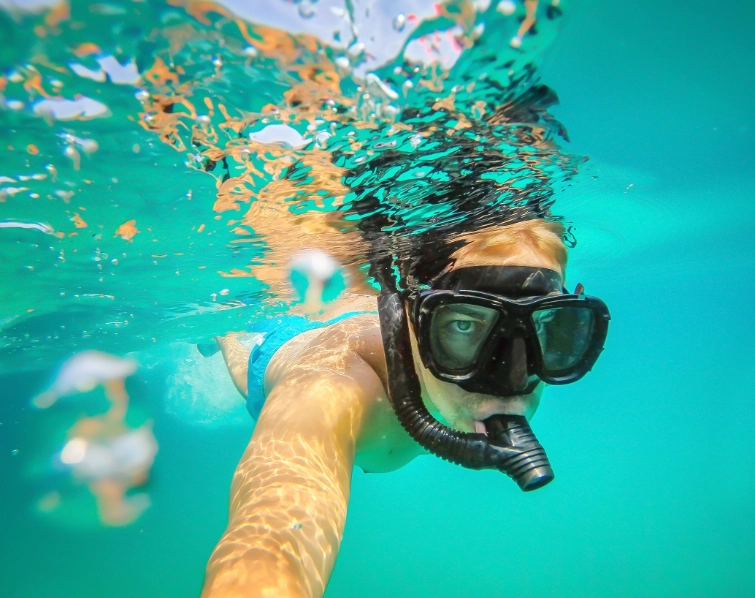
My first "good" snorkel was in this range. The difference from the $10 one I had before was night and day. No more constant trickle of water, no more biting down on hard plastic.
How to Choose Based on Your Snorkeling Frequency?
Your spending should mirror how often you'll use the gear.
The Occasional Vacation Snorkeler (Once a year or less)
You're hitting a resort in Mexico or joining a tour in Hawaii. Budget: $25 - $45. Target a reliable semi-dry or basic dry snorkel. Don't go for the cheapest $10 set—the mask will likely fog uncontrollably, which is a trip-ruiner. A mid-range snorkel paired with a decent mask (sold separately or as a curated set) is a wise investment. Renting might cost $10-$15 per day, so your own gear pays off in 2-3 days and is more hygienic.
The Frequent Snorkeling Enthusiast (Several times a year)
You seek out snorkeling spots on trips or live near the coast. Budget: $40 - $70. Invest in comfort and reliability. Look for features like a flexible tube bottom—it makes the snorkel easier to pack and reduces jaw fatigue because the mouthpiece isn't pulling as much. A high-quality dry-top with a reliable sealing mechanism is worth it. You'll appreciate the better materials over many hours in the water.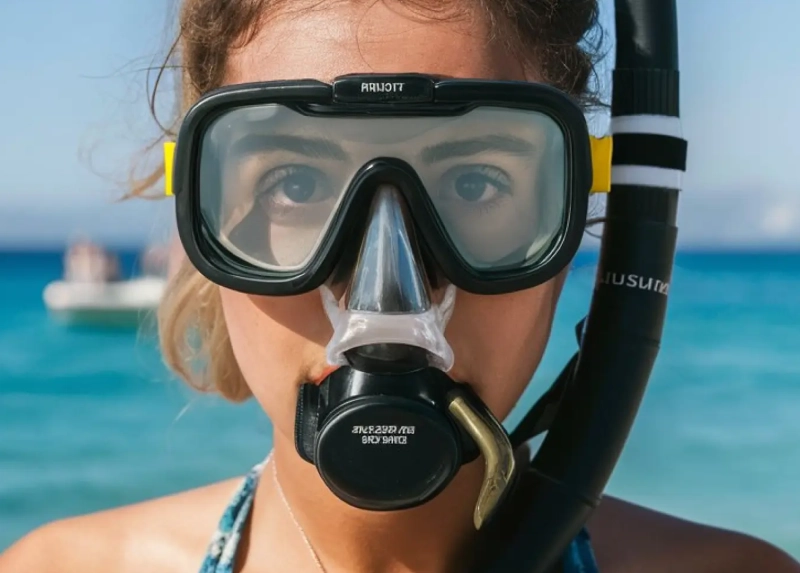
The Gear Geek or Aspiring Freediver
You're in the water regularly, maybe taking freediving courses. Budget: $70+. You're paying for specialized performance. This might mean a low-volume, minimalist snorkel for freediving (like the Riffe Stable Snorkel) that reduces drag and breathing resistance. Or, you might invest in a top-tier dry snorkel from a brand like Aqua Lung known for impeccable engineering. At this level, you're not just buying a tool; you're buying optimized performance.
What Features Are Worth the Extra Money?
Not all upgrades are created equal. Let's demystify the marketing.
Dry Top vs. Semi-Dry vs. Wet: A dry snorkel (with a sealing mechanism) is worth the extra $10-$15 for almost everyone. It prevents water from flooding the tube when a wave hits or you duck under. A semi-dry (just a splash guard) is better than nothing. A basic wet snorkel is fine for surface swimming but becomes a hassle otherwise.
Here's a non-consensus point: Some purists argue dry snorkels can create a slight extra breathing resistance or can fail if sand gets in the mechanism. In my experience, for recreational use, the convenience far outweighs these minor quibbles. Just rinse it with fresh water after use.
Purge Valve: Absolutely worth it. Clearing a snorkel by blasting air from your lungs is easy with a purge valve at the lowest point. Without one, you have to tilt your head and blow harder to get all the water out. It's a small feature that greatly improves the experience.
Silicone Mouthpiece: Non-negotiable. Hard plastic mouthpieces are torture. Medical-grade silicone is soft, adaptable, and hygienic. This is a key differentiator between the bargain bin and usable gear.
Flexible Tube Section: A valuable upgrade for travelers and those prone to jaw fatigue. It makes the snorkel pack flat and reduces torque on your mouth. If you travel a lot, consider this a high-priority feature.
Color and Style: Purely personal. Darker interiors in the tube can reduce glare, but it's a minor benefit.
The Real Cost: Don't Forget the Mask!
You rarely buy just a snorkel. You need a mask. This doubles your initial outlay but is critical.
A good snorkeling mask will cost $30 to $80. When you see a "complete set" for $25, the mask is the weak link—it will likely have a cheap silicone skirt that leaks and a single pane lens that distorts.
My advice? Buy separately. Budget $30-$50 for a reputable snorkel and $40-$60 for a quality mask from brands like Cressi, Scubapro, or Mares. A proper mask has a soft, double-feather-edged silicone skirt for a seal, tempered glass lenses (not plastic), and a comfortable strap system. This total investment of $70-$110 will last for years and transform your time in the water.
According to guidance from the Professional Association of Diving Instructors (PADI), a proper seal and fit are the most important factors in mask selection, far outweighing gimmicky features.
Your Snorkel Spending Questions Answered
So, how much should you spend? If you're going to use it more than once, skip the absolute bottom shelf. Aim for that $25-$45 range for the snorkel itself, and pair it with a properly fitted mask. That total investment of under $100 will get you gear that's reliable, comfortable, and lets you focus on the fish, not fighting your equipment. It's the difference between just being in the water and truly enjoying it.
Remember, the goal isn't to find the cheapest option. It's to find the most valuable one for *your* time in the water.
Reader Comments