If you're planning a snorkeling trip, buying a complete set with a waterproof bag seems like a no-brainer. Convenience in a box. But here's the thing I've learned after a decade of testing gear and watching friends get frustrated: not all bundles are created equal. That waterproof bag can be a lifesaver or a leaky disappointment. This guide isn't about selling you a specific brand. It's about giving you the lens to see through the marketing and understand exactly what makes a snorkeling set with a waterproof bag worth your money—or not.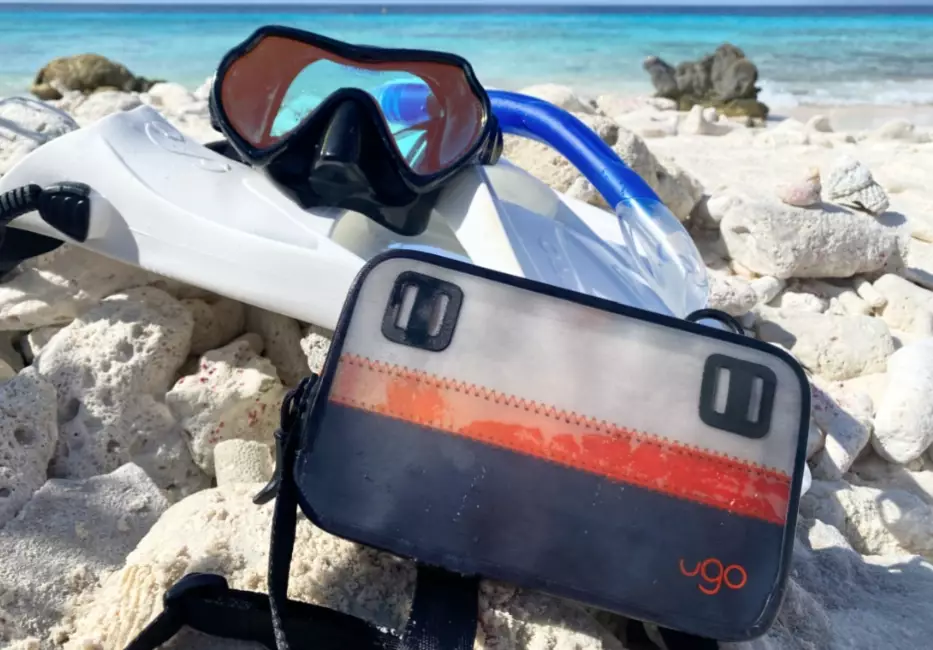
What's Inside This Guide
Anatomy of a Snorkeling Set: Beyond the Basics
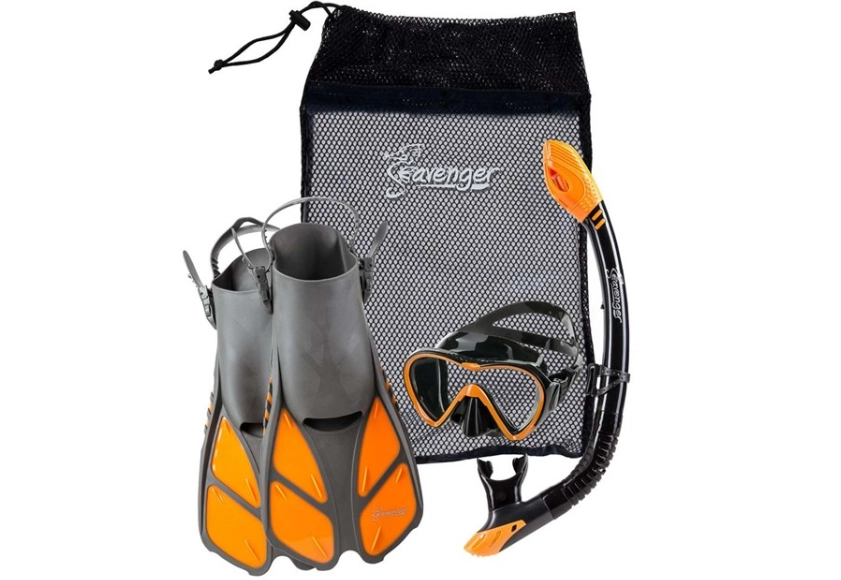
Let's break down what's actually in the box. A typical snorkeling set with waterproof bag includes a mask, a snorkel, fins, and the bag itself. Sounds simple, but the devil is in the details.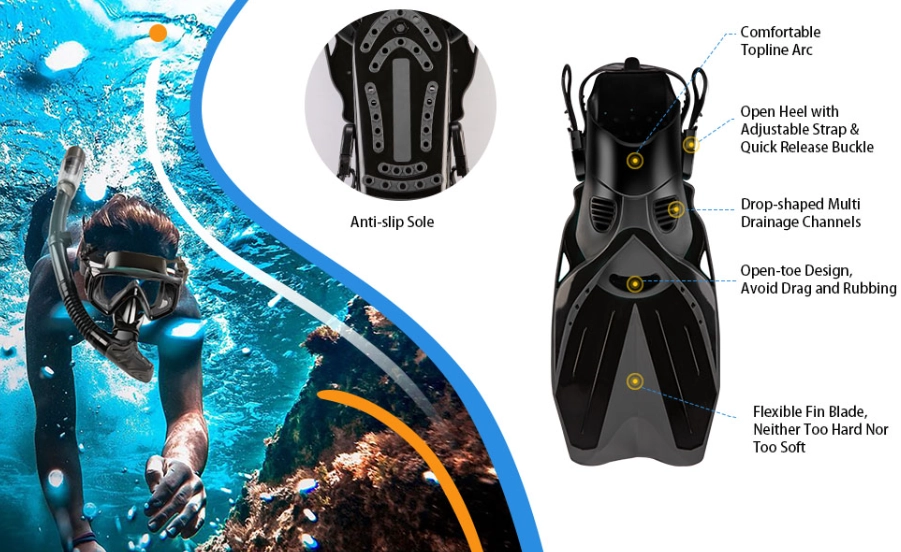
The Mask: This is your window. The single most important piece. Look for a silicone skirt (not PVC—it gets hard and cracks). It should feel soft and form a seal without excessive pressure. A common mistake beginners make is cranking the strap too tight, which actually breaks the seal. The lens should be tempered glass. If it scratches easily, it's probably plastic, which is a safety and clarity red flag.
The Snorkel: Most sets come with a semi-dry or dry snorkel. A semi-dry has a simple splash guard on top. A dry snorkel has a float valve that seals the tube if you go underwater. Dry snorkels are great for beginners who might dip under, but they have more moving parts that can fail. I've seen more clogged float valves than I can count.
The Fins: These are often the most compromised item in a budget set. They might be short travel fins or full-foot pockets (no booties needed). Check the material. Flimsy, flexible plastic offers little propulsion. You want a blend of stiffness for power and flexibility for comfort. The foot pocket shouldn't have rough seams that cause blisters.
The Waterproof Bag: Ah, the star of the show. It's usually a roll-top dry bag, sometimes with a shoulder strap. Capacity ranges from 20 to 40 liters. The critical part is the closure system. A cheap bag will have thin PVC you roll three times; a better one uses thicker TPU and a buckle or clip to secure the roll. This bag isn't for scuba diving. It's for keeping your towel, keys, and phone dry on the boat or beach.
How to Choose the Right Set for You (It's Not One-Size-Fits-All)
Your snorkeling style dictates the right kit. Are you a once-a-year vacation snorkeler or a frequent traveler hitting different reefs? The table below maps needs to features.
| Your Profile | Priority Features | What to Compromise On |
|---|---|---|
| The Casual Vacationer (Trips 1-2 times a year) |
Comfort, ease of use, value. A reliable dry snorkel and a comfy mask are key. The bag just needs to work for a day at the beach. | Ultra-premium fins. A basic, effective fin is fine. Don't stress over the bag's highest waterproof rating. |
| The Active Traveler (Flies frequently to snorkel) |
Weight and packability. Compact, short fins. A foldable mask (if you trust it) or a low-volume one. The bag must be durable and serve as your daypack. | Maybe the "dry" top on the snorkel (semi-dry is simpler and lighter). The largest bag size. |
| The Gear-Sensitive User (Needs prescription masks, gets foot blisters) |
Fit above all. Look for sets from brands that offer multiple mask sizes/frames or consider buying components separately. Pivoting snorkel for natural head position. | The "set" concept itself. You might be better off building your own kit. |
Here's a non-consensus point: For most people, the mask fit is more important than the type of snorkel. A leaking, fogging mask ruins the experience instantly. You can snorkel with a basic J-tube if you have to, but you can't snorkel if you can't see. Always test the mask seal before you buy (press it to your face without the strap, inhale slightly through your nose—it should stay suctioned).
A Side-by-Side Look at Popular Snorkel Sets
I've used or thoroughly tested kits across price ranges. Here’s a blunt comparison of three common archetypes you'll find online.
>$150+| Set Type | Typical Price Range | The Good | The Gotcha | Waterproof Bag Verdict |
|---|---|---|---|---|
| Budget Bundle (Amazon/Generic Brands) |
$40 - $70 | Incredible value on paper. Gets you in the water. Bag is a functional extra. | Materials feel cheap. Mask skirts can be stiff. Fins are often underwhelming. Bag is usually a thin, basic roll-top. | It'll keep light splashes out. Don't trust it fully submerged or tossed in a wet locker. Consider it a "water-resistant" bonus. |
| Mid-Range Travel Kit (Cressi, US Divers, etc.) |
$80 - $150 | Reliable brand components. Better silicone, tempered glass. Fins have decent thrust. Bag is more robust, often with a carry strap. | You're paying for the brand name too. The bag, while better, is often still a mid-tier dry bag. | Good for its purpose. Can handle a quick dunk. I'd trust my phone in it on a calm boat ride, but I'd still use a zip-lock inside. |
| Premium Travel Set (Specialized Brands) |
Top-tier materials. Masks designed for low volume and wide view. Fins are efficient and packable. Bag is often from a reputable dry bag maker (like Sea to Summit). | Pricey. You're investing in performance and durability. | This is a real dry bag. Thick seams, robust closure. You're getting a proper piece of outdoor gear that will last for years beyond the snorkel set. |
My personal take? The mid-range kits from known brands offer the best balance for 80% of snorkelers. You get safety (tempered glass), comfort (good silicone), and a bag that's actually useful. The budget sets can be a false economy if the mask fogs uncontrollably or the fin strap breaks on day two.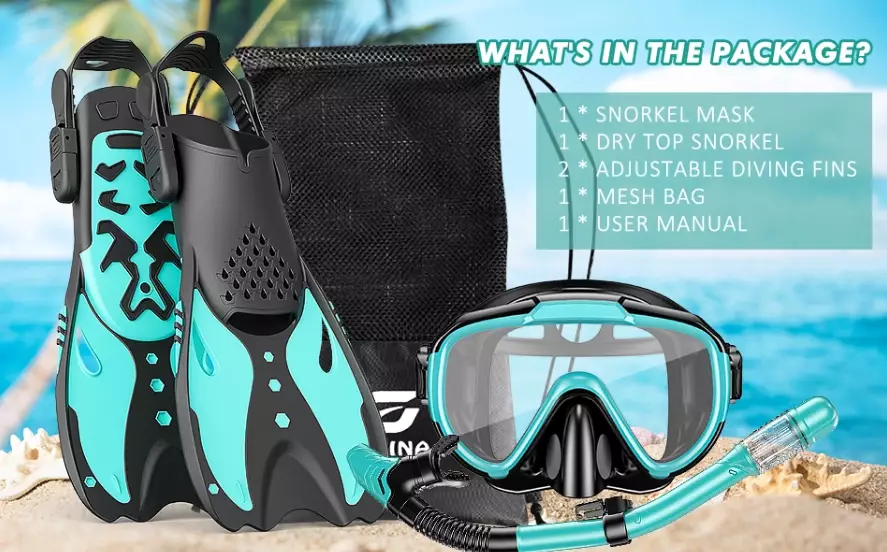
The Waterproof Bag Deep Dive: Pro Tips & Pitfalls
This bag is more than a freebie. Used right, it organizes your whole beach day. Used wrong, it soaks your passport.
Capacity and What Fits
A 30-liter bag is the sweet spot. It should swallow a large beach towel, a thin change of clothes, a 1-liter water bottle, sunscreen, your snorkel set (if the fins are compact), and a small dry pouch for your phone/wallet. If the set includes fins, you'll often need to strap them to the outside or carry them separately, which is fine.
The Golden Rule of Dry Bags
Waterproof does not mean submersible. These are designed to float and keep water out from waves, rain, or accidental drops overboard. Don't treat it like a diving housing. Before you trust it with electronics, do a test: put a paper towel inside, seal it, and submerge it in a tub for a minute. Check for moisture.
Packing for Success
Roll your clothes. Place soft items (towel) at the bottom as a cushion. Always put electronics in their own sealed plastic bag inside the dry bag. This is a double-layer of protection. When closing the roll-top, fold it at least three times, pressing the air out as you go. A bloated bag is more likely to be forced open.
One subtle mistake: leaving the bag in direct sun on hot sand. The air inside expands and can stress the seams or pop the roll-top open. Burp it occasionally to release pressure.
Keeping Your Gear Alive: Maintenance & Storage
Rinsing with fresh water after use is non-negotiable. Salt and sand destroy silicone and degrade plastic. Pay special attention to the snorkel's mouthpiece and the mask's skirt.
For the mask: Never, ever touch the inside of the lens. The oils from your fingers will create a permanent fog magnet. To defog, use a mild baby shampoo solution (a drop in water) or commercial defog gel. Spit works in a pinch but is less effective and, let's be honest, gross.
For the bag: Turn it inside out to dry completely before storing. Mildew is the enemy. Check the roll-top seal for sand or grit after each use. A single grain can compromise the seal next time.
Storage: Don't leave the set crammed in the bag wet. Store the mask with the strap behind the lens, not tightened over it. This prevents the skirt from deforming. Keep it in a cool, dry place away from direct sunlight.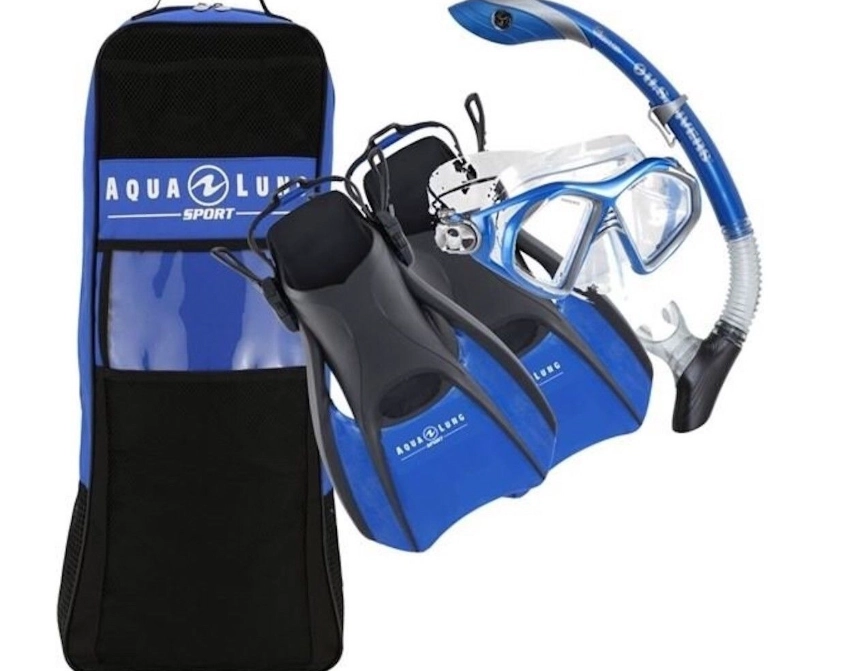
Your Questions, Answered
Can I use a snorkeling set with a waterproof bag for scuba diving?
Absolutely not. Snorkeling masks are designed for surface use and lack the robust construction, secure strap systems, and tempered glass needed for the pressures of scuba diving. Using them underwater can be dangerous. The waterproof bag is also strictly for surface storage of dry items, not for protecting electronics at depth.
How do I maximize space in my snorkel set's waterproof bag for a beach day?
Roll, don't fold, your clothes and towel to save space. Place heavier, non-electronic items (sunscreen, towel) at the bottom. Wrap your phone or camera in a thin microfiber cloth before sealing it in its own zip-lock bag, then place it in the center of the dry bag. This creates a cushion. Use the bag's compression straps if it has them to slim down the profile.
 My snorkel set's dry bag still lets in a few drops of water. Is it broken?
Not necessarily. First, ensure you've folded the roll-top closure at least 3-4 times, pressing out air as you go. A common mistake is under-folding. Second, check the bag's seams and valve (if present) for sand or debris. A single grain of sand can break the seal. Finally, remember these bags are water-resistant, not submersible. Light splashes or brief immersion in calm water should be fine, but prolonged exposure or being tossed in waves will eventually lead to leaks.
Is it worth buying a snorkel set just for the included waterproof bag?
Rarely. The bag in a bundle is often a basic model to hit a price point. If a high-quality, reliable dry bag is your primary need, buy one separately from a reputable outdoor brand like Sea to Summit or Earth Pak. However, if you're a casual snorkeler who also needs a simple bag to keep towels and keys dry on a boat, the bundled bag can be a convenient bonus. Just temper your expectations for its durability and waterproof performance in rough conditions.
The right snorkeling set with a waterproof bag should feel like a trusted travel companion, not a disposable kit. Focus on the mask fit first, understand the limitations of the bundled dry bag, and maintain your gear. Do that, and you'll get countless clear, comfortable adventures out of it. Now go find some fish.
Reader Comments