In This Guide
- Why Florida for a Whale Shark Encounter?
- When is the Best Time to See Whale Sharks in Florida?
- Choosing a Tour Operator: What to Look For
- A Realistic Look at the Swim Experience: What Actually Happens?
- How to Prepare: Your Pre-Trip Checklist
- Answering Your Biggest Questions (FAQs)
- Making Your Choice and Booking
Let's be honest, the idea of getting in the water with a shark—even a gentle, filter-feeding one—can be a bit nerve-wracking. I remember my first time researching a swim with whale sharks Florida adventure. My mind was flooded with questions. Is it safe? Where do I even go? Is it ethical? And honestly, is it worth the potentially hefty price tag?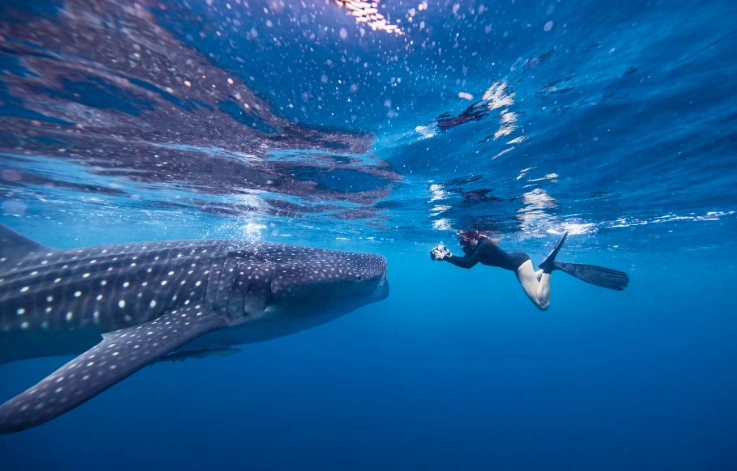
After years of living in the Sunshine State and finally taking the plunge myself (multiple times, in fact), I've learned that the experience is less about ticking a box on a bucket list and more about a profound, quiet connection with the ocean's largest fish. It's humbling. But planning it can feel overwhelming if you don't know where to start.
This guide isn't just a rehash of tour company brochures. We're going to dive deep into the realities, the logistics, and the magic of swimming with whale sharks in Florida. We'll cover the controlled environment of the Florida Aquarium in Tampa, the wilder possibilities in the Gulf, and everything in between. My goal is to give you all the tools and knowledge you need to make an informed decision and have an unforgettable, responsible encounter.
Why Florida for a Whale Shark Encounter?
When people think of swimming with whale sharks, their minds often jump to places like Mexico or the Philippines. Florida flies under the radar, but it presents a uniquely accessible and structured opportunity for North American travelers. So, what's the draw?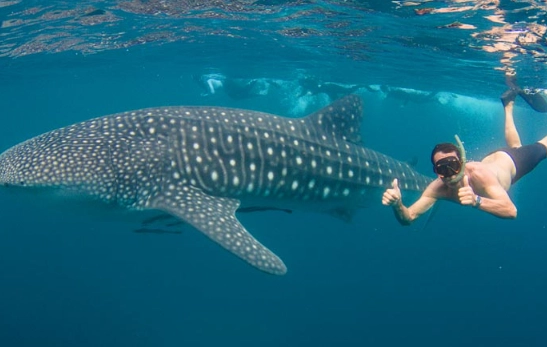
First, there's the matter of accessibility. For folks in the U.S., getting to Florida is often simpler and cheaper than an international trip. No passports, no currency exchange, just a flight or a drive to the peninsula. More importantly, Florida provides two distinct types of experiences: the guaranteed, controlled encounter in a major aquarium and the seasonal, wild adventure in the open Gulf of Mexico.
The other big factor is conservation and ethics. Reputable operators in Florida, whether aquarium-based or eco-tour companies, are typically tightly regulated and place a strong emphasis on animal welfare and minimal impact. You're not chasing down exhausted animals with dozens of other boats. The model here tends to be more respectful, which, for me, makes the experience much more meaningful.
The Florida Aquarium: A Controlled, Guaranteed Experience
Let's talk about the elephant in the room—or rather, the whale shark in the tank. The Florida Aquarium in Tampa is one of the only places in the Western Hemisphere where you can have a guaranteed, up-close swim with whale sharks. They call it the "Swim with the Fishes" program, and it takes place in their massive 500,000-gallon Heart of the Sea habitat.
Now, I know what some purists might think. "It's not the open ocean." And they're right. It's not. But dismissing it misses the point entirely. This is a profoundly different experience with its own set of incredible advantages.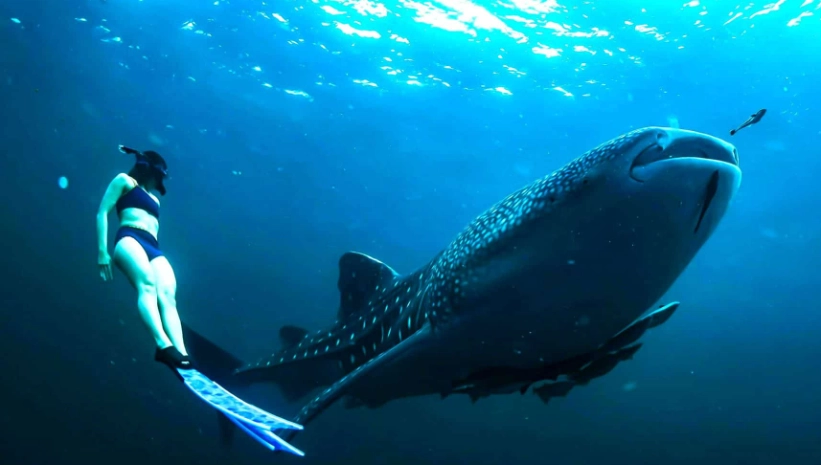
What to Expect at the Florida Aquarium:
- Guaranteed Sightings: This is the biggest one. Weather doesn't cancel this. The animals are there. You will swim with them. After my failed wild tour, the value of this guarantee cannot be overstated.
- Unmatched Proximity and Clarity: The water is crystal clear. You can observe every spot, every graceful movement from just a few feet away. It's an incredible opportunity for photography and pure observation.
- Educational Focus: The program is led by marine biologists. You learn about whale shark biology, conservation status, and the aquarium's research efforts. It's not just a swim; it's a masterclass.
- Safety and Accessibility: You don't need to be an Olympic swimmer. The program is structured and safe, making it a potential option for families with older kids or those less confident in open water.
Is it the same as the wild? No. But is it a legitimate, awe-inspiring, and educational way to swim with whale sharks in Florida? Absolutely. For many people, especially first-timers or those with limited time, it's the perfect introduction.
The Wild Encounters: Gulf of Mexico Adventures
For the adventurers seeking the true wild encounter, the northeastern Gulf of Mexico, off the coast of the Florida Panhandle and Alabama, is your spot. Between roughly June and September, whale sharks aggregate in these waters, following plankton blooms. This is where companies operate true eco-tours to find them.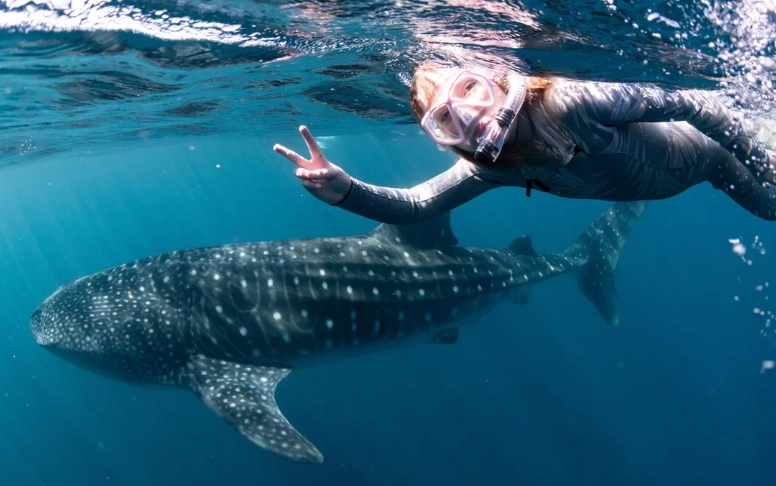
This experience is the polar opposite of the aquarium. There are no guarantees. You might spend hours on a boat scanning the horizon. The water might be choppy, the visibility might be lower. But then... you see a dark shadow. The captain spots a fin. The excitement is electric. You slide into the blue, and there it is—a wild, free animal going about its business. The connection feels different. It's on their terms.
| Experience Type | Best For | Key Consideration | Approx. Cost Range |
|---|---|---|---|
| Florida Aquarium (Tampa) | First-timers, families, guaranteed encounter, photography, education | Controlled environment, not the open ocean | $150 - $225 per person |
| Wild Gulf Tour (Panhandle) | Adventurers, experienced snorkelers, seeking a "true" wild encounter | Seasonal (summer), weather-dependent, no sighting guarantees | $250 - $400+ per person |
The wild tours are a commitment. You need to be flexible with your dates, comfortable on a boat for a full day, and physically able to snorkel in open ocean conditions. The reward, however, is incomparable.
When is the Best Time to See Whale Sharks in Florida?
This completely depends on which path you choose.
For the Florida Aquarium, it's year-round. They offer their swim program on scheduled days throughout the week. You just need to book in advance, especially for weekends and holidays.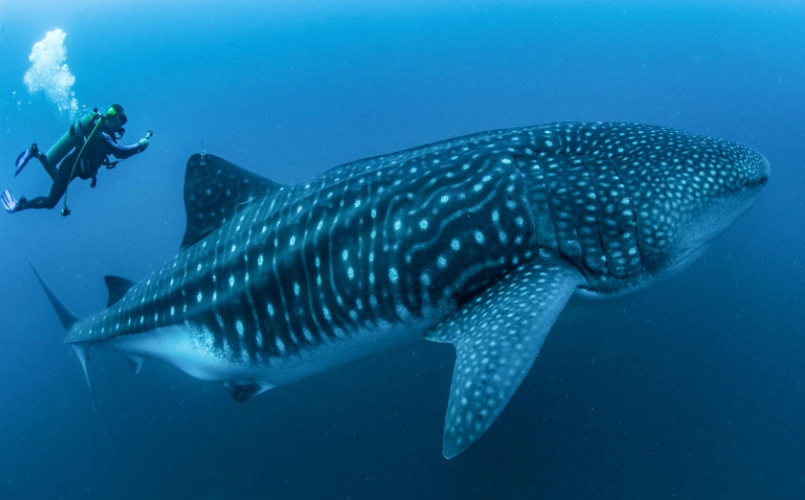
For wild encounters in the Gulf, you're looking at a much narrower window. The season typically runs from late May or early June through September, with peak activity often in July and August. This coincides with warm water temperatures and high plankton productivity. I've had the most consistent reports of sightings from captains in mid-summer.
Choosing a Tour Operator: What to Look For
If you're going the wild Gulf route, choosing the right operator is the single most important decision you'll make. A good captain and crew make the experience; a bad one can ruin it and harm the animals.
Here’s my checklist, born from good and not-so-good experiences:
- Eco-Certifications & Permits: Look for operators who advertise their eco-friendly practices and hold necessary permits from the NOAA Fisheries. In the Gulf, interaction with whale sharks is technically under a NOAA Fisheries guideline framework that prohibits touching, riding, or impeding the animal.
- Group Size Policy: Ask how many swimmers they put in the water at a time. Responsible operators limit groups to a handful of people to avoid overwhelming the shark. I'd be wary of any company that sends 15 people in at once.
- Vessel Type: A smaller, faster boat might find sharks quicker, but a larger catamaran might be more stable and comfortable for a full-day trip. Consider your sea legs.
- What's Included: Does the price include gear (mask, snorkel, fins, wetsuit), lunch, drinks, and photos? Or are those add-ons? Get a clear breakdown.
- Sighting Policy: Be brutally honest with yourself about their policy. Some offer a partial refund or a free return trip if no whale sharks are sighted. Others don't. Know what you're paying for.
A Realistic Look at the Swim Experience: What Actually Happens?
Let's walk through a typical day on a wild Gulf tour, so there are no surprises.
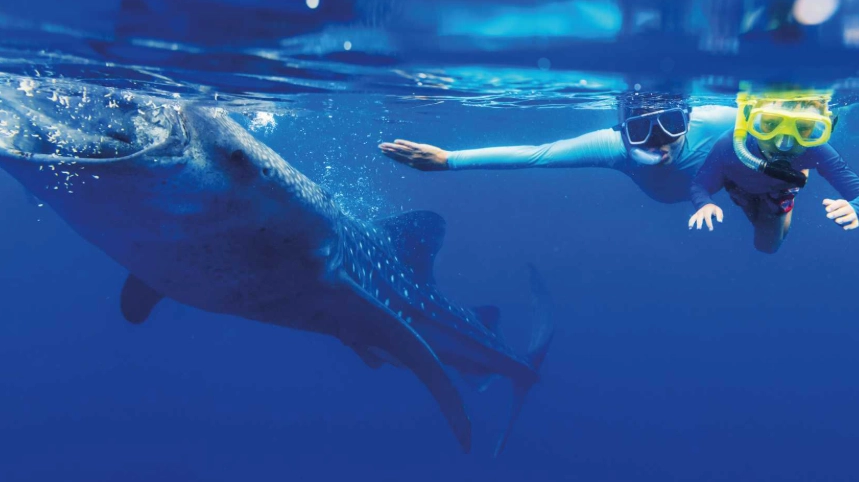
You'll meet early, often around 7 am. The captain will give a safety and ethics briefing—this is crucial. Listen carefully. Rules like "no touching," "maintain a 10-foot distance," and "don't swim directly in front of the shark" are for the animal's welfare and your safety.
Then it's a boat ride, sometimes for a few hours. The crew will be scanning the water for birds, baitfish, or the shark's distinctive dorsal fin. This part requires patience. Bring seasickness medication if you're prone to it—the Gulf can get choppy.
When a shark is sighted, the energy shifts. The captain will position the boat calmly, not chase the animal. You'll be instructed to get ready. You need to be quick but not frantic. Entry is usually a backward roll or a giant stride off the side. Then you swim calmly, with your head down. And there it is.
The first thing that strikes you is the size. Even a juvenile is massive. The second is the grace. They move like silent dirigibles. You'll hear your own breath in the snorkel and see the pattern of spots and stripes. It might glance at you with its small, deep-set eye. It's a moment of pure, quiet awe. The shark will likely go about its business, maybe circling a bit, and then move on. You get back on the boat, buzzing, and hopefully get another chance later in the day.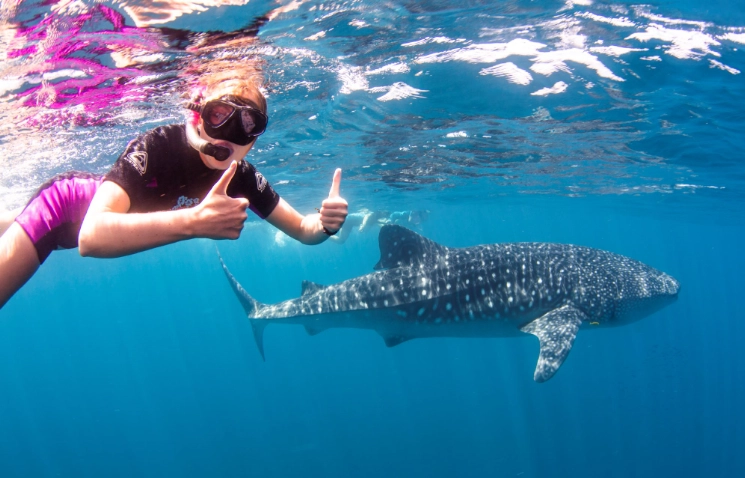
How to Prepare: Your Pre-Trip Checklist
Failing to prepare is preparing for a less-than-awesome day. Here’s what you need to sort out.
Skill & Fitness Level
You need to be a confident swimmer and snorkeler. You don't need to be fast, but you need to be comfortable in deep, open water, potentially with currents. If you've only ever snorkeled in a pool or calm bay, practice in rougher conditions first. The aquarium program is much more forgiving on this front.
Essential Gear (Even if it's Provided)
- Mask & Snorkel: If you have your own that fits perfectly, bring it. A leaking mask ruins the experience. A dry-top snorkel is a nice upgrade.
- Fins: Open-heel fins with booties are often more comfortable for a long day than full-foot fins.
- Wetsuit: Even in summer, a 3mm shorty or full suit provides buoyancy, sun protection, and protects you from occasional jellyfish.
- Sea Sickness Prevention: Take medication the night before and morning of, even if you think you don't need it. Trust me.
What to Pack for the Boat Day
- Reef-safe sunscreen (applied before you get wet)
- Waterproof camera or GoPro (with a floaty handle!)
- Hat, sunglasses, cover-up for sun protection on deck
- Reusable water bottle
- Small towel
- Change of clothes for the ride back
Answering Your Biggest Questions (FAQs)
Making Your Choice and Booking
So, how do you decide? Ask yourself these questions:
- Is a guaranteed encounter important to me, or am I okay with the gamble of the wild?
- What's my comfort level in the open ocean?
- Is education and photography a priority (leaning aquarium), or is raw adventure the goal (leaning wild)?
- What is my budget and time frame?
Once you decide, book early.
Especially for the Florida Aquarium and the best wild tour operators in peak season, spots fill up months in advance. Don't wait until you land in Florida. Do your research, read recent reviews (not just the glowing ones), ask questions directly to the operators, and secure your spot.
Final Thought
Whether you choose the pristine waters of the Florida Aquarium's habitat or the vast blue of the Gulf of Mexico, a swim with whale sharks in Florida is a privilege. It's a chance to connect with a vulnerable species that inspires wonder and underscores the importance of ocean conservation. Go with respect, go prepared, and let the moment sink in. That memory of floating next to a spotted giant, just the two of you in the quiet blue, is one that sticks with you forever.
Reader Comments