You don't need to spend a fortune to get a reliable snorkeling set. The real trick is knowing where the smart compromises are made. After testing dozens of kits and watching beginners struggle with poor gear, I've found that the best value snorkeling sets aren't the absolute cheapest. They're the ones that nail the essentials—a comfortable, leak-free mask and a functional snorkel—without charging for flashy extras you'll never use. Let's cut through the marketing and find the gear that gets you in the water confidently.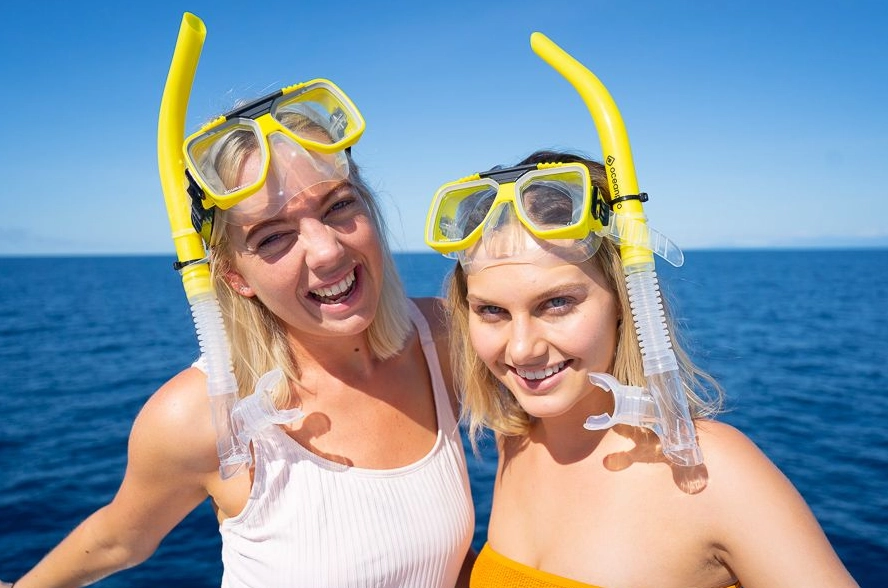
What's Inside This Guide
What Makes a Snorkeling Set a 'Best Value'?
Value isn't just a low price tag. I've seen $30 sets that fall apart after two trips and fog up instantly. A true best value set sits in the sweet spot: typically between $50 and $120. At this range, you get tempered glass lenses (safety first), soft silicone skirts that seal properly, and durable plastics. The snorkel will have a decent purge valve, and the fins will have enough flex to propel you without cramping your feet. You're paying for reliability and comfort, not brand hype.
Think of it as buying tools, not toys. A leaky mask ruins the entire experience. That's the core item you should never cheap out on.
How to Choose the Best Value Snorkeling Set for You
Most kits bundle a mask, snorkel, and fins. Let's break down what to look for in each piece.
The Mask: Fit is Everything (Seriously)
This is non-negotiable. A good fit means the silicone skirt seals comfortably around your entire face—forehead, cheeks, and above your upper lip—without needing the strap to be cranked tight. Here's a pro tip most guides miss: try the mask without the strap. Place it on your face, inhale gently through your nose, and let go. It should stay suctioned to your face for a few seconds before falling. If it doesn't, it's leaking air and will leak water.
Look for a low-volume design (less air space inside) as it's easier to clear if water gets in. Tempered glass is mandatory for safety. Ignore color; focus on the seal.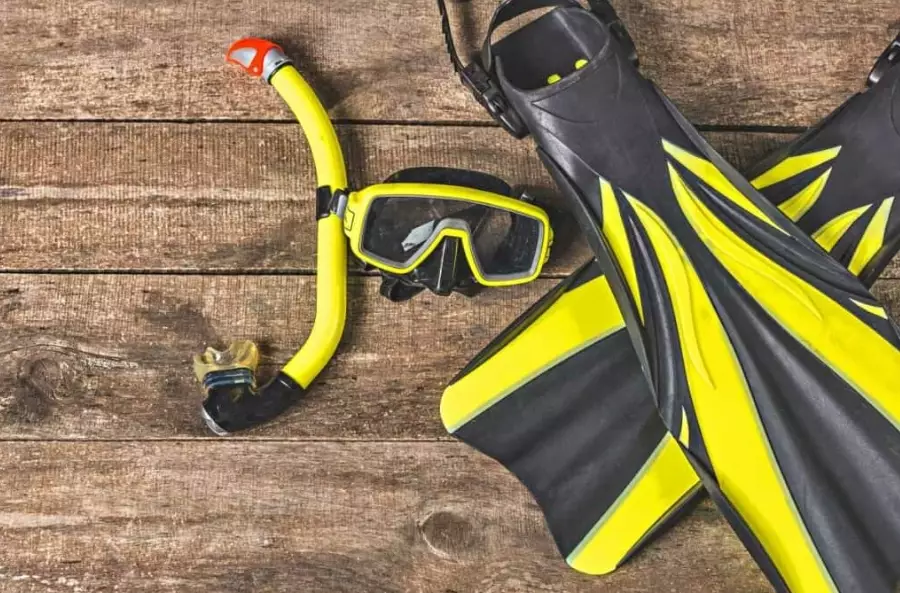
The Snorkel: Simplicity Often Wins
You have three main types: classic J-style, semi-dry, and dry top. For beginners, I lean towards a good semi-dry snorkel. It has a simple splash guard at the top that deflects most waves, is easy to clear, and has fewer mechanical parts to fail than a full dry-top snorkel. Dry-top snorkels are great but add cost and complexity. In calm waters, a semi-dry is perfect.
Ensure the mouthpiece is soft and angled. A purge valve at the bottom lets you blast water out with a sharp exhale—a very handy feature.
The Fins: Full-Foot vs. Open-Heel
For warm-water, casual snorkeling from a beach or boat, full-foot fins (like diving booties) are the best value choice. They're lighter, simpler, and usually come in the set. Just make sure the foot pocket is soft and flexible at the edges to avoid blisters.
Open-heel fins (which require separate booties) are for scuba divers or rocky entries. For 90% of snorkelers, full-foot fins are the way to go. Get a medium flex—too stiff is exhausting, too floppy gives no power.
Top Picks: Best Value Snorkeling Sets Reviewed
Based on durability testing, user feedback, and my own experience guiding trips, these three kits consistently deliver more than their price suggests.
| Product | Best For | Key Features | Price Range |
|---|---|---|---|
| Cressi Palau Short Snorkel Set | First-time buyers & travelers | Ultra-comfortable mask, short dry snorkel, compact fins. | $70 - $90 |
| U.S. Divers Proflex II Snorkel Package | All-around performance & fit variety | Dual-seal skirt on mask, dry snorkel, adjustable fins. | $60 - $80 |
| WildHorn Outfitters Seaview 180° V2 | Maximum underwater vision | Full-face mask with 180° view, integrated dry snorkel top. | $90 - $120 |
1. Cressi Palau Short Snorkel Set: The Travel-Friendly Workhorse
Cressi is a legendary Italian brand, and their Palau set shows why. The mask's skirt is incredibly soft, conforming to various face shapes. The snorkel is their "Dry" model—it works. The real star is the fin: it's short and lightweight, making it a dream to pack. Some power purists scoff at short fins, but for surface snorkeling, they reduce leg strain dramatically.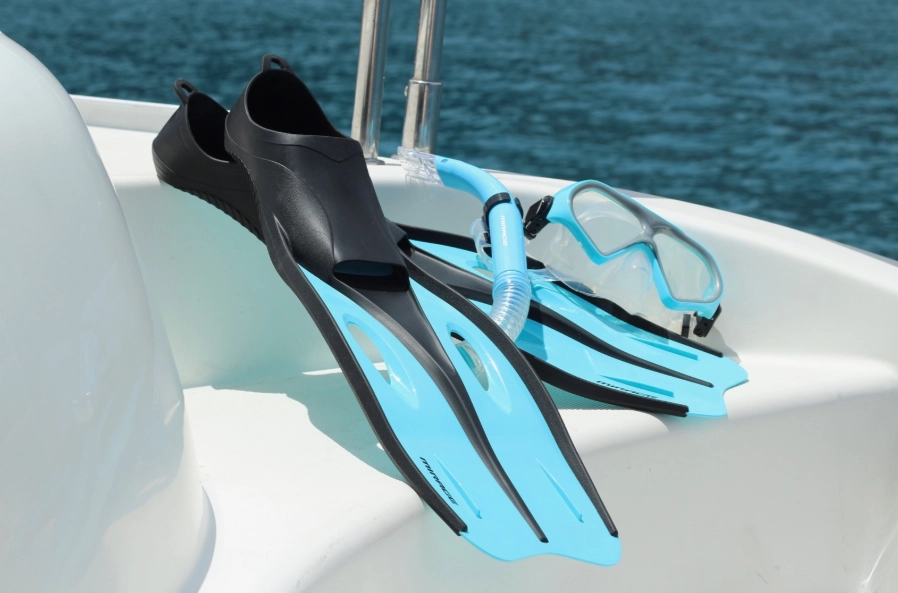
Why it's great value: You're getting a premium brand's attention to comfort and materials at a mid-range price. The compact design saves on baggage fees and hassle.
Watch out for: The snorkel's dry valve can sometimes stick if sand gets in. A quick rinse fixes it.
2. U.S. Divers Proflex II Snorkel Package: The Reliable All-Rounder
U.S. Divers is a massive name, and the Proflex II is their bread-and-butter kit for good reason. The mask has a clever double-feather edge silicone skirt that seals well even on bony faces. The snorkel is a straightforward dry-top design. The fins are adjustable open-heel with a spring strap, which is unusual in a set—great if you're between sizes or want to wear them with thin socks for protection.
Why it's great value: Proven design, excellent fit for many, and the adjustable fin adds versatility. It's widely available and often on sale.
Watch out for: The mask can feel a bit bulky on smaller faces. The dry-top mechanism is basic but effective.
3. WildHorn Outfitters Seaview 180° V2: For Those Who Prioritize View
This is a controversial pick because it's a full-face mask. Traditionalists hate them, but for casual snorkelers who just want to breathe naturally and see everything, they're a game-changer. The Seaview 180° is one of the best-designed ones, with a separate breathing chamber to reduce CO2 buildup (a valid concern with cheap knock-offs). The panoramic view is stunning.
Important Safety Note: You CANNOT dive down with a full-face mask. It's for surface snorkeling only. This is a major limitation but also simplifies the experience.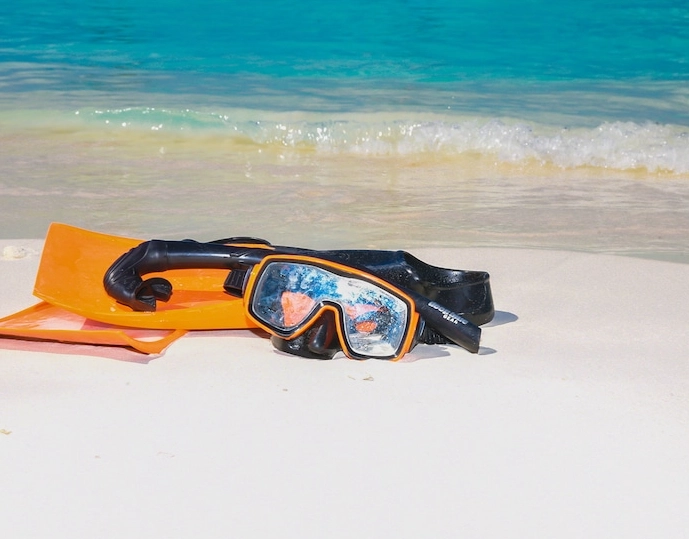
Why it's great value: It solves the two biggest beginner frustrations—fogging and learning to breathe through the mouth—in one package. The experience is incredibly immersive.
Watch out for: Not for diving. Fit is crucial; read sizing guides carefully. Some users report the head straps can be fiddly.
Beyond the Set: Essential Accessories for Your Best Value Kit
Your $80 set can perform like a $200 one with a few smart add-ons.
Defog Gel: Don't use spit. Buy a small bottle of dedicated defogger or use a drop of baby shampoo. Rub it in, rinse lightly, and you're good for hours. This is the single best upgrade.
Snorkeling Vest: Not just for weak swimmers. A simple, inflatable vest (like those from Sea Research) provides buoyancy rest, safety, and peace of mind. It lets you relax completely, which improves your air consumption and enjoyment.
Mesh Gear Bag: Lets your gear drain and dry, preventing mildew. A $15 bag extends the life of your kit.
Common Mistakes to Avoid When Buying 'Value' Snorkel Gear
I've seen these errors cost people their entire trip.
Mistake 1: Prioritizing price over lens quality. If the mask says "safety glass" or doesn't specify tempered glass, walk away. Period.
Mistake 2: Buying a set with a "dry" snorkel that has a complex float valve. Simple splash guards are more reliable. A failed dry valve just becomes a very annoying regular snorkel.
Mistake 3: Not checking the mask skirt in person if possible. Silicone quality varies. Press your thumb into it. It should be supple, not stiff or rubbery.
Mistake 4: Forgetting about travel. Long blades are a pain. Compact or short fins are a blessing.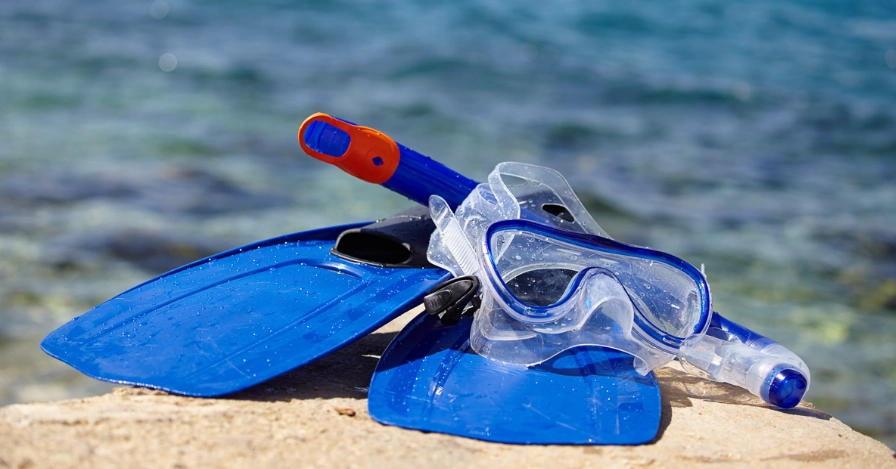
Your Snorkeling Gear Questions Answered
 Can I use swimming goggles for snorkeling?
Reader Comments