Let's be honest. You type "best snorkel gear brands" into Google, and you're hit with a dozen lists that just parrot the same names. Cressi, Aqua Lung, maybe Scubapro. But nobody tells you *why* one brand's mask might be perfect for your face while another leaks like a sieve, or why a $30 snorkel set can sometimes ruin a $3,000 vacation. After years of guiding trips and testing gear from Bonaire to Bali, I've learned the "best" brand is the one that fits *you*—your face, your skill level, and your budget. This guide will break down the top contenders not just by reputation, but by the specific problems they solve (and sometimes create).
Your Quick Snorkel Gear Guide
Choosing the Right Snorkel Gear: What Matters Most?
Before we talk brands, let's talk physics and anatomy. Good gear works with your body. Bad gear fights it. The three core pieces—mask, snorkel, fins—each have a single, critical job.
The Mask: It's All About the Seal
A mask must create a watertight seal around your face. Not just any face, *your* face. The skirt (the soft silicone part) is key. Low-volume masks (less space between your eyes and the glass) are easier to clear of water and offer a wider field of view. High-volume masks are often more comfortable for beginners but can feel bulky.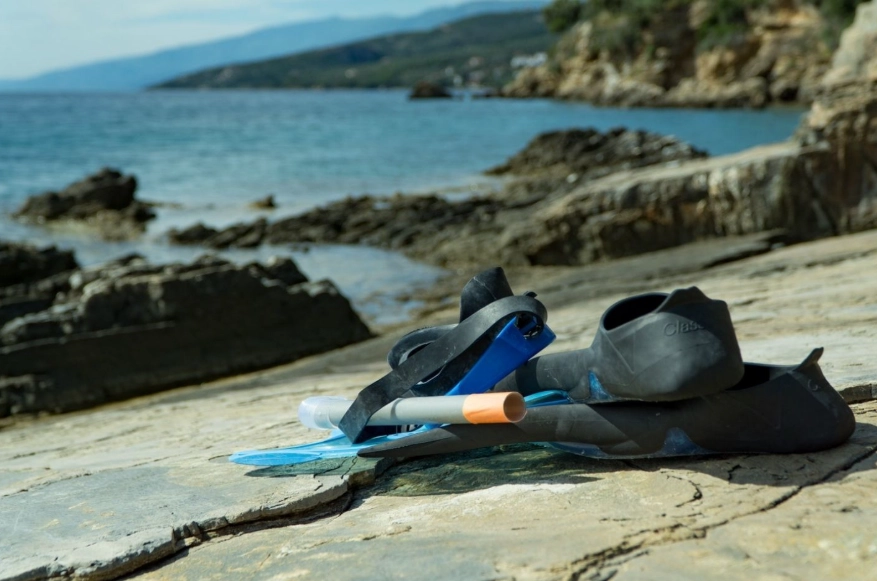
Here's a mistake I see constantly: people suck in their cheeks to test the seal. Wrong. Place the mask on your face without the strap, inhale gently through your nose, and let go. It should stay put with light suction. If it falls, the skirt isn't sealing. Try a different shape or brand.
The Snorkel: Simple is Often Better
You have three main types: classic J-shaped, semi-dry (with a splash guard), and dry (with a float valve that seals when submerged). Dry snorkels are popular with beginners because they promise no water entry. But I've found the valve mechanisms can sometimes stick or create a slight breathing resistance. For active snorkelers who dive down frequently, a simple J-shaped or semi-dry snorkel is often more reliable.
The Fins: Power vs. Comfort
Full-foot fins (like slip-on boots) are standard for warm-water snorkeling. They're lightweight and simple. Open-heel fins (with an adjustable strap) are for colder water where you wear booties. Blade length matters. Longer blades give more power but require more leg strength. Shorter, flexible blades are easier on the calves for casual snorkelers.
Pro Tip Most Guides Miss: Don't overlook your hair. If you have a fringe or facial hair where the mask skirt sits, it will break the seal. A tiny dab of silicone-based lubricant (like Trident Mask Seal) on the hair under the skirt can make the difference between a clear view and a flooded mask. Vaseline degrades silicone, so don't use it.
The Top Snorkel Gear Brands Reviewed
Here’s where we get specific. This table isn't just a list; it's a comparison of who excels at what, based on hands-on use and consistent feedback from students and fellow guides.
| Brand | Best Known For | Ideal For | Considerations |
|---|---|---|---|
| Cressi | Classic, reliable design & exceptional value. Their F1 mask is a benchmark. | Beginners and value-seekers. Great first sets. | Some designs can feel "basic" compared to high-tech brands. Their dry snorkels are very effective. |
| Aqua Lung | Innovative comfort & premium materials. The Liquid Skin skirt is incredibly soft. | Snorkelers with sensitive skin or who struggle with mask comfort. | You pay a premium. Their high-end masks are investments, but the comfort is tangible. |
| Scubapro | Technical performance & durability. Born from scuba diving. | Serious snorkelers who dive down frequently or want gear that lasts decades. | Overkill (and over-budget) for someone who snorkels once a year on vacation. |
| TUSA | Wide field-of-view masks & Japanese engineering precision. | Anyone who wants maximum underwater visibility. The Paragon series is legendary. | Can be harder to find in local shops compared to Cressi or Aqua Lung. |
| Mares |
MaresErgonomic fins and robust construction. Their Avanti Quattro fin is a masterpiece.Snorkelers who prioritize fin performance and efficiency in the water.Their mask range is solid but doesn't always stand out like their fins do.U.S. DiversExtremely affordable full sets & easy availability.The absolute budget-conscious buyer or someone needing a spare set.Quality control can be inconsistent. Fine for a few uses, but don't expect it to last for years.
Let me add a personal note on full face snorkel masks. Brands like Tribord (Decathlon's brand) and Ocean Reef have popularized these. They let you breathe through your nose and mouth. The appeal is obvious, especially for anxious breathers. However, they have drawn safety concerns from organizations like the U.S. Coast Guard regarding CO2 buildup if the one-way valves fail. If you choose one, stick with reputable brands that have clear anti-CO2 design features (like separate air channels), never use them for freediving, and ensure the seal is perfect. For traditionalists, they remain a controversial choice.
How to Choose Your Snorkel Gear: A Practical Guide
Don't just buy a brand. Buy a solution. Follow this decision path.
Step 1: Fit the Mask First. Go to a dive shop, even if you plan to buy online later. Try on every mask that catches your eye. Look down at the floor, look side to side. Does it press uncomfortably on your forehead or bridge of your nose? The skirt should touch your skin evenly all around. If you feel a gap, especially under the nose, it's not your mask.
Step 2: Match the Snorkel to Your Style. Ask yourself: Will I mostly be floating on the surface, or will I be diving down to look under rocks?
- Surface Cruiser: A dry-top snorkel is a good choice for peace of mind.
- Underwater Explorer: A simple semi-dry or J-snorkel is less fuss when you're constantly going up and down.
Step 3: Select Fins for Your Fitness. Be realistic about your leg strength. If you're not a regular swimmer, stiff, long fins will cramp your calves within 30 minutes. Softer, shorter fins are forgiving. Remember, the goal is effortless propulsion, not a leg workout.
Step 4: Consider the Bundle. Buying a set (mask, snorkel, fin bag) from one brand like Cressi or Aqua Lung is cost-effective and ensures color coordination. But don't be afraid to mix and match. Your perfect mask might be from TUSA, your favorite fins from Mares, and a simple snorkel from Cressi.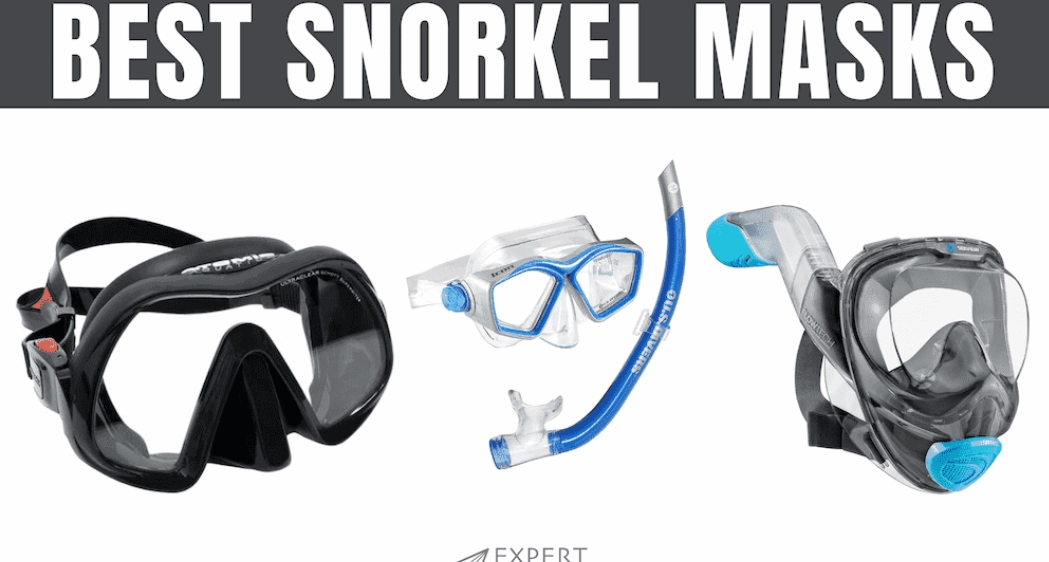
Reader Comments