That first glimpse of turquoise water through your mask is pure magic. Fish darting through coral, the sun casting rays through the depths. It's why we snorkel. But between you and that magic often lies a powerful, invisible force that doesn't care about your vacation plans: the rip current. I learned this the hard way years ago in Costa Rica, thinking my strong swimming skills were enough. They weren't. I got tired, fast, and panic started to creep in. That experience changed how I approach every single snorkel spot.
Rip currents are the number one safety threat at surf beaches worldwide, according to the United States Lifesaving Association. For snorkelers, the risk is compounded. You're focused downward, your breathing is rhythmic through a tube, and you might be far from shore. Understanding rip currents isn't just a good tip—it's the foundational skill for safe snorkeling in the ocean.
In this article, you'll learn:
- What a Rip Current Really Is (It's Not an Undertow)
- How to Spot a Rip Current Before You Get In the Water
- The Only Rip Current Escape Strategy That Works
- Snorkeler-Specific Risks and Gear Considerations
- Putting It All Together: A Safe Snorkeling Routine
- Your Rip Current and Snorkeling Questions Answered
What Is a Rip Current? (And What It Definitely Is Not)
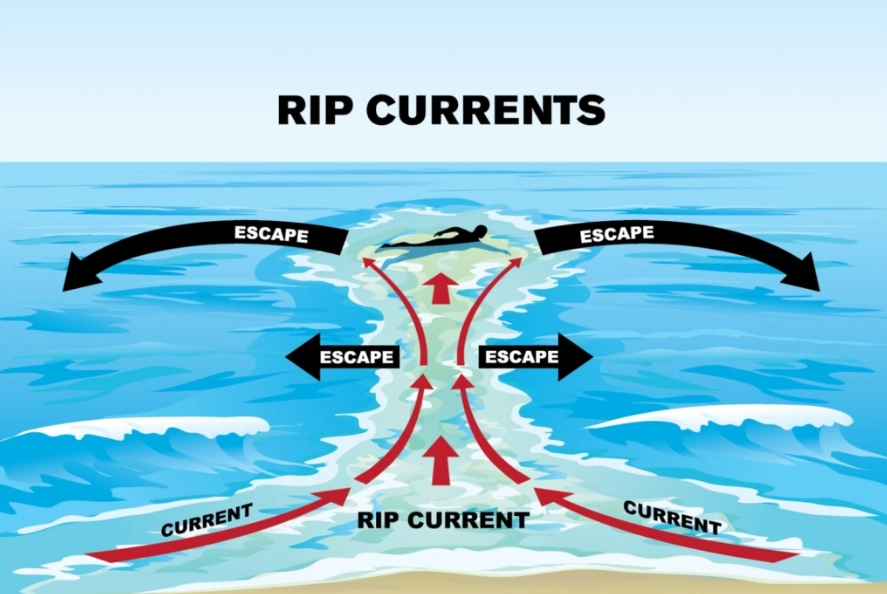
Let's clear up the biggest misconception first. A rip current is not an undertow. An undertow pulls you under the water. A rip current pulls you out, away from the beach, on the surface. It's a fast-moving, narrow channel of water flowing seaward, like a river within the ocean.
Here's how it forms: Waves push water up onto the shore. That water has to find a way back out. It funnels through the path of least resistance—often a break in a sandbar or near a rock structure—and rushes back to sea. This creates a current that can travel up to 8 feet per second. That's faster than an Olympic swimmer.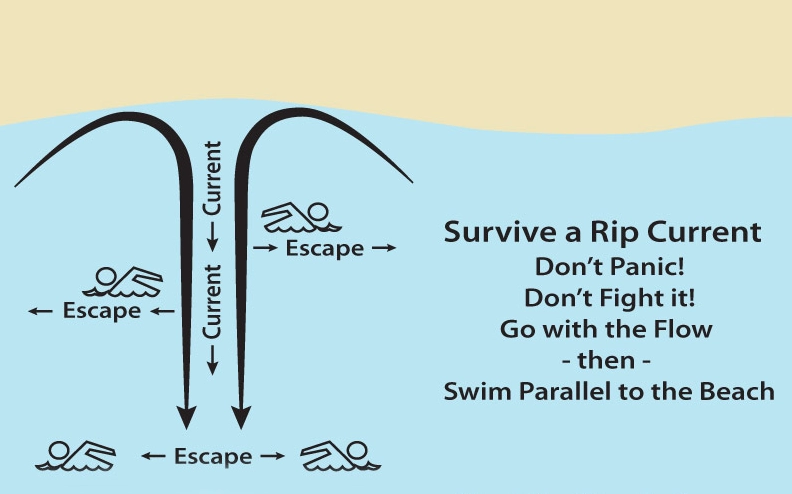
How to Spot a Rip Current: A Snorkeler's Visual Checklist
Before you even put a fin in the water, spend 5-10 minutes observing. This is non-negotiable. Look for these telltale signs. It's easier than you think once you know what to look for.
| What to Look For | Why It Signals a Rip | Common Snorkeling Spots Where This Appears |
|---|---|---|
| A channel of churning, choppy water | The water is turbulent as it flows out against incoming waves. | Between calm, popular snorkeling areas. You might see two calm zones with a choppy strip between them. |
| A difference in water color | The channel is often deeper, so it looks darker (less sand reflecting light) or murkier (sand being carried out). | Over sand bottoms, especially. A dark blue or brown "river" cutting through lighter aqua water is a major red flag. |
| A line of foam, seaweed, or debris moving steadily seaward | The current is carrying surface material out with it. | After high tide or a storm. Watch if bubbles or floating leaves are moving out, not in. |
| A break in the incoming wave pattern | Waves may not be breaking as consistently in the rip channel because the water is deeper. | Look for a "gap" in the line of white surf. The waves might be smaller or non-existent in one specific lane. |
I was at Hanauma Bay in Oahu once, a famous snorkel spot. Everyone was entering the water in two calm-looking areas. The lifeguard was loudly directing people to stay out of the murky, choppy corridor right between them. That corridor was a textbook rip. Most snorkelers, fixated on the fish, didn't even notice it.
The Rip Current Escape Strategy: Don't Fight, Swim Smart
So you're snorkeling, look up, and realize you're being pulled out. Your heart races. Here's exactly what to do, in order. Practice mentally rehearsing these steps.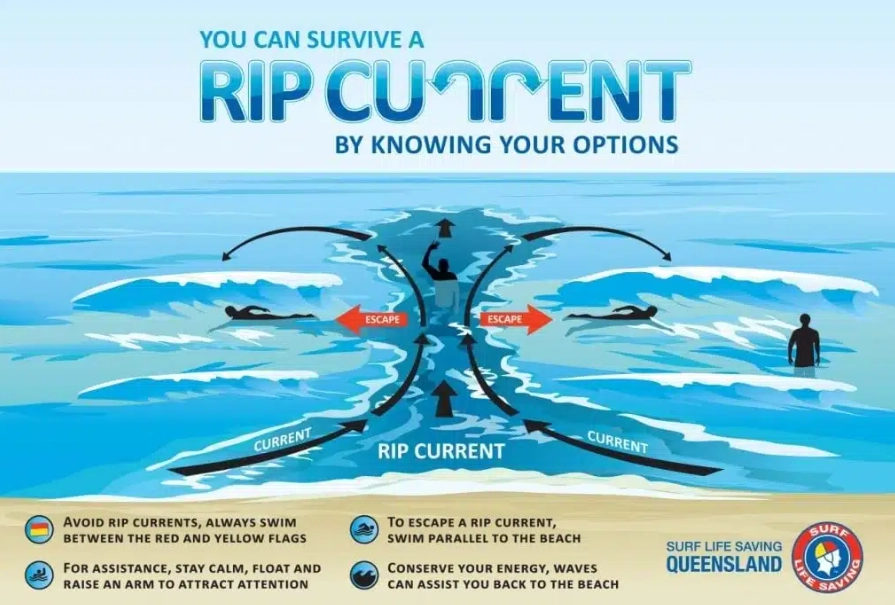
Step 1: Stay Calm and Conserve Energy
Panic kills. The rip won't pull you under. It will just float you out. If you have a flotation device (like a snorkel vest), now is the time to inflate it fully. Signal to your buddy. Treading water is okay for a moment while you get your bearings.
Step 2: Don't Swim Against It
This is critical. Stop trying to swim straight back. You'll burn all your energy and get nowhere. The current is stronger than you.
Step 3: Swim Parallel to the Shore
Rip currents are typically narrow, from 10 to 100 feet wide. Swim sideways, parallel to the beach. Use a strong but steady pace. Don't sprint. Which direction? Look at the shore. If the current is pulling you to the right relative to the beach, swim left, or vice versa. If you're unsure, just pick a direction and go.
Step 4: Swim Back In at an Angle
Once you feel the pull of the current lessen—you'll feel it—you've escaped the channel. Now you can swim back toward shore. Angle your swim so you're not immediately re-entering the rip. If you're tired, float and wave for help. Conserve energy.
Let me be blunt: the advice "swim parallel" is everywhere, but most people fail because they try to do it while in full panic mode, flailing. The key is the mental shift from "I must get back NOW" to "I need to exit this highway first."
Why Snorkelers Are at Higher Risk: Gear and Focus
Swimmers just see the surface. Snorkelers have a unique set of vulnerabilities.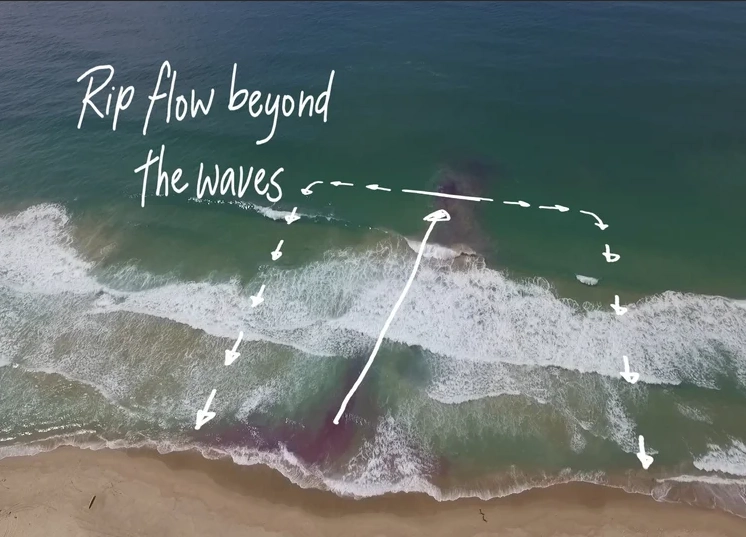
The Downward Gaze: We spend 90% of our time looking at the reef, not at the shoreline or the surface conditions. You can drift 100 yards in a rip without noticing if you're mesmerized by a turtle. Discipline yourself to look up and check your position every 30-45 seconds.
Snorkel Gear as a Hazard: A flooded snorkel can cause a sudden panic gasp. In a rip, that's dangerous. Practice clearing your snorkel calmly before your trip. A dry-top snorkel can help beginners. Also, long fins are great for propulsion but can cramp in a prolonged swim. Know how to kick efficiently.
Overestimation of Ability: "I have fins, I'm fine." Fins help, but they don't make you immune to a 5 mph current. They also create a false sense of security that leads people farther out than they should go.
Putting It All Together: Your Pre-Snorkel Safety Routine
This isn't about fear; it's about a smart routine that lets you relax and enjoy the water. Here's mine, refined over 15 years.
1. The Pre-Entry Briefing: Talk to the lifeguard. No lifeguard? That's a major risk factor. Check official resources like the National Weather Service for beach hazard statements. Observe for 10 minutes.
2. Entry and Exit Planning: Choose your entry point away from any suspicious channels. Mentally note your exit point on the beach (a distinctive palm tree, a red umbrella). They all look the same from the water.
3. The Buddy System, For Real: Stay within 10-15 feet of your buddy. Agree on a hand signal for "current pulling us" (a flat hand moving sideways is good).
4. The Constant Position Check: Every few breaths, look up. Glance at the shore. Are you moving sideways or out? Adjust early.
5. Know Your Limits: If you're tired, cold, or the conditions seem to be changing (wind picking up, waves building), get out. The rip currents often get stronger as the tide changes.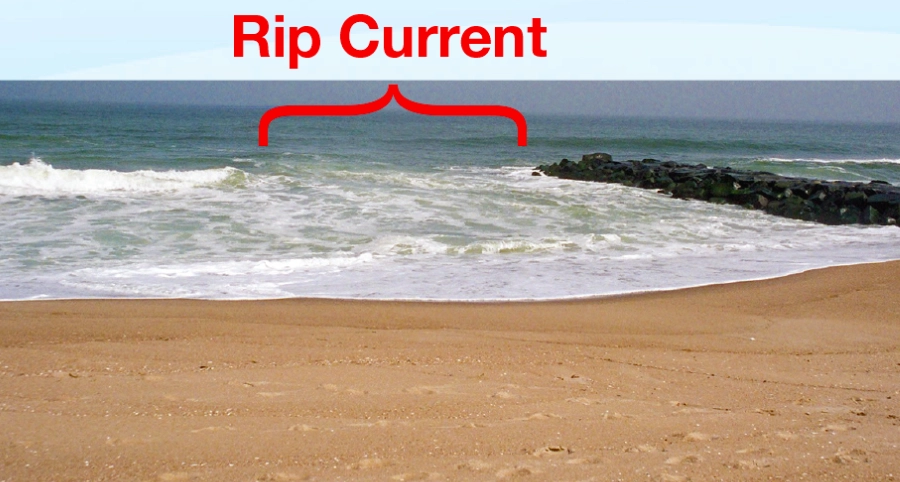
Your Rip Current and Snorkeling Questions Answered
Can a rip current pull you under while you're snorkeling?
Should I ditch my snorkel and mask if caught in a rip?
Are inflatable snorkel vests worth it for rip current safety?
 How far out will a rip current take me?
I'm snorkeling with kids. What extra precautions should I take?
Reader Comments