Let's cut to the chase. Asking for the single "best" snorkeling flotation device is like asking for the best shoe—it completely depends on who's wearing it and where they're going. A seasoned swimmer exploring a calm bay has different needs from a first-timer in choppy ocean water. After years of guiding trips and seeing what works (and what leads to panic), I can tell you the best device is the one that matches your skill level, boosts your confidence, and keeps you safe without ruining the fun. Forget one-size-fits-all answers. We're going to break down the real contenders so you can make a smart choice.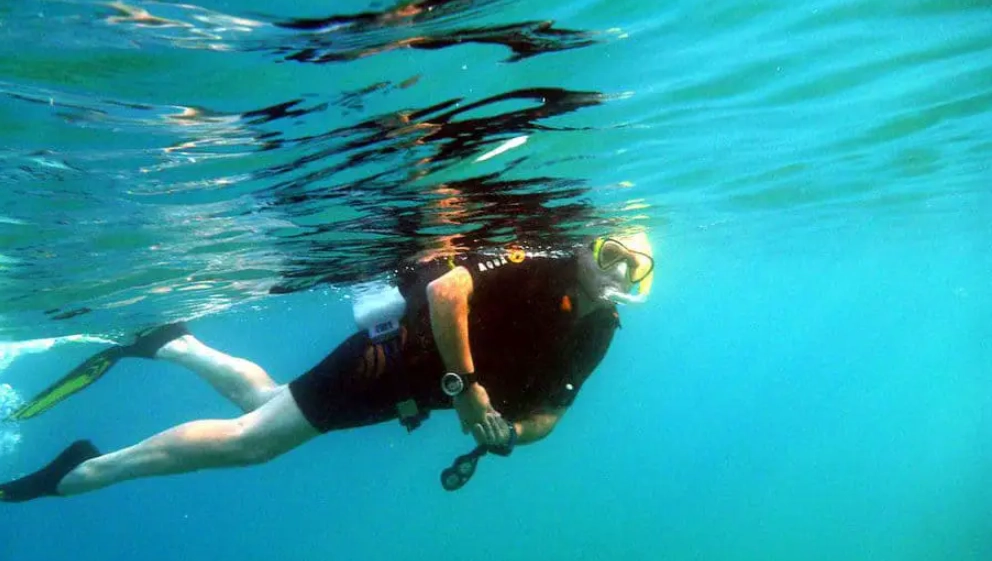
What's Inside: Your Quick Guide
Understanding Flotation: More Than Just Staying Afloat
Most people think a flotation device is just for beginners who can't swim. That's a dangerous misconception. Even strong swimmers use them. Why? Snorkeling is different from pool laps. You're looking down, breathing through a tube, and can get distracted by fish. Cramps happen. Currents shift. The primary purpose of a good snorkeling flotation aid isn't to prevent drowning—it's to conserve energy and provide psychological security. It lets you relax completely, which is when the magic happens. You float effortlessly, your breathing slows, and you become part of the underwater world. Organizations like PADI emphasize that proper buoyancy is a fundamental skill for all levels of aquatic exploration.
I've seen confident pool swimmers seize up in open water because they underestimated the need for buoyancy support. A little extra float changes everything.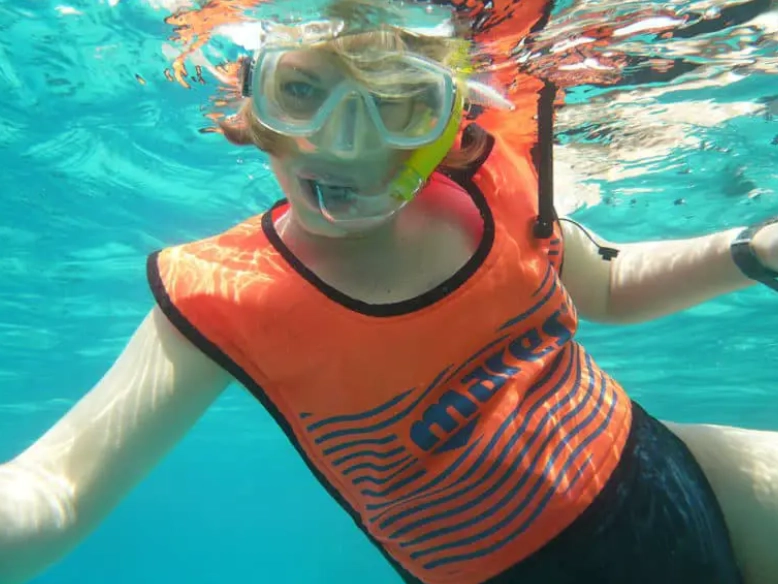
The Contenders: A Side-by-Side Comparison
We'll focus on the three most practical and popular options for recreational snorkeling. Life jackets designed for boating are not suitable here—they're too bulky and often force you into a face-up position, making it impossible to look down.
| Device Type | How It Works | Biggest Pros | Biggest Cons | Best For... |
|---|---|---|---|---|
| Snorkeling Vest (Snorkel Vest) | Manual or oral inflation for adjustable buoyancy. Worn like a sleeveless jacket. | Adjustable buoyancy, high safety factor, easy to don/doff in water. | Can feel restrictive, requires conscious inflation/deflation. | Beginners, weak swimmers, anxious snorkelers, variable water conditions. |
| Buoyancy Belt / Snorkeling Belt | Foam panels or an inflatable bladder worn around the waist. | Freedom of movement, unobtrusive, provides horizontal float. | Limited lift, not for non-swimmers, can ride up. | Confident swimmers who want minimal gear, long snorkel sessions. |
| Floatation Foam (Pool Noodle / Swim Buoy) | A simple cylinder of closed-cell foam. Tucked under arms or chest. | Dirt cheap, versatile, zero maintenance, great for kids in pools. | Poor security in waves, easy to drop, limited buoyancy. | Confident swimmers in very calm, protected waters (like lagoons). Budget option. |
That table gives you the overview. Now let's get into the nitty-gritty details you won't find on a product box.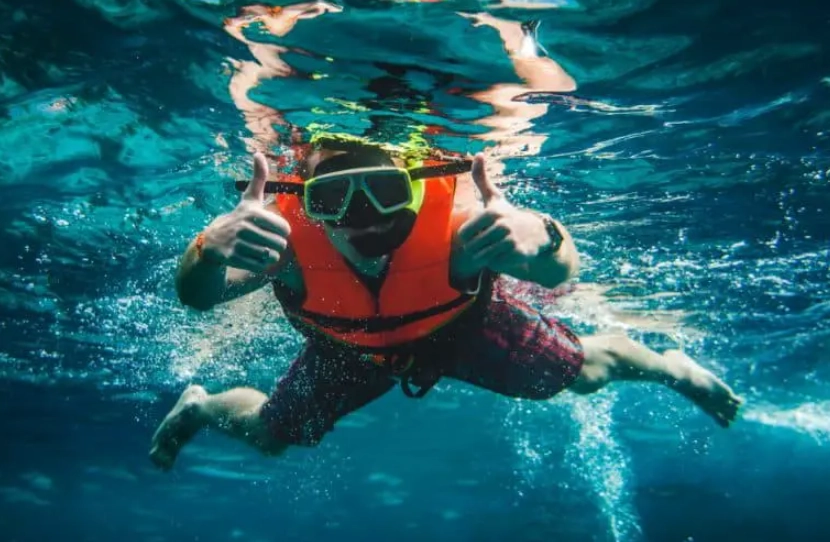
How to Choose the Right Snorkeling Flotation Device?
This is where your personal situation matters most. Let's walk through each option with a critical eye.
The Snorkeling Vest: The Security Blanket
If you're new, nervous, or not a strong swimmer, this is your winner. Modern snorkel vests are low-profile. You inflate them with a few breaths via a tube once you're in the water (manual) or they have a CO2 cartridge for instant inflation (automatic). The manual ones are more common and reliable.
What nobody tells you: Don't over-inflate it. You want just enough air so your chin stays easily above water when you're vertical and relaxed. Over-inflation makes you bob like a cork and strains your neck. A slightly under-inflated vest gives you more freedom to dive down a foot or two to get a closer look at something.
Look for vests with a quick-release buckle (not just zippers) and a safety whistle. Brands like Cressi and SeaSense make dependable models in the $30-$60 range. The cheap $15 ones often have brittle plastic buckles that fail—a risk not worth taking.
The Buoyancy Belt: The Minimalist's Choice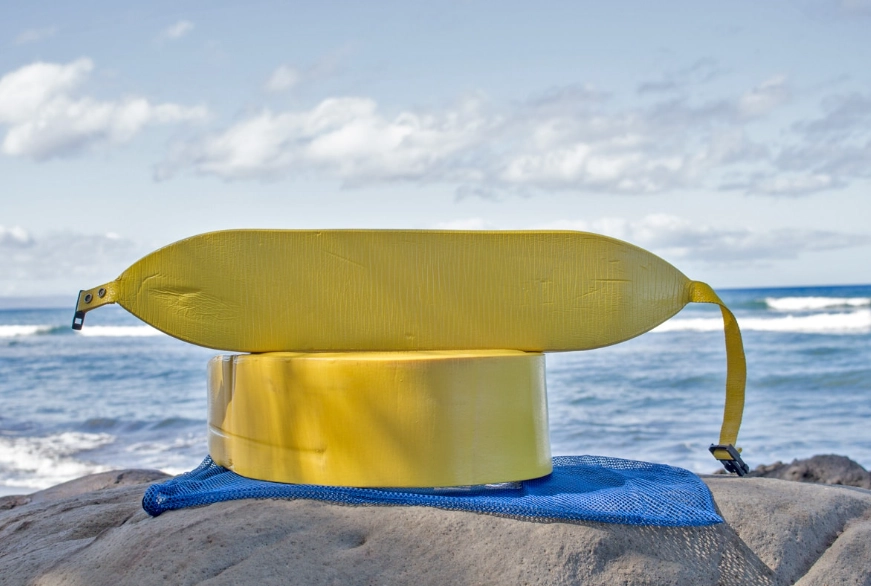
This is my personal go-to for most recreational snorkels. It's a wide belt with foam panels or an air bladder. When you lie face-down, it keeps your legs up and provides a stable, horizontal floating platform. It feels like you're lying on a invisible mattress.
The catch: It offers supplemental buoyancy, not life-saving lift. You must be comfortable in the water and able to tread water without it. I've seen people buy these thinking they're a magic fix, then panic when they realize they still need to swim. The fit is crucial—it should be snug on your waist, not your hips. If it rides up, it's useless.
For travel, the inflatable bladder types (like the Scorkl) pack down tiny. The foam ones (like classic swim belts) are bombproof but bulkier.
The Humble Pool Noodle & Swim Buoy
Let's be real. A pool noodle is not proper gear for open water snorkeling. It's a toy. But, for a strong swimmer in the calm, shallow, turquoise waters of a place like Hanauma Bay? Sure, tucking one under your chest can give a nice rest. A swim buoy (a dry bag towed on a waist strap) is a better alternative—it provides visibility to boats and can hold your keys.
What Are the Most Common Mistakes When Using Flotation Aids?
Even with the right gear, people mess up. Here's what I see constantly.
1. The "Set It and Forget It" Mindset. You inflate your vest at the start and never adjust. As you tire or conditions change, your buoyancy needs change. Get in the habit of adding or releasing a little air.
2. Ignoring the Fit. A vest that's too big will float up around your ears. A belt that's too loose is just dead weight. Adjust everything on land before you get wet.
3. Over-reliance Leading to Skill Degradation. This is a subtle one. If you use a vest every single time, you never learn to control your breath to achieve neutral buoyancy naturally. Try snorkeling without it (in a safe, shallow area) occasionally to hone that skill.
4. Poor Maintenance. Saltwater and sun destroy gear. Rinse your inflatable vest or belt with fresh water after every use. Check for leaks by inflating it and listening/feeling before a big trip. A failed bladder on vacation is a trip-ruiner.
Beyond the Device: Essential Snorkeling Safety Tips
Your flotation device is one piece of the safety puzzle. These rules are non-negotiable.
- Never Snorkel Alone. The buddy system is law. Watch each other.
- Check Conditions. Look at flags, talk to lifeguards. A calm beach can have a dangerous rip current. Resources like the National Weather Service provide marine forecasts.
- Conserve Energy. Swim slowly, use fins efficiently, and float often. Exhaustion sneaks up.
- Defog Your Mask Properly. Spit, rub, rinse. A clear mask prevents disorientation. Baby shampoo works better than spit, in my opinion.
- Sun Protection is a Safety Issue. A rash guard is better than sunscreen that washes into the reef. Dehydration and sunburn can end your day fast.
Remember, the goal is to have so much fun you forget you're even wearing safety gear. That's when you know you chose right.
Your Questions, Answered
Can I use a standard life jacket instead of a snorkel vest?
I strongly advise against it. Traditional life jackets are designed to roll you onto your back to keep your airway clear—exactly the opposite of what you need to look underwater. They are bulky, restrict arm movement, and can be dangerously cumbersome if you need to swim. A snorkel vest is purpose-built for face-down exploration.
My tour operator provides vests. Should I still bring my own?
If you're a beginner or have specific concerns, bringing your own is a smart move. Rental gear can be worn out, poorly sized, or missing parts. Having a vest you've practiced with and trust removes a huge variable from your experience. For confident swimmers, the provided gear is usually fine, but always inspect it thoroughly before getting in the water.
How much buoyancy do I actually need? Is more always better?
More is not better. Excess buoyancy makes it hard to duck below the surface, fight a current if needed, or simply stay in a comfortable horizontal position. You're aiming for neutral positive buoyancy—enough to keep you afloat with minimal effort, but not so much that you feel like you're fighting the device. Start with less air; you can always add more.
 Are inflatable arm bands or "water wings" okay for kids who are snorkeling?
For very young children in a confined, shallow, and calm area (like a pool or a sandy toddler beach), they can be a temporary aid under constant, touch-distance supervision. For any real snorkeling, they are inadequate. They restrict arm movement, can deflate or slip off, and don't teach proper swimming posture. A properly fitted child's snorkel vest is a far safer and more effective investment.
I'm a good swimmer but get tired. Will a belt be enough, or do I need a vest?
A buoyancy belt is likely perfect for you. The fatigue you feel is often from constantly kicking to keep your legs up. A belt solves that precisely, giving you that "invisible mattress" support. It provides rest without the encumbrance of a vest. Try one in a pool first to see how it feels. For most fit swimmers who just want to extend their time in the water, the belt hits the sweet spot.
Reader Comments