Snorkeling tours can be the highlight of any vacation, but let's be honest – they can also be a letdown if you don't know what you're doing. I've been on dozens of tours over the past decade, from crowded boat trips to hidden gems, and I've learned that a great experience boils down to three things: picking the right destination, having the proper gear, and avoiding common pitfalls. This guide cuts through the noise to give you the real deal on planning a snorkeling tour that actually delivers.
Your Quick Dive Plan
How to Choose the Perfect Snorkeling Tour for Your Skill Level
Not all snorkeling tours are created equal. I once booked a "beginner-friendly" tour that dumped us in choppy water with minimal instruction – not fun. Here's how to match the tour to your comfort zone.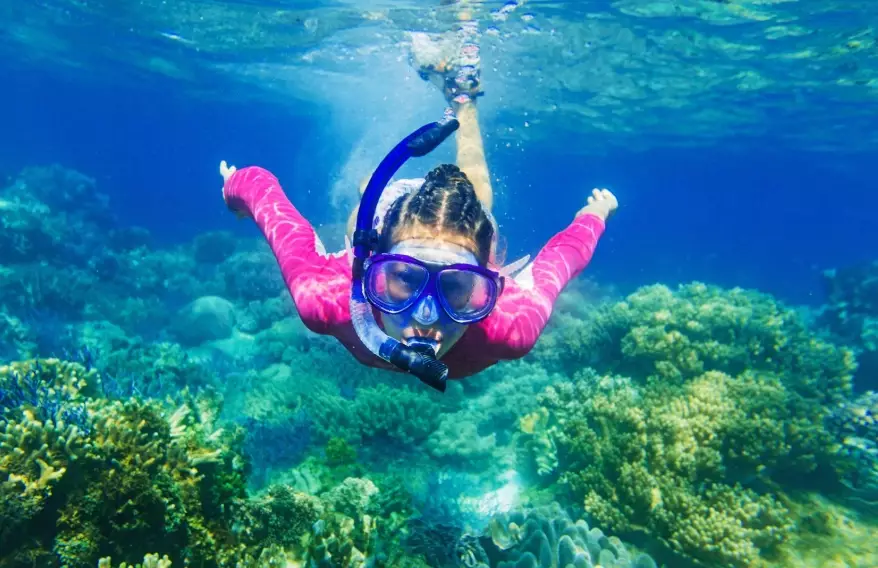
For Beginners: Calm Waters and Guided Support
Look for tours that explicitly mention "calm bays," "guided snorkeling," or "shallow reefs." Operators like those in Hawaii's Hanauma Bay often provide floatation devices and briefings. Check if the tour includes a guide in the water – it makes a huge difference for safety and spotting marine life. Avoid tours with long boat rides if you're prone to seasickness; stick to shore-based options.
For Experienced Snorkelers: Advanced Sites and Freedom
If you're confident in the water, seek out tours that access drift snorkeling spots or remote reefs. In places like the Great Barrier Reef, some operators offer "semi-guided" tours where you can explore independently but with a safety boat nearby. Read reviews to see if the tour allows enough time at each site – I've seen tours rush through amazing spots just to stick to a schedule.
Top 5 Snorkeling Tour Destinations You Can't Miss
Here are my top picks based on accessibility, marine life, and tour quality. I've included practical details so you can plan straight away.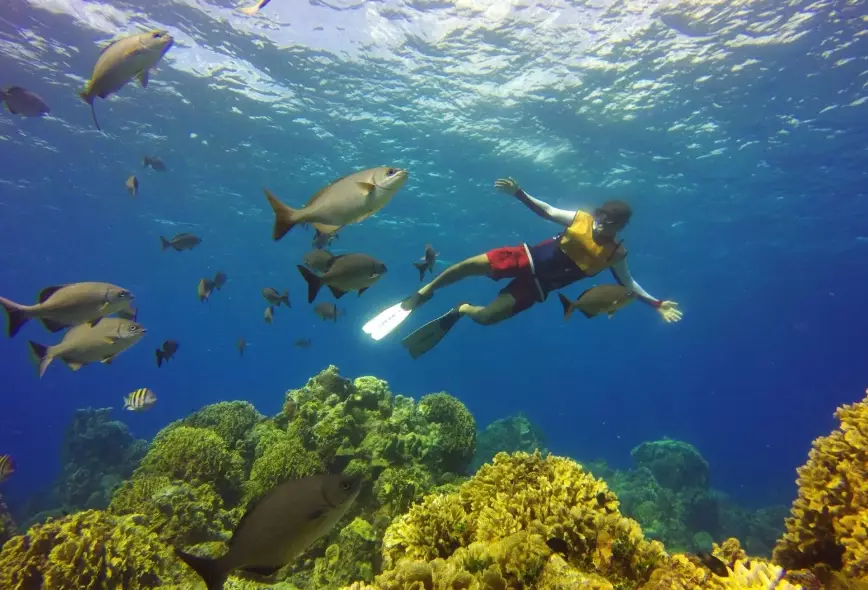
Pro tip: Always book tours directly with local operators when possible – they often have better prices and more flexible schedules than big aggregator sites.
Great Barrier Reef, Australia
Address: Tours depart from Cairns or Port Douglas, Queensland. Most operators are located at the Marlin Marina in Cairns.
Best time to visit: June to October for clear water and mild weather.
Tour recommendations: Look for smaller boats like "Ocean Freedom" or "Passions of Paradise" – they visit less crowded sites. A full-day tour costs around $200 AUD and includes gear, meals, and guided snorkeling.
How to get there: Fly into Cairns Airport (CNS), then take a taxi or shuttle to the marina. Tours usually start at 8 AM and return by 5 PM.
Maldives
Address: Most resorts offer tours, but independent operators are in Male' (the capital) or Maafushi Island.
Best time: November to April for dry season and better visibility.
Tour recommendations: "Male' Water Sports" for budget-friendly group tours, or resort-based private tours. Expect to pay $50-150 USD for a half-day trip.
How to get there: International flights to Velana International Airport (MLE), then a speedboat or domestic flight to your island. Tours often include pickup.
Hawaii, USA
Address: Popular spots include Hanauma Bay (Oahu) and Molokini Crater (Maui). Tours depart from harbors like Lahaina or Kona.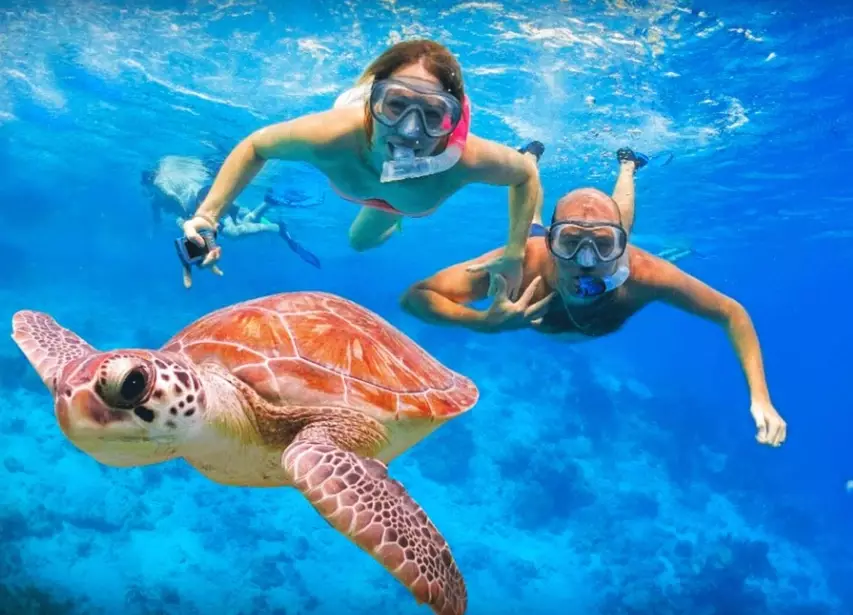
Best time: Year-round, but April to October has calmer seas.
Tour recommendations: For families, "Hanauma Bay Snorkeling Tours" offer easy access. For adventure, "Maui Dive Shop" runs Molokini trips. Prices range from $80 to $150 USD.
How to get there: Rent a car or use ride-sharing; parking at Hanauma Bay costs $3 and opens at 6 AM. Boat tours depart around 7 AM.
Belize Barrier Reef
Address: Tours leave from San Pedro (Ambergris Caye) or Caye Caulker.
Best time: March to June for warm water and less rain.
Tour recommendations: "Seahorse Dive Shop" in San Pedro is reliable. A full-day tour to Hol Chan Marine Reserve costs about $100 USD including park fees.
How to get there: Fly to Belize City (BZE), then a short flight or water taxi to the cayes. Tours start early, around 8 AM.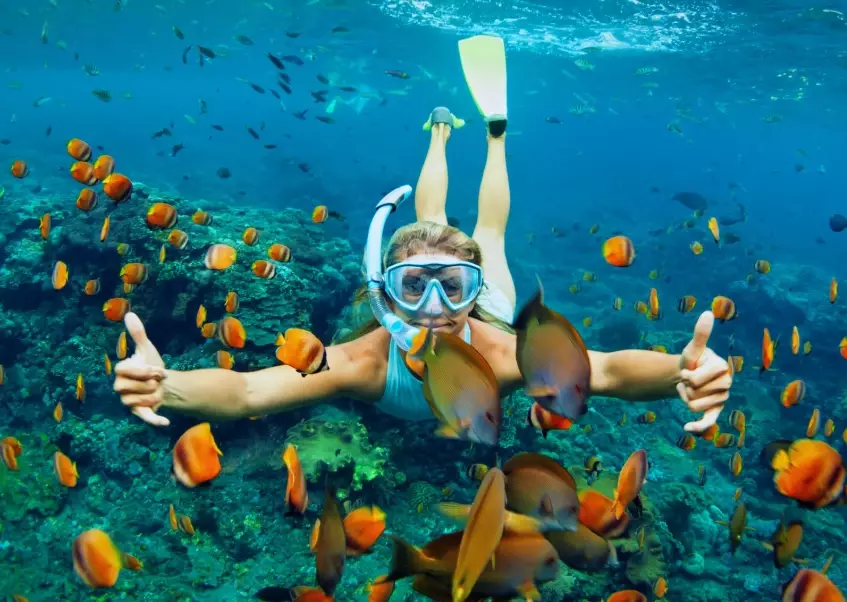
Thailand's Similan Islands
Address: Tours depart from Phuket or Khao Lak.
Best time: November to April when the islands are open.
Tour recommendations: "Similan Islands Tour" companies like "Wicked Diving" focus on eco-friendly practices. A day trip costs $120-180 USD.
How to get there: Fly to Phuket International Airport (HKT), then a bus or taxi to the pier. Tours often include pickup from hotels.
Essential Gear for Snorkeling Tours: What to Bring and What to Rent
Most tours provide basic gear, but relying solely on rental equipment can ruin your day. I've had masks that fogged up instantly and fins that didn't fit – here's how to avoid that.
| Gear Item | Buy vs Rent | Why It Matters |
|---|---|---|
| Mask | Buy if you snorkel often | A proper fit prevents leaks and fogging. Test it by pressing it to your face without the strap – it should suction slightly. |
| Snorkel | Rent is fine for beginners | Look for a dry-top snorkel to keep water out. Some tours provide these, but bring your own if you prefer. |
| Fins | Rent for occasional use | Ensure they fit snugly but not tight. Open-heel fins with adjustable straps are better than full-foot ones for tours. |
| Rash Guard | Buy recommended | Protects from sun and jellyfish stings. I never go without one – it's a game-changer for comfort. |
| Underwater Camera | Rent or buy based on budget | GoPros are popular, but some tours offer rentals for $20-30 per day. Check if the tour has photography add-ons. |
Pack a small dry bag for your phone and wallet. Tours often have storage on board, but it's not always secure.
Planning Your Snorkeling Tour: A Step-by-Step Checklist
Let's walk through a typical tour day. Imagine you're heading to a spot like Molokini Crater – here's what to expect.
One Month Before: Research and book your tour. Read reviews on TripAdvisor or Google, focusing on recent posts. Contact the operator to ask about group size – smaller groups mean more personal attention. I once ended up on a boat with 50 people; it felt like a floating party, not a snorkeling trip.
One Week Before: Check the weather forecast. If storms are predicted, see if the operator has a flexible cancellation policy. Pack your gear and do a test fit. Don't forget sunscreen (reef-safe only!) and motion sickness pills if needed.
Tour Day Morning: Arrive at the meeting point 30 minutes early. Eat a light breakfast – avoid heavy foods that might upset your stomach. Wear your swimsuit under comfortable clothes. Bring cash for tips; guides appreciate it.
On the Boat: Listen to the safety briefing, even if you've heard it before. Ask questions if anything is unclear. I've seen people ignore this and then struggle with equipment later.
In the Water: Start slowly to acclimate. Breathe deeply through the snorkel – panic breathing leads to fogging. Stay with the group or within sight of the guide.
After the Tour: Rinse your gear with fresh water. Tip the crew if you had a good experience. Most tours return by mid-afternoon, so plan a relaxed evening.
Common Mistakes to Avoid on Snorkeling Tours (From a 10-Year Veteran)
Everyone talks about what to do, but here are the subtle errors I've made or seen others make.
Overestimating your fitness: Snorkeling looks easy, but swimming against current can exhaust you quickly. Choose tours that match your swimming ability. I once pushed myself too hard and missed half the tour due to fatigue.
Ignoring the fine print: Some tours charge extra for gear or park fees. Read the booking details carefully. A cheap tour might end up costing more with hidden add-ons.
Touching marine life: It's tempting, but it harms the ecosystem and can get you fined. Guides will point this out, but I've seen tourists ignore it – don't be that person.
Not hydrating enough: Sun and saltwater dehydrate you fast. Bring a water bottle on board, even if the tour provides drinks.
Relying solely on the guide for sightings: Guides are great, but sometimes they miss things. Keep your eyes open; I've spotted sea turtles that the guide overlooked because I was looking in a different direction.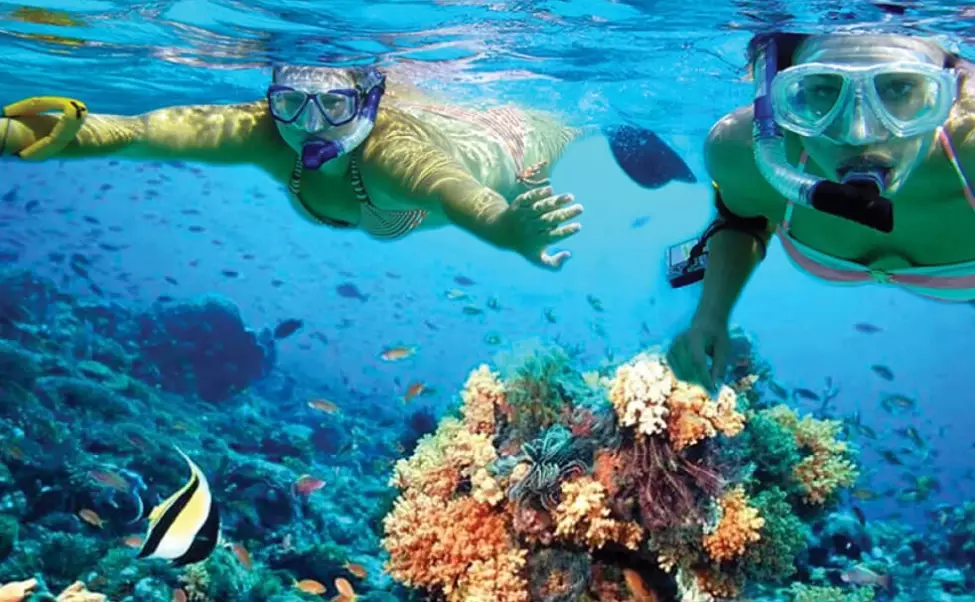
Snorkeling Tour FAQs Answered by an Expert
Snorkeling tours are about more than just seeing fish – they're a chance to connect with the ocean. With the right planning, you'll have stories to tell for years. Start by picking a destination that excites you, gear up smartly, and dive in with an open mind. The sea is waiting.
Reader Comments