I remember my first real snorkeling trip in Hawaii, years ago. The water was clear, the fish were dazzling... and a plastic bag wafted past my mask, wrapping itself around a branch of coral. That moment shifted something for me. It wasn't enough to just observe the ocean anymore. I wanted my presence in it to be part of the solution, not the problem. That journey led me down a rabbit hole of researching, testing, and ultimately choosing snorkeling equipment designed for ocean conservation. It’s not about buying more stuff; it’s about buying the right stuff.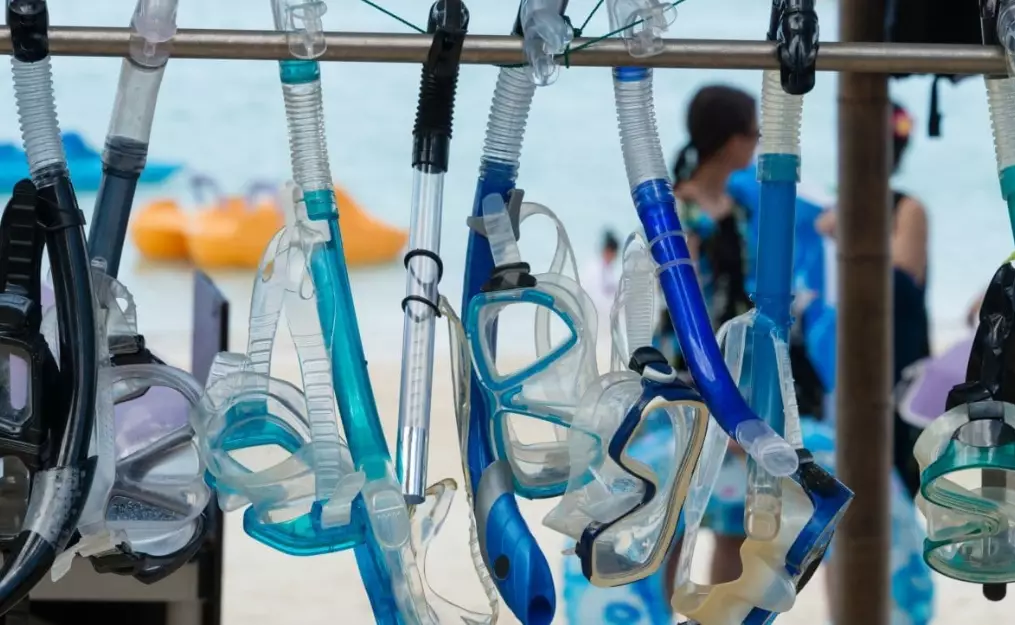
The right gear does two things: it drastically reduces your direct environmental footprint, and it can actively turn your snorkeling session into a citizen science mission. Most guides talk about fit and comfort (which are vital), but few connect the dots between the materials in your mask strap and the health of a reef system. Let's fix that.
What's Inside: Your Quick Gear Guide
Why Your Gear Choice Directly Impacts the Ocean
Think of it this way: every piece of equipment is an interface between you and a fragile ecosystem. A poorly chosen item isn't just a personal inconvenience; it can cause real harm. The classic example is chemical sunscreen, which a study published by the National Oceanic and Atmospheric Administration (NOAA) has shown contains compounds that cause coral bleaching. But it goes deeper.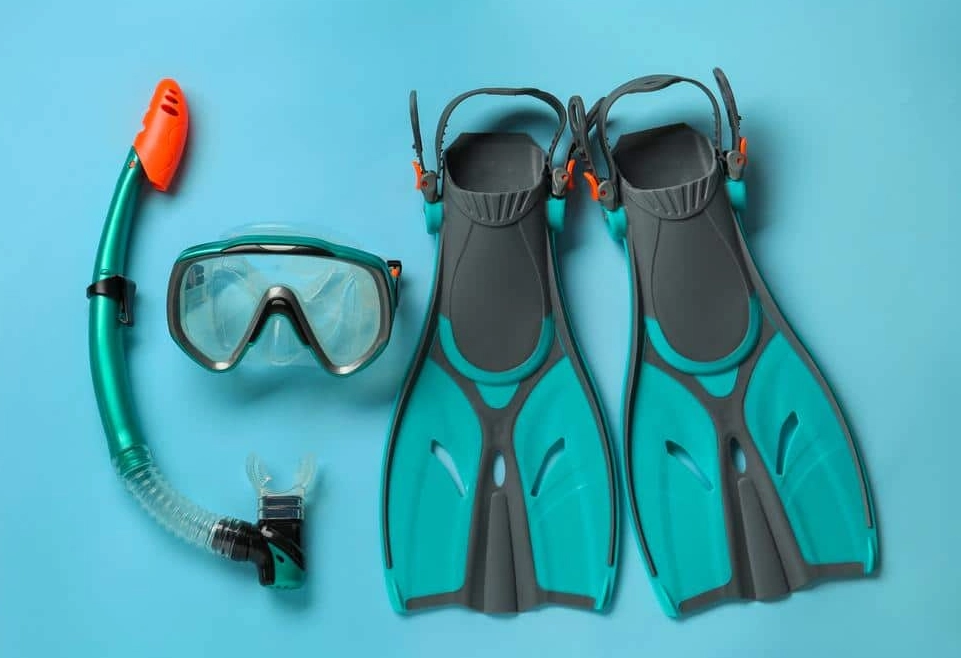
That shiny, brightly colored snorkel? The paint can chip. The plastic frame on a cheap mask can degrade and leach microplastics. Even your fin kicks matter—stiff, heavy fins make you clumsy, increasing the chance you'll kick the reef or stir up sediment that smothers coral. Conservation-minded gear is designed to minimize these risks at every point.
It’s also about durability. Fast-fashion snorkel sets that fall apart after one season end up in landfills, their chemicals seeping into groundwater. Investing in robust, repairable gear is an act of long-term conservation.
The Non-Consensus Point: Everyone says "don't touch the coral." But a bigger, often ignored issue is chemical contact. Your skin sheds. The residue from your shampoo, laundry detergent, and especially your sunscreen washes off your body and gear directly into the reef environment. Your pre-snorkel shower and your sunscreen choice are as important as your buoyancy control.
The Core Conservation Snorkeler's Gear Guide
Let's break down the essentials, not just by function, but by their conservation attributes.
The Non-Negotiable Basics
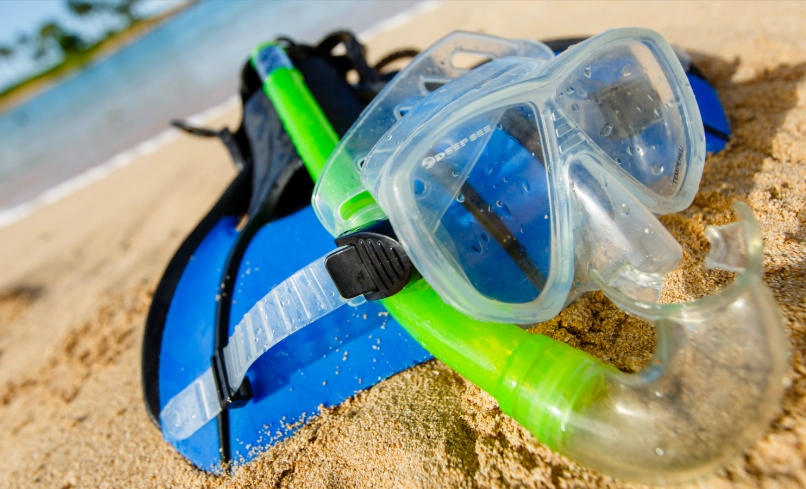
1. The Mask: Your Window to the World. Look for a silicone skirt, preferably in black or dark colors. Why? Light-colored or clear silicone often contains brightening agents and can create glare that disturbs marine life. A low-volume design (less air space inside) is easier to clear and offers a wider field of view with less material. Brands like Cressi and Mares offer models with recycled materials in their frames. Fit is non-negotiable—press it to your face without the strap, inhale slightly through your nose; it should stay suctioned on. A leaky mask is a distracted snorkeler, and distraction leads to accidents.
2. The Snorkel: Your Lifeline. A simple J-shaped snorkel is often best. Avoid overly complex dry-top snorkels with lots of internal moving parts and floaters—they break more easily and are harder to recycle. The mouthpiece should be soft medical-grade silicone. I’ve tried cheaper PVC ones that develop a foul taste and crack. The purge valve at the bottom is helpful, but make sure it’s a simple, large silicone flap, not a tiny plastic mechanism.
3. Fins: Your Engine. This is where you can make a huge difference. Split fins or flexible, full-foot fins are excellent for most snorkelers. They require less effort, which means more controlled, gentle kicks. Look for fins made from high-grade, non-toxic rubber or new composites like Tecralene, which some manufacturers use as a more eco-friendly alternative. Avoid fins with excessive plastic venting or decorations. A good fin should propel you smoothly without you needing to thrash about.
The Conservation Upgrades
Reef-Safe Sunscreen & Rash Guard: This isn't an upgrade; it's a requirement. Mineral-based sunscreen with non-nano zinc oxide is the only type proven safe for coral reefs. Brands like Stream2Sea and Badger make excellent ones. Pair it with a UPF 50+ long-sleeve rash guard. It protects your skin better than sunscreen ever could and eliminates 90% of the need for lotions. I never get in the water without mine now.
A Floating Stash Bag: Not for your things, but for trash. A small, mesh drawstring bag attached to your buoyancy vest or even your wrist lets you collect bits of plastic you encounter without fumbling. It’s a simple, powerful tool.
How to Choose: The Conservation-First Checklist
Walking into a dive shop or browsing online can be overwhelming. Use this filter for every item you consider.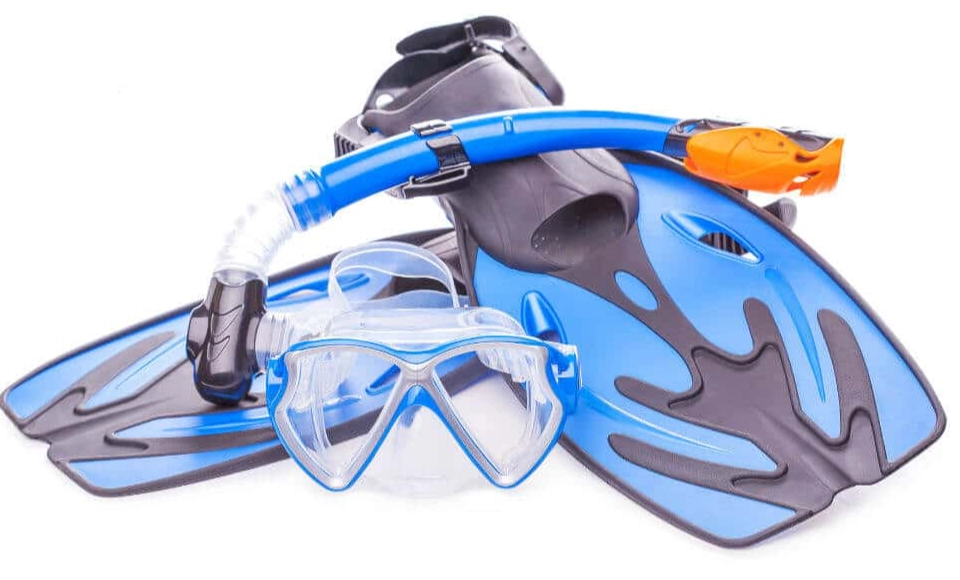
| Gear Piece | What to Look For (The Green Flags) | What to Avoid (The Red Flags) | Approx. Price Range (Quality Tier) |
|---|---|---|---|
| Mask | Black/dark silicone skirt, low-volume design, tempered glass lens, minimal plastic framing. | Brightly colored skirts, painted designs on the frame, excessive plastic, poor fit. | $50 - $120 |
| Snorkel | Simple J-shape or semi-dry top, soft silicone mouthpiece, large silicone purge valve. | Complex dry-top mechanisms with small parts, hard PVC mouthpieces, rigid plastic. | $25 - $60 |
| Fins | Flexible blades (split or vented), high-content rubber/eco-composite, comfortable foot pocket. | Stiff, heavy plastic blades, excessive vents/molded designs, poor fit causing blisters. | $60 - $150 |
| Exposure Suit | UPF 50+ rated rash guard & shorts, made from recycled polyester or Lycra. | Low UPF ratings, non-stretchy material, chemical UV treatments that wash out. | $40 - $100 (set) |
Price is an indicator of durability, not just brand. A $30 full-set from a department store will likely need replacing in a year. A $150 investment in a good mask, snorkel, and fin set can last a decade with proper care, creating less waste and saving you money long-term.
Gear Care That Extends Life & Protects Ecosystems
How you treat your gear after the snorkel is as important as what you buy. Rinsing in fresh water is step one. But step two is crucial: dry it completely in the shade. Stuffing damp gear into a bag breeds mold and bacteria inside the snorkel tube—unhealthy for you and the next ecosystem you visit if spores transfer.
Once a month, soak your mouthpiece and mask skirt in a mild vinegar-water solution (1:4 ratio) to kill any lingering biofilm. Rinse thoroughly. Store gear loosely in a mesh bag, not a sealed tub. This prevents the silicone from degrading and keeps everything aired out.
From Observer to Participant: Gear for Citizen Science
This is where your snorkeling transforms. With a few small additions, you can collect valuable data.
The Tool: A waterproof notepad and pencil, or a rugged action camera like a GoPro. Even a modern smartphone in a high-quality waterproof case can work.
The Mission: Organizations like REEF (Reef Environmental Education Foundation) have created simple visual surveys. You snorkel a specific site, note the species and number of fish you see, and upload your data. Your "sightings" become part of a global database tracking fish populations, coral disease, and invasive species spread.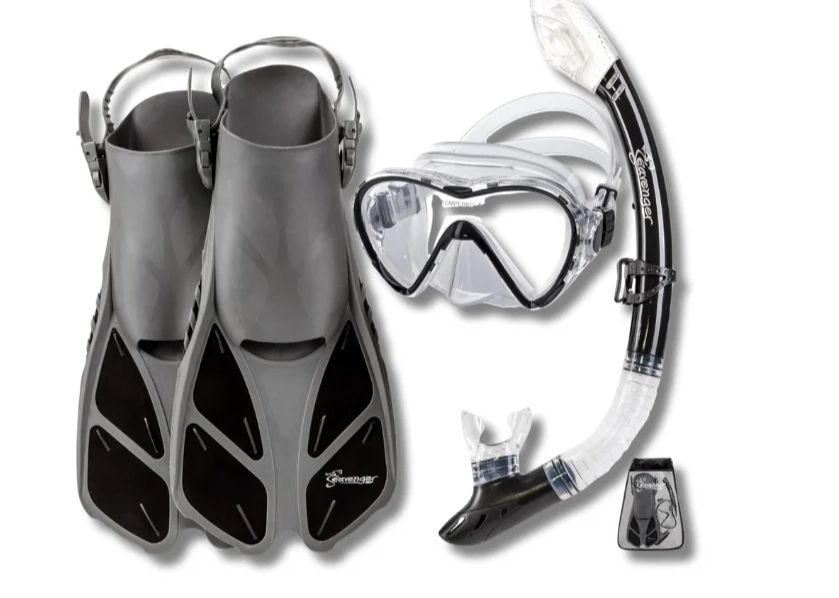
I started doing this in Florida. It changed how I snorkel. Instead of just looking for pretty things, I'm scanning for the absence of common species or the presence of something unusual. It's like a treasure hunt that actually helps. My camera isn't just for vacation photos anymore; it's a documentation device for a bleached coral head or a thriving seagrass bed.
Your Questions on Eco-Friendly Snorkeling, Answered
Choosing your snorkeling equipment with the ocean in mind isn't a constraint; it's an invitation to a deeper, more meaningful connection. You stop being just a visitor and become a guardian. The gear becomes an extension of that intent—a tool for wonder, yes, but also for stewardship. The ocean gives us so much. The least we can do is ensure our floating presence gives something back.
Reader Comments