Quick Guide
- Why You Actually Need a Wetsuit for Snorkeling (It's Not Just About Being Cold)
- How to Choose: The Snorkeler's Wetsuit Checklist
- Top Contenders: Wetsuit for Snorkeling Reviews & Comparison
- Care & Maintenance: Making Your Wetsuit Last
- Common Snorkeling Wetsuit Questions Answered
- Final Thoughts & Trusted Resources
Let's be honest, most people think about the mask and snorkel first. Maybe the fins. The wetsuit is often an afterthought. That is, until you're bobbing in the water off a reef, the sun dips behind a cloud, and a chill you didn't expect starts creeping into your core. Suddenly, that wetsuit becomes the most important piece of gear you own. It's the difference between a magical hour watching turtles glide by and shivering your way back to the boat after twenty minutes.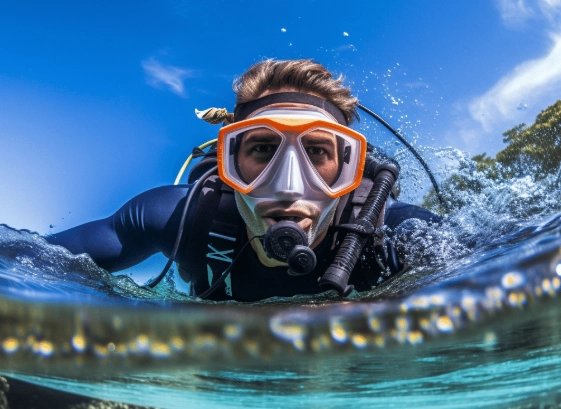
I've been there. I've made the mistake of thinking my tropical vacation destination meant warm water, only to find myself in 78-degree (F) water that felt like an ice bath after thirty minutes. That experience sent me down the rabbit hole of wetsuit for snorkeling reviews, and let me tell you, it's a jungle out there. Thickness, material, seams, fit—it can get overwhelming fast.
So, I put this guide together. It's not just a list of products. It's everything I wish I'd known before buying my first snorkeling wetsuit, combined with hands-on testing and a lot of conversations with other snorkelers. We'll cut through the marketing jargon and get to what really matters for us recreational snorkelers. Whether you're planning a trip to Hawaii, the Caribbean, or even a cooler climate spot, getting the right wetsuit will transform your experience.
Why You Actually Need a Wetsuit for Snorkeling (It's Not Just About Being Cold)
Most people get the basic idea: a wetsuit keeps you warm. But the "why" for snorkeling is more nuanced than just temperature. Water conducts heat away from your body about 25 times faster than air. So, even in 82°F (28°C) water—which sounds lovely—you'll eventually lose body heat. This process, called convective heat loss, is why you can feel fine at first but get chilled surprisingly quickly.
The sun protection factor is massive. Spending hours on the water surface exposes your back, shoulders, and legs to intense UV rays, amplified by reflection. A wetsuit provides a consistent, physical SPF 50+ barrier. No missed spots with sunscreen, no worrying about it washing off and harming coral reefs. After a bad sunburn that ruined the second half of a trip for me, I now consider this a primary reason to wear one.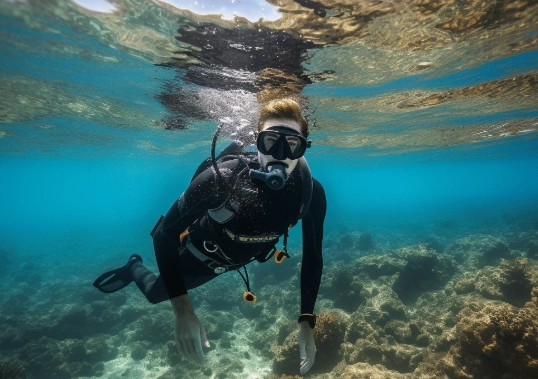
Then there's buoyancy. Neoprene is naturally buoyant. A good snorkeling wetsuit adds just enough lift to make floating effortlessly at the surface easier. You expend less energy treading water or staying horizontal, which means you can snorkel longer. It also offers a tiny bit of protection against accidental scrapes on coral or rock (though it's no substitute for careful buoyancy control and respect for the environment).
Think of it this way: your wetsuit is your personal comfort and safety system. It lets you extend your time in the underwater world, which is the whole point.
How to Choose: The Snorkeler's Wetsuit Checklist
Diving into wetsuit for snorkeling reviews is helpful, but you need to know what to look for first. Here’s the framework I use. Forget brand names for a second and focus on these four pillars.
Pillar 1: Thickness – It's Not One-Size-Fits-All
This is the number one question. Thickness is measured in millimeters, usually presented as a range like 2/3mm (chest/limbs). For snorkeling, you're almost always in the 0.5mm to 3mm range.
- 0.5mm - 1mm (Rash Guard Style): This is for pure sun protection and a *tiny* bit of warmth in very hot climates (water temps 84°F/29°C+). It's super flexible and feels like a second skin. Great for kids or anyone who truly runs hot. Offers minimal thermal insulation.
- 2mm: The all-around sweet spot for most tropical snorkeling. Water temps from about 75°F to 82°F (24°C-28°C). It provides noticeable warmth, good sun protection, and decent buoyancy without feeling restrictive. If you're only going to buy one wetsuit for travel, a 2mm is the most versatile.
- 3mm: For cooler tropical/sub-tropical waters, or if you get cold easily. Think early morning dips, locations like the Galapagos, Southern California, or the Mediterranean in shoulder seasons (water temps 68°F-75°F / 20°C-24°C). The extra millimeter makes a big difference in warmth but reduces some flexibility.
Pillar 2: Material & Construction
Not all neoprene is created equal. Most snorkeling wetsuits use "limestone neoprene," which is standard. Higher-end suits might use "super-stretch" neoprene (like Yamamoto neoprene) which is incredibly flexible but also more expensive and slightly less durable. For snorkeling, standard stretch is usually just fine.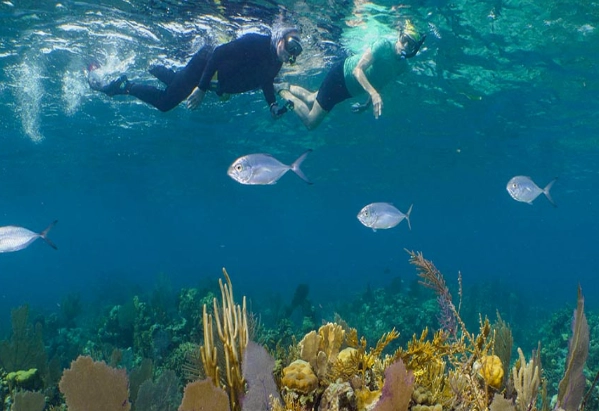
Pay more attention to the seams.
- Glued & Blind-Stitched (GBS): The seams are glued together, then stitched from the inside so the needle doesn't go all the way through. This is the standard for good-quality snorkeling wetsuits. It's water-resistant and durable.
- Flatlock Stitching: The thread runs through both sides of the neoprene. It's strong but not watertight. You'll see this on cheaper suits. It lets more water flush through, which can make you colder. I'd avoid this for any snorkeling where warmth is a goal.
- Taped Seams: Critical seams (like along the torso) have a waterproof tape sealed over the inside. This is a premium feature that significantly reduces water entry and heat loss. Fantastic if you plan on snorkeling in cooler water frequently.
Pillar 3: Fit – The Make or Break Factor
A poorly fitting wetsuit is worse than no wetsuit. Too tight, and you can't breathe or move your arms comfortably for swimming. Too loose, and water constantly flushes in and out, defeating the thermal purpose.
Key fit points: The neck should seal without choking. The zipper (back or chest) should lie flat. There should be no major gaps or baggy areas, especially at the small of your back or behind the knees. If you're between sizes, manufacturers differ—some run small, some run large. This is where reading detailed snorkeling wetsuit reviews that mention fit is invaluable.
Pillar 4: Features & Style
- Full Suit vs. Shorty: A full suit (long arms and legs) offers maximum protection. A shorty (short arms and legs) offers more freedom and is cooler. For most snorkeling, I recommend a full suit. You lose a lot of heat from your limbs, and the sun protection is comprehensive.
- Back Zip vs. Chest Zip: Back zips are easier to get on and off by yourself. Chest zips (often on more technical suits) provide a better seal at the neck and less water entry, but can be a struggle to zip alone.
- Other Features: Look for a reinforced knee pad for durability if you'll be getting in/out from rocky shores. A key pocket is a nice bonus. Smoothskin panels on the chest can reduce wind chill when you're on the surface.
Top Contenders: Wetsuit for Snorkeling Reviews & Comparison
Based on testing, community feedback, and analyzing countless reviews, here are the models that consistently rise to the top for snorkeling. Remember, the "best" one depends entirely on your personal checklist from above.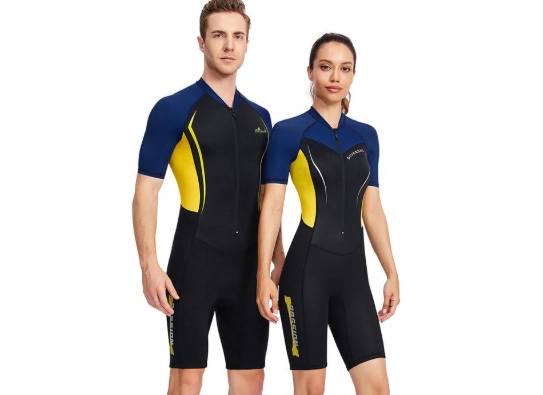
| Model (Style) | Best Thickness For | Key Material/Feature | Notable Fit Notes | Our Take: Best For... |
|---|---|---|---|---|
| O'Neill Reactor 2 (Full, Back Zip) | 2mm (also comes in 1mm & 3mm) | Durable TechnoButter neoprene, LSD (Less Stress Design) for easier shoulder movement. | Relaxed/Comfort fit. Runs slightly large. Great for those who dislike constriction. | The reliable, comfortable workhorse. Perfect if you prioritize easy movement and a less tight feel. |
| Rip Curl Dawn Patrol 2 (Full, Back Zip) | 2mm (also in 3/2mm) | E4 neoprene (warmth-to-weight ratio), fluid seam weld on critical areas. | Performance fit. Runs true to size or slightly small. Snug for optimal thermal performance. | The warm, efficient choice. If you get cold easily and want a suit that seals well, this is a top contender. |
| Xcel Infinity 2 (Full, Front Zip/Chest Zip) | 2mm | AXCEL Flex neoprene, 100% taped liquid seam seal. Very high-end construction. | Precision fit. Can feel very tight when new but breaks in beautifully. Order carefully. | The premium, no-flush option. Ideal for serious snorkelers who frequent cooler waters and want maximum warmth. |
| Aqua Lung SolAfx 1.5mm (Full, Back Zip) | 1.5mm (a unique in-between thickness) | Super-stretch neoprene, specifically designed for snorkeling and surface sports. | Comfort/Active fit. Designed for the snorkeler's posture (horizontal floating). | The snorkel-specific specialist. Amazing flexibility and designed for the activity, but less warm than a 2mm. |
| Body Glove 2mm Tidal (Full, Back Zip) | 2mm | Bio-Stretch neoprene, eco-conscious materials. | Relaxed fit. Often cited as one of the easier fits for different body types. | The value & eco-conscious pick. Delivers solid performance at a more accessible price point with a good environmental story. |
You'll notice I haven't named a single "winner." That's because it doesn't exist. The O'Neill Reactor might be the best for someone who values comfort above all, while the Xcel Infinity would be best for someone who prioritizes technical warmth. Reading through wetsuit for snorkeling reviews for these specific models will give you even more nuanced opinions.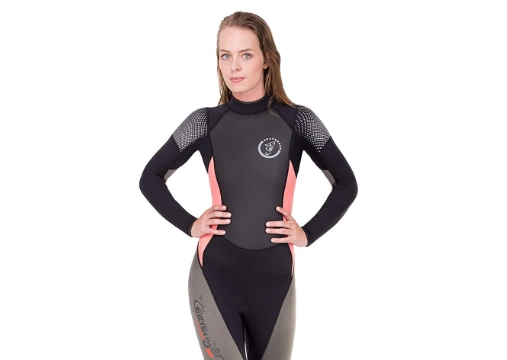
Care & Maintenance: Making Your Wetsuit Last
This is where people mess up. A wetsuit is an investment, and treating it poorly will shorten its life dramatically.
I mean it. As soon as you're done snorkeling, rinse it thoroughly inside and out with fresh water. Salt, sand, sunscreen, and chlorine are neoprene's enemies. They break down the material and make it stiff and smelly.
Hang it on a thick, padded hanger (not a wire hanger, which will create shoulder bumps) in the shade. Never dry it in direct sunlight or on a radiator—heat degrades neoprene fast. Turn it inside out to dry the liner.
Once completely dry, store it flat or folded loosely in a cool, dry place. Don't leave it crumpled in a bag for months. For long-term storage, some people use a light dusting of talc-free powder to keep the liner from sticking.
Common Snorkeling Wetsuit Questions Answered
Final Thoughts & Trusted Resources
Choosing the right wetsuit might seem like a small detail in your snorkeling planning, but trust me, it's a game-changer. It turns snorkeling from a quick dip into a prolonged, immersive experience. You see more, you're more relaxed, and you come out of the water energized, not shivering.
My process is this: Use the checklist (Thickness, Material, Fit, Features) to narrow down what you need. Then, read specific wetsuit for snorkeling reviews for the 2-3 models that match your criteria, paying close attention to comments about fit and sizing. When in doubt, if you're a first-time buyer, a 2mm back-zip full suit from a reputable brand is the safest, most versatile bet.
For further reading on safe snorkeling practices and marine conservation—which is just as important as your gear—I always recommend checking out the resources from the Professional Association of Diving Instructors (PADI). They have great guidelines for ocean enthusiasts of all levels. Similarly, for understanding marine environments and weather conditions, the National Oceanic and Atmospheric Administration (NOAA) website is an invaluable, science-based resource.
At the end of the day, the best wetsuit is the one that fits you well and gets you in the water comfortably. Don't overthink it, but do invest the time to get it right. Your future self, happily floating above a coral reef an hour into your snorkel, will thank you.
Reader Comments