Quick Navigation
Let's be honest. Nothing kills the magic of floating over a coral reef faster than a trickle of cold seawater finding its way into your mask. You're trying to focus on a school of neon fish, and all you can think about is the salty burn in your eye and the constant need to tip your head back to clear it. I've been there. On a supposedly dream trip to Belize, I spent more time fiddling with my mask than watching sea turtles. It was infuriating.
That's why this guide exists. We're not just going to give you a quick tip. We're going to tear apart the whole problem of snorkeling mask leakage, from why it really happens (it's rarely just "a bad mask") to the permanent fixes you can do in your living room. Consider this your first step toward a dry, fog-free, frustration-free underwater experience.
Because here's the thing most blogs don't tell you: a proper snorkeling mask leakage fix often starts before you even get in the water. It's about fit, preparation, and knowing what to check.
Why Does Your Mask Leak? (The Real Reasons)
You can't fix what you don't understand. Blaming the mask is the easy answer, but it's usually more about the interface between the mask and your unique face. Here are the big culprits, ranked by how often I see them cause trouble.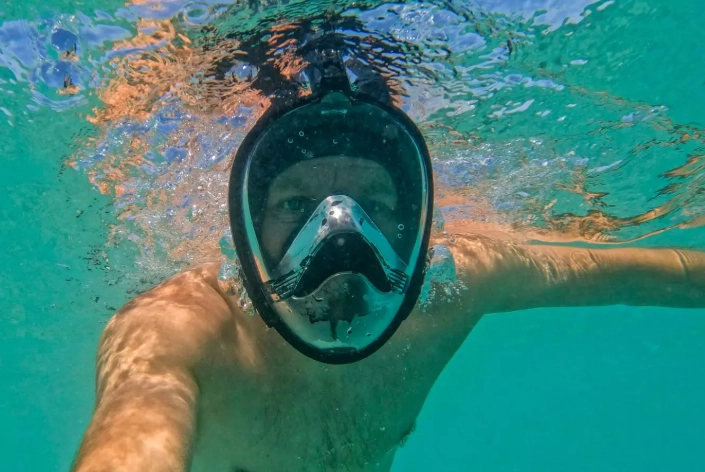
Your Face and the Mask Just Don't Match
This is the number one issue. Masks aren't one-size-fits-all. The skirt (the soft silicone part) needs to seal evenly all the way around your face. Common mismatch spots?
- The Bridge of the Nose: Too wide, and you get gaps on the sides of your nose. Too narrow, and it pinches, preventing a good seal on your forehead and cheeks. If your mask is leaking around the nose, the bridge fit is suspect number one.
- Cheekbones: High cheekbones can create a gap under the eyes if the skirt curvature is wrong.
- The Forehead or Under the Lip: The seal needs to be continuous. Any flat spot or wrinkle in the skirt against your skin is a potential water highway.
How do you test this? A proper pre-dive fit test is non-negotiable. Look up, put the mask on your face without putting the strap over your head. Gently inhale through your nose. The mask should stick to your face and stay put for a few seconds without you holding it. If it falls, it's not sealing. Try a different model. The Professional Association of Diving Instructors (PADI) has a great resource on the importance of mask fit and anti-fogging that underscores this basic step.
The Sneaky Hair Saboteur
It seems so obvious, but you'd be amazed. A single strand of hair caught under the skirt breaks the seal completely. It doesn't take much. This is especially common for sideburns, eyebrows, and hairline at the temples. Before you even think about complex fixes, run your fingers along the entire edge of the mask skirt to clear any hair. I've seen seasoned divers forget this.
You're Sucking It On Too Tight
This is a classic mistake. Cranking the strap super tight doesn't create a better seal. In fact, it does the opposite. It warps the skirt, pulling it away from your face in some spots (often under the eyes or on the upper lip) and creating gaps. It's also a great way to get a massive headache. The strap's job is just to keep the mask in place. The seal is created by the slight vacuum when you inhale. A properly fitted mask should feel comfortable, not like a vise.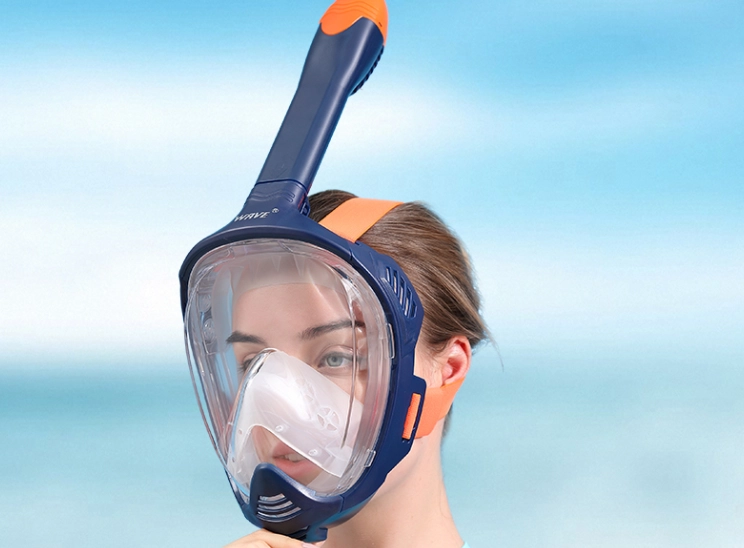
So, your strap should be snug but not tight. A good test is to be able to fit two fingers between the strap and the back of your head comfortably.
The Step-by-Step Snorkeling Mask Leakage Fix Toolkit
Okay, you've checked the fit and your hair. You're not over-tightening. And it's still leaking. Now we get into the fixes. These are things you can do to an otherwise good mask to make it seal perfectly.
The Pre-Dive Ritual (Non-Negotiable)
This isn't a fix for a broken mask; it's a fix for a poorly prepared one. Skipping these steps is asking for leaks and fog.
- Defog Like a Pro: Spit in it. Really. Saliva is a cheap, always-available defogger. Rub it all over the inside of the lens, rinse it slightly with seawater (not fresh water!), and you're good. Commercial defoggers work too, but avoid touching the inside glass after applying. For the eco-conscious, the Ocean Wise conservation program often discusses reef-safe alternatives to chemicals, though specific defogger ingredients are a more complex topic.
- Rinse with Cool Water: If the mask is new or has been stored, rinse the skirt with cool water. It makes the silicone more pliable and helps remove any factory dust or residues that can affect the seal.
- The Final Face Check: Just before putting it on, wet your face. A wet face helps the skirt seal better than dry skin.
Mask Skirt Conditioning & Care
Silicone can get stiff or develop a slight film over time. A stiff skirt won't conform to your face.
- Deep Clean: Soak the mask in a mild solution of baby shampoo and warm water for 15-20 minutes. Scrub the skirt gently with your fingers, rinse thoroughly. This removes body oils, sunscreen, and other gunk that degrade silicone and hurt the seal.
- Storage is Key: Never leave your mask in direct sunlight for long periods (like on a boat deck). UV rays break down silicone, making it brittle and prone to cracking. Store it in a protective case, loosely rolled, not folded.
What about using silicone grease? I'm skeptical for this application. It's messy, can degrade some silicone types, and is just a temporary patch. A proper snorkeling mask leakage fix should be more permanent and less gooey.
When to Adjust the Strap
The strap shouldn't just be loose or tight. Its position matters.
If water pools under your eyes, try sliding the strap higher on the back of your head. This tilts the bottom of the mask inward, pressing the skirt under your eyes closer to your face.
If water comes in over the bridge of your nose or forehead, try sliding the strap lower. This tilts the top of the mask inward.
Small adjustments here can make a huge difference. Play with it while floating in calm water.
The "It Might Be the Mask" Scenarios and Solutions
Sometimes, despite your best efforts, the equipment itself is the problem. Here's how to diagnose and deal with that.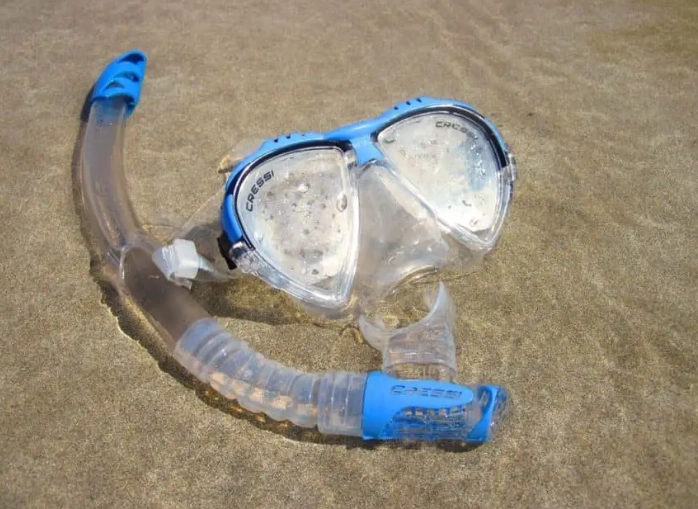
Checking for Manufacturing Defects
It's rare with reputable brands, but it happens. Inspect the skirt closely for:
- Tears or nicks: Even a tiny one.
- Uneven thickness: Hold it up to the light. The silicone should be uniformly translucent.
- Poorly bonded seams: Where the skirt meets the frame or the lens cartridge. Look for gaps or bubbles.
The Frame and Lens Seal
Most modern masks have a tempered glass lens that is sealed into a plastic or silicone frame with a pressure-fit gasket or an O-ring. If this seal fails, water will seep in between the glass and the frame. You can't fix this yourself safely. If you suspect this (water appears from behind the glass, not from the skirt edge), it's time for a new mask or a professional repair from the manufacturer.
Choosing a Mask That Won't Leak (From the Start)
The ultimate snorkeling mask leakage fix is buying the right mask in the first place. Here’s what to look for, beyond color and style.
| Feature | What to Look For | Why It Matters for Leaks |
|---|---|---|
| Skirt Material & Design | Soft, pliable silicone (clear or black). Double-feather-edge skirts are best. | Softer silicone conforms to facial contours better. A double edge creates two sealing surfaces, doubling your chances of a good seal. |
| Frame Design | Low-volume masks are trending. They sit closer to your face. | Less air space inside means less water to clear if a leak happens, and the skirt has less distance to span, often improving seal reliability. |
| Nose Pocket | It should fit comfortably without pinching. You must be able to pinch your nose easily for equalizing. | A pinched nose pocket pulls the skirt away from the sides of your nose, creating the classic leak around the nose. |
| Field of View | Wide peripheral view is nice, but prioritize fit. | A mask with amazing views that leaks is useless. Fit is always king. |
My personal take? I've moved almost exclusively to low-volume masks with black silicone skirts. The black skirt reduces internal light reflection (less glare), and the low volume just feels more secure and less bulky. It was a game-changer for my personal quest to solve the snorkeling mask leakage fix problem for good.
Clearing Your Mask: The Skill That Saves the Day
Even with a perfect mask, a little water might get in from a wave or if you smile too big. Knowing how to clear it confidently is part of the fix. Panicking and surfacing ruins the dive.
Here’s the simple method:
- Look slightly upward. This positions the bottom of the mask (where the water is) lower.
- Place one or two fingers on the top frame of the mask to stabilize it.
- Exhale firmly and steadily through your nose. The air from your nose will push the water out the bottom of the mask skirt.
- You may need to do this 2-3 times to get all the water out.
Practice this in a pool or calm, shallow water until it's second nature. It takes the fear out of a small leak.
Common Questions (And Real Answers)
Why is my brand new snorkel mask leaking?
It's almost certainly the fit, not a defect. New masks also have a silicone release agent from the mold. Wash it thoroughly with toothpaste (a mild abrasive) or mask cleaner, rinse well, and do the fit test again. Never assume a new mask is ready to go straight from the box.
Can I use Vaseline or sunscreen to seal my mask?
Absolutely not. This is a terrible idea. These products will degrade the silicone skirt over time, turning it into a sticky, cracked mess. They also smear all over the lens, destroying visibility. It's a short-term hack that causes long-term damage. Don't do it.
Is a leaking mask always my fault?
Not always, but usually. First, rule out your technique (hair, over-tightening, not wetting the skirt). Then, check for obvious defects. If a mask passes the inhale test but leaks when you're in the water with normal facial movements, it's still a fit issue for your face in real conditions. Our faces move when we talk, smile, or grimace. A good mask accounts for that.
What about masks with a "purge valve"?
Purge valves (a one-way valve at the bottom) are designed to let you clear water without the nose-exhale technique. In theory, great. In practice, they are one more thing that can fail, get clogged with sand, or stick open. I find them unnecessary if you learn to clear your mask properly. A simpler mask has fewer failure points.
Look, the frustration is real. I've bought masks I was sure would be perfect, only to have them flood on the first dive. It feels personal. But treating it like a solvable puzzle—checking fit, eliminating variables, doing proper maintenance—turns that frustration into a solved problem.
The goal isn't just a dry mask. It's the peace of mind to forget about your gear entirely and get lost in the blue. When you stop worrying about the next trickle, you start seeing the wonder. You notice the patterns on a shell, the curious tilt of a fish's head, the way the light filters down.
That's what a true snorkeling mask leakage fix really gives you. It gives you back the dive.
So start with the fit test. Be ruthless about hair. Loosen that strap. Clean your mask properly. If after all that it still fails you, take it as a sign. Your perfect mask, the one that feels like part of your face, is still out there waiting. And now you know exactly how to find it.
Reader Comments