Quick Guide
Let's be honest. There's nothing more frustrating than gearing up for an amazing snorkel adventure, plunging into that gorgeous turquoise water, and then... your mask fogs up. Or worse, it starts leaking around your nose. Suddenly, the vibrant coral and curious fish are just a blurry, watery mess. You spend half your time trying to clear your mask instead of enjoying the view. I've been there, fiddling with a mask that seemed to have a personal vendetta against me. It can ruin the whole experience.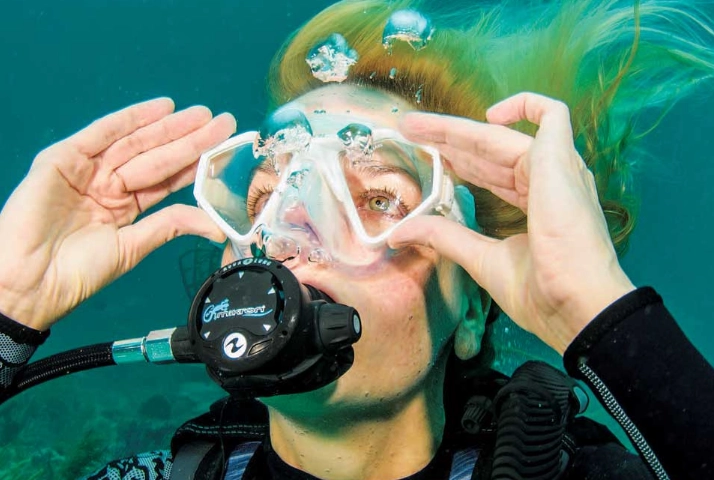
But it doesn't have to be that way. Getting a perfectly clear view underwater isn't magic—it's a combination of choosing the right gear and knowing a few simple, pro-level tricks. Whether you're a first-timer renting gear on a tropical beach or a seasoned enthusiast with your own kit, mastering your mask is the single most important skill for enjoying the underwater world. This guide is all about those best clear snorkel mask tips that actually work, the ones you won't always find in the manual.
We're going to move beyond the basic "spit in your mask" advice (though we'll talk about why that works) and dive deep into everything from pre-trip preparation to in-water fixes. I'll share some hard-learned lessons from my own trips, like the time I learned the hard way about sunscreen and silicone skirts. We'll cover how to pick a mask that fits your face, not just a generic one, and the maintenance routines that keep it performing for years.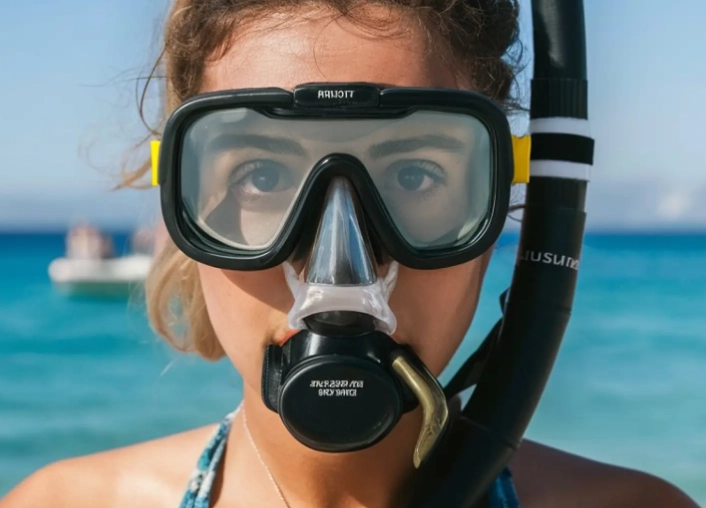
Getting Started: It All Begins With the Right Mask
You can follow every tip in the book, but if your mask doesn't fit you properly, you're fighting a losing battle. A leaky mask is a foggy mask, because that incoming water washes away any anti-fog treatment and creates condensation on the inside of the lens.
So, before we even talk about defogging solutions, let's get the foundation right.
The Gold Standard Fit Test (No Water Needed)
Here's the simplest and most reliable way to check mask fit in a store or before you buy online. First, remove the strap. Hold the mask gently to your face, with the skirt sealing evenly all around. Now, inhale gently through your nose and let go with your hands. The mask should suction to your face and stay there for a few seconds without you holding it. If it falls off immediately, it's not sealing properly—likely because your hair, eyebrows, or the shape of your nose bridge is breaking the seal. A good seal feels even, not like it's pinching one spot super hard.
Pro Tip: Don't suck in too hard! A gentle inhale is all you need. Sucking too hard can make even a poorly fitting mask stick temporarily, giving you a false sense of security.
Face shape matters more than you think. Brands like Cressi, TUSA, and Aqua Lung design masks for different facial structures—some are better for narrower faces, others for wider ones with higher cheekbones. It's worth trying on a few. I have a relatively narrow face, and I've found certain "low volume" masks fit me like a glove, while popular models meant for broader faces leave gaps near my temples.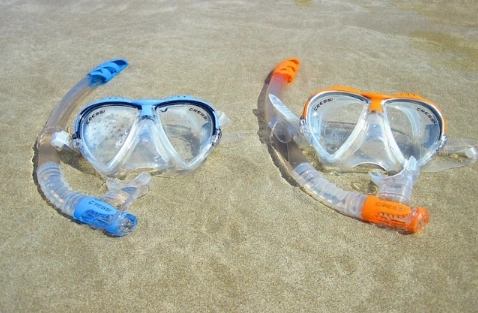
Lens Technology: Tempered Glass is Non-Negotiable
Always, always ensure your mask has tempered glass lenses. This isn't just about clarity; it's a critical safety feature. Tempered glass is much stronger than regular glass and, if it does break, it shatters into small, blunt pieces instead of sharp, dangerous shards. You can usually spot a small tempering mark (like a little dot or symbol) etched in the corner of the glass.
Plastic lenses? Forget them. They scratch if you look at them funny and will distort your view over time. For the best clear snorkel mask experience, tempered glass is the only way to go.
The Holy Grail: Preventing and Beating Mask Fog
Ah, fog. The arch-nemesis of every snorkeler and diver. It happens because of the temperature difference between your warm face and the cooler water. Moisture from your skin and breath condenses on the inside of the lens in tiny droplets, scattering light and creating that milky haze.
The goal isn't just to clean the lens; it's to prepare it so condensation can't form easily. Here are the layered strategies for fog-free vision.
Step 1: The Critical Pre-Use Scrub
This is the most overlooked step, and arguably the most important. New masks come from the factory with a thin, invisible layer of silicone release agent on the inside of the glass. This stuff is put there so the mask doesn't stick to the mold during manufacturing. It's also a magnet for fog. If you don't remove it, no defogger will work properly.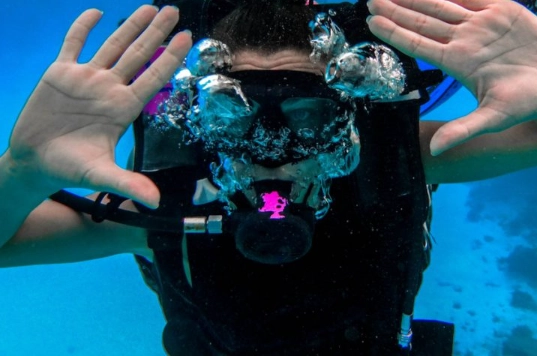
How to scrub it off properly: You don't need harsh chemicals. A non-abrasive toothpaste (think a plain white paste, not a gel with beads) is perfect. Squirt a small amount onto your fingers and rub it vigorously all over the inside of the glass for a good minute or two. Use a circular motion, really grinding it in. Then, rinse thoroughly with fresh water. Some people swear by a lighter flame passed quickly over the glass (be extremely careful, only do this on glass, and don't melt the skirt!), but the toothpaste method is safe, effective, and accessible to everyone. You might need to do this twice for a brand-new mask.
Step 2: Choosing Your Defogger
Once the glass is properly prepped, you have options. Here's a breakdown of the most common ones, from free to commercial.
| Method | How to Apply | Pros | Cons / My Experience |
|---|---|---|---|
| Saliva (The Classic) | Spit a small amount on the inside of each lens, smear it around with your finger, give it a quick dip in the water just before putting it on. | Free, always available, and surprisingly effective on a prepped mask. The enzymes in saliva break down the condensation. | Some find it gross. Can be less long-lasting than other methods on a long snorkel. You need to reapply if you take the mask off. |
| Baby Shampoo | Mix a few drops with water in a small spray bottle. Spray on lenses, rub in, rinse lightly. | Very cheap, gentle, and works well. Leaves a thin film that prevents droplets from forming. | You have to carry a bottle. Can leave a slight residue if not rinsed well. Not as convenient as a dedicated gel. |
| Commercial Defog Gel (e.g., Sea Gold, McNett) | Apply a pea-sized drop to each lens, rub in thoroughly with fingers, rinse briefly or don't rinse (follow bottle instructions). | Designed for the job, usually longest-lasting. Often comes in a tiny, travel-friendly tube. Easy to apply. | Costs money. Some formulas can be a bit sticky if over-applied. You have to remember to pack it. |
| Potato or Raw Potato | Cut a potato in half and rub the cut end on the dry glass until it's coated in starch juice. Let dry, then buff/polish off. | A weird but effective natural hack. The starch creates a hydrophobic layer. | Messy and impractical on a boat or beach. More of a pre-trip preparation trick. |
My go-to?
For a day trip, I use a commercial gel. It's reliable and lasts through multiple sessions. If I forget it, saliva works just fine as long as I did that initial toothpaste scrub. The key with any defogger is to apply it to a clean, dry lens and not to rinse it off too much. You want that microscopic film to stay on.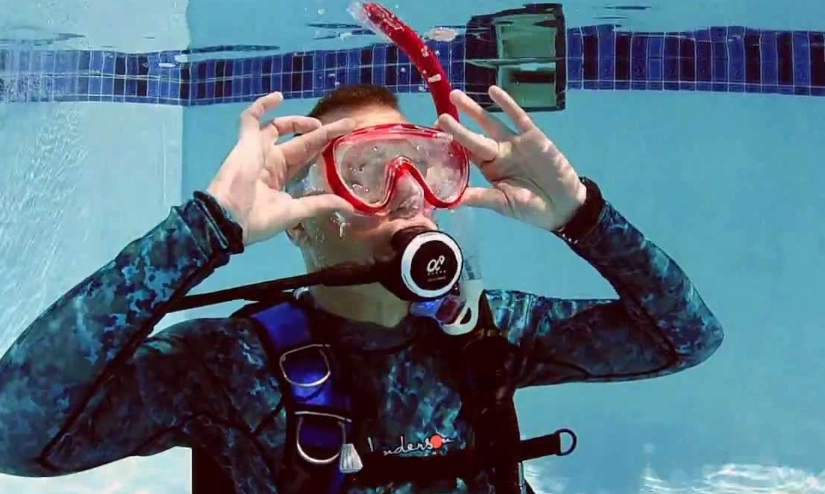
Warning: The One Thing That Never Works
Never, ever use regular soap or shampoo with conditioners. They will leave a filmy residue that actually attracts fog and is incredibly difficult to clean off. Stick to the simple stuff listed above.
Step 3: In-Water Fog Management
Sometimes, a little fog creeps in despite your best efforts. Here's what to do without having to surface and reapply.
Let a tiny bit of water into your mask. Just enough to cover the bottom of the lens. Tilt your head from side to side, letting that water wash over the inside surface. This can redistribute the defogger and clear minor condensation. Then, simply press the top of the mask frame against your forehead and exhale forcefully through your nose. This is the standard mask-clearing technique, and it will push the water out through the bottom of the skirt. It takes a bit of practice to not inhale water through your nose, but it's a fundamental snorkeling skill. The Professional Association of Diving Instructors (PADI) has excellent, free resources on mastering this skill on their website.
Beyond Fog: Leaks, Fit, and Long-Term Care
A clear view isn't just about fog. Leaks, pressure spots, and poor maintenance can all ruin your best clear snorkel mask goals. Let's tackle those.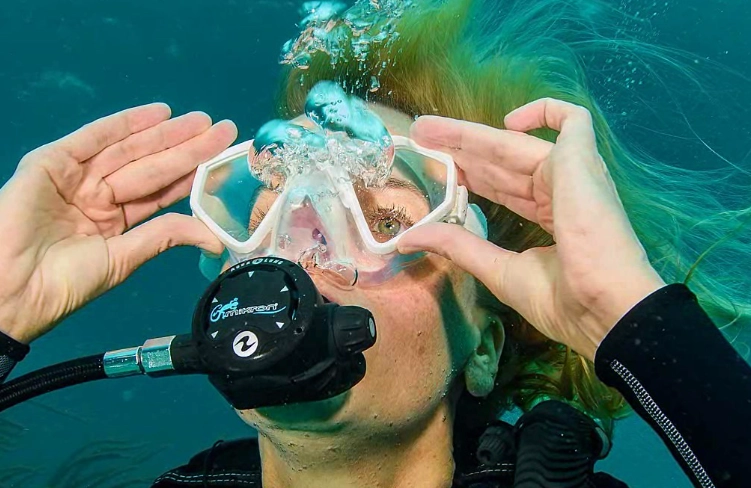
Why is My Mask Leaking?
If you're getting water in your mask consistently, run through this checklist:
- Hair in the skirt: This is the #1 culprit for leaks, especially for people with longer hair. Make sure all hair, including sideburns and eyebrows, is pulled completely out from under the silicone skirt. Run your finger along the entire seal before you enter the water.
- Strap too tight: This is a classic mistake. A mask seals by suction, not by brute force. If you crank the strap too tight, it actually warps the skirt, creating gaps at the top or bottom. The strap should just be snug enough to keep the mask in place when you inhale. Loosen it and see if the seal improves.
- Facial expressions: Smiling, laughing, or grimacing can break the seal, especially around the cheeks. Try to relax your face while snorkeling.
- Wrong mask for your face: You might have failed the fit test from the beginning. If it's a rental, try a different model.
Caring for Your Mask: Make It Last
A well-maintained mask will stay clearer and last for decades. Here's the simple routine.
After every use: Rinse it thoroughly in fresh water, inside and out. Saltwater and sand are abrasive and can degrade the silicone over time. Don't use hot water, as it can warp the mask frame.
Drying and Storing: Let it air dry completely in the shade. Never leave it in direct, hot sunlight (like on the dashboard of a car) for extended periods, as UV rays can make the silicone brittle and discolored. Store it in a protective case or a soft cloth bag, not crammed in a gear bag where the glass can get scratched. Don't store it with the strap buckled, as this keeps the silicone under constant tension.
The Sunscreen Problem: This is a big one. Sunscreen, oils, and lotions on your face will degrade the silicone skirt. They make it sticky, break down the material, and can cause tears. Try to avoid applying sunscreen to the area where the mask seals (forehead, temples, cheeks). Use a rash guard or hat for sun protection instead. If you must use sunscreen, let it absorb fully before putting your mask on, and clean the mask skirt with a mild soap after your snorkel. The National Oceanic and Atmospheric Administration (NOAA) even recommends using reef-safe sunscreens that are often less harmful to gear as well as coral, as noted in their educational materials.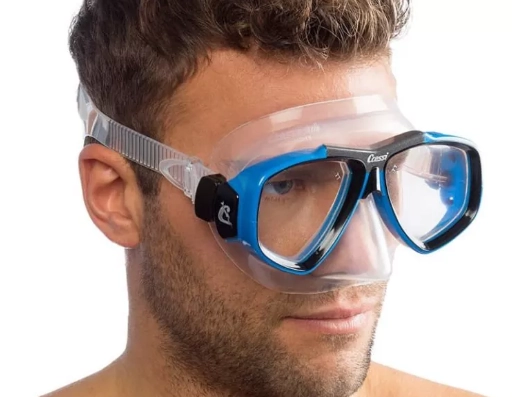
Answering Your Top Snorkel Mask Questions
Putting It All Together: Your Pre-Snorkel Checklist
Let's wrap this up with a simple action plan. Follow this sequence before your next snorkel, and you'll maximize your chances of perfect clarity.
- Pre-Trip (At Home): If it's a brand new mask, do the toothpaste scrub. Rinse and dry. Pack a small tube of defog gel and a soft storage bag.
- On-Site (Before Gearing Up): Ensure your face is free of heavy sunscreen/oils where the mask will seal. Do a quick fit/suction test to confirm the seal is good.
- Mask Prep: Apply your chosen defogger (spit, gel, etc.) to the dry inside lenses. Rub it in thoroughly over the entire glass surface. Give it a very brief, gentle slosh in the water (or don't rinse, per product instructions). Shake out the excess water.
- Final Fit: Place the mask on your face, ensuring no hair is trapped under the skirt. Secure the strap so it's snug but not tight. It should feel comfortable, not like a vise.
- Enter the Water & Enjoy: If minor fog appears, use the tiny-water-and-clear technique. Relax your face, breathe slowly, and look around.
That's it.
The underwater world is too amazing to view through a foggy, leaky window. By investing a little time in understanding your gear and applying these proven, straightforward techniques, you can transform your snorkeling experience from frustrating to flawless. It's not about having the fanciest equipment; it's about knowing how to use what you have to its fullest potential. These best clear snorkel mask tips are the difference between just getting wet and truly seeing the magic beneath the surface. Now go find some fish.
Reader Comments