Forget everything you think you know about snorkeling. Belize isn't just another Caribbean destination; it's a living aquarium where the water is so clear you feel like you're flying over a coral metropolis. I've been guiding trips here for over a decade, and the sheer density of life on the Belize Barrier Reef still makes my heart race. This guide cuts through the brochures to give you the real deal on where to go, what you'll see, and how to do it right.
What’s Inside This Guide?
Why Snorkeling in Belize is Unbeatable
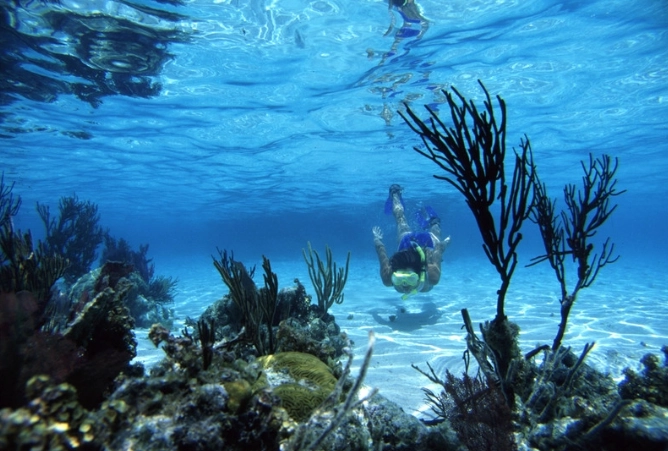
The Belize Barrier Reef is the second largest in the world. That's not just a fact; it's a 190-mile-long underwater universe. We're talking about crystal visibility, water warm enough for a year-round bath, and reefs so healthy they crackle with life. It's not uncommon to float above gardens of elk horn coral while a school of blue tangs parts around you like living curtains.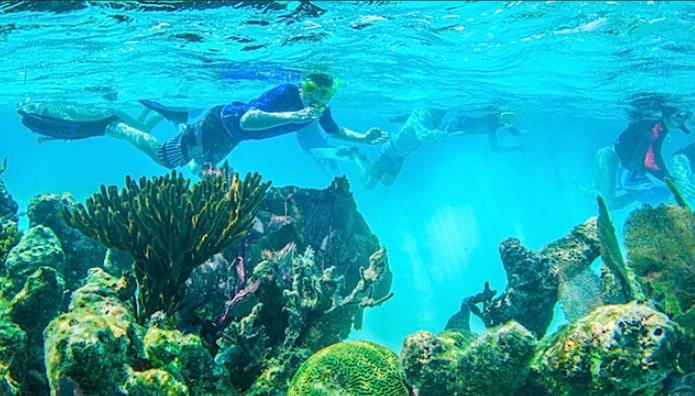
But here's what most first-timers miss: Belize's magic is in the variety. You can be exploring the gentle waves of a coral garden one hour and drifting through a shark-filled canyon the next. The sheer number of marine parks and protected areas means the fish here haven't learned to fear us. I've had curious groupers follow me for an entire dive, and once, a friendly spotted eagle ray did lazy circles around our group for twenty minutes.
The secret sauce? The Belize Barrier Reef acts as a giant breakwater. It takes the brunt of the open ocean's energy, leaving the lagoons and atolls inside relatively calm. This creates perfect snorkeling conditions, even when the weather isn't cooperating elsewhere.
Top Snorkeling Spots in Belize: From Famous to Hidden Gems
Picking a spot can feel overwhelming. Do you go for the famous names or seek out something quieter? Let's break down the must-see locations, because each has its own personality.
| Spot & Location | What You'll See | Best For | How to Get There | Pro Tip |
|---|---|---|---|---|
| Hol Chan Marine Reserve & Shark Ray Alley (off Ambergris Caye) | Nurse sharks, stingrays, huge schools of jacks & snapper, healthy coral. | First-timers, wildlife lovers, photographers. | 20-30 min boat ride from San Pedro, Ambergris Caye. Tours leave daily. | Go on the earliest tour (8 AM) to avoid the mid-day crowds from cruise ships. |
| The Great Blue Hole (Lighthouse Reef Atoll) | An iconic, deep blue sinkhole with stalactites (best seen on a dive). From the surface, you see its perfect circular shape and deep blue color. | Adventurers, bucket-list seekers, strong swimmers. | Long boat ride (2-3 hours) from Ambergris Caye or a 1-hour charter flight. Usually part of a full-day trip to Lighthouse Reef. | This is more of a "see it to believe it" spot. The snorkeling *around* the Hole at Half Moon Caye is often better than directly over it. |
| Mexico Rocks & Tres Cocos (North of Ambergris Caye) | Stunning shallow coral gardens, sea turtles, eagle rays, and less crowded than Hol Chan. | Families with kids, beginners, coral enthusiasts. | 15-20 minute boat ride from San Pedro. Often combined with other northside sites. | The seagrass beds near here are manatee hotspots in the right season (Dec-Mar). Ask your guide to cruise slowly through the area. |
| Caye Caulker & the South Channel | A more relaxed vibe, great tarpon spotting at the split, healthy reefs in the channel. | Budget travelers, those wanting a chill experience, seeing large tarpon. | Easy water taxi access from Belize City. Tours leave directly from Caye Caulker. | Hang out by the "Split" with a drink after your snorkel. You'll see massive tarpon cruising right at the dock. |
| Glover's Reef Atoll & South Water Caye | Remote, pristine reefs, incredible biodiversity, higher chance of seeing pelagics. | Experienced snorkelers, those on liveaboards, seekers of isolation. | Requires a longer boat transfer (1.5-2 hrs from Dangriga/Placencia) or a stay at a resort on the atoll. | This is where you go to feel like you've discovered a secret. Pack a good underwater camera. |
Now, let me get specific about Hol Chan, because everyone asks. The main channel is like a fish highway. You'll drift with the current (it's gentle) over coral canyons. Look for the green moray eels tucked into crevices—they're shy but magnificent. The real party is at Shark Ray Alley. Years ago, fishermen cleaned their catch here, and the nurse sharks and rays learned to associate boat engines with an easy meal. The feeding is now regulated, but the association remains. You'll slip into water that's suddenly full of these graceful, prehistoric-looking creatures. It's safe, but it's absolutely electrifying.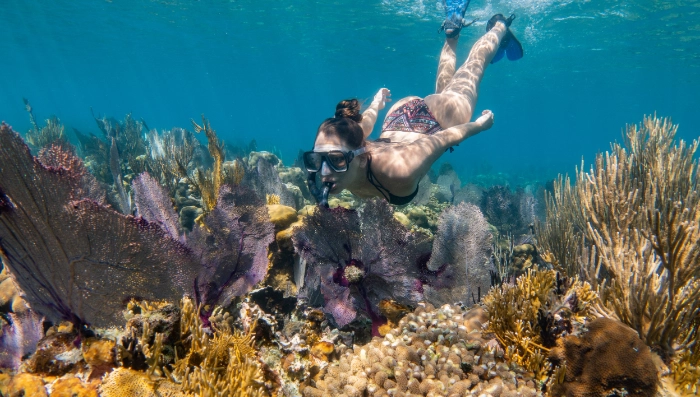
A Common Mistake I See: People obsess over the Blue Hole and are disappointed when they just snorkel over its deep, dark center. The magic of Lighthouse Reef is the surrounding areas. Insist your tour includes snorkeling at Half Moon Caye Wall or the Aquarium. That's where the color and life explode.
How to Plan Your Belize Snorkeling Trip: A Practical Guide
Planning is where trips are made or broken. Here's the no-nonsense breakdown.
Best Time to Go & What to Expect Weather-Wise
Late November to mid-April is prime time. Dry season means calm seas, sunshine, and visibility that can hit 100 feet. It also means higher prices and more people. I actually love May. The rains are just starting, which means fewer crowds, and the water is still glassy. The rainy season (June-Nov) can be a gamble—you might get perfect weather or an afternoon storm. Hurricane season peaks Aug-Oct, but storms are usually well-forecasted.
How Many Days Do You Really Need?
If snorkeling is the main event, give yourself at least 5 full days on the coast or cayes. This allows for 3 solid days of boat trips (you'll want a rest day in between) and buffer for weather. A sample plan: Day 1 arrive in San Pedro (Ambergris Caye), Day 2 Hol Chan/Shark Ray Alley, Day 3 relax/explore town, Day 4 Mexico Rocks or a northside trip, Day 5 travel home.
Budgeting: Not as Scary as You Think
You can do this on a range of budgets. A shared half-day snorkel trip to a local reef from Ambergris Caye or Caye Caulker runs $50-$80 USD per person. Full-day trips to more remote spots like the Blue Hole are $200-$300. Don't skimp on the operator—a cheaper boat might mean a crowded, rushed experience. Look for smaller groups (8-10 max) and guides who are genuinely excited to point out creatures.
Accommodation ranges from hostels ($30/night) to luxe resorts ($500+/night). The sweet spot for comfort and value is often the smaller, locally-owned hotels or vacation rentals.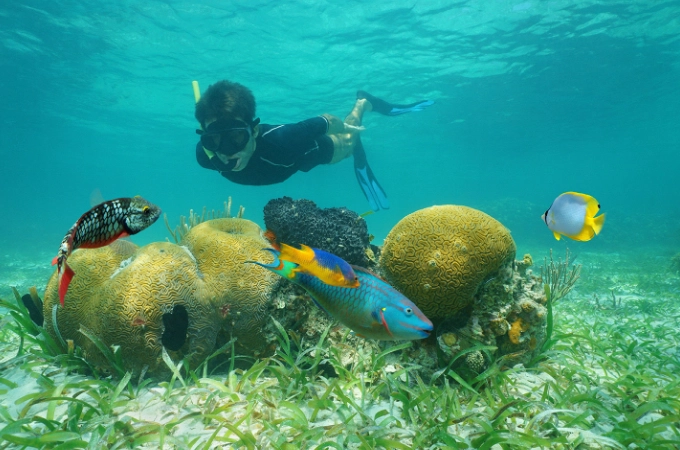
Essential Snorkeling Gear for Belize Waters
You don't need to buy a pro photography rig, but the right basics make all the difference between a good day and a great one.
Must-Haves You Should Bring:
- A Well-Fitting Mask: This is non-negotiable. A leaky mask ruins everything. If you have your own that you know fits, bring it. If not, most operators have decent ones, but try it on before the boat leaves the dock.
- Snorkel with a Dry Top or Splash Guard: Keeps you from swallowing water when a small wave hits.
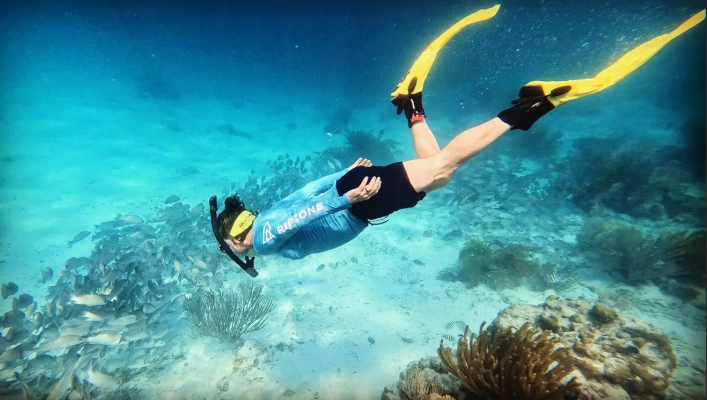
- Fins: Open-heel with adjustable straps are best for travel. They provide power with minimal effort.
- Rash Guard or Long-Sleeve Sun Shirt: The sun is intense at 10 degrees north latitude. A shirt protects your back from sunburn and from accidental scrapes against coral. Trust me on this one.
What to Rent or Consider:
- Underwater Camera: Even a basic GoHero or an old GoPro in a housing will capture memories. The colors are insane.
- Defogger: Baby shampoo in a tiny bottle works better than spit and lasts all day.
- Mesh Gear Bag: Lets your wet stuff drain and dry on the boat ride back.
Snorkeling Safety in Belize: What You Must Know
Belize is generally very safe for snorkelers, but complacency is the real enemy.
Marine Life Etiquette: You are a guest in their home. Never touch, chase, or harass any animal. This includes the nurse sharks and rays. Touching coral kills it and can give you a nasty cut. Maintain neutral buoyancy—if you're kicking the reef, you're too close.
Currents & Conditions: Listen to your guide. They know the sites. If they say the current is strong in a certain channel, they mean it. Don't wander off from the group.
Sun & Hydration: This is the most common cause of a ruined day. Reapply waterproof sunscreen every 80 minutes. Drink water constantly, even if you're in the water. Sea dehydration is real.
Boat Safety: Look for operators who give a clear safety briefing, have life jackets available for everyone, and have a first aid kit and oxygen on board. A professional outfit won't hesitate to show you their safety gear.
Your Belize Snorkeling FAQs Answered
 Look, I've seen a lot of people come through here. The ones who have the best time are the ones who embrace the pace of Belize. It's not about ticking off every single site. It's about that moment when you're floating, weightless, watching a parrotfish crunch on coral, and you realize there's nowhere else on earth you'd rather be. Do your research, pick a couple of great spots, book with a good crew, and then just get in the water. The reef will handle the rest.
For the most current information on marine park fees and regulations, check the official site of the Belize Audubon Society, which co-manages many reserves, or the Belize Tourism Board. A great scientific resource for the reef's health is the Smithsonian's Caribbean Coral Reef Ecosystems program.
Reader Comments