快速导览
- Top Global Destinations: Where to Find the Best Manta Ray Snorkeling
- How to Choose the Right Manta Ray Snorkeling Tour
- Your Pre-Trip Prep: What to Pack & Know
- Answering Your Big Questions (The FAQ You Actually Need)
- Beyond the Snorkel: Conservation & Being a Responsible Visitor
- Final Thoughts: Making Your Dream Encounter a Reality
Let's be honest. If you're here, you've probably seen those videos. The ones where people are floating in the dark, blue water, and then this massive, graceful, winged shadow glides right underneath them. It looks like a dream, right? Maybe even a little unreal. I thought the same thing before I went on my first trip. I spent weeks, maybe months, digging through forums, blog posts (some great, some not so much), and conflicting advice trying to figure out where to go for the absolute best snorkeling with manta rays experience.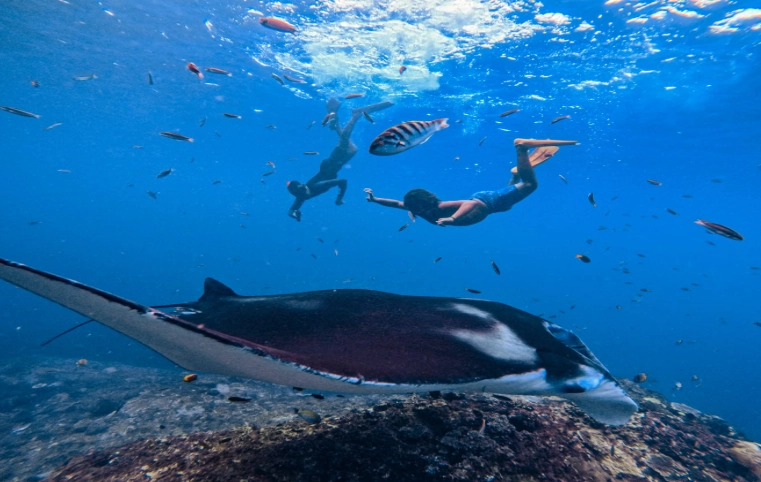
It was overwhelming. Hawaii? Indonesia? The Maldives? Everyone claimed their spot was the best. And the information was all over the place.
So, I went to a few of them. I made some mistakes, learned a ton, and had a couple of moments that literally took my breath away. This guide is what I wish I had before I started: a no-nonsense, detailed, and honest breakdown of the top spots for snorkeling with mantas globally. We're not just listing places; we're comparing them head-to-head, talking about what really matters when you're choosing a tour, and answering all those little questions that pop up when you're planning a trip like this.
Because finding the best snorkeling with manta rays isn't just about picking a destination on a map. It's about the season, the ethics of the operation, the sheer number of animals, and yes, a bit of luck.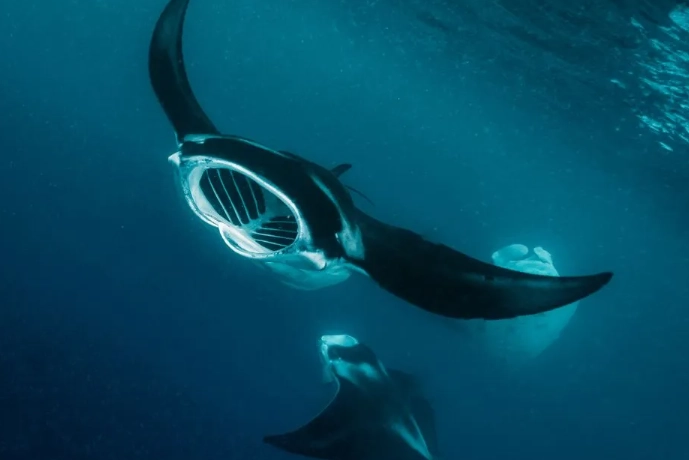
Top Global Destinations: Where to Find the Best Manta Ray Snorkeling
Alright, let's get into the meat of it. Where should you go? I've put together a comparison of the heavy hitters, the places that consistently deliver incredible encounters. This table isn't just names and places; it's the key details that will influence your decision.
| Destination | Best Time to Visit | What Makes It Special | Typical Encounter Style | Considerations |
|---|---|---|---|---|
| Kona, Hawaii (USA) | Year-round (peak sightings May-Oct) | The famous night snorkel. Mantas feed on plankton attracted by underwater lights. Incredibly reliable, often 10+ mantas. | Nighttime, from a floating raft or near shore. You watch them feed and perform acrobatics. | Water can be choppy, it's at night (can be disorienting for some). Not a "swim-with" free dive; you mostly observe. |
| Nusa Penida / Lembongan, Indonesia | April - October (dry season) | Manta Point and Manta Bay are cleaning stations. You snorkel in clear, blue water as mantas come in to be cleaned by fish. | Daytime, in open water at cleaning stations. You can often swim alongside them as they glide by. | Currents can be very strong. Site is weather-dependent. Can get crowded with both snorkelers and divers. |
| Hanifaru Bay, Maldives | May - November (monsoon season) | The world's largest known manta ray feeding aggregation. During a bloom, you can see hundreds of mantas in a single, breathtaking frenzy. | Daytime, in a protected, shallow bay. Snorkeling only (no scuba allowed here), which is fantastic. | Access is strictly regulated by a permit system. You must be with a licensed guide. The aggregation is a natural phenomenon, not guaranteed daily. |
| Lady Elliot Island, Australia | May - August (winter) | Part of the Great Barrier Reef. A hotspot for the migratory reef manta ray. Encounters are often in crystal-clear, shallow lagoon waters. | Daytime, either on the reef or at cleaning stations. Very natural and less crowded than some Asian spots. | Access is via small plane. It's an eco-resort, so trips are bundled with accommodation. A more remote, immersive experience. |
| Isla de la Plata, Ecuador | June - October | "The Poor Man's Galapagos." Known for huge oceanic manta rays with massive wingspans. An off-the-beaten-path gem. | Daytime, in open ocean. Encounters are less predictable but can be spectacular with very large individuals. | Tour involves a 1.5-hour boat ride from Puerto Lopez. Ocean conditions vary. Seeing a giant oceanic manta is a matter of luck and season. |
See? It's not one-size-fits-all. Hawaii's night dive is a sure bet for a spectacle. The Maldives is the lottery ticket for a once-in-a-lifetime mega-aggregation. Indonesia offers that classic tropical daytime swim. Your choice depends on what kind of experience you're craving.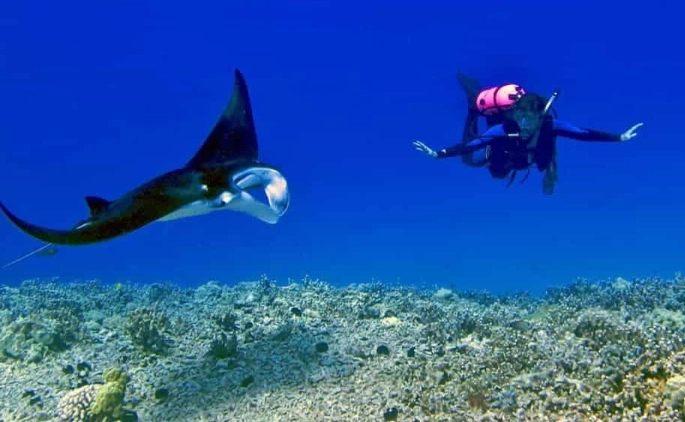
Personally, I have a soft spot for the cleaning station encounters. There's something profoundly peaceful about watching a manta hover motionless, letting tiny wrasse fish dart in and out of its gills and mouth. It's a moment of pure symbiosis. The night feed in Kona is mind-blowing in its own way—more dynamic, almost like a ballet—but it feels more like watching a show. Both are incredible, just different.
Beyond the Big Names: Other Spots Worth a Look
Don't sleep on these places. They might not have the global fame, but they offer fantastic and often less crowded experiences. If you're combining a manta trip with other travel, these can be perfect.
- Mozambique (Tofo Beach): A legendary spot for marine megafauna. From June to October, you can see both reef and oceanic mantas. The population has faced challenges, so sightings aren't as guaranteed as they once were, but it's a wilder, less commercialized feel. Research operators carefully for their conservation practices.
- Raja Ampat, Indonesia: If you're already on a liveaboard or doing an ultra-remote dive trip, the manta encounters here are a magical bonus. Cleaning stations at places like Manta Sandy or Arborek Jetty are active and the reefs are pristine. It's not the primary reason to go to Raja Ampat, but it makes a perfect trip transcendent.
- Yap, Micronesia: This is a scuba diving mecca, but snorkelers can have encounters too, especially around the channels. It's expensive and remote, but for the dedicated enthusiast, the culture and the sheer density of mantas (particularly from December to April) are hard to beat.
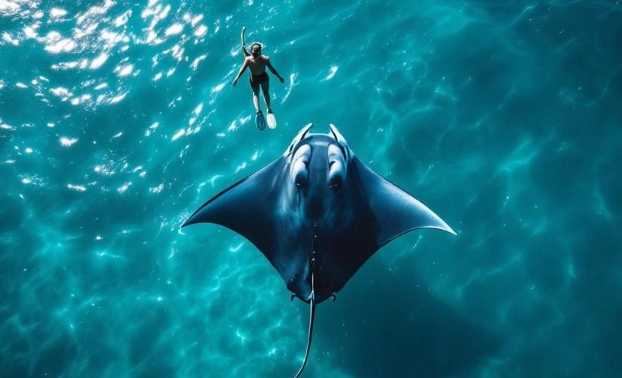
How to Choose the Right Manta Ray Snorkeling Tour
This is where most people, including my past self, mess up. You see a cheap price and jump on it. Big mistake. The quality of your operator makes or breaks this experience. It's the difference between a chaotic free-for-all that stresses the animals and a respectful, educational, and awe-inspiring few hours.
Here’s my checklist, born from a couple of mediocre tours I regret taking:
- Group Size: Ask directly: "What is the maximum number of snorkelers in the water at one time?" Anything over 15 is a red flag for me. 8-10 is ideal. Small groups mean less crowding, more personal attention from the guide, and a better experience for everyone—including the mantas.
- Guide-to-Guest Ratio: One guide for every 4-6 guests is good. They can keep an eye on you, point out mantas, and enforce the rules.
- The Briefing is Everything: A good operator will give a thorough, mandatory briefing on the boat. They should cover:
- The NO TOUCH rule. Not even a finger. Manta rays have a protective mucus coating on their skin. Touching it removes this layer, making them vulnerable to infection. This isn't just a guideline; it's crucial for their health.
- How to enter and exit the water calmly.
- How to position yourself (e.g., stay at the surface, don't dive down on top of them).
- Hand signals they'll use.
If the briefing is rushed or non-existent, be wary. - Boat Ethics: Do they anchor on the reef (bad) or use a mooring buoy (good)? How do they approach the site? Reckless speed near known manta areas is a huge negative.
- Conservation Contribution: Do they support local manta research or conservation projects? Many good operators partner with NGOs like the Manta Trust. This is a great sign they care about the long-term health of the population.
I learned this the hard way in Bali years ago. I took a cheap tour to Nusa Penida. There were 25 people on the boat. When we got to Manta Point, the crew just yelled "Go!" and everyone flopped into a strong current. The guides were more focused on herding people than watching the animals. It felt rushed and disrespectful. I saw mantas, but the experience left a sour taste. The next day, I paid double for a small-group, eco-focused tour. The difference was night and day. The guide was knowledgeable, kept us in a safe position, and gave us space to just watch. That was the trip I remember fondly.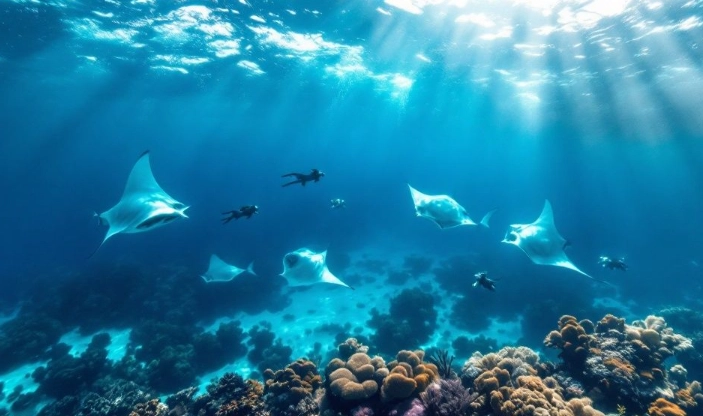
Your Pre-Trip Prep: What to Pack & Know
Forgetting something can really dampen the day. Here’s a no-fluff packing list and some pre-trip knowledge that’s actually useful.
The Essential Snorkel Bag Checklist
- A Well-Fitting Mask: This is non-negotiable. A leaky mask ruins everything. If you have your own, bring it. If you rent, spend time adjusting it perfectly on your face before you leave the dock. Pro tip: Smear a tiny bit of toothpaste on the inside of a new mask lens, rinse, and it helps prevent fogging.
- Snorkel & Fins: Most tours provide these, but if you're a serious snorkeler, your own fins can make a big difference in current.
- Wetsuit or Rash Guard: Even in tropical water, you'll be still at the surface for maybe an hour. You will get cold. A 2-3mm shorty or a full rash guard provides warmth and crucial sun/skin protection. Mantas sometimes get close—a rash guard protects you from accidental contact with their sandpapery skin.
- Sea-Sickness Remedy: Take it before you feel sick. The boat ride to sites is often in open water, and you'll be bobbing on the surface. This is the number one thing people regret not taking.
- Waterproof Camera: A GoPro or similar on a floating hand grip. Do not use a selfie stick to chase or poke animals. Let the mantas come to you.
- Reef-Safe Sunscreen: Apply it at least 30 minutes before getting in the water to let it absorb. Chemicals in regular sunscreen harm coral and plankton. Brands like Stream2Sea or Badger are good. A hat and long-sleeved shirt are even better.
- Reusable Water Bottle: Stay hydrated. Many boats now refuse single-use plastic.
Fitness and Skills: Do You Need to Be an Expert?
Not at all. But you do need basic water comfort and fitness.
You must be able to:
- Tread water or float comfortably for extended periods (up to 60 mins).
- Get back into the boat via a ladder (which can be tricky when tired).
- Swim moderately if there's a current to get to the viewing area.
Most of the time, you're just floating. But conditions change. I've been on trips where the current suddenly picked up, and we had to do a short, brisk swim to the safety line. If you're not a confident swimmer, tell your guide. They can give you a pool noodle or a life jacket (which you should use anyway if you're unsure) and keep a closer eye on you. There's no shame in it. The goal is to be safe and relaxed so you can enjoy the view.
Answering Your Big Questions (The FAQ You Actually Need)
Let's tackle those nagging questions that keep you up when planning.
Beyond the Snorkel: Conservation & Being a Responsible Visitor
This part matters. Tourism, if done poorly, can harm the very thing we come to see. Our collective actions determine if our kids will get to have this experience too.
Manta rays are vulnerable. They grow slowly, have few offspring, and are threatened by bycatch, the gill plate trade (driven by unsustainable demand in traditional medicine), and habitat degradation. Responsible tourism creates a direct economic value for living mantas, making them worth more alive to local communities than dead.
You can help by:
- Choosing Ethical Operators: As outlined above. Your money is a vote.
- Following the Rules: No touch, no chase, no flash photography. Maintain a 3-meter (10-foot) distance if you can.
- Supporting Science: Many projects use tourist photos to ID individual mantas (their belly spot patterns are like fingerprints). Share your photos with research groups like the Manta Trust's ID databases. It's citizen science at its best.
- Reducing Your Plastic Footprint: Plastics break down into microplastics that enter the food chain, eventually affecting the plankton mantas eat.
- Spreading the Word: Tell people why the rules exist. Peer pressure on the boat to behave respectfully is powerful.
For the most current scientific information and global conservation status, you can refer to resources from the IUCN Red List and the NOAA Fisheries page on Giant Manta Rays.
Final Thoughts: Making Your Dream Encounter a Reality
So, after all this, where is the best snorkeling with manta rays? The truth is, it's subjective.
If you want a guaranteed, theatrical, unique night-time spectacle, Kona, Hawaii is your spot. It's incredibly well-managed and reliable.
If you dream of swimming in crystal-clear tropical water alongside them in daylight, Indonesia's Nusa Penida is iconic, but go with a small, ethical operator.
If you want a chance at a truly awe-inspiring natural phenomenon with hundreds of animals, plan your trip to the Maldives during the peak season and book with a permit-holding eco-lodge.
My advice? Don't get paralyzed by the search for the single "best" place. Instead, match a destination to your travel style, budget, and the type of encounter you envision. Then, invest your time in finding the best tour operator in that location. That's the real secret sauce.
Do your homework, book a small-group tour with a conservation ethos, pack your patience and your sea-sickness pills, and go in with a sense of wonder, not entitlement.
The image of that silent, graceful giant soaring beneath you will stick with you forever. It's worth every bit of the planning. Now go get wet.
Reader Comments