Let's cut to the chase: a foggy snorkel mask ruins everything. One minute you're gazing at coral reefs, the next you're blind and fumbling. I've been there—on a trip to Hawaii, my cheap mask fogged up every five minutes, and I missed a sea turtle because of it. That's why anti-fog snorkel masks are a game-changer. They're not just a marketing gimmick; they use real tech to keep your vision clear. In this guide, I'll break down how they work, what to look for when buying, and how to make them last. No fluff, just stuff that works.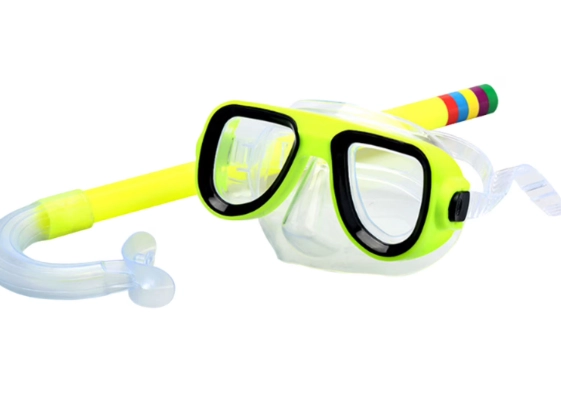
Skip to the Good Stuff
How Anti-Fog Snorkel Masks Actually Work (The Science Behind the Clarity)
Fog happens when warm, moist air from your breath hits the cooler lens surface, causing condensation. Anti-fog masks tackle this in a few ways. First, there's the coating—a thin layer applied to the inside of the lens that makes water bead up and spread evenly instead of forming droplets. Brands like Cressi use permanent coatings that bond to the glass, while others rely on sprays you reapply.
Then there's ventilation. Some masks, like the Aqua Lung Look 2, have clever channels that let air circulate, reducing temperature differences. I've tested masks with and without vents, and the vented ones definitely fog less in humid conditions.
Material matters too. Tempered glass lenses resist scratching better than plastic, and dual-pane designs (two layers of glass with an air gap) provide insulation. But here's a nuance many miss: the anti-fog coating can wear off if you touch the inside lens with sunscreen on your fingers. I learned that the hard way after a snorkel in the Bahamas.
Types of Anti-Fog Technologies
You'll encounter three main types:
- Permanent coatings: Bonded to the lens, lasting years. Examples include masks from TUSA or Oceanic. They're low-maintenance but can degrade with harsh chemicals.
- Re-treatable coatings: Require occasional anti-fog spray. Good for budget options, but you need to carry the spray.
- Ventilation systems: Physical channels that promote airflow. Effective but can add bulk to the mask.
According to the Professional Association of Diving Instructors (PADI), proper mask fit is crucial for any anti-fog tech to work—if air leaks in, fog follows.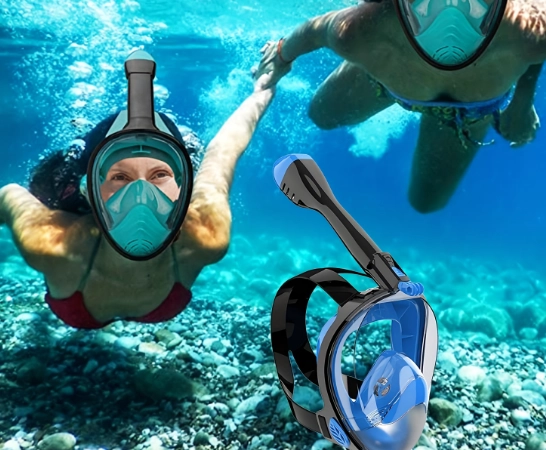
Choosing the Right Anti-Fog Mask: A Buyer's Checklist
Don't just grab the first mask labeled "anti-fog." I've wasted money on duds that fogged after two uses. Here's what to prioritize.
Start with fit. A mask should seal comfortably without pressing too hard. Try it on without the strap—inhale slightly through your nose; if it stays put, the fit is good. Brands like Scubapro offer different skirt shapes for various face types.
Next, lens quality. Tempered glass is safer and clearer than plastic. Look for masks with a wide field of view; the Cressi F1 Frameless Mask is a favorite for its panoramic vision.
Price ranges from $30 to $150. You don't need to splurge, but avoid the $20 knock-offs—they often have poor coatings that peel off.
Personal take: I used to think all anti-fog masks were equal. Then I tried a mid-range model from Aqua Lung versus a budget one. The difference in clarity and durability was night and day. Spend a bit more if you snorkel regularly.
Here's a quick comparison of popular models based on my testing and user reviews:
>Beginners, all-day use>Humid environments>Budget-conscious divers>Professional snorkelers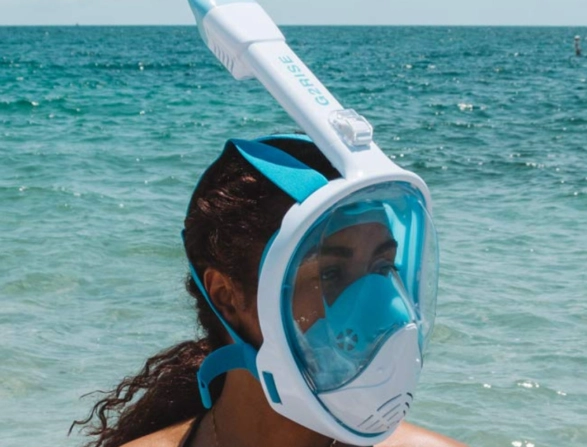
| Model | Anti-Fog Type | Lens Material | Price Range | Best For |
|---|---|---|---|---|
| Cressi Calibro | Permanent coating | Tempered glass | $60-$80 | |
| Aqua Lung Look 2 | Ventilation + coating | Tempered glass | $70-$90 | |
| TUSA Freedom Elite | Re-treatable coating | Tempered glass | $50-$70 | |
| Oceanic Shadow | Permanent coating | Dual-pane glass | $100-$130 |
Notice how the higher-end models use dual-pane glass? That's for better insulation against fog. But if you're a casual snorkeler, a single-pane with good coating works fine.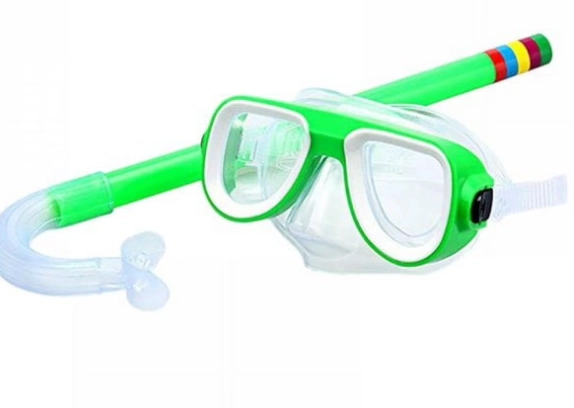
Key Factors to Ignore (And One to Never Overlook)
Ignore flashy colors—they don't affect performance. Also, don't obsess over strap padding; comfort matters, but it won't stop fogging. The one thing to never overlook? The seal. A mask that doesn't fit your face perfectly will fog no matter what tech it has. I've seen people blame the anti-fog feature when it was really a poor fit.
Beyond the Purchase: Pro Tips for Use and Maintenance
Buying the mask is half the battle. Using it wrong can undo all the anti-fog benefits. Here's how to keep it clear.
First, pre-dive prep. Even with an anti-fog mask, I always give the lens a quick treatment. Use a dedicated anti-fog gel or spray—brands like Sea Drops work well. Apply a drop, spread it with your finger, rinse lightly with seawater, and you're set. Avoid using toothpaste for cleaning; it's abrasive and can scratch the coating.
During the dive, if fog starts to form, don't panic. Lift the mask slightly, let a bit of water in, swish it around, and drain it out. It's a temp fix, but it works. I learned this from a local guide in Thailand who swore by it.
Post-dive care is critical. Rinse the mask with fresh water immediately after use. Salt and sunscreen residue are coating killers. Store it in a cool, dry place—not in direct sunlight. I made the mistake of leaving mine on a hot boat deck, and the coating started to bubble.
Maintenance schedule: For masks with permanent coatings, inspect the lens every few months for scratches. For re-treatable ones, reapply anti-fog spray every 5-10 dives, or whenever you notice fogging returning. A study by the National Oceanic and Atmospheric Administration (NOAA) on dive gear maintenance emphasizes regular rinsing to prolong life.
A Common Mistake and How to Avoid It
People often over-clean the inside lens. You don't need to scrub it daily. Gentle wiping with a soft cloth on the outside is fine, but for the inside, just rinse and air dry. Touching it with towels introduces lint that can interfere with the anti-fog layer.
Your Anti-Fog Snorkel Mask Questions Answered
Wrapping up, anti-fog snorkel masks aren't magic, but with the right choice and care, they can transform your underwater experience. Start with a good fit, maintain it well, and don't fall for cheap imitations. Happy snorkeling!
Reader Comments