Quick Guide
- Why Choose Guanacaste for Your Snorkeling Adventure?
- The Top Spots for Snorkeling in Guanacaste: A Detailed Breakdown
- The Nitty-Gritty: When to Go, What to Bring, and How to Stay Safe
- What Will You See? A Peek at Guanacaste's Marine Life
- Guided Tour vs. DIY Snorkeling
- Your Snorkeling in Guanacaste FAQ Answered
- Making Your Trip Sustainable
- Final Thoughts Before You Dive In
Let's be honest, when you think of snorkeling in Costa Rica, your mind probably jumps straight to the Caribbean side. The postcards from Cahuita and the stories from Puerto Viejo are everywhere. But what if I told you that some of the most accessible, wildlife-rich, and honestly, underrated snorkeling spots are waiting for you on the other coast? I'm talking about Guanacaste.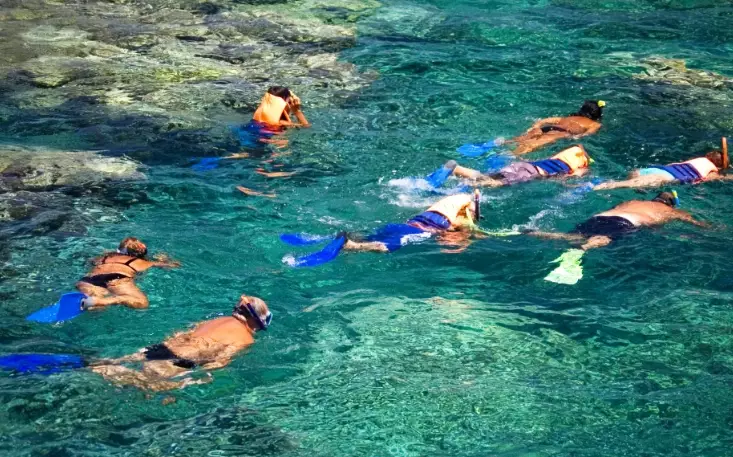
Guanacaste is Costa Rica's dry, golden province, famous for epic surf, ranch culture, and those seemingly endless sunny days. The water here is the deep, rich blue of the Pacific, and the underwater world is a different beast altogether compared to the Caribbean. We're talking massive schools of fish, dramatic rock formations, and if you're lucky, encounters with bigger pelagic friends. Snorkeling in Costa Rica Guanacaste offers a unique adventure that often gets overshadowed.
I've spent a lot of time floating face-down in these waters, from the busy bays near resorts to the more secluded coves you need a boat to reach. This guide isn't just a rehash of tourist brochures. It's a practical, from-the-ground (or should I say, from-the-water) look at what you can really expect. I'll tell you about the spots that made me gasp, the ones that were just okay, and the crucial things nobody seems to mention about tides and visibility.
Why Choose Guanacaste for Your Snorkeling Adventure?
First off, let's clear something up. The Pacific coast isn't about the same kind of coral gardens you see in Belize or on the Caribbean side. The reefs here are primarily rock reefs, formed by ancient volcanic activity. Don't let that fool you into thinking it's less impressive. These structures are teeming with life. The nutrient-rich Pacific currents attract an incredible diversity of fish, making snorkeling in Costa Rica Guanacaste a vibrant, action-packed experience.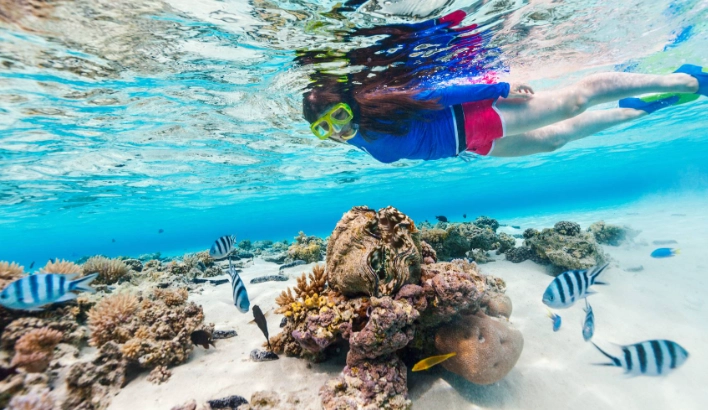
The accessibility is a huge win. Many of the best spots are a short swim from the beach or a quick boat ride from main tourist hubs like Tamarindo, Playas del Coco, or Flamingo. You don't need to embark on a multi-hour journey to get to good water. For families or those with limited time, this is a game-changer.
And then there's the consistency of weather. Guanacaste's dry season (roughly December to April) offers some of the most reliably sunny and calm conditions in the country. While other regions might be getting rain, you're likely enjoying clear skies and calm seas perfect for a day on the water. The wet season (May to November) has its perks too—lush landscapes, fewer crowds, and often calmer mornings—though afternoon storms can pop up.
The Top Spots for Snorkeling in Guanacaste: A Detailed Breakdown
Not all beaches in Guanacaste are created equal for snorkeling. Some are pure swimming and sunbathing, while others are underwater wonderlands. Here’s my honest rundown of the top places to stick your face in the water.
Catalina Islands (Islas Catalinas)
This is the crown jewel for a reason. It's not a beach spot; you need a boat tour from places like Playas del Coco, Flamingo, or Tamarindo. The Catalinas are a series of rocky islets, and the snorkeling here is in a different league. The water is deep and clear, and the rock walls are covered in sponges, corals, and an absolute circus of fish.
What you might see: Giant schools of snapper, angelfish, puffers, moray eels, and eagle rays gliding by. From December to April, this is one of the most reliable spots in Costa Rica to snorkel with Pacific bull rays and, on rare, magical occasions, manta rays. It's also a famous diving site, so don't be surprised to see bubbles from below.
Playa La Penca & Playa Pan de Azúcar
These two beaches, located just south of the bustling Playa Flamingo, are my favorite easy-access snorkel spots. You park, walk down, and swim out. The entrance is a bit rocky, so water shoes are highly recommended. Once you're out about 50-100 meters, you'll find a large, submerged rock formation that acts as a magnet for marine life.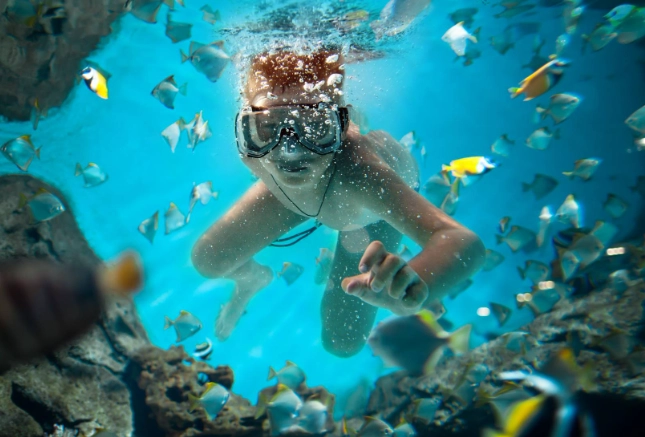
I've had some of my best turtle encounters here—just casually munching on seaweed. You'll also find pufferfish, trumpetfish, and loads of colorful wrasses. The best part? It's rarely crowded, especially on weekdays. It feels like your own little discovery.
Playa Conchal
Famous for its beach made of crushed shells, Conchal is also a decent snorkeling spot, particularly at the far southern end near the rocks. The water is usually calm and clear. It's perfect for beginners or families with kids who are just getting the hang of it. You won't see the dramatic drop-offs of the Catalinas, but you'll spot plenty of reef fish in the shallower areas.
A major bonus? The stunning beauty of the beach itself makes for a perfect full-day outing.
Playa Ocotal
This small, dark-sand beach near Playas del Coco is a local secret. It's quieter than its famous neighbor and has interesting rock formations at both ends. The snorkeling is best on the southern end. It's a relaxed, low-pressure environment. Great for a morning snorkel followed by lunch at one of the casual *sodas* (local eateries) overlooking the water.
Bahía de los Piratas (Pirate's Bay)
Accessible only by boat or a moderately challenging hike from Brasilito, this secluded bay feels like a true adventure. The effort filters out the crowds. The snorkeling around the rocky points of the bay is rewarding, with healthy fish populations. The sense of discovery here is real. Pack water and snacks, as there are no facilities.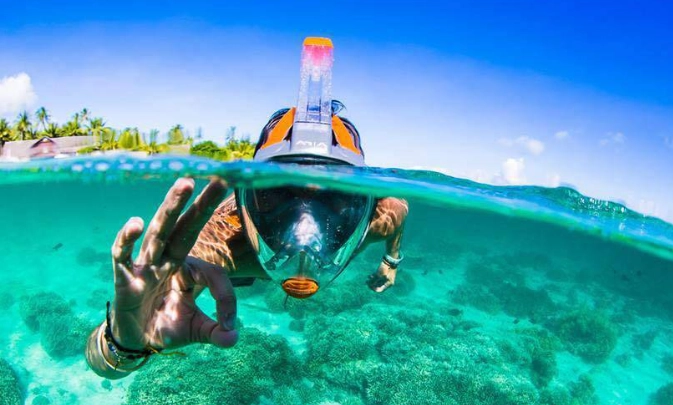
| Snorkeling Spot | Best For | Access | Key Sightings | My Rating (1-5) |
|---|---|---|---|---|
| Catalina Islands | Experienced snorkelers, seeing big pelagics | Boat tour only | Rays, large schools, occasional mantas | 5 (for adventure) |
| Playa La Penca | Easy access, families, turtles | Walk from parking | Sea turtles, reef fish, calm waters | 4.5 |
| Playa Conchal | Beginners, families with kids | Walk from beach | Colorful reef fish in shallow areas |
The Nitty-Gritty: When to Go, What to Bring, and How to Stay Safe
Alright, you know where to go. Now let's talk about the how. This is the stuff that can make or break your day of snorkeling in Costa Rica Guanacaste.
Best Time of Year & Day
Dry Season (Dec-Apr): Peak tourist season. Guaranteed sun, calm seas, and the best overall visibility. It's also the most crowded and expensive. Mornings are almost always glassy calm.
Wet Season (May-Nov): Don't write it off. Mornings are typically sunny and calm. The ocean can be like a lake. The risk is afternoon rain and storms, which can churn up the water. The upside? Lush green scenery and no crowds. September and October are the rainiest and can have reduced visibility for days.
Rule of thumb: Go early. Always. The wind usually picks up around midday.
Essential Gear You Actually Need
You can rent gear everywhere, but here's my advice.
- Mask & Snorkel: If you're serious about snorkeling, bring your own well-fitting mask. A leaky mask ruins everything. A dry-top snorkel is a nice luxury to prevent water intake if a wave hits.
- Fins: Not optional. They give you power to fight a slight current and protect your feet. Open-heel fins with booties are best for rocky entries.
- Rash Guard or Wetsuit Top: The sun is intense at the equator, even through water. A long-sleeve rash guard protects your back from a brutal sunburn. A 1-2mm top also adds warmth if you get chilled easily.
- Water Shoes: For those rocky beach entries. Trust me on this.
- Waterproof Bag/Dry Bag: For your keys, phone, wallet.
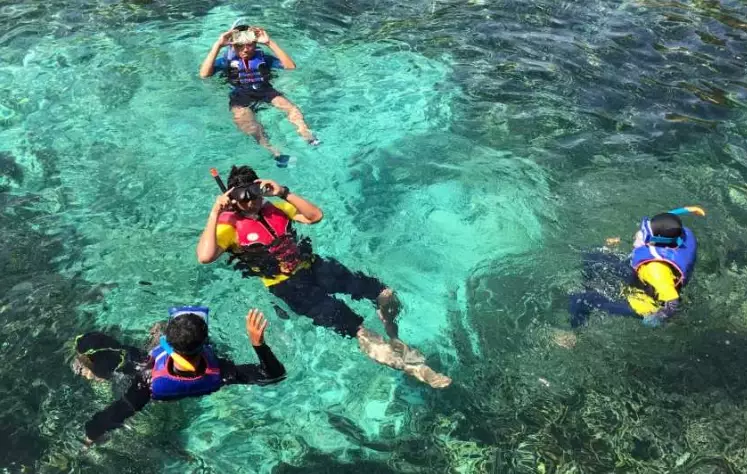
Safety First: The Non-Negotiables
- Never Snorkel Alone. Just don't. Have a buddy.
- Check Conditions. Ask locals or tour operators about currents that day. If the water looks rough or murky from shore, it probably is.
- Respect Marine Life. Look, don't touch. Don't stand on coral (it's alive and fragile). Don't chase turtles or rays. The Costa Rican National System of Conservation Areas (SINAC) has strict rules about wildlife interaction.
- Hydrate. Snorkeling is exercise, and the sun is dehydrating. Drink plenty of water before and after.
- Know Your Limits. If you're tired, get out. If a current is pulling you out, swim parallel to shore to escape it, not directly against it.
What Will You See? A Peek at Guanacaste's Marine Life
The cast of characters you'll meet while snorkeling in Costa Rica Guanacaste is spectacular. It's a different roster than the Caribbean.
- Fish Galore: Angelfish (the majestic Cortez angelfish is a showstopper), parrotfish, triggerfish, pufferfish, snapper, grunts, and giant schools of sardines that move like liquid silver.
- The Big Guys: Spotted eagle rays are common and breathtaking. Pacific bull rays are frequent visitors to cleaning stations. Sea turtles (mostly olive ridleys and Pacific greens) are often seen munching on algae. In the right season and place, you might spot a manta ray or even a harmless whale shark (extremely rare while snorkeling).
- Invertebrates: Look for moray eels peeking from crevices, octopus (masters of camouflage), starfish, and sea urchins (watch where you put your hands and feet!).
Guided Tour vs. DIY Snorkeling
This is a big decision. Here's the breakdown.
Guided Tours (Recommended for Catalinas & for beginners): You pay for convenience, safety, and local knowledge. A good operator knows the exact spots with the best activity that day, provides all gear, handles the boat, and has a guide in the water pointing things out. They also carry safety equipment. For offshore spots like the Catalina Islands, a tour is basically mandatory. Look for operators with a CST (Certificado de Sostenibilidad Turística) sustainability certification—it means they're following best practices.
DIY Snorkeling (Great for accessible beach spots): More freedom, less cost. Perfect for places like Playa La Penca, Conchal, or Ocotal. You go at your own pace. The downside is you're on your own for safety, navigation, and finding the good spots. You also need your own transport.
My advice? Do both. Take a guided boat trip for the big adventure, and have a couple of DIY days at the easier beaches. It gives you the full spectrum of what snorkeling in Costa Rica Guanacaste has to offer.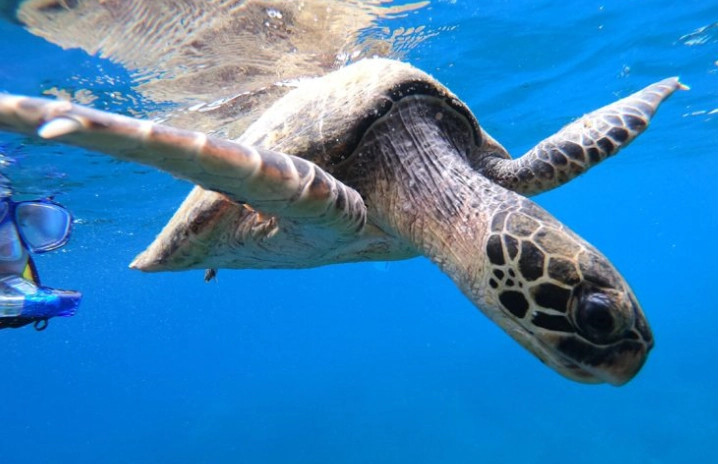
Your Snorkeling in Guanacaste FAQ Answered
Making Your Trip Sustainable
This isn't just a feel-good extra; it's essential. The health of these spots for future snorkelers depends on it.
- Choose Responsible Operators: Look for those CST certification or clear policies on group size, anchoring (using buoys instead of dropping anchors on reefs), and wildlife interaction.
- Reef-Safe Sunscreen Only: I'm saying it again because it's that important.
- Take Nothing, Leave Nothing: Don't collect shells, corals, or anything else. All your trash, including tiny bits, goes back with you.
- Support Local: Eat at local sodas, hire local guides, buy from local shops. It keeps the economy healthy and gives communities a reason to protect their natural resources.
The goal of snorkeling in Costa Rica Guanacaste should be to have an amazing experience while leaving the place exactly as you found it, or better.
Final Thoughts Before You Dive In
Snorkeling in Costa Rica Guanacaste might not have been your first thought, but I hope it is now. It's a unique, accessible, and thrilling way to experience the rich Pacific waters of this incredible region. You get the convenience of great infrastructure combined with wild, open-ocean energy.
Manage your expectations. You're not going to find 100-foot visibility every day (though when you do, it's magical). Some days the water is a bit choppy, some days the fish are hiding. That's nature. But if you pick the right spot for your skill level, go with a good attitude and respect for the ocean, you are in for an absolute treat.
So pack that rash guard, book that early morning boat, or just drive to a quiet cove. The underwater world of Guanacaste is waiting to surprise you.
Reader Comments