Let's be honest. You've seen those incredible snorkeling photos online—crystal-clear water, vibrant coral, a sea turtle gliding right past the lens. You get back from your own trip, pull out your camera, and... the colors are all blue and murky. The fish are tiny blurs. It's disappointing. The problem isn't you; it's that most cameras aren't built for the unique challenges of underwater photography. Finding the best underwater camera for snorkeling is about matching gear to the environment. It's not just about being waterproof; it's about capturing light, color, and life in a way that does the scene justice.
I've been snorkeling and shooting underwater for over a decade, from the reefs of Bonaire to the cenotes of Mexico. I've flooded cheap housings and struggled with backscatter. Through trial and error, I've learned what actually works when you're floating on the surface, trying to frame a shot one-handed. This guide skips the marketing fluff and gets straight to what you need to know.
What's Inside?
How to Choose the Right Underwater Camera for Your Snorkeling Style
Before we talk about megapixels and housing depth ratings, ask yourself one question: What kind of snorkeler are you? Your answer will point you to the right type of camera. Most people get this wrong and end up with gear that's either overkill or frustratingly limited.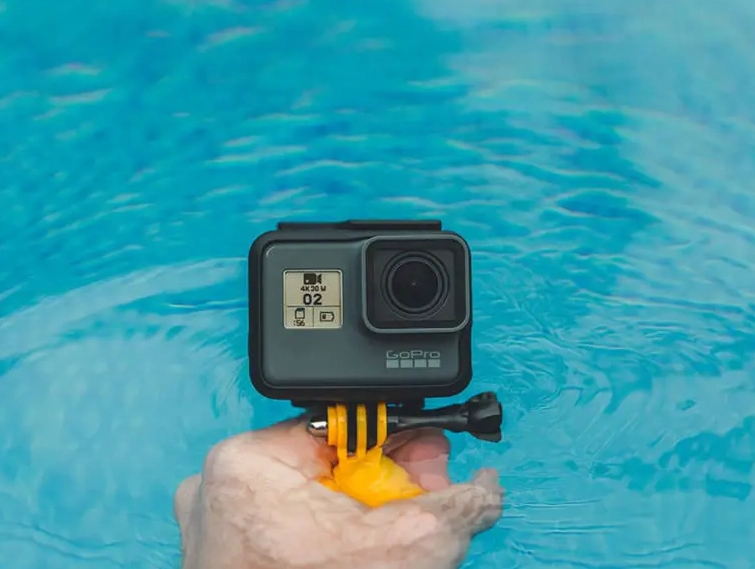
The Casual Vacation Snorkeler
You snorkel a few times a year on holiday. Your priority is simplicity. You want to point, shoot, and get a decent, shareable photo without fiddling with settings. For you, a rugged compact camera or a newer smartphone in a high-quality housing is perfect. Think Olympus Tough TG-6 or a GoPro. Avoid complex systems with separate housings that require o-ring maintenance unless you're willing to learn.
The Aspiring Underwater Photographer
You're hooked. You notice the difference between soft and hard coral, and you want to capture it. Image quality and creative control matter. You'll benefit from a camera with a larger sensor (1-inch or bigger), manual controls, and the ability to add wet lenses (like wide-angle or macro diopters). Cameras like the Sony RX100 series in a dedicated housing, or the Panasonic Lumix LX10, are in your sweet spot. This is where most enthusiasts find their happy place.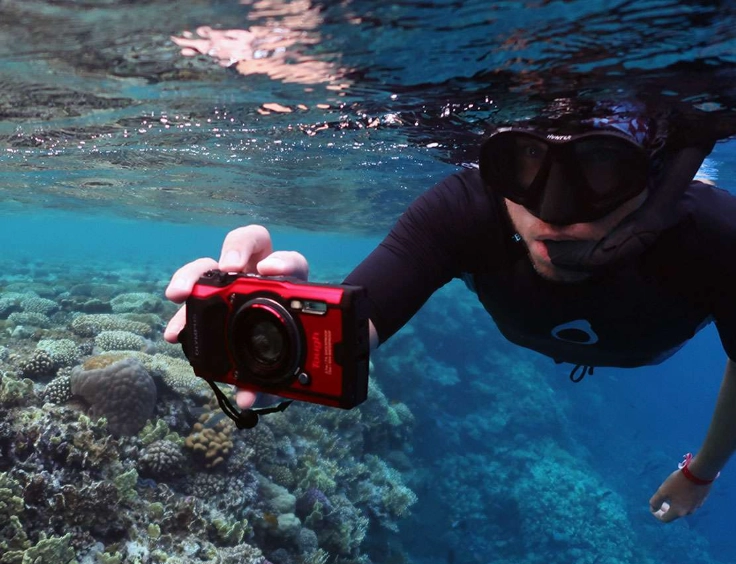
The Active Adventurer
Snorkeling is just part of the day—you might be kayaking, cliff jumping, or chasing kids on the beach. Durability and hands-free operation are king. An action camera like a GoPro Hero or DJI Osmo Action is your tool. Mount it on your mask, hold it on a selfie stick, and forget it. The video will be smooth, and you can grab stills from the footage later. Just accept that still photo quality won't match a dedicated camera.
A Non-Consensus Tip: Don't underestimate the power of your current smartphone. If you only snorkel occasionally, investing in a $50-$100 housing from a reputable brand like SeaLife or Kraken can yield surprisingly good results, often better than a budget underwater camera. The computational photography in modern phones (like Apple's iPhone or Google's Pixel) does wonders for color and detail. It's a fantastic low-cost entry point.
Top Picks for Snorkelers: A Side-by-Side Comparison
Here’s a breakdown of current models that excel for snorkeling. I'm ignoring cameras that require bulky, expensive professional housings—that's scuba territory. This table focuses on what works for the surface snorkeler.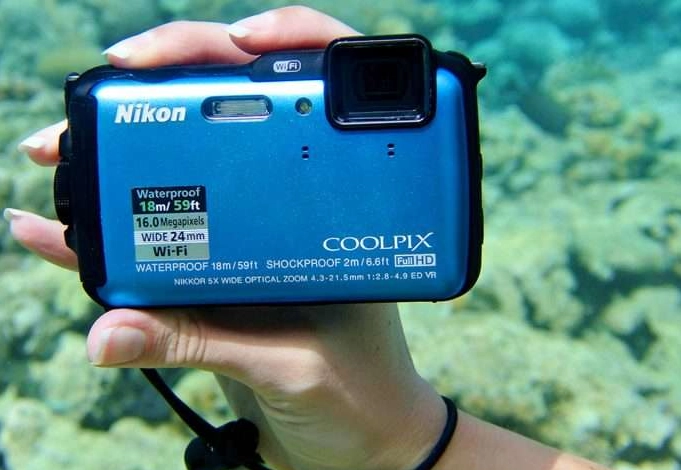
| Camera Model | Type | Key Feature for Snorkeling | Max Waterproof Depth (No Housing) | Approx. Price Point | Best For |
|---|---|---|---|---|---|
| Olympus Tough TG-6 | Rugged Compact | Microscope mode for super macro, excellent built-in underwater scene modes. | 50 ft / 15 m | $500 | Macro lovers, casual users who want great colors straight out of the camera. |
| GoPro Hero 12 Black | Action Camera | HyperSmooth 6.0 stabilization, 10-bit color for better editing, easy mounting. | 33 ft / 10 m | Video-focused snorkelers, families, active adventurers. | |
| Sony RX100 VII (in Housing) | Premium Compact | Large 1-inch sensor, fast autofocus, incredible image quality in a small package. | Depends on housing (e.g., 130 ft / 40m with Fantasea) | Enthusiasts demanding the best still photo quality. | |
| Panasonic Lumix TS5 / FT5 | Rugged Compact | Built-in GPS and compass, 4K video, very durable. | 102 ft / 31 m | Snorkelers who also hike or need navigation features. | |
| DJI Osmo Action 4 | Action Camera | Larger sensor for better low-light performance, RockSteady stabilization. | 59 ft / 18 m | A great GoPro alternative, especially in greenish water. |
My personal go-to for most tropical snorkeling is the Olympus TG-6. Why? Its underwater white balance mode is magic. You press a button, it reads the scene, and suddenly the blues and greens vanish, revealing the true reds and yellows of the reef. No filter needed in shallow water. It's that simple. For video diaries and capturing the action of a turtle swimming by, the GoPro is unbeatable for ease.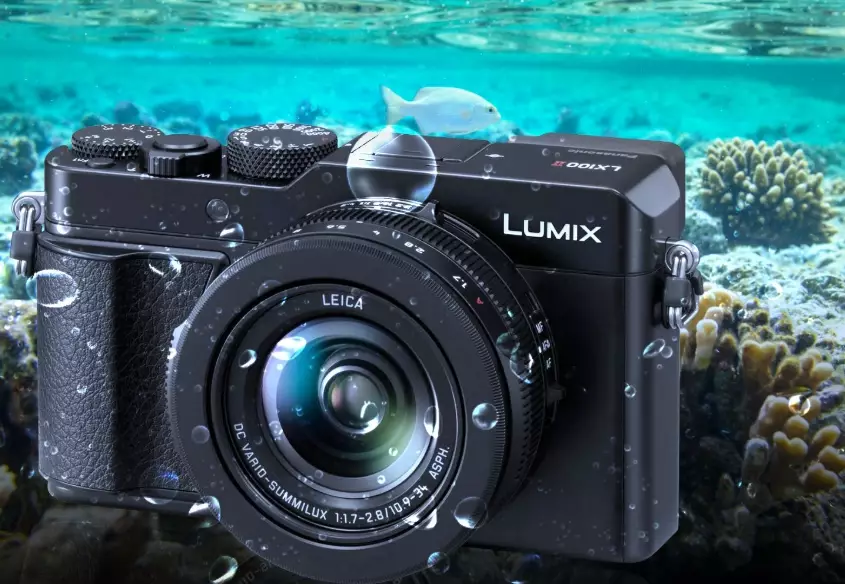
What Are the Key Features to Look for in a Snorkeling Camera?
Spec sheets are confusing. Here’s what those numbers actually mean for you in the water.
Waterproof Rating & Housing
A camera rated to 33ft (10m) is fine for snorkeling—you're rarely deeper than 10-15ft. The real issue is housing integrity. For cameras that need a separate housing (like the Sony RX100), o-ring care is critical. A speck of sand or hair can cause a flood. I always carry silicone grease and inspect the o-ring every time. Rugged compacts (TG-6, TS5) have sealed bodies, which are more forgiving but can still fail if the battery door isn't perfectly locked.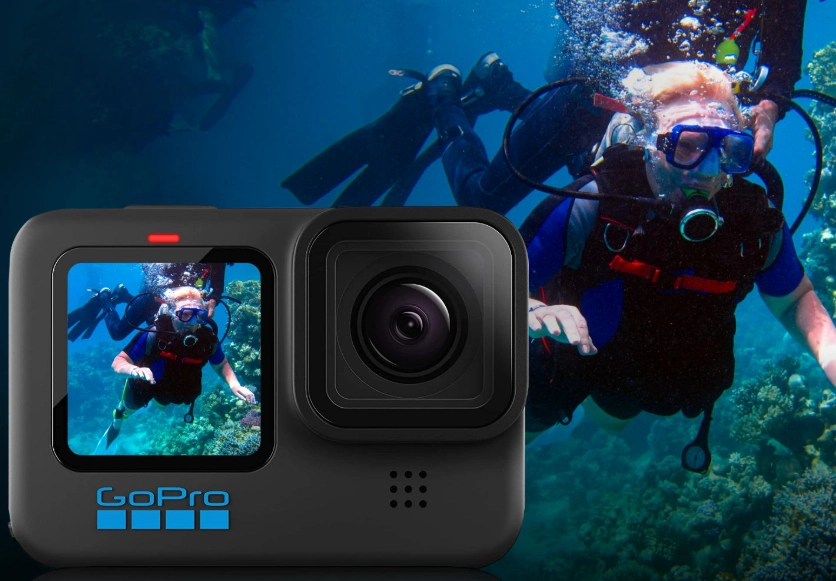
Image & Video Quality
Sensor size matters more than megapixels. A 20MP 1/2.3-inch sensor (common in rugged compacts) will struggle in low light compared to a 20MP 1-inch sensor. For snorkeling in bright, shallow water, this is less critical. Look for good dynamic range—the ability to see detail in both the bright surface and the darker reef below. Video shooters should prioritize stabilization (like GoPro's HyperSmooth) over raw resolution. 4K is nice, but a shaky 4K video is unwatchable.
Ease of Use
Can you operate it with one hand? Are the buttons large and tactile enough to feel with cold, wet fingers? Touchscreens often fail underwater or through a housing. Physical buttons are better. A quick-access underwater mode or white balance control is a huge plus.
Battery Life
It always dies faster than you think. Cold water drains batteries. A camera with a removable battery is essential. Bring at least two, and keep the spare in a dry, warm pocket. I learned this the hard way in Belize, missing a massive school of jacks because my camera shut down.
Stabilization
You're floating, moving with the waves. Electronic Image Stabilization (EIS) or in-body stabilization (IBIS) is crucial for watchable video and sharp stills. This is where action cameras truly shine.
How to Take Stunning Underwater Photos and Videos
Great gear helps, but technique is everything. Here are the methods that transformed my own photos.
Mastering Light and Color
Water acts as a filter, absorbing reds, oranges, and yellows first. Below 10 feet, everything has a blue or green cast. You have two weapons:
- Get Close, Then Get Closer: The less water between your lens and the subject, the less color loss. Most beginner shots are taken from too far away.
- Use a Red Filter or Manual White Balance: In shallow water (5-25ft), a magenta or red filter can restore warmth. Better yet, use your camera's custom white balance function. Point it at a gray rock or your own palm (in the same light as your subject) and set the balance. The Olympus TG-6's underwater white balance mode automates this perfectly.
Composition and Getting Close
Move slowly. Let the fish come to you. Aim to shoot slightly upwards towards the surface to create a lighter, more appealing background. For coral, get parallel to it to keep the whole scene in focus. And seriously, get close. If you think you're close enough, take two more slow fin kicks forward.
Practical Tips for the Water
Attach a floater strap or wrist lanyard. A sinking camera is a lost camera. Before entering the water, breathe on the inside of your housing's port to prevent fogging (the moisture from your breath creates a temporary anti-fog layer). Rinse everything thoroughly with fresh water after every saltwater use, especially buttons and o-ring grooves.
Common Snorkeling Camera Questions Answered (FAQ)
Choosing the best underwater camera for snorkeling comes down to balancing your budget, your desired image quality, and how much complexity you're willing to manage. For most people, a rugged compact like the Olympus TG-6 hits the sweet spot of simplicity and capability. If your heart is set on silky-smooth video, an action camera is your pick. And if you find yourself wanting more, the world of housed compacts awaits. The key is to get something, learn its strengths, and get in the water. The memories you'll capture are worth far more than the gear.
Reader Comments