You're ready to take the plunge. You've booked the tropical trip, you can picture the turquoise water, but there's one nagging thought: what snorkel should I actually buy? Walk into any dive shop or browse online, and you're hit with a wall of jargon—dry top, semi-dry, purge valve, flexible tube. It's overwhelming. Most advice out there just lists features without explaining why they matter for you, a beginner. I've been teaching snorkeling for over a decade, and I've seen the same mistakes repeated. The wrong snorkel doesn't just ruin a day; it can turn someone off the water for good. Let's fix that. This guide isn't about the flashiest gear; it's about the snorkel that will make your first experiences safe, comfortable, and genuinely fun.
Your Quick Navigation
Why the Right Snorkel Matters for Beginners
Think of your snorkel as your lifeline to air while your face is in the water. A bad one fights you. It lets water in constantly, forcing you to interrupt your view of that turtle to clear it. It can be uncomfortable, causing jaw fatigue. The goal for your first snorkel is simplicity and reliability. You want to breathe without thinking about it, so your brain is free to be amazed by the fish, not your equipment.
Many beginners gravitate toward complex-looking gear, assuming more features mean better performance. That's often wrong. A overly complicated snorkel can be harder to clear, more prone to failure, and distracting. The Professional Association of Diving Instructors (PADI) emphasizes that for entry-level snorkeling, ease of use and comfort are paramount. Your primary focus should be on breathing effortlessly and maintaining a relaxed body position, not managing your gear.
The Main Types of Snorkels Explained
Let's demystify the three main categories. Forget the marketing names; here’s what they actually mean for your experience.
The Classic J-Snorkel (Wet Snorkel)
This is the simple, bent tube. No valves, no fancy tops. If water gets in, you blow it out forcefully. It's reliable, cheap, and has no parts to break. The downside? You will get water in your mouth from splashes or if you dive under. For a complete beginner who might panic when needing to clear water, it's not my first recommendation. However, it's a fantastic, no-fuss backup to keep in your gear bag.
The Semi-Dry Snorkel
This is the sweet spot for 95% of adult beginners. It has a simple splash guard (a capped top with small openings) at the top. This deflects waves and spray, significantly reducing the amount of water that enters the tube. It almost always includes a purge valve at the bottom. This is a one-way valve that lets water drain out with minimal effort when you exhale. You still need to know how to clear it, but it's much easier. It offers a great balance of protection and simplicity.
The Dry Snorkel
The dry snorkel has a sealed float mechanism inside the top chamber. When the top goes underwater, the float rises and seals the tube, theoretically preventing water from entering. Sounds perfect, right? For surface snorkeling in calm conditions, it can be. But they are bulkier, can create more drag, and that float mechanism can sometimes stick or seal prematurely (the "panic moment" I mentioned). They also require more effort to clear if the seal does get breached. I find them less reliable for the price.
Anatomy of a Snorkel: What Each Part Does
Understanding these components helps you make an informed choice.
The Mouthpiece: This is your interface. Silicone is the gold standard—soft, flexible, and hypoallergenic. A good mouthpiece will have a wide, ergonomic flange that sits comfortably between your teeth and lips without causing jaw fatigue. Avoid hard plastic.
The Tube: Diameter matters. A wider tube (around ¾ inch or 2cm) offers less breathing resistance. Length is standardized, but a slightly flexible lower section (where it connects to the mask) can reduce jaw strain by allowing some movement.
The Purge Valve: A small, simple silicone flap at the lowest point of the tube or in a separate chamber. Its sole job is to let water drain out when you exhale. Look for one that's easy to access for cleaning. A common failure point is sand or debris getting stuck under the flap, so a design that's easy to rinse is key.
The Splash Guard or Dry Top: This is the top closure. A splash guard is a fixed cap with holes. A dry top is a sealed chamber with a moving float inside.
The Mask Clip: Often overlooked. A secure, easy-to-use clip that keeps the snorkel attached to your mask strap without sliding around. A snorkel that wobbles is annoying.
How to Choose the Best Snorkel for You?
Don't just buy the top result on Amazon. Ask yourself these questions:
Where will you snorkel? Calm, protected coves and lakes? A semi-dry is perfect. Choppy ocean waters with waves? The simplicity and reliability of a semi-dry still wins for me, though some prefer a dry top. Avoid complex dry tops for rough conditions.
Do you plan to dive underwater? If you want to duck-dive down to get a closer look, a dry snorkel is a poor choice—the mechanism will seal as you descend, and you can't breathe through it anyway. A simple J-style or semi-dry is better for freediving.
What's your comfort with water? If the thought of any water in the tube causes anxiety, a dry snorkel might offer psychological comfort initially. But please practice clearing it in a pool first. For most, the semi-dry's ease of clearing builds confidence faster.
Try it with your mask. This is crucial. The snorkel should clip to your mask strap comfortably. The mouthpiece should reach your mouth without you having to stretch your lips or cram the bit in. Your dive shop should let you test this.
Top Snorkel Picks for Beginner Adults
Based on years of fitting beginners, here are my go-to recommendations. These balance quality, value, and user-friendliness.
| Snorkel Model & Type | Best For | Key Features | Potential Drawback |
|---|---|---|---|
| Cressi Supernova Dry (Semi-Dry) | The all-rounder. My top pick for most first-timers. | Excellent splash guard, large purge valve that works reliably, super soft mouthpiece, flexible lower tube. Cressi is a trusted brand from Italy. | The purge valve cover can occasionally trap a tiny air bubble, causing a slight gurgle—easily fixed by a sharper exhale. |
| Aqua Lung Impulse Flex (Semi-Dry) | Those who want maximum comfort and flexibility. | The lower 1/3 of the tube is highly flexible, reducing pressure on your jaw and teeth. Great purge system, low-profile design. | Slightly higher price point. The flexibility, while comfortable, can feel less rigid to some. |
| Mares Ergo Dry (Dry Snorkel) | Beginners adamant about a dry-top system. | Angled dry chamber works well, comfortable mouthpiece with a wide flange, streamlined shape creates less drag. | All dry snorkels share the potential for the float to stick. Requires more diligent post-saltwater rinsing. |
| Oceanic Ultra Dry 2 (Dry Snorkel) | Surface-only snorkelers in calm water. | Very effective dry system with a large float, includes a water reservoir to collect minor leakage, comfortable bite. | Bulky. The reservoir can be noisy when sloshing. Not suitable for diving down. |
| Scubapro Escape (Simple J-Style) | The minimalist or backup gear. | Dead simple, robust, affordable. Perfect for learning the fundamental clearing technique without aids. | No splash protection. You will swallow a bit of seawater. Not the most comfortable for long surface sessions. |
My personal workhorse for teaching is the Cressi Supernova. It's the one I've had the fewest complaints about and has survived years of student use. The Aqua Lung Impulse is what I recommend to friends who have issues with jaw tension.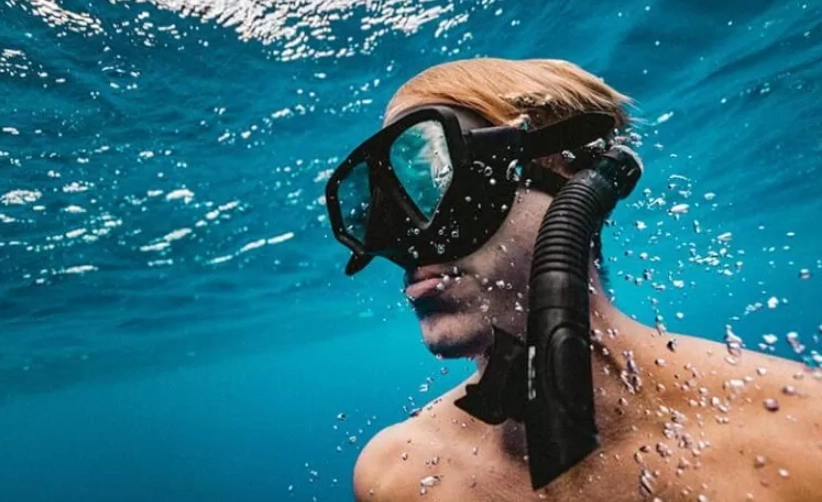
How to Use Your Snorkel Correctly
Buying the right tool is half the battle. Using it right is the other.
Positioning: The snorkel should attach to the left side of your mask strap (by convention, as scuba regulators come over the right shoulder). The tube should run alongside your head, not sticking straight up like a periscope—that catches waves.
The Bite: Place the mouthpiece between your teeth and seal your lips around the flange. Don't clamp down with your jaw. A relaxed, firm seal is enough.
Breathing: Breathe slowly, deeply, and deliberately through your mouth. Listen to the sound of your breath. This rhythmic sound is calming and ensures you're getting enough air.
Clearing (The Essential Skill): Water will get in. When it does, don't panic. Exhale a sharp, forceful burst of air—a "blast"—through the mouthpiece. This forces the water out, either up through the top or down through the purge valve. Practice this in a pool or shallow, calm water until it's second nature. With a purge valve, a gentler exhale often does the trick.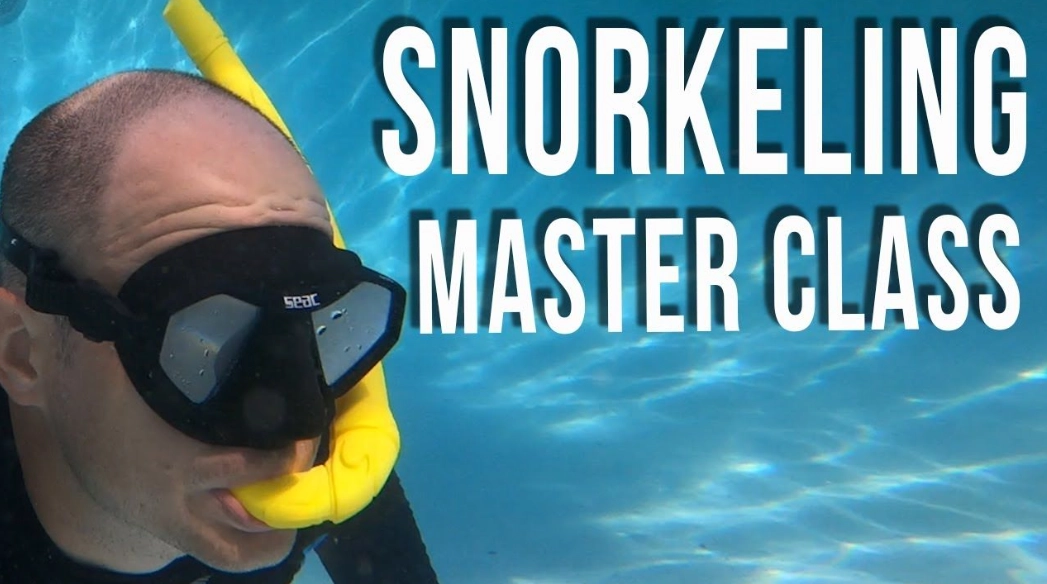
Your Snorkel Questions, Answered
 How do I prevent fogging in my mask with the snorkel in place?
The right snorkel is an uncomplicated piece of gear that opens up a world of wonder. By focusing on a comfortable, reliable semi-dry model from a reputable brand, practicing your clearing technique, and ignoring the flashy marketing, you're setting yourself up for success. Now, go find that perfect, calm bay, take a slow, deep breath through your new snorkel, and look down. The underwater world is waiting.
Reader Comments