Your Underwater Photography Roadmap
- Before You Even Look at Cameras: Ask Yourself These Questions
- The Main Contenders: Breaking Down Your Options
- Head-to-Head: A Quick Comparison Table
- The Unsung Heroes: It's Not Just About the Camera
- So, What *Is* The Best Camera for Underwater? My Recommendations by Scenario
- Buying Tips & Common Pitfalls
- Answering Your Burning Questions (FAQ)
- Wrapping It Up: Your Next Step
You typed that exact question into Google, didn't you? "What is the best camera for underwater?" I've been there. Standing in front of a screen, overwhelmed by specs, reviews, and prices that range from "not bad" to "I'd need a second mortgage." The truth is, that question is a bit like asking "what's the best vehicle?" Are you commuting in the city, hauling lumber, or racing on a track? The answer changes completely.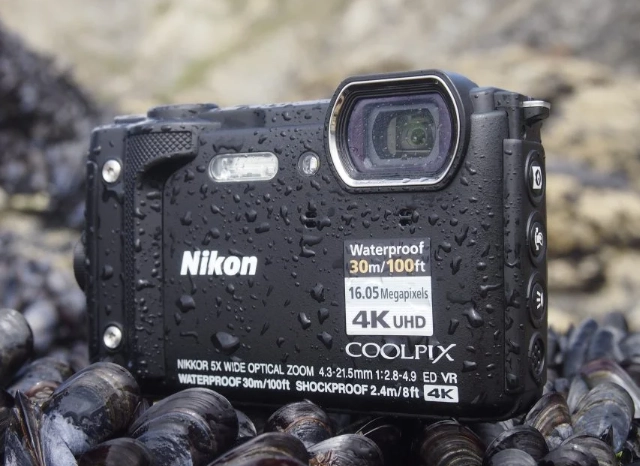
So, let's reframe it. What is the best camera for underwater for you? That's what we're really after. I've flooded a housing (a sad, expensive day), fumbled with tiny buttons in thick gloves, and come up with blurry shots of fish butts. I've also captured moments that still take my breath away. This guide is the one I wish I had. We'll skip the marketing fluff and talk about what actually works when you're 20 meters down.
Before You Even Look at Cameras: Ask Yourself These Questions
Buying gear is fun. But buying the wrong gear is a fantastic way to waste money. Grab a notepad and scribble down your answers to these.
What's your budget, really? This isn't just for the camera. You need to think about the whole system. A $800 camera might need a $600 housing, a $200 strobe arm, and a $400 video light. The camera body is often just the entry fee. Be brutally honest with yourself here.
Snorkeling, recreational diving, or technical/professional work? Depth ratings matter. A camera good for 10 meters (33 feet) is useless for scuba. Most dedicated underwater housings are rated to 60m (200ft) or more, which covers almost all recreational diving. If you're just splashing around on the surface, your options open up massively.
Photos, videos, or both? Some cameras are stills powerhouses but have mediocre video. Others are video beasts that take decent photos. Your priority dictates the choice. Do you dream of a crisp macro shot of a nudibranch or a flowing cinematic clip of a manta ray?
How much time do you want to spend editing? This is a huge one. Cameras that shoot in RAW format give you incredible editing flexibility but require work on a computer. If you want to pull photos straight from the camera and share them, you need a camera with fantastic in-camera color processing, especially for the harsh blue/green filters of water.
I learned this the hard way. I bought a pro-level rig for stills, then got asked to shoot video. The files were a nightmare to color-grade. I spent more time in editing software than in the water that season.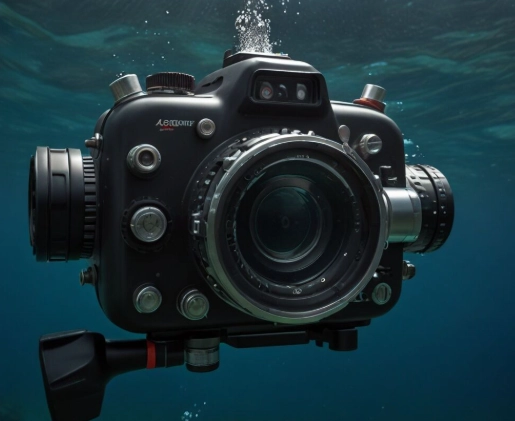
The Main Contenders: Breaking Down Your Options
Alright, with your personal checklist in mind, let's look at the categories. Think of this as picking your vehicle type before you look at specific models.
1. The Action Camera (GoPro & Friends)
The obvious starting point. Small, rugged, and relatively cheap.
The Not-So-Good: Tiny sensor. This means photos and video can get noisy (grainy) in low light, which is most of the underwater world. You have very little manual control. That "fisheye" look is hard to avoid. For serious still photography, they're just not in the same league.
My take? I always have one clipped to my BCD. It's my backup, my wide-angle video shooter, and my "just in case" camera. But it's never my main tool for the shots I plan to print.
2. The Advanced Compact / Tough Camera
This is a sweet spot for many divers. Cameras like the Olympus TG-7 (now the OM System Tough TG-7) or the older but legendary Sony RX100 series in a housing.
These are a huge step up from action cams. Larger sensors, better lenses, full manual controls, and the ability to shoot in RAW. The "tough" models are waterproof without a housing (usually to 15m), which is great for snorkelers and gives an extra safety margin. But serious divers will still put them in a dedicated housing for depth and to add accessories like strobes.
The image quality jump is noticeable. You can start doing proper macro photography, capturing the tiny details on a pygmy seahorse. The colors are richer, and you have way more control over the final image.
3. The Mirrorless & DSLR System
This is the professional and serious enthusiast territory. We're talking Sony A7 series, Canon R5/R6, Nikon Z cameras, or the micro four-thirds champions from OM System (like the OM-1) and Panasonic.
The quality is in another universe. Full-frame sensors capture breathtaking detail and handle low light like a dream. You have complete creative control. But—and it's a big but—you are buying into a system.
I shoot with a mirrorless system. The results make me happy. The credit card bill, less so. You don't go this route for convenience; you go for ultimate image quality.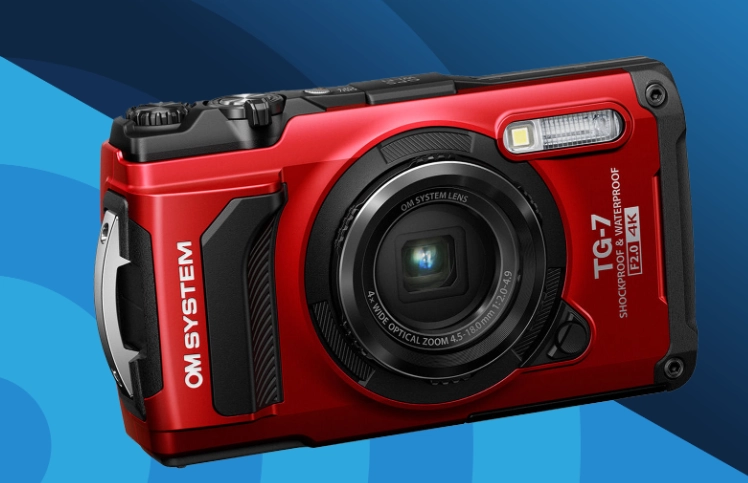
Head-to-Head: A Quick Comparison Table
Let's put this in a table to make it visual. These are generalized categories, not specific models.
| Camera Type | Best For | Image/Video Quality | Ease of Use | Total System Cost | Portability |
|---|---|---|---|---|---|
| Action Camera (e.g., GoPro) | Snorkelers, casual divers, action video, secondary angle | Good to Very Good Video, Fair Stills | Extremely Easy | $$ | Excellent |
| Tough Compact (e.g., OM TG-7) | Recreational divers, travelers, macro enthusiasts | Very Good Stills, Good Video | Easy to Intermediate | $$$ | Great |
| Housed Compact (e.g., Sony RX100) | Serious hobbyists who want great quality without bulk | Excellent Stills, Very Good Video | Intermediate | $$$$ | Good |
| Mirrorless/DSLR System | Professionals, advanced amateurs, ultimate quality seekers | Outstanding Stills & Video | Complex | $$$$$+ | Poor (It's bulky) |
The Unsung Heroes: It's Not Just About the Camera
You could have the best camera in the world, and your shots will look flat and blue without the right accessories. This is where many guides stop short.
Lighting is EVERYTHING. Water absorbs color. Red is gone within the first 5 meters. That's why your photos look blue. To bring back the vibrant colors of the reef, you need to add light back in.
- Strobes: These are flashes for still photography. They fire a powerful burst of light to "paint" color back onto your subject. You typically need two for even lighting. Brands like Sea&Sea, Ikelite, and Retra are staples. The Backscatter website has fantastic educational content on strobe use.
- Video Lights: Constant lights for filming. They're less powerful than strobes but essential for video. Look for high CRI (Color Rendering Index) for accurate colors.
The Housing. This is your camera's spacesuit. Reliability is non-negotiable. A leak destroys everything. Look for proven brands with good customer service. Aluminum housings (Nauticam, Isotta) are durable and have excellent controls. Plastic/polycarbonate housings (Ikelite, Fantasea) are lighter and more affordable. Check that the housing has accessible controls for the buttons you use most. I once rented a housing where the playback button was almost impossible to press with gloves—incredibly annoying.
Lenses & Ports. For system cameras, lens choice is critical underwater. Wide-angle lenses (like 8-15mm fisheye) are for big animals, reefs, and wrecks. Macro lenses (60mm, 90mm) are for tiny critters. Each lens needs a specific optical glass "port" on the housing to see clearly. This is a deep rabbit hole.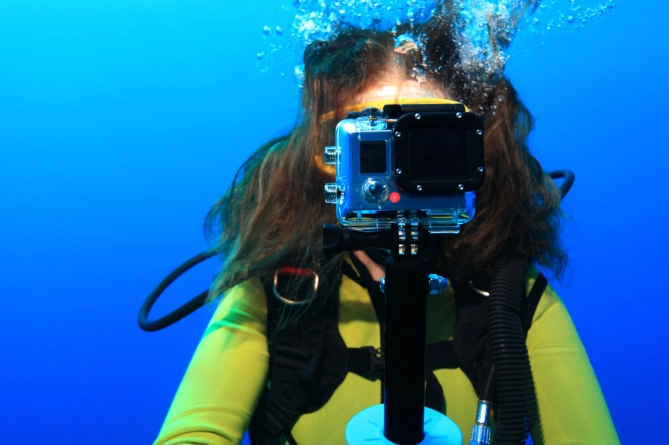
So, What *Is* The Best Camera for Underwater? My Recommendations by Scenario
Based on everything above, here's where I'd steer you. These aren't the only options, but they're solid, proven starting points.
For the Snorkeler & Casual Beachgoer
You want something you can dunk, forget about, and get great social media clips.
- Top Pick: GoPro Hero 12 Black. It's the total package. The stabilization is insane, video quality is top-notch, and it's dead simple. Get the Max Lens Mod 2.0 for an even wider, less distorted view.
- Alternative: DJI Osmo Action 4. It gives GoPro a real run for its money, with a slightly larger sensor that's better in low light. A very strong contender.
Honestly, for pure fun in the sun, asking "what is the best camera for underwater" often leads straight to an action cam.
For the Recreational Diver Who Wants Great Photos
You're certified, you dive on vacations, and you want to bring back more than memories.
- Top Pick: OM System Tough TG-7 in its own housing. This is the classic answer for a reason. It's built for this. Super macro mode lets you focus almost on top of subjects. It's shockproof, crushproof, and freezeproof. The learning curve is gentle. Pair it with a simple strobe like a Sea&Sea YS-03 and you have a killer setup.
- Step-Up Alternative: A used Sony RX100 V or VII in a Fantasea or Ikelite housing. You get a much larger 1-inch sensor. The autofocus is blazing fast, and image quality is a noticeable step above the TG-7. But it's more fragile out of the housing and more expensive.
For the Serious Hobbyist or Aspiring Pro
You dive regularly, you're hooked on photography, and you're willing to invest time and money.
- Top Pick: OM System OM-5 or OM-1 in a Nauticam housing. The micro four-thirds system is the king of underwater photography for good reason. The sensors are a great balance of quality and size. The cameras have incredible in-body stabilization and features like Live Composite for shooting light trails. The lens ecosystem is perfect for underwater (like the Olympus 60mm macro and 8mm fisheye). The housing and port system is mature and comprehensive. The Underwater Photography Guide runs on this gear for a reason.
- Full-Frame Alternative: Sony A7C II or A7 IV in a Nauticam housing. If you crave the ultimate in low-light performance and background blur (bokeh), full-frame is the goal. The Sony A7 series has legendary autofocus. But be prepared for larger, heavier, and more expensive ports and lenses. It's a commitment.
Buying Tips & Common Pitfalls
Where you buy is almost as important as what you buy.
Buy from a dedicated underwater photo retailer. Sites like Backscatter (US), Bluewater Photo (US), or DivePhotoGuide (International) are staffed by divers and photographers. They can answer specific questions, ensure you get the right housing/port combo, and offer support. You pay a little more than a random Amazon seller, but the expertise is worth its weight in gold. I once got a housing from a generic camera shop with the wrong O-ring grease—a potential disaster they wouldn't have known about.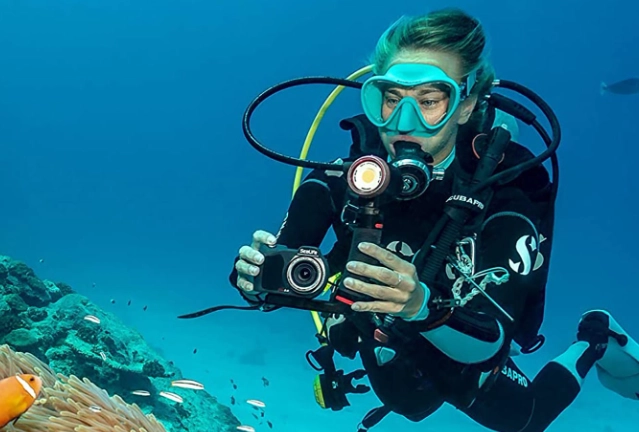
Consider used gear. The underwater photography community is great, and gear is well-maintained. A used camera body in a used housing can save you 30-50%. Check forums like Scubaboard's classifieds or retailer-used sections. Just make sure any housing has a recent pressure test.
Rent before you buy. This is the single best piece of advice. Going on a big dive trip? Rent the fancy setup you're eyeing. See if you like the handling, the weight, the workflow. It's cheaper than buying and regretting it.
Answering Your Burning Questions (FAQ)
Can I use my smartphone underwater?
With a high-quality housing from brands like Divevolk or SeaLife, yes, you can get surprisingly good results. The computational photography in modern iPhones and Galaxies is amazing. But it's limiting. You can't add a strobe effectively, controls are fiddly, and you're risking a very expensive phone. Great for shallow, well-lit snorkeling if you're careful. I wouldn't take it scuba diving as my primary camera.
How important is manual white balance?
For stills photography with strobes, not critical. For video or available-light stills, it's essential. Setting a custom white balance tells the camera "this is what white looks like here," and it corrects all the other colors. Cameras that make this easy (like many Olympus/OM System models) have a big advantage. Without it, everything looks monochromatically blue or green.
What's the biggest mistake new underwater photographers make?
Getting too close. Then not getting closer. Water is full of particles ("backscatter"). If your light is between you and the subject, you'll light up all that junk, making your photo look like a snowstorm. Get close to your subject to minimize water between you. Use your strobes or lights off to the side, not on the camera's hot shoe. It's the number one technical flaw I see.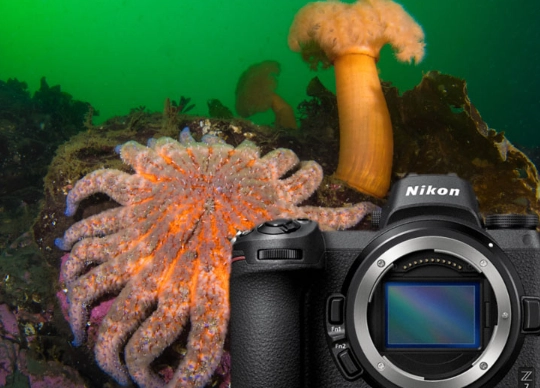
Do I need a red filter?
For still photography with strobes? No, your strobes provide the correct color. For video or stills using only natural light? Yes, a magenta (for green water) or red (for blue water) filter can help restore color balance at depth. They're a cheap and useful tool, but they reduce light intake, so they're not a magic bullet.
Wrapping It Up: Your Next Step
So, what is the best camera for underwater? I hope you see now that the real question is a series of questions about you.
Start with your budget and your primary goal (stills vs. video). Be realistic about how deep you'll go and how much gear you're willing to travel with. For most people stepping up from a phone or GoPro, a rugged compact like the TG-7 is a phenomenal and joyful tool. For those bitten hard by the bug, the mirrorless systems from OM System or Sony offer a path that can grow with you for a decade.
The best camera is the one you'll actually take underwater, use confidently, and that helps you capture the feeling of weightlessness and wonder. Because that's the whole point, isn't it? To bring a piece of that silent, alien world back to the surface with you.
Now go get your feet wet. Figuratively first, then literally.
Reader Comments