Let's be honest. A great snorkel mask isn't about having the fanciest gear. It's about forgetting the gear exists. It's the difference between constantly fiddling with a leaky, fogged-up view and gliding effortlessly over a coral reef, completely immersed in the silent movie below. I've been snorkeling for over a decade, from chilly Pacific kelp forests to bathtub-warm Caribbean reefs, and I've made every mistake in the book. The right mask makes all of it better. This guide cuts through the marketing hype. We'll look at what actually matters for comfort, safety, and clarity, compare the top contenders head-to-head, and I'll share the nitty-gritty tips most beginners (and even some seasoned folks) overlook.
What's Inside This Guide
- How to Choose the Best Snorkel Mask: The 5 Non-Negotiables
- Full Face vs. Traditional Snorkel Masks: The Great Debate
- Top Snorkel Mask Picks for Adults: A Detailed Comparison
- Pro Fitting Tips & Common Mistakes to Avoid
- Keeping It Clear: Anti-Fog & Maintenance Secrets
- Your Snorkel Mask Questions, Answered
How to Choose the Best Snorkel Mask: The 5 Non-Negotiables
Forget brand names for a second. If the mask fails these five checks, it's not the right one for you, no matter how many five-star reviews it has.
The Seal Test (The Most Important). Place the mask on your face without putting the strap over your head. Gently inhale through your nose. A good mask will suction to your face and stay put when you let go of it. If it falls immediately, air is getting in somewhere—usually under the nose pocket or across the cheekbones. Your face shape is unique; not every mask fits it.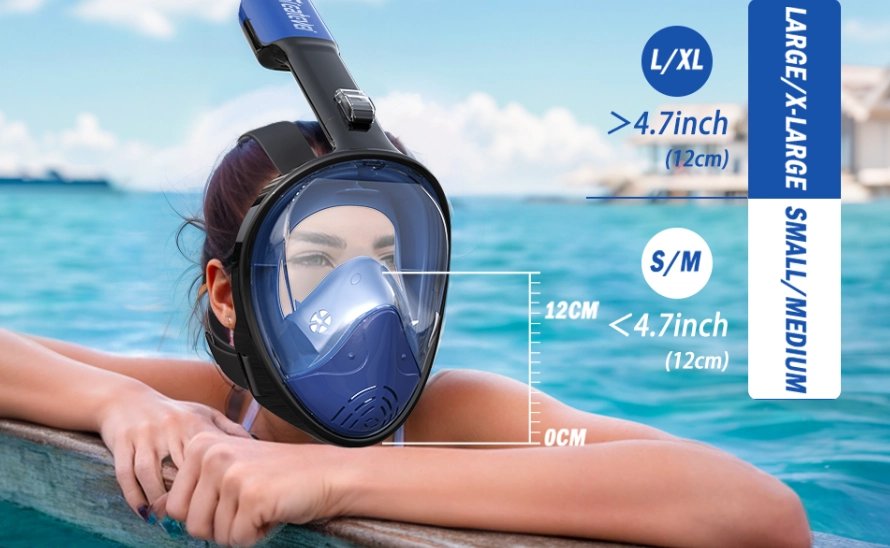
Field of Vision. Look for a low-volume design. This means the lens sits closer to your eyes. It reduces drag, makes clearing water easier (less air needed), and often gives a wider, more panoramic view. High-volume masks feel like diving bells on your face.
Skirt Comfort & Material. The skirt is the silicone part that seals. Silicone quality varies. Premium, soft silicone molds better and is more comfortable for long sessions. Check if it's clear or black. A clear skirt lets in more peripheral light, which some prefer. A black skirt reduces internal glare and reflections, offering a more focused, cinema-like view. I lean towards black for less distraction.
The Snorkel: Dry-Top is Standard Now. A dry-top snorkel has a mechanism that seals the tube when submerged, preventing water from pouring in. This is a game-changer for beginners and relaxed snorkelers. A simple J-tube (no valve) is cheaper but means you'll be clearing water constantly. For most adults, a dry snorkel is the way to go.
Lens Type: Single vs. Dual. Single lenses offer an unobstructed view. Dual lenses (two separate pieces) often allow for prescription lens inserts, a huge plus if you're visually impaired. Some masks now offer tempered glass, which is more scratch and impact-resistant than standard glass.
One subtle mistake I see all the time: People strap the mask on way too tight, thinking it will prevent leaks. It does the opposite. It warps the soft silicone skirt, creating gaps. The strap should only be tight enough to keep the mask in place when you inhale lightly. Comfort is key. If you have deep red marks on your face after 10 minutes, it's too tight.
Full Face vs. Traditional Snorkel Masks: The Great Debate
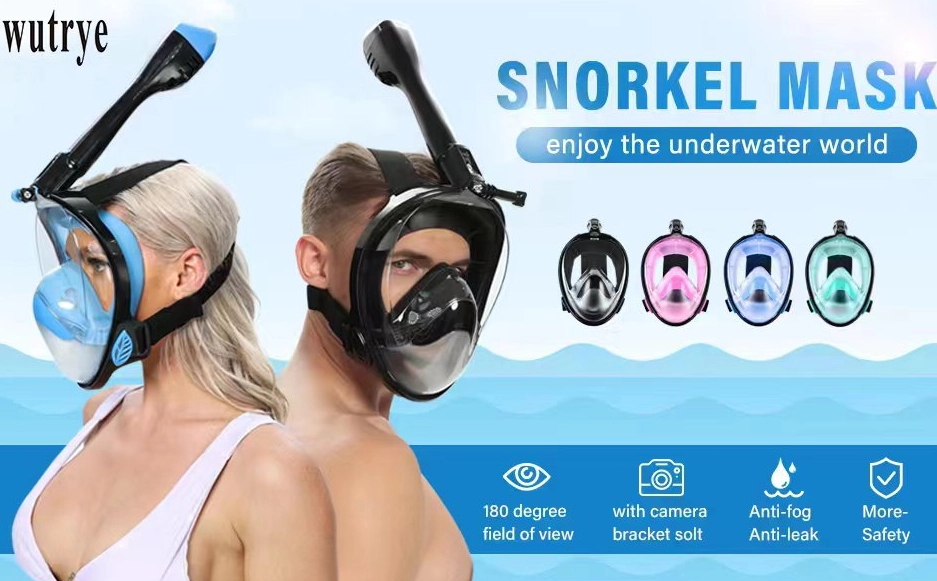
This is the biggest fork in the road. The marketing for full-face masks is incredibly compelling—breathe through your nose and mouth! No fog! 180-degree view! But they're controversial among experienced snorkelers and divers for solid reasons.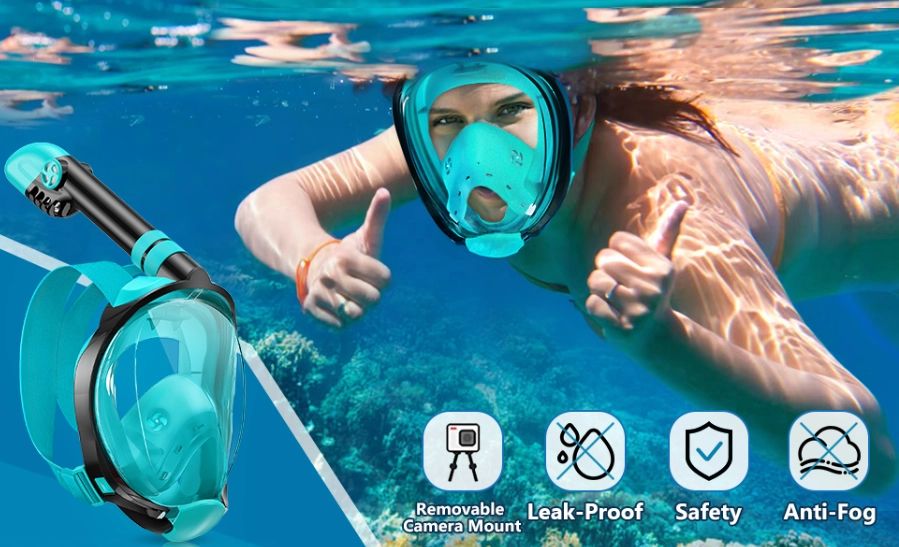
Full Face Snorkel Mask Pros
Natural breathing through nose and mouth reduces anxiety for some.
The anti-fog system (separate breathing chamber) often works very well.
Extremely wide field of vision can feel immersive.
Great for surface snorkeling in calm, warm water.
Full Face Snorkel Mask Cons
Safety Concern: Risk of CO2 buildup if the design isn't perfect or if you breathe heavily. This can lead to dizziness or headaches. Reputable brands address this, but it's a valid debate.
No Equalization: You cannot pinch your nose to equalize ear pressure. This makes them unsuitable for any diving below the surface, even just a few feet.
Bulkier and harder to travel with.
If water gets inside, clearing it is more complex than with a traditional mask.
My take? For a casual, first-time snorkeler who plans to stay on the surface in a resort cove, a high-quality, well-ventilated full-face mask from a trusted brand can be a fun, easy experience. But for anyone wanting to duck-dive, explore deeper spots, or who has any concerns about airflow, a traditional mask and separate dry snorkel is the more versatile, time-tested, and widely recommended choice by professionals like PADI.
Top Snorkel Mask Picks for Adults: A Detailed Comparison
Based on fit, reliability, and real-world performance, here are my top recommendations across different needs. Prices are approximate and can vary.
| Mask Model | Best For | Key Features | Approx. Price | Our Take |
|---|---|---|---|---|
| Cressi F1 Frameless Mask | The All-Around Performer | Ultra-low volume, frameless design, 100% silicone skirt, wide single lens. | $40 - $55 | This is my personal go-to. The fit is exceptional for a wide range of face shapes. The frameless design means it packs flat, and the field of view is stunning. It's a simple, no-frills, professional-grade mask that just works. Pair it with a Cressi Dry Snorkel. |
| Ocean Reef Aria Full Face Snorkel Mask | Full-Face Enthusiasts | Dual airflow channels to reduce CO2, dry-top system, GoPro mount. | $120 - $150 | If you're set on a full-face mask, this is the brand many pros point to for its focus on safety and airflow design. It's more expensive, but the engineering aims to mitigate the classic CO2 concerns. It feels sturdy and well-made. |
| TUSA Freedom Elite Paragon Mask | Wide Faces & Comfort Seekers | Hyperdry silicone skirt (stays softer longer), dual lens with wide panoramic view, feather-light frame. | $65 - $80 | TUSA's silicone is famously comfortable. This mask is a dream for longer snorkeling sessions. The view is expansive, and it tends to fit broader faces well. It's a premium feel without a crazy price tag. |
| Aqua Lung Sport Mask | Value & Prescription Needs | Dual lenses allow for custom prescription inserts, good mid-volume fit, reliable seal. | $30 - $45 | An outstanding value pick. It's a comfortable, no-surprises mask that works for most people. Its biggest win is the compatibility with Aqua Lung's optical lens inserts. If you wear glasses, this feature is a lifesaver. |
| HEAD Sea Vu Dry Snorkel Set | First-Time Buyers & Set Seekers | Complete set (mask, dry snorkel, fins), dry-top splash guard, purge valve. | $45 - $60 (for set) | You get everything you need to start. The mask is decent, but the real star is the dry snorkel, which performs well for the price. It's a fantastic, low-commitment way to get into the hobby. The fins are basic but functional. |
Pro Fitting Tips & Common Mistakes to Avoid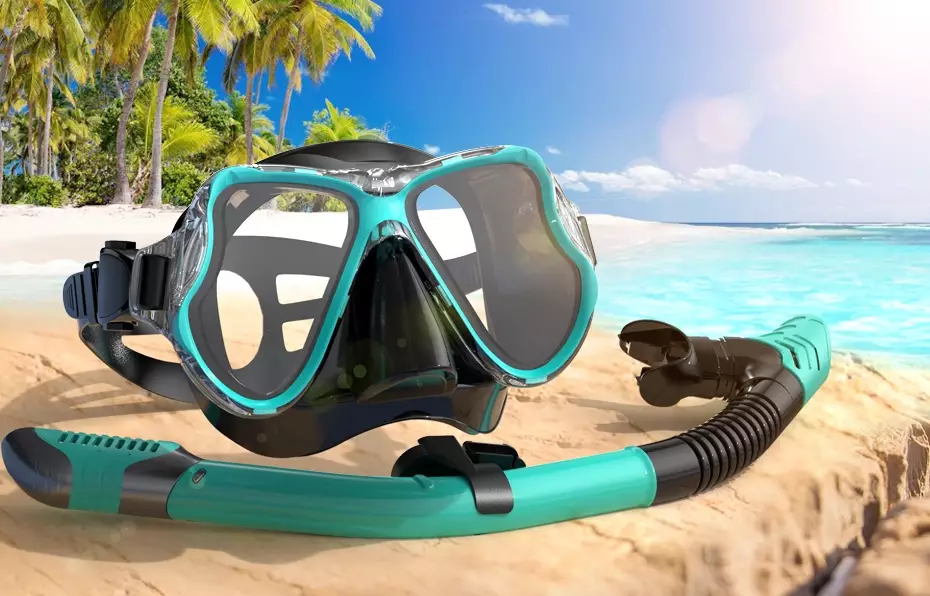
Buying online is convenient, but if you can, try before you buy. A dive shop will let you test the seal. No shop nearby? Order from a retailer with a good return policy.
Check the Hairline. Make sure no hair is tucked under the skirt, especially at the temples. Even a tiny strand can cause a leak.
Sunblock is the Enemy. Oil-based sunscreens and lotions on your face will destroy the seal and make the skirt slippery. Apply sunscreen after you've positioned your mask, or use a reef-safe, non-greasy formula on your forehead and cheeks.
Strap Position. The strap should sit across the widest part of the back of your head, not on the base of your skull or on your neck. This keeps it from sliding up.
Keeping It Clear: Anti-Fog & Maintenance Secrets
New masks have a factory film that causes fog. You must scrub it off. Use a tiny bit of non-abrasive toothpaste (not gel) and your fingers, rub it all over the inside of the lens for a minute, then rinse thoroughly.
For anti-fog during your dive: Commercial anti-fog sprays work. So does baby shampoo. Put a drop inside, smear it around with your finger, give it a quick rinse in sea water (don't rinse it all off), and you're good. Spit works in a pinch, but it's less reliable and, well, it's spit.
After snorkeling, rinse your gear with fresh water and let it air dry in the shade. Never store it wet in a sealed bag—that's how you grow science experiments.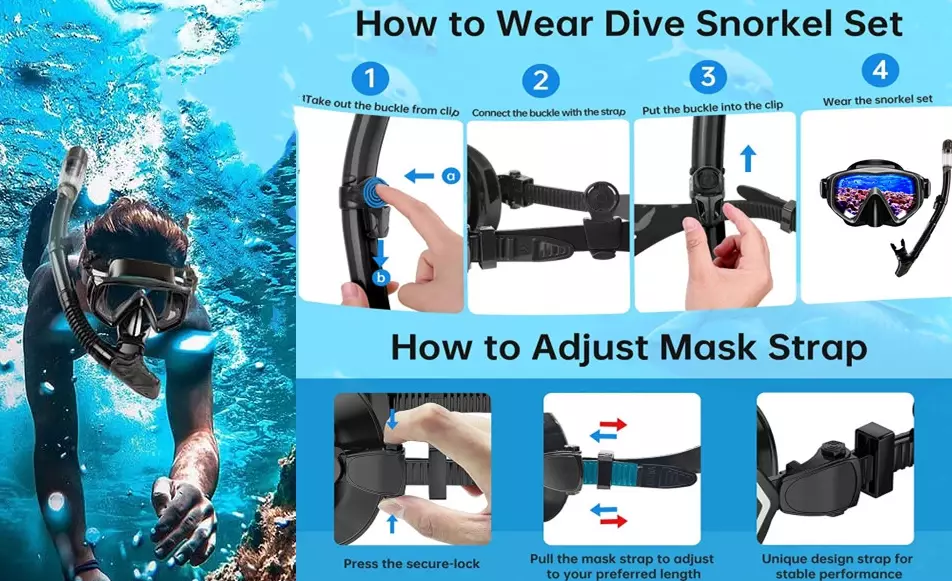
Your Snorkel Mask Questions, Answered
 Is a more expensive snorkel mask always better?
Reader Comments