I watched a tourist struggle in the calm bay off Maui. He was wearing a bulky orange life jacket, the kind you see on fishing boats. Every time he tried to look down at the fish, the jacket forced his chest up, making him fight to stay face-down. He gave up after ten minutes, exhausted and frustrated. Next to him, his friend in a simple snorkeling vest floated effortlessly, breathing through her tube, completely absorbed in the underwater world. That moment crystallized the core problem: using the wrong buoyancy aid can ruin your experience, or worse, create a false sense of security.
This isn't just about comfort—it's about choosing the right tool for a specific job. A snorkeling vest and a life jacket serve fundamentally different purposes, and confusing them is a common, sometimes dangerous, mistake. I've guided snorkel tours for over a decade, and I've seen all the gear mistakes. Let's cut through the confusion and look at what each piece of equipment is actually designed to do.
Quick Guide: What's Covered
The Core Purpose: Why Design Matters Most
Think of it this way: a life jacket is a survival device. Its sole, non-negotiable job is to keep an unconscious person's airway out of the water. Everything about its design screams this purpose. The buoyancy is high (often 15.5 to 22 pounds of lift) and fixed, located primarily in the front to roll you onto your back. They are built to strict standards set by bodies like the U.S. Coast Guard (Type I, II, III, etc.).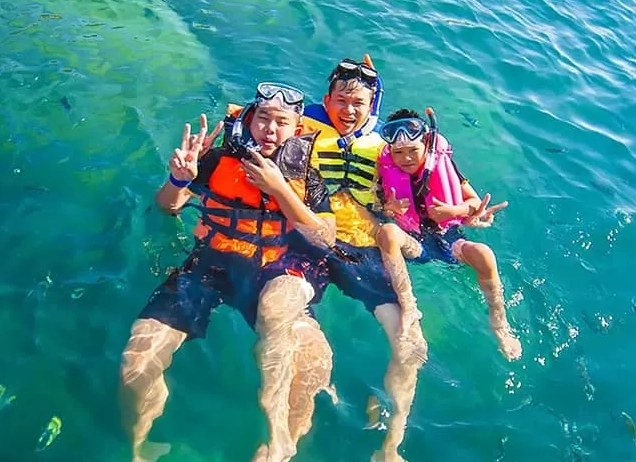
A snorkeling vest, on the other hand, is an activity aid. Its job is to provide adjustable buoyancy for a conscious, active swimmer who wants to conserve energy and float comfortably face-down. The buoyancy is lower (typically 7-12 pounds when fully inflated) and you control it—a little air for a slight boost, more air if you're tired. The design is minimalist to allow free movement.
Here's the subtle error most beginners make: they assume more buoyancy always equals more safety. In open, rough water, yes. But for snorkeling over a reef, a rigid life jacket can be a hazard. It makes diving down to get a closer look nearly impossible, and its bulk can knock against fragile coral.
Side-by-Side: Snorkeling Vest vs Life Jacket
This table lays out the hard facts. It's the quick reference I wish I had when I bought my first piece of gear.
| Feature | Snorkeling Vest (Buoyancy Aid) | Life Jacket (Personal Flotation Device - PFD) |
|---|---|---|
| Primary Purpose | Energy conservation & comfort for surface swimming/snorkeling. | Keeping an unconscious person afloat with airway clear (survival). |
| Buoyancy Type | Adjustable (oral inflate/deflate). Low to medium buoyancy (7-12 lbs). | Fixed (inherent foam or permanent gas). High buoyancy (15.5-22+ lbs). |
| Body Position | Designed for prone (face-down) floating. Keeps you horizontal. | Designed to roll you onto your back, keeping your face up. |
| Mobility & Fit | Slim, low-profile, often just a collar. Unrestricted arm movement. | Bulky, wraps around torso. Can restrict arm motion significantly. |
| Safety Approval | Rarely Coast Guard approved. Not a substitute for a life jacket. | Must be USCG (or equivalent) approved. Has a printed approval label. |
| Ideal For | Calm, protected waters (bays, coves, reefs). Confident swimmers who want rest. | Open water, boating, rough conditions, or for weak/non-swimmers. |
| Key Advantage | Control and comfort. You adapt it to your needs moment-by-moment. | Ultimate, fail-safe buoyancy in an emergency with no action required. |
See the conflict? The life jacket's core feature—rolling you onto your back—is the exact opposite of what a snorkeler wants. That tourist in Maui was fighting his own safety gear.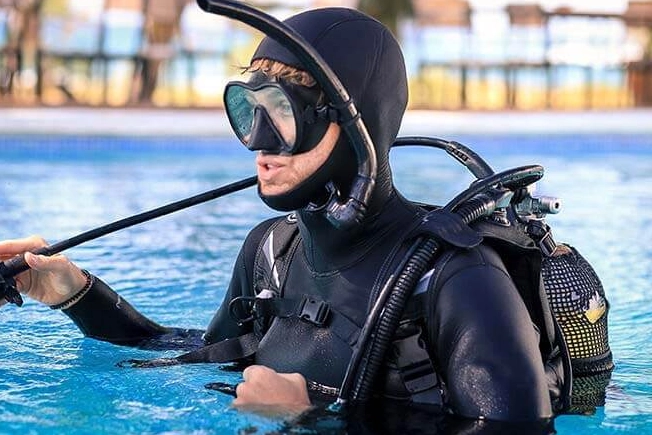
How to Choose: Ask Yourself These 3 Questions
Don't just buy what's on sale. Your choice should hinge on the specific water activity you're planning.
1. Where and How Will You Be Using It?
Picture the scene. Is it a calm, shallow lagoon you can stand up in? Or are you snorkeling from a boat offshore with currents?
Calm, Protected Water: A snorkeling vest is perfect. You'll appreciate the flexibility.
Open Water, Boat-Based, or River Snorkeling: A proper life jacket (USCG Type III is common) is non-negotiable. The risk of being swept away or fatigued is higher.
2. What's Your Swimming Ability and Comfort Level?
Be brutally honest with yourself.
Strong, Confident Swimmer: You can opt for a snorkeling vest as a comfort/conservation tool. You might even be fine without one in perfect conditions.
Weak, Anxious, or Learning Swimmer: Start with a life jacket. The guaranteed buoyancy will let you relax and enjoy the fish instead of panicking about staying afloat. It's a better safety net.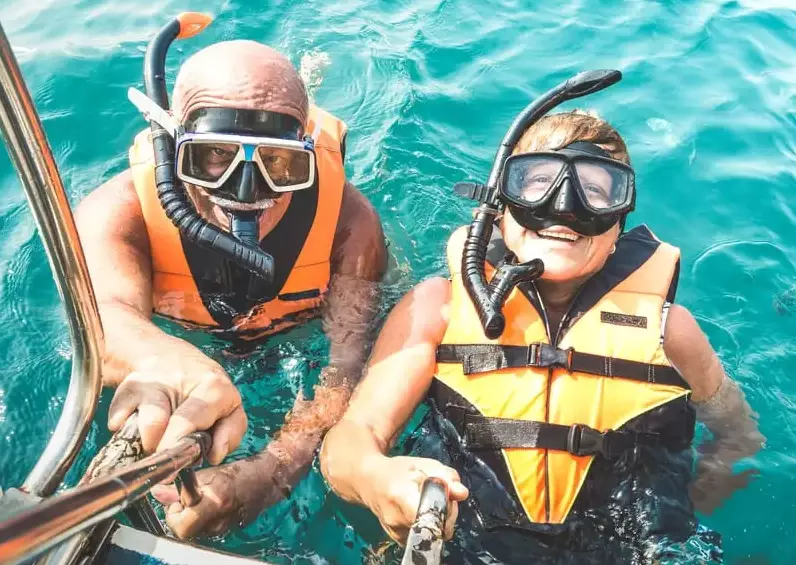
3. Are You Doing Multiple Activities?
This is the packing dilemma. If your day involves a boat ride to a reef and then snorkeling, you need both. Wear the life jacket on the boat (it's often legally required anyway). When you jump in to snorkel, you can switch to your inflatable snorkeling vest if conditions allow. It's extra gear, but it's the right tool for each phase.
My personal rule: If I'm more than 50 yards from shore or in water over my head where I can't easily swim back, I want the security of a life jacket or I'm using my snorkel vest with extreme caution (mostly deflated).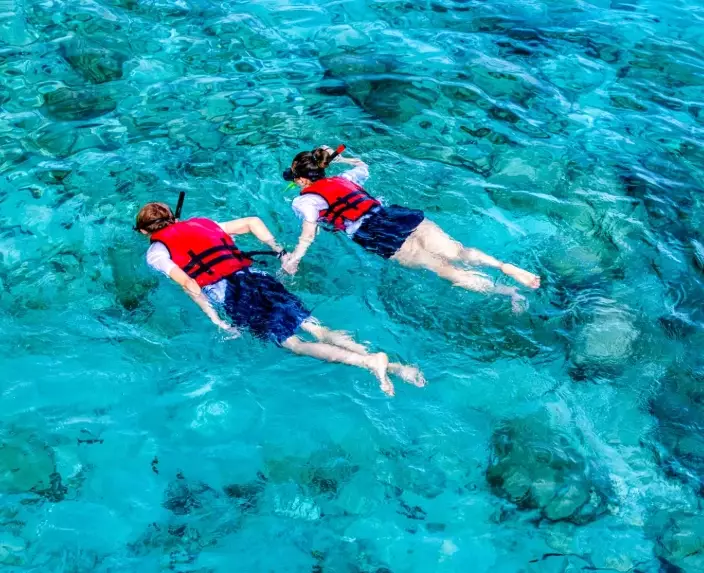
Common Mistakes and Expert Tips
Beyond the basic choice, here's where experience talks.
Mistake #1: Over-inflating the Snorkeling Vest. New users blow it up like a balloon. You only need enough air to give you slight positive buoyancy. Too much air makes you bob like a cork, strains your neck, and makes it hard to dive under the surface to clear your snorkel or look closer. Put it on in waist-deep water, add two or three breaths of air, and lean forward. Find the sweet spot.
Mistake #2: Assuming a "Snorkeling Vest" is Coast Guard Approved. Read the label. Almost none are. That means if you're on a boat, the captain may not count it as your required PFD. You'll still need a separate, approved life jacket on board.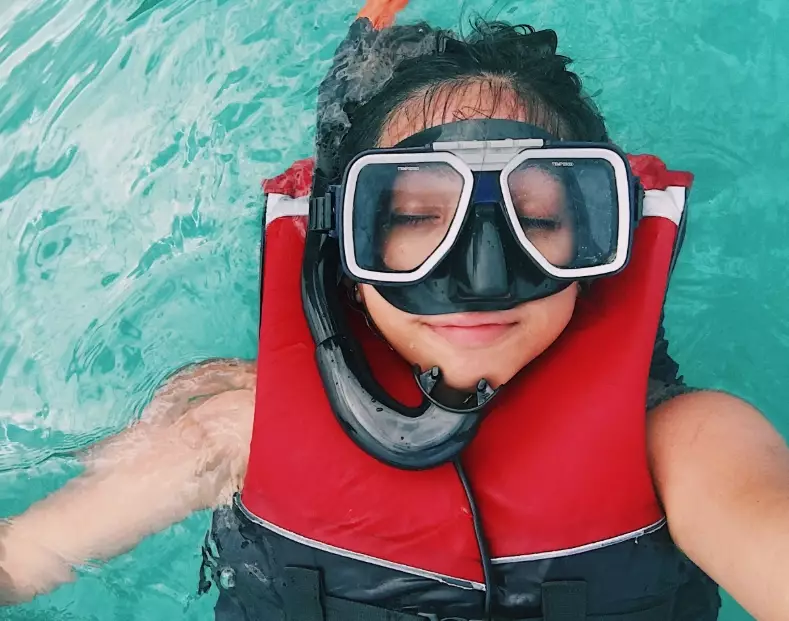
Mistake #3: Using an Old, Worn-Out Life Jacket for Snorkeling. The foam in old jackets compresses and loses buoyancy. That vintage orange jacket from the garage might only provide 5 pounds of lift instead of 16. It's a dangerous illusion of safety. Check it for cracks, tears, and waterlogging.
Pro Tip for Kids: Never substitute water wings or pool noodles for either device in open water. For kids, a proper, well-fitting USCG-approved life jacket is the only safe choice for snorkeling unless they are exceptionally strong swimmers in utterly calm, shallow conditions under direct, touch-distance supervision.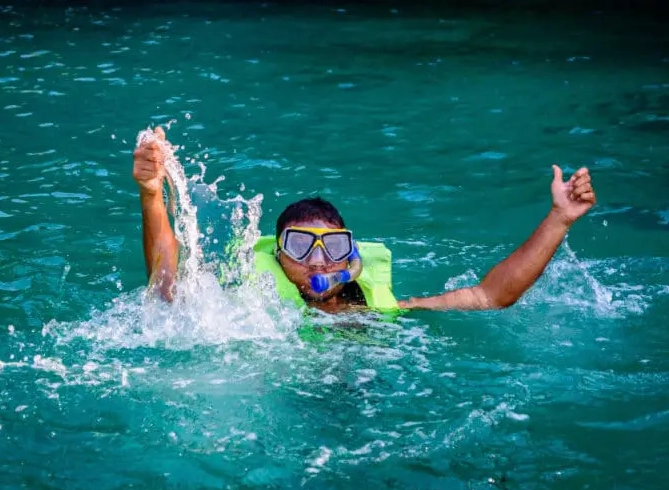
Your Questions, Answered
Can I use my inflatable snorkeling vest on a boat instead of a life jacket?
Almost certainly not. Marine law in most places requires a U.S. Coast Guard-approved life jacket for each person on board. Your snorkeling vest lacks that approval. It's considered a recreational toy, not a safety device, in the eyes of the law and for good reason—it won't keep an unconscious person safe.
I'm snorkeling in a perfectly calm, shallow lagoon. Do I really need either one?
If you're a strong swimmer and the water is so shallow you can stand up anywhere, you can technically forgo both. But here's the unseen benefit of a snorkeling vest in that scenario: it lets you relax completely. You can float motionless for twenty minutes watching a turtle without a single kick. It extends your stamina and enjoyment dramatically. I always bring mine, even for easy spots.
What's the deal with hybrid "snorkeling life jackets" I see online?
These try to bridge the gap, often looking like a slim life jacket with an oral inflator. Scrutinize them carefully. If it has a USCG approval number, it's a life jacket first. That means its foam will provide fixed buoyancy, which may still be too much for comfortable face-down snorkeling. The inflator might add extra buoyancy on top. They can be a decent compromise for boat-to-snorkel trips, but test the mobility before you depend on it.
How do I maintain and store my snorkeling vest?
Rinse it with fresh water after every use, especially if you've been in saltwater. Let it dry completely before storing—fold it loosely, don't cram it in a bag. A damp vest stored in a hot locker is a recipe for mold and a ruined bladder. Check the oral valve for sand or debris each time. A leaking vest is worse than no vest at all.
The choice between a snorkeling vest and a life jacket isn't about which is universally "better." It's about matching the tool to the task. A life jacket is for survival; a snorkeling vest is for enhanced enjoyment. By understanding this distinction, you pack smarter, swim safer, and get more out of every moment in the water. Don't let the wrong gear turn your adventure into a struggle. Choose based on where you're going, how you swim, and a honest assessment of the risks. The fish will look a lot better when you're floating comfortably.
Reader Comments