If you're new to snorkeling and staring at a wall of gear online, the question "what type of snorkel is best for beginners?" can feel overwhelming. J-tube, dry-top, semi-dry, flexible, purge valve... what does it all mean? Let's cut through the noise. For an absolute beginner, the single most important feature isn't color or brand—it's a mechanism that significantly reduces your chance of inhaling water. That makes a dry snorkel the clear winner for your first piece of gear. But not all dry snorkels are created equal, and understanding the 'why' behind this choice will save you from a frustrating, and potentially scary, first experience.
I remember my first time with a basic J-shaped snorkel years ago. A small wave rolled over me, and I got a mouthful of seawater. It was a minor panic moment that distracted me from the beautiful fish below. That experience is what pushes most beginners away. A good beginner snorkel is designed to prevent that exact scenario, letting you focus on the wonder, not the mechanics of breathing.
Your Quick Guide to Snorkel Selection
Key Factors for Beginners: Forget the Marketing Hype
Before we dive into types, let's talk about what a beginner actually needs. You're not preparing for a freediving competition; you're looking for safety, comfort, and simplicity.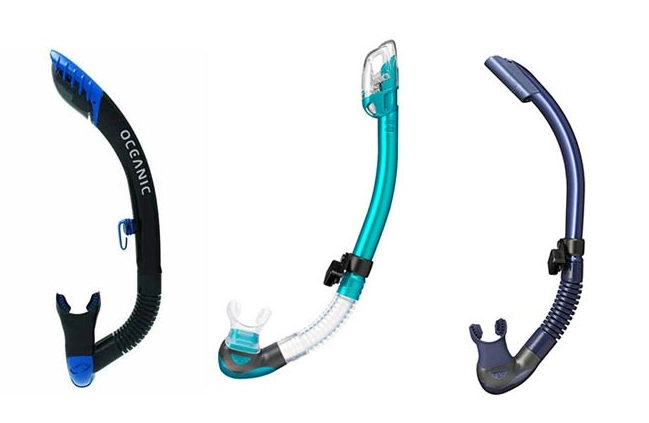
Notice I didn't list "color" or "looking cool." A common mistake beginners make is prioritizing a sleek, low-profile design over function. Those minimalist snorkels often lack a dry top, making them a poor choice for learning. Another overlooked point is the bore diameter (the width of the tube). Wider tubes allow easier breathing but can feel like you're moving more air. For most, a standard diameter (around ¾ inch or 19mm) is perfect.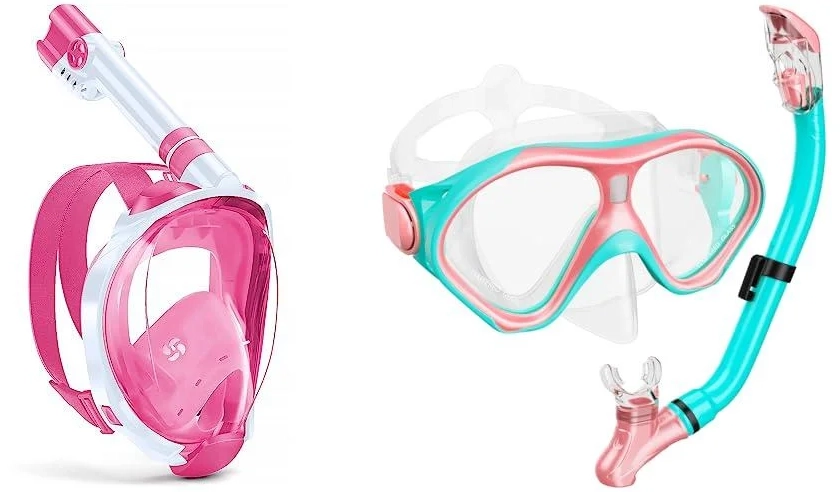
Detailed Comparison: Dry, Semi-Dry, and Classic Snorkels
Here’s a straightforward look at the three main types. Think of this as your cheat sheet.
| Feature / Type | Dry Snorkel (Best for Beginners) | Semi-Dry Snorkel | Classic J-Snorkel |
|---|---|---|---|
| Top Mechanism | Sealed float valve that blocks water entry when submerged. | Splash guard (baffle) to deflect surface water, but no sealing valve. | Open tube. Water enters freely. |
| Main Benefit | Prevents accidental inhalation of water. Huge confidence booster. | Reduces water intake from small surface splashes. | Simple, reliable, no moving parts to fail. Lowest cost. |
| Main Drawback | Slightly bulkier. Valve can sometimes stick if not maintained. | Does NOT prevent water entry if the top goes under. Can give a false sense of security. | Requires skill to clear water. High chance of inhaling water for a novice. |
| Purge Valve | Almost always included at the bottom chamber. | Usually included. | Rarely included. You must clear water with a strong exhale. |
| Best For | All beginners, casual snorkelers, anyone prone to anxiety about breathing. | Swimmers comfortable in water who stay mostly at the surface and don't dive down. | Experienced snorkelers, freedivers, training purposes where breath control is key. |
| Example Scenario | A child or adult trying snorkeling for the first time in choppier ocean water. | A confident swimmer snorkeling in a calm, protected cove. | A swimmer practicing dynamic apneas in a pool. |
The semi-dry snorkel is the tricky one. Many shops market them to beginners because they're cheaper than full dry snorkels. Don't be fooled. That splash guard is useless if your head goes even a few inches underwater. I've seen too many people buy a semi-dry thinking it's "good enough," only to have the same unpleasant water-inhalation experience. If your goal is stress-free snorkeling from the start, go dry.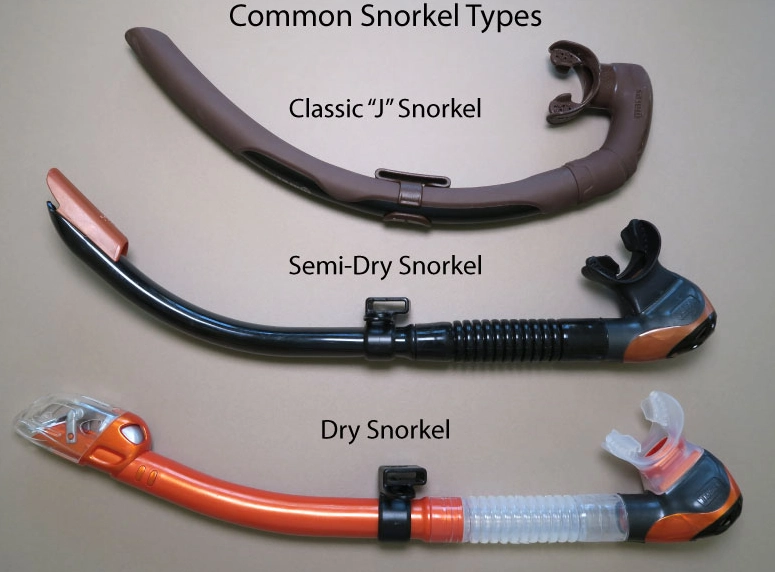
Inside a Dry Snorkel: What Makes It Work
Let's demystify the dry snorkel. At the top, there's a clever little buoyant float inside a chamber. When water rises up the tube, that float lifts and seals against the top opening, blocking the water path. When you surface, the float drops, and you can breathe again. It's a brilliantly simple mechanical solution.
The purge valve at the lowest point is its partner. If a little water seeps past the seal (or if you dive down, forcing water up from the bottom), it collects in a sump. To clear it, you just give a sharp exhale through your mouth. The one-way diaphragm opens, and the water is shot out the bottom valve. No need for the powerful, technique-dependent blast required to clear a classic J-snorkel.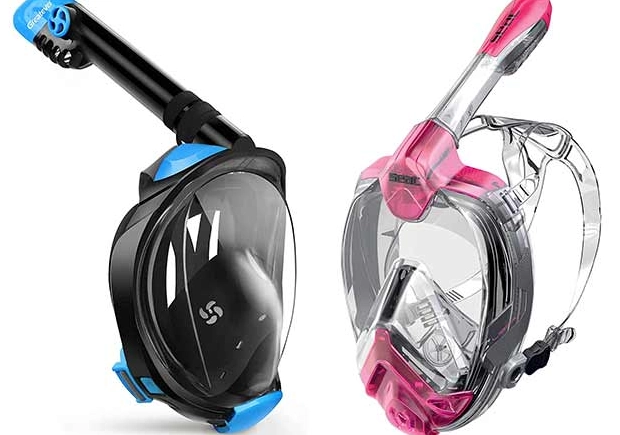
How to Test and Choose Your Snorkel
You can't try before you buy online, but you can be a smart shopper. Here’s what to look for in product descriptions and reviews.
1. The Mouthpiece Test (Even Virtually): Look for mentions of "medical-grade silicone" and "ergonomic." The mouthpiece should be a single, soft piece, not hard plastic with thin silicone flaps. Imagine biting on it for an hour. Reviews that say "no jaw fatigue" are gold.
2. The Attachment System: Avoid snorkels that only have a simple plastic ring. Look for a flexible, adjustable clip that can securely grip your mask strap. A loose snorkel flapping around is annoying and can leak.
3. The Dry Top Design: Some dry tops are huge and create drag. Others are more streamlined. For beginners, prioritize function over ultra-streamlining. A slightly larger, reliable valve is better than a sleek one that might stick. Check reviews for phrases like "valve never stuck" or "kept me dry in waves."
4. Consider a Snorkel Set: Often, buying a snorkel and mask together as a set from a reputable brand (like Cressi, Aqua Lung, or US Divers) ensures they are compatible and of decent quality. A poorly fitting mask will ruin your day faster than a mediocre snorkel.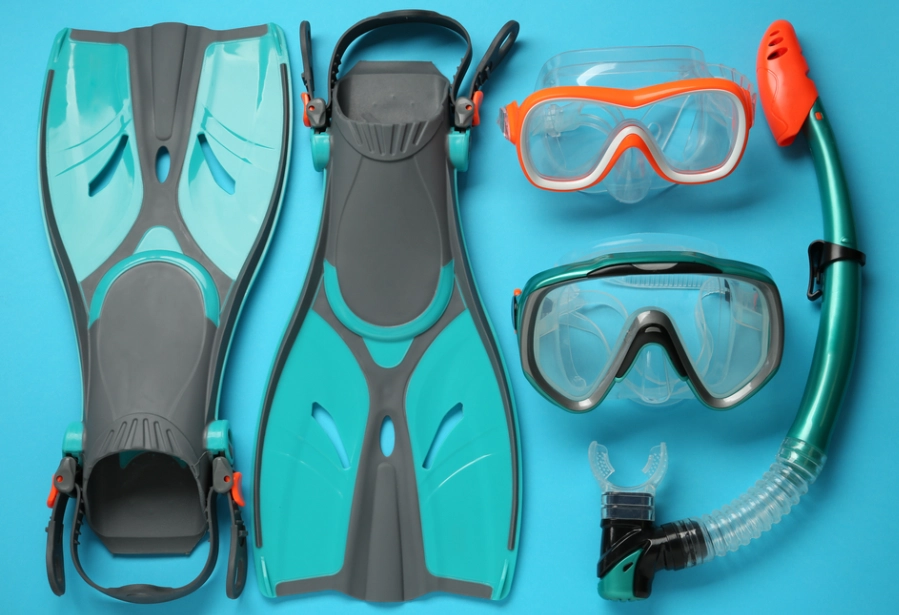
Final Recommendation and Getting Started
My consistent recommendation for a true beginner is a mid-range dry snorkel from a known diving brand. Avoid the cheapest no-name snorkels on Amazon—their valves and silicone often fail quickly. Brands like Cressi Supernova Dry or Aqua Lung Impulse Dry are workhorses. They're not the most expensive, but they're proven, reliable, and designed for real-world use.
Here’s a pro tip most guides miss: Practice in a swimming pool first. Before your tropical vacation, take your new gear to a local pool. Get used to the feeling of breathing through the tube. Purposely submerge the top and feel the valve seal. Practice using the purge valve. This 30-minute session will build more confidence than any article can. You'll work out any mask fit issues (fogging, leaking) in a controlled, waist-deep environment, not while treading water over a reef.
Your snorkel is a tool for enjoyment. Choosing a dry snorkel as a beginner is like getting a car with anti-lock brakes—it's a fundamental safety feature that lets you enjoy the journey without a base-level fear. It allows you to focus on the breathtaking world below the surface, which is the whole point.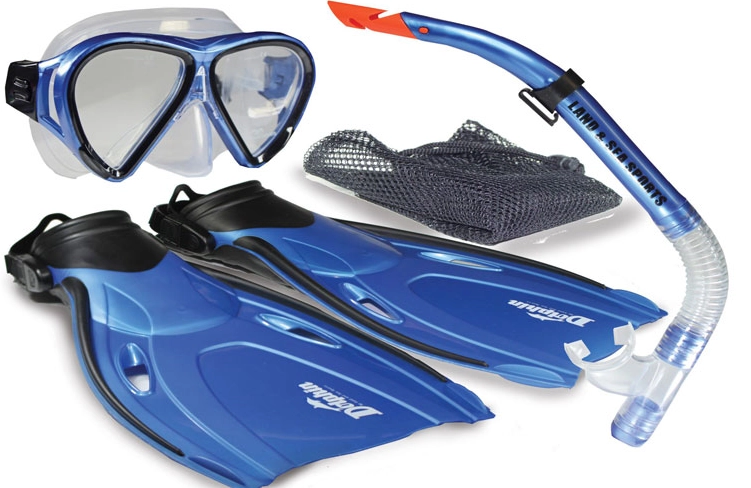
Your Snorkel Questions, Answered
Can a dry snorkel prevent all water entry?
No snorkel is 100% dry. If you dive underwater, pressure will force water into the tube from the bottom, bypassing the top valve. That's what the purge valve is for. A good dry snorkel's primary job is to prevent water from flooding in from the top when you're at the surface and a wave hits or you dip your head slightly. It eliminates those surprise mouthfuls of water that shake a beginner's confidence.
I'm a strong swimmer. Do I really need a dry snorkel as a beginner?
Swimming skill and snorkeling comfort are different. You might be a fantastic lap swimmer but unfamiliar with breathing through a tube while floating face-down. The dry feature isn't about saving you from drowning; it's about removing an irritating, distracting problem so you can relax. A strong swimmer might adapt faster, but why start with an avoidable annoyance? The small extra cost is worth it.
Are flexible snorkel tubes better for beginners?
Flexible tube sections (often called "foldable" or "flex") are great for packing but offer minimal functional benefit in the water. They can sometimes make the purge valve less effective. For your first snorkel, prioritize a solid dry-top mechanism and a good purge valve over flexibility. A standard, semi-rigid tube is perfectly fine and often more durable.
How do I maintain and clean my dry snorkel?
Rinse it thoroughly with fresh water after every use, especially the float valve chamber at the top. Gently tap it to dislodge any sand or salt crystals that could make the float stick. Occasionally, soak it in a mild soap solution. Before storing, make sure it's completely dry to prevent mildew inside the tube. A sticky valve is almost always caused by poor rinsing.
Should my snorkel go on the left or right side of my mask?
It's personal preference, but the near-universal standard is the left side. This convention comes from scuba diving, where the regulator (primary breathing device) is in your mouth, and the snorkel is stowed on the left to avoid interference. As a snorkeler, adopting this habit just keeps things simple and consistent if you ever try scuba. Clip it to the left side of your mask strap.
Reader Comments