Let's be honest. A bad snorkel mask can ruin a perfect day in the water. Fogging up every five minutes, leaking saltwater into your eyes, or a strap that digs into the back of your head—it turns a magical experience into a constant battle. You're not just looking for a piece of gear; you're looking for a clear, comfortable window to the underwater world.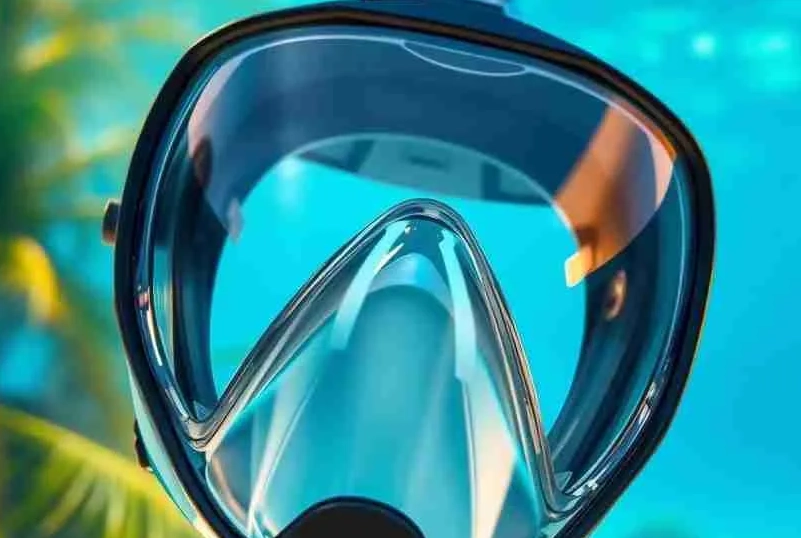
After testing dozens of masks over the years, from cheap department store finds to high-end professional models, I've learned that the "best" snorkel mask is deeply personal. It depends on your face shape, your snorkeling style, and even how you breathe. This guide cuts through the marketing hype. We'll break down the key features that actually matter, review top-performing models across different categories, and give you the tools to make a confident choice. Forget sifting through endless, generic reviews. Let's find the mask that fits you.
What's Inside This Guide?
What Makes a Great Snorkel Mask? (The 4 Pillars)
Before we look at specific models, understand what you're buying. Ignore flashy colors and focus on these four fundamentals.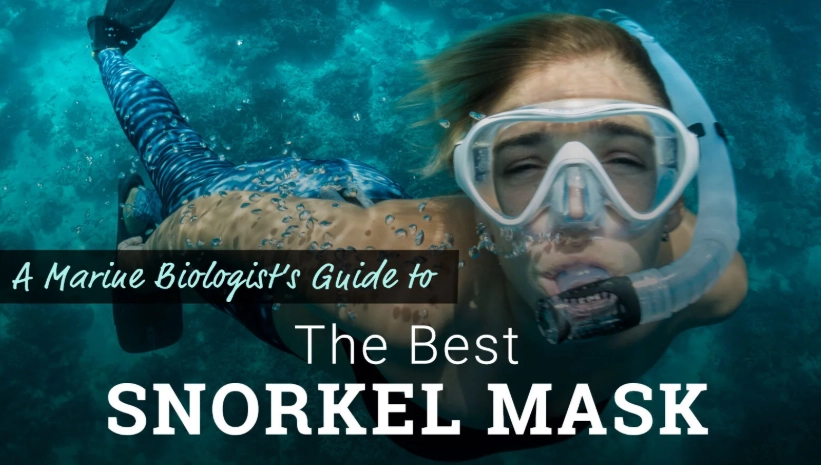
1. The Skirt: Silicone is King
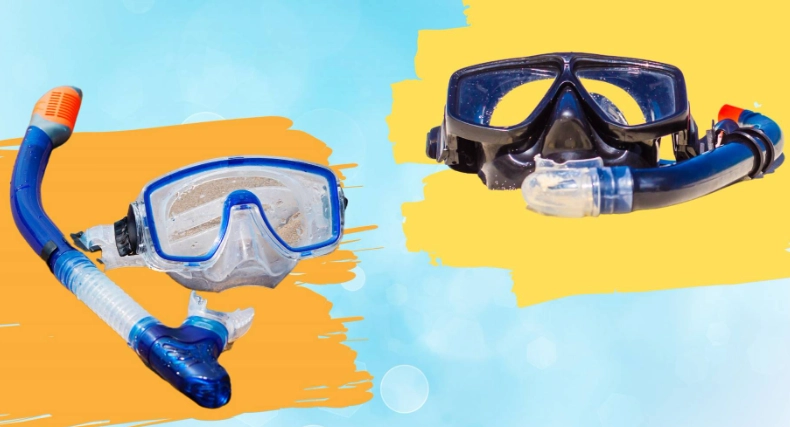
The skirt is the soft part that seals against your face. Cheap masks use PVC or rubber—they degrade quickly, feel stiff, and can cause allergic reactions. 100% silicone is the only choice for comfort and durability. It's soft, hypoallergenic, and retains its shape. Look for dual- or triple-flange skirts; these create multiple seals and conform better to facial contours, drastically reducing leaks.
2. The Lens: Tempered Glass & Field of View
Never settle for plastic lenses. They scratch easily and distort vision. Tempered glass is shatter-resistant, crystal clear, and scratch-resistant. The shape of the lens frame determines your field of view. A low-volume mask (sits closer to your face) offers a wider peripheral view and requires less air to clear if water gets in. Panoramic or wrap-around designs with side windows expand your view even further, which is great for spotting marine life.
A Common Mistake: Beginners often choose a mask based on how it looks on the shelf. The single most important factor is how it fits your unique face. A $200 mask that leaks is worse than a $50 mask that seals perfectly.
3. The Snorkel: Dry-Top is Non-Negotiable
The snorkel itself is half the equation. The old-fashioned J-tube (an open tube) is obsolete. A dry-top snorkel has a floating mechanism that seals the tube the moment it submerges, preventing water from pouring in. Some have a purge valve at the bottom to make clearing water effortless with a sharp exhale. For most snorkelers, a dry-top snorkel with a purge valve represents the sweet spot of convenience and reliability.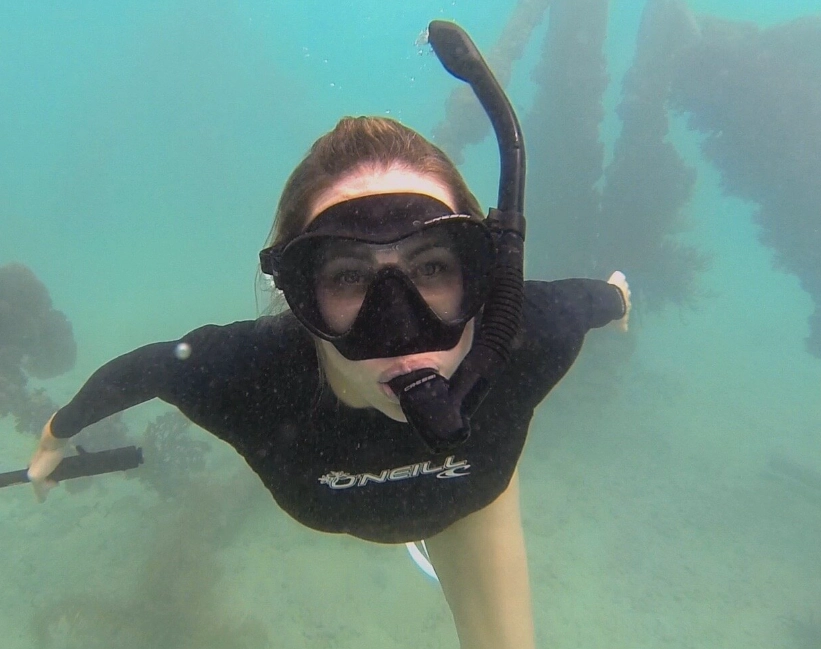
4. The Frame & Strap: Comfort for the Long Haul
The frame should be robust but not bulky. The strap should be wide, silicone-coated, and easily adjustable, even in the water. A split strap design (two straps that connect higher up) is more stable and prevents the mask from riding up. Buckles that allow micro-adjustments without removing the mask are a premium feature worth having.
Top Snorkel Masks Reviewed & Compared
Here’s a breakdown of standout models across different categories. I've included notes on who they're best for, based on real-world use, not just specs.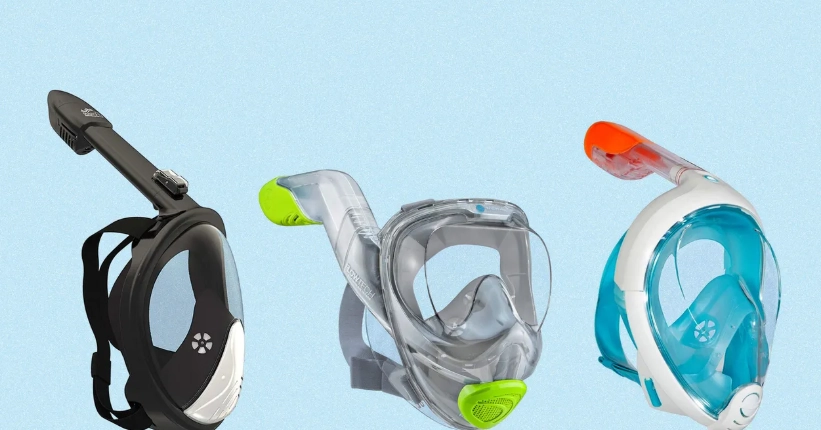
| Mask Model | Type | Key Features | Best For | Approx. Price |
|---|---|---|---|---|
| Cressi Panoramic Dry | Traditional (2-Window) | Wide panoramic view, dry-top snorkel with purge, comfortable silicone skirt, low internal volume. | Intermediate snorkelers wanting a great all-around, reliable set. Excellent value. | $40 - $60 |
| Atomic Aquatics Venom Frameless | Traditional (Frameless) | Ultra-soft triple-flange skirt, tempered glass, incredibly low volume for maximum field of view. | Serious snorkelers and divers with narrower faces. The gold standard for fit and clarity. | $80 - $100 |
| Tribord Easybreath Full Face Snorkel Mask | Full Face | 180° view, natural nose-in-mask breathing, integrated dry-top snorkel. (Decathlon brand). | Beginners or those anxious about breathing through their mouth. Very intuitive. | $50 - $70 |
| HEAD Sea Vu Dry | Full Face | Dry system with float valve, separate breathing & exhaling chambers (reduces CO2 build-up), anti-fog fan. | Snorkelers prioritizing dry-breathing tech and willing to pay for advanced features. | $100 - $130 |
| Ocean Reef Aria | Full Face (Premium) | Dive-rated, allows equalization for freediving, communication system compatible, high-grade materials. | Freedivers or tech enthusiasts who want the most capable full-face mask. | $250+ |
A note on the Cressi: It's the workhorse. I've recommended it to friends for years, and it rarely disappoints. The Atomic Venom is a different beast—it feels like part of your face once it's on, but it doesn't fit everyone. You must try it.
Regarding full face masks, the safety debate is real. Early models had legitimate CO2 retention concerns. Newer designs from reputable brands like HEAD and Ocean Reef have addressed this with better airflow engineering. Still, they are not for diving below the surface.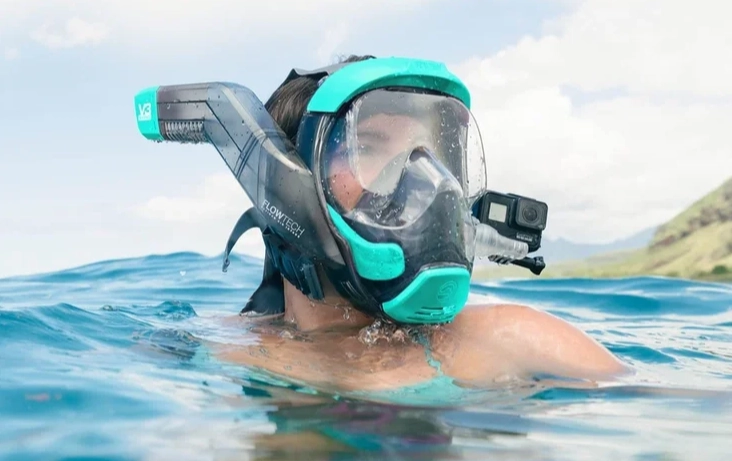
How to Choose: Traditional vs. Full Face Masks
This is the biggest decision. Let's simplify it.
Choose a Traditional Mask (like the Cressi or Atomic) if you:
- Plan on doing any freediving or duck-diving below the surface.
- Want a more compact, travel-friendly setup.
- Have a mustache or facial hair (full face masks struggle to seal).
- Are on a tighter budget—more options at various prices.
- Prefer the "tried and true" method. It's what virtually all scuba divers use.
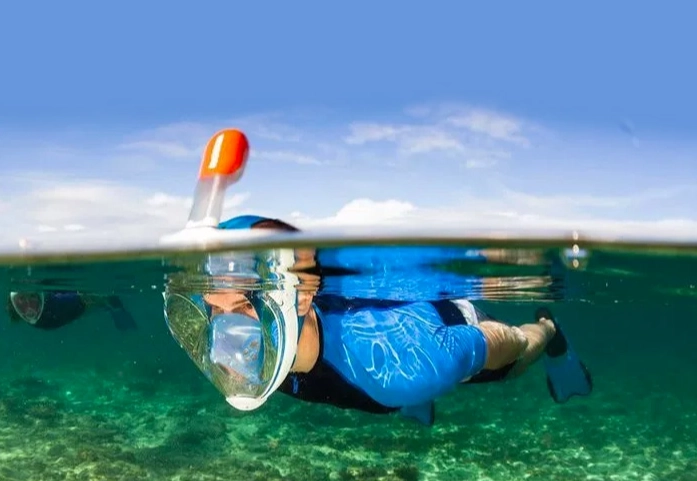
Consider a Full Face Mask (like the Tribord or HEAD) if you:
- Are a complete beginner nervous about the mouthpiece.
- Hate the feeling of jaw fatigue from biting a snorkel.
- Primarily want to float on the surface and look down.
- Wear glasses (some allow custom lens inserts).
- Snorkel in cooler climates where breathing warm, humidified air feels better.
My take? Learn with a traditional set. It's a more versatile skill. But if a full face mask gets someone comfortably into the water who otherwise wouldn't go, that's a win.
The Foolproof Fit Test (Do This Before You Buy)
You can do this in any store. Forget the strap.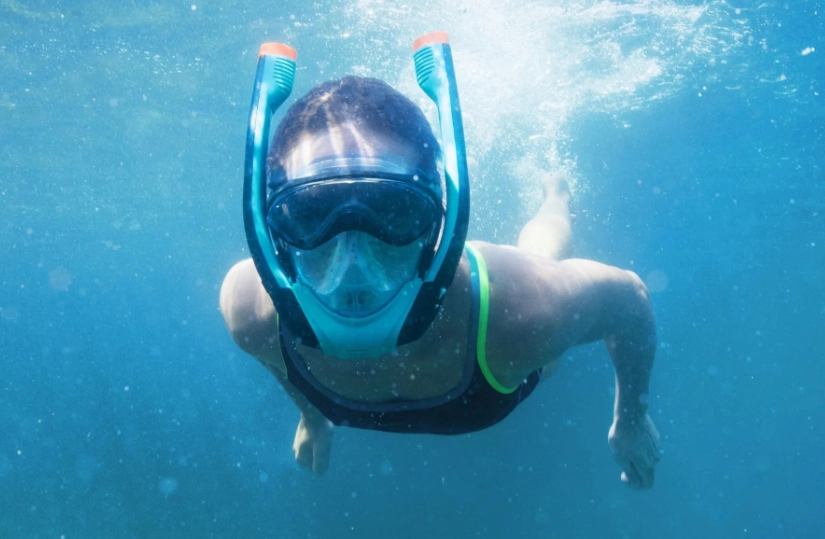
- Hold the mask gently to your face. Don't press hard. Just let it sit where it naturally wants to.
- Inhale slowly through your nose. Suck the air out of the mask.
- Hold your breath and let go with your hands. The mask should stay suctioned to your face without any strap holding it.
If it falls, it doesn't fit. Try another model or brand. The seal should feel even around the entire skirt—no specific pinching on the bridge of your nose or cheeks. This test checks the most critical seal.
Keeping It Clear: Anti-Fog & Maintenance Truths
Fogging happens because of the temperature difference between your face and the water. Spitting in the mask works because saliva contains surfactants that break up the water droplets. It's free and effective, if a bit gross.
Commercial anti-fog gels are more pleasant. Apply a small drop, rub it over the inside of the lens, then rinse it lightly with seawater just before you enter the water. Don't use fresh water until you're done for the day.
The biggest mistake? Touching the inside of the lens with your fingers. Oils from your skin are the primary cause of fog. Rinse your mask only with fresh water after use and let it air dry in the shade. Never store it wet in a sealed bag—that's how you grow science experiments.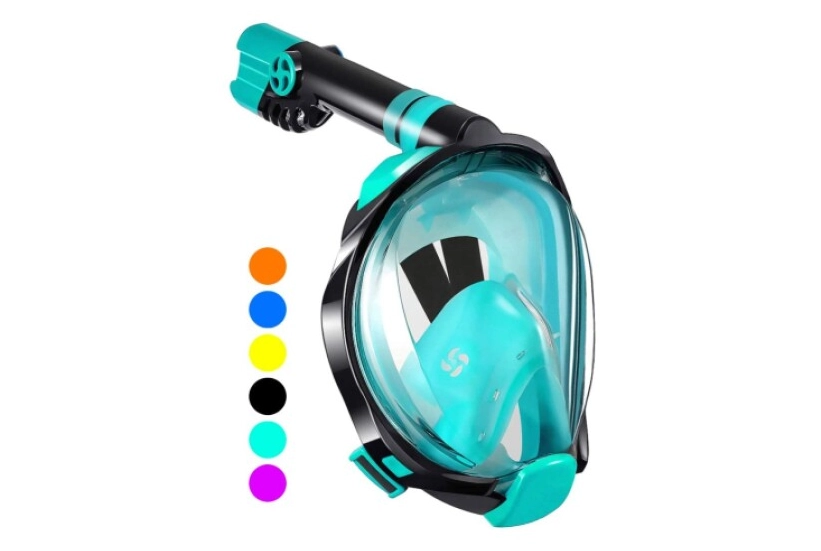
Your Snorkel Mask Questions, Answered
I wear prescription glasses. Can I get a snorkel mask that lets me see clearly underwater?
Absolutely. You have two reliable options, and sticking lenses to the outside of the mask isn't one of them. First, many traditional mask brands (like Cressi, TUSA, Aqua Lung) offer models with ready-made prescription lenses in common diopters. They're affordable but limited to single-vision. Second, for a perfect match, you can send a mask to an optical lab like Prescription Dive Masks or SeaVision to have custom bonded lenses made to your exact prescription, including bifocals. For full face masks, check if the manufacturer offers a prescription lens insert system.
Are full face snorkel masks actually safe? I've heard scary stories.
The safety concerns stem from early, poorly designed models that could allow exhaled carbon dioxide (CO2) to be re-breathed. Reputable brands now design masks with distinct, separate channels for fresh air intake and exhaust to minimize this risk. However, they are still designed for surface snorkeling only. The instant you tip your head face-down while diving, the dry-top valve will seal, cutting off your air supply. They are not for diving. Stick to major brands that comply with safety standards, never modify the mask, and always listen to your body—if you feel dizzy or short of breath, surface immediately.
 My mask always leaks from the top, near my forehead. What am I doing wrong?
This is often not a fit issue, but a hair issue. Even a single strand of hair caught under the silicone skirt will break the seal. Before putting the mask on, run your hand over your forehead to push back any hairline hairs. Also, ensure the strap isn't positioned too high on the back of your head. It should sit across the widest part, just above your ears. If the strap is too high, it pulls the top of the mask away from your forehead.
How important is a purge valve on the snorkel?
For beginners, very. It makes clearing water effortless—just exhale sharply and the water is forced out the bottom valve. Experienced snorkelers can clear a standard J-tube with a blast of air, but it takes practice. A purge valve is a helpful crutch that becomes second nature. The downside is it's one more moving part that can fail or get jammed with sand. Rinse it thoroughly after use.
Can I use my snorkel mask for scuba diving?
The mask itself, if it's a traditional tempered glass model, is usually fine for scuba. However, the snorkel that comes with a snorkeling set is not ideal for scuba diving. Scuba divers typically use simpler, smaller "foldable" or "pocket" snorkels that don't get in the way of the regulator. It's best to consult with your scuba instructor or dive shop for gear that meets diver training standards.
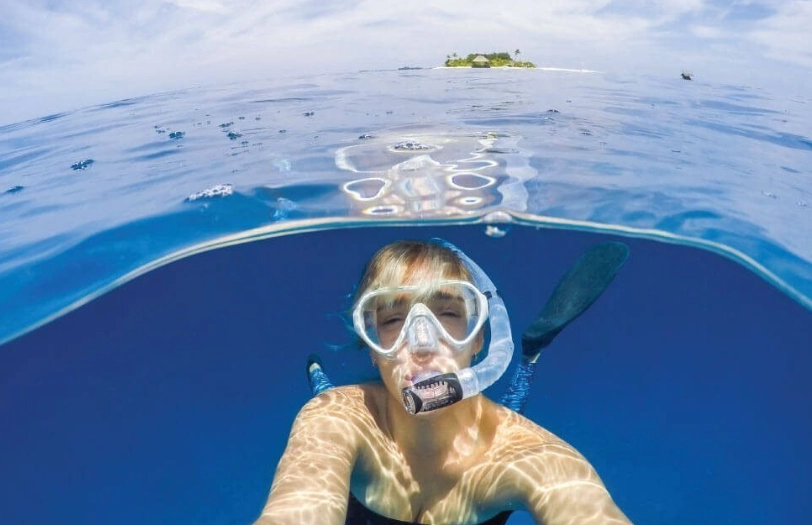 Choosing the right snorkel mask isn't about finding the one with the most five-star reviews. It's about finding the one that disappears on your face, leaving you free to focus on the turtles, the coral, and the sheer wonder of floating in another world. Take the time to understand the features, do the fit test, and prioritize comfort and seal above all else. Your future self, happily exploring a vibrant reef without a single leak or fog, will thank you.
Reader Comments