Let's cut straight to the point. No, a standard snorkel mask is not designed to fit over your regular eyeglasses. Trying to jam them underneath will almost certainly break the seal, letting water in, causing constant fogging, and probably leaving you with painful pressure marks on your nose. It's a recipe for a frustrating experience. But that doesn't mean clear vision underwater is off the table. As someone who's guided hundreds of bespectacled snorkelers, I can tell you there are three reliable paths forward, and choosing the right one depends entirely on your prescription, budget, and how often you plan to hit the water.
What You'll Find in This Guide
The Direct Answer & Why a Bad Seal Ruins Everything
Think of your mask seal like the gasket on a pressure cooker. It needs to be uniform and flush against your skin. Eyeglasses frames create gaps—at the temples, across the bridge of your nose. Even a tiny gap is an invitation for water. The moment you put your face in the water, physics takes over. Water pressure will find that weak spot and seep in. You'll spend more time clearing your mask than looking at fish.
More subtly, your glasses trap air between the lens and the mask glass. This air warms up from your face, hits the cooler mask lens, and condenses into fog behind your glasses. You can't reach in to wipe it. It's maddening. I've seen people on tours give up after ten minutes because of this exact issue.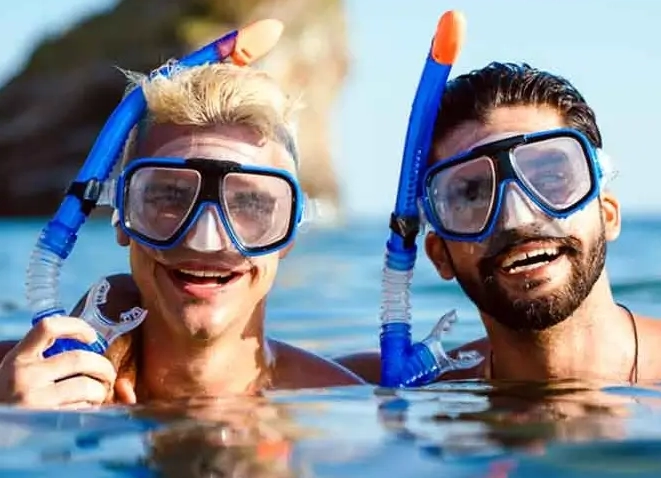
Your 3 Main Solutions, From Best to Most Compromised
Here’s a breakdown of your options. I've ordered them based on a combination of optical quality, reliability, and overall user satisfaction from the folks I've coached.
| Solution | Best For | Approx. Cost | Key Advantage | Biggest Drawback |
|---|---|---|---|---|
| Prescription Dive Mask | Frequent snorkelers, strong prescriptions | $80 - $200+ | Perfect, integrated vision | Cost, dedicated gear |
| Prescription Lens Inserts | Versatility, using your own mask | $50 - $150 | Adaptable, good value | Potential for slight fogging between layers |
| Contact Lenses | Mild prescriptions, occasional use | Ongoing (lens cost) | Use any rental mask | Risk of irritation, lens loss |
1. Prescription Dive Masks: The Gold Standard
These are masks with the corrective lenses bonded directly into the mask frame. They're what I use personally for my -4.5 prescription. Brands like TUSA and Cressi offer excellent off-the-shelf models in common diopter increments (usually in steps of -0.5). For complex prescriptions (high astigmatism, strong bifocals), you need a custom job from companies like Prescription Dive Masks or your local dive shop's optical lab.
The Feel: It's transformative. You look through the mask and the world is just… clear. No extra frames, no inserts. The field of view is identical to a standard mask. The seal is perfect because there's nothing to interfere.
The Catch: Price and commitment. A good pre-made one starts around $120. Custom can hit $300. This mask becomes your snorkeling mask. You can't loan it out, and if you lose it, it's a major loss. For someone snorkeling once a year on vacation, it's overkill. For someone who goes a few times a year or has a strong script, it's worth every penny.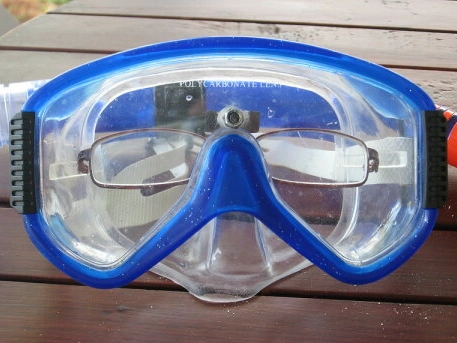
2. Prescription Lens Inserts: The Smart Modular Choice
This is the most popular solution I recommend to first-timers. It's a plastic or metal frame that holds your prescription lenses and clips or sticks to the inside of almost any standard mask. Brands like SeaVision and AquaOptics dominate this space.
You buy the insert frame online or at a dive shop, then take it to your optometrist to have lenses made (just like regular glasses). The cost is typically just the frame ($30-$80) plus the cost of the lenses from your optician.
Why it's clever: You can move the insert between masks. Rent a mask on a trip? Pop your insert in. Upgrade your mask shell later? Keep the same insert. It's also cheaper than a full custom mask.
The nuance everyone misses: You must leave a tiny gap between the insert and the mask glass. If they touch, they will fog together instantly. The good inserts have little silicone bumpers to maintain this space. You also need to apply anti-fog to both the mask glass and the front of your insert lenses.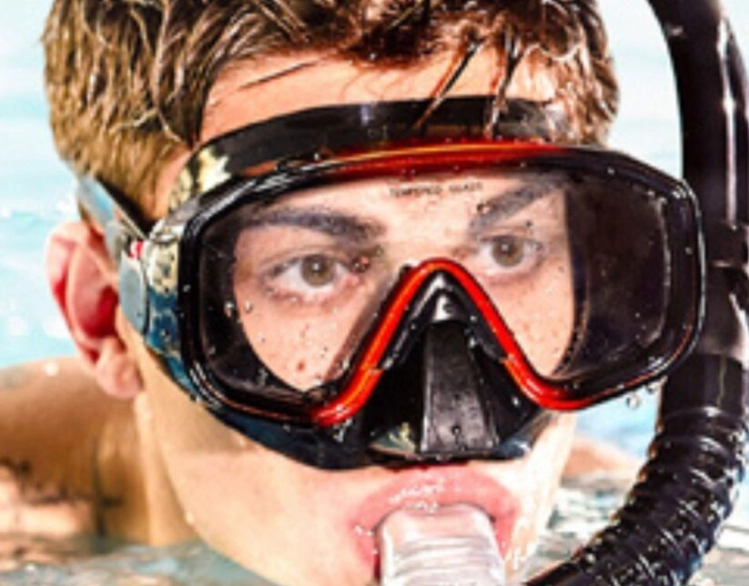
3. Contact Lenses: The Convenient Gamble
It seems like the easy answer. Pop in your daily disposables and use any old mask. For many with mild prescriptions, it works fine. But the ocean is a sterile environment's opposite.
The real risk isn't just losing a lens. It's microbial keratitis—an infection from bacteria or amoebas in the water getting trapped under your lens. The CDC explicitly warns against exposing contact lenses to any water. I've met two people who ended up with painful eye infections after snorkeling with contacts, and it scared them off for good.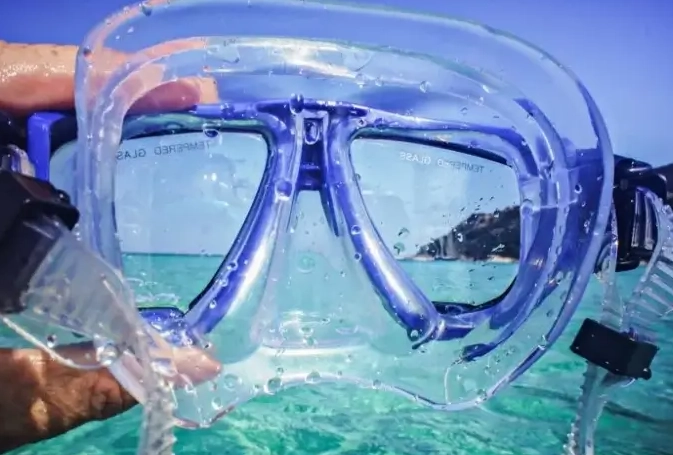
The Non-Negotiable: Testing the Fit on Dry Land
Whether you buy a prescription mask or an insert, this step is critical. A mask that doesn't fit your face shape will leak, prescription or not.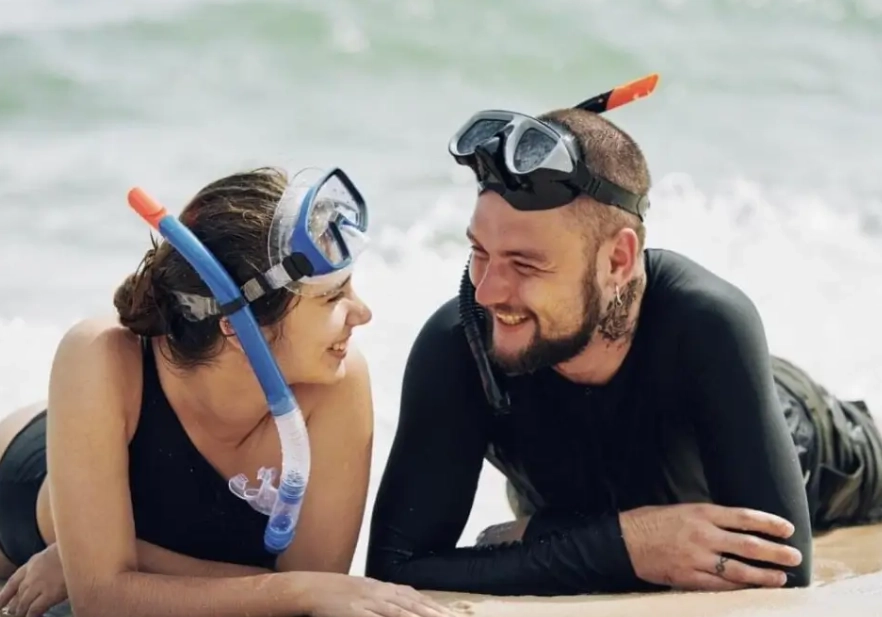
Here’s the simple test, taught in every PADI Open Water course: Place the mask on your face without putting the strap over your head. Gently inhale through your nose. The mask should suction to your face and stay there for a few seconds without you holding it. If it falls off, the seal is broken by your facial structure—try a different model. Mask skirts come in different materials (silicone is best) and contours (low-volume masks often fit more faces).
Don't just order online based on looks. Go to a dive shop. Try on ten masks. It makes all the difference.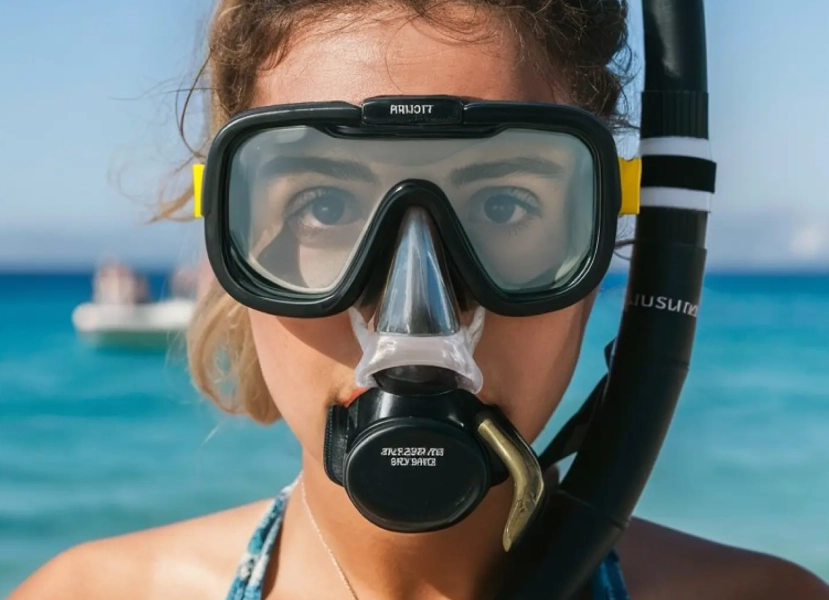
Reader Comments