Let's cut to the chase. The "short fins vs. long fins" debate isn't about declaring a universal winner. It's about finding the right tool for you, your body, and the water you'll be in. I've guided snorkeling trips for over a decade, and I've seen people struggle with the wrong fins more often than you'd think. The wrong choice can turn a magical reef exploration into a leg-burning, frustrating chore. The right choice makes you feel like a natural part of the ocean.
So, which is better? For most casual snorkelers, shorter, more flexible fins are the superior, more versatile choice. They're easier to use, more travel-friendly, and perfectly adequate for 95% of snorkeling scenarios. Long fins, or "blades," are specialized tools. They offer raw power and speed but demand more technique and strength. Your decision hinges on three things: your skill level, your fitness, and the specific conditions you'll face.
Your Quick Guide to Fin Selection
How Fins Actually Work (It's Not Just Kicking)
Before we compare, let's understand the mechanics. A fin isn't a paddle you strap to your foot. It's an extension of your leg that increases the surface area you push against the water. More surface area means more propulsion per kick. But here's the nuance everyone misses: efficiency matters more than brute force.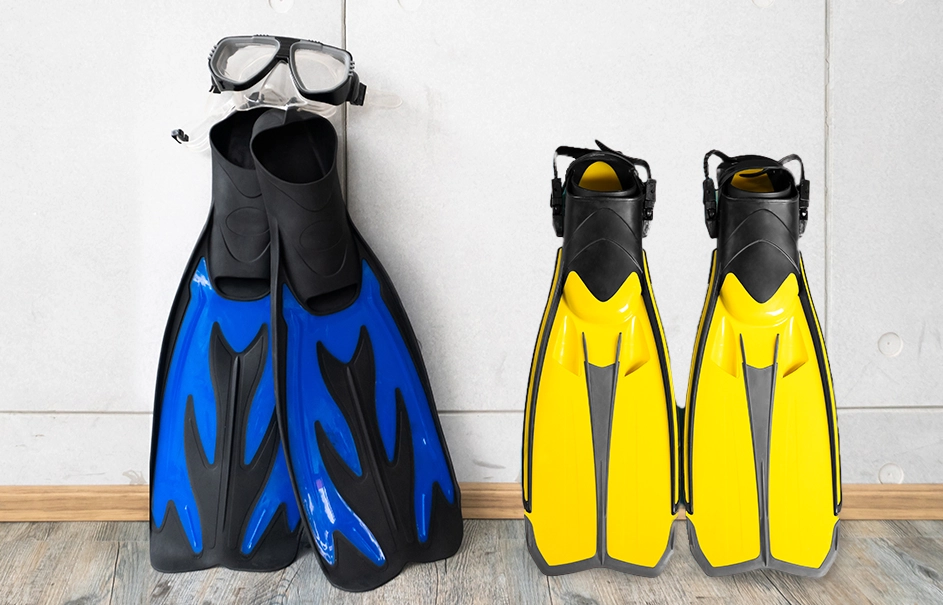
A longer blade moves more water, yes. But it also creates more drag on the up-kick and requires a slower, more deliberate kick cycle from your hips and core. A short, flexible fin allows for a faster, more relaxed flutter kick from the knees. It's the difference between doing slow, heavy squats (long fins) and a brisk walk (short fins). For snorkeling, where you're on the surface looking down, sustained comfort trumps bursts of speed.
The Short Fin Breakdown: Pros, Cons & Who Wins
When we talk "short fins," we're usually referring to snorkeling-specific or recreational fins, typically 15 to 25 inches long. They're the Swiss Army knife of the fin world.
My take: If you're buying your first pair of fins or only own one pair for travel, make them short, flexible, and open-heel with adjustable straps. It's the most forgiving and practical setup.
The Major Advantages of Short Snorkeling Fins
Ease of Use & Reduced Fatigue: This is the biggest win. The shorter, lighter blade and flex require less effort per kick. You can maintain a gentle flutter for hours without burning out your quads or cramping up. I've taken countless beginners out, and the relief on their faces when they switch from stiff rental longs to proper shorts is palpable.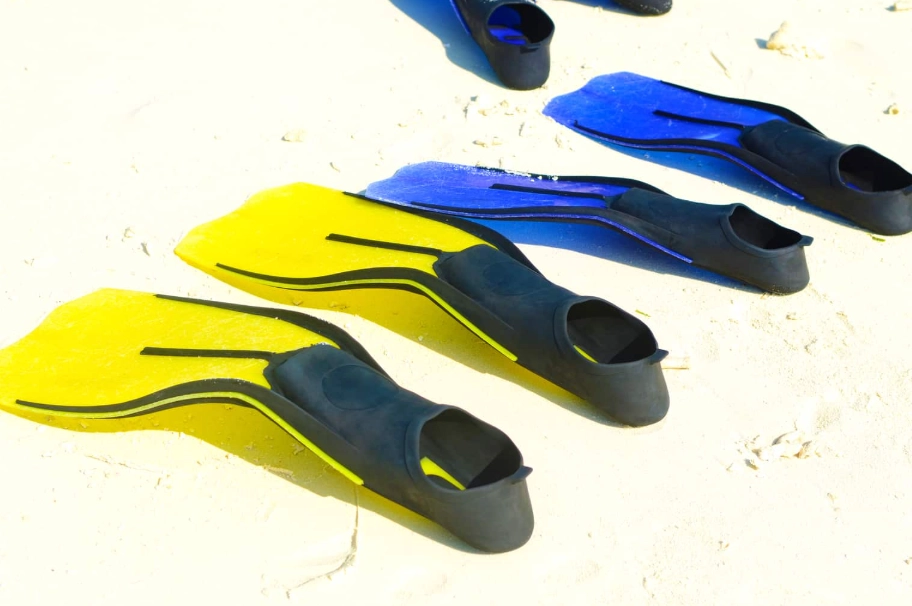
Maneuverability & Safety: In crowded snorkel spots, around delicate coral, or near other swimmers, short fins give you precise control. You can turn quickly, back up, and hover without whacking someone or damaging the reef. That last point is crucial—responsible snorkeling means good buoyancy and fin control.
The Travel Factor: This isn't a minor perk; it's a game-changer. Short fins often fit in a checked suitcase or a dedicated gear bag without becoming a tripod. Long fins? You're either carrying them separately or buying a massive bag. For a week-long trip to Hawaii or the Caribbean, packing simplicity wins.
Versatility for Various Swimmers: They work well whether you have a strong kick or a weaker one. They're also generally better for people with knee or ankle issues because the shorter lever puts less strain on joints.
The Downsides (They Do Exist)
You won't win any speed races. In a strong surface current, you'll have to work harder than someone with long blades. For diving down a few meters to get a closer look at something, you'll get less "thrust" per kick, meaning you might need a few more kicks to descend and ascend.
The Long Fin Breakdown: Power, Pain & Purpose
Long fins, often 25 inches and up, are the sports cars of the fin world. High performance, less forgiving. They're the domain of freedivers, spearos, and very experienced snorkelers who chase specific conditions.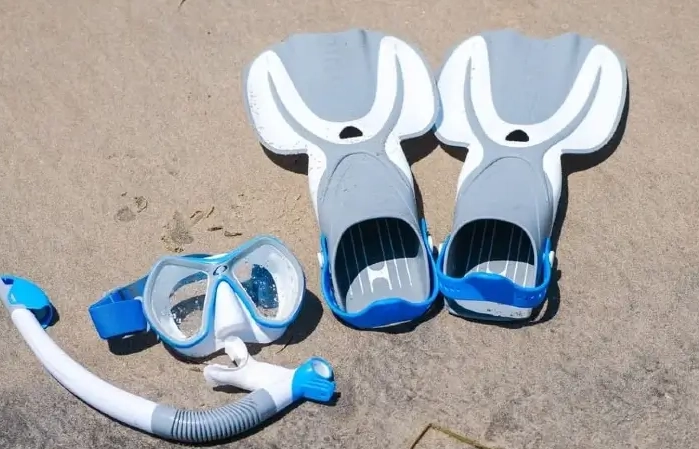
When Long Fins Shine (And When They Don't)
Raw Power and Efficiency (When Used Correctly): With proper technique—a slow, full-leg kick originating from the hip—a long fin is incredibly efficient. One powerful stroke can propel you further than three short-fin strokes. This is fantastic for covering large areas of a reef system or fighting a mild current.
Surface Swimming in Currents: If you're snorkeling from a boat in an area known for currents (like some channels in the Maldives or Palau), the extra power can provide a safety margin and make the swim back to the boat less exhausting.
The Major Drawbacks: The learning curve is real. Use them like short fins with a fast knee-kick, and you'll exhaust yourself in 10 minutes. They are cumbersome on land, a nightmare to travel with, and can be dangerous in tight spaces. I once watched a snorkeler with long fins accidentally knock another person's mask off with a careless turn. Not a great vibe.
They also amplify poor technique. If your ankle flexibility is poor, long fins will punish you with cramps.
Side-by-Side Comparison Table
| Feature / Scenario | Short & Flexible Fins | Long & Stiff Fins |
|---|---|---|
| Best For | Beginners, casual snorkelers, travel, reef exploration, calm waters, children. | Strong swimmers, experienced snorkelers, covering large areas, mild currents, freediving. |
| Ease of Use | Very easy. Natural flutter kick works well. | Harder. Requires proper technique from hips to avoid fatigue. |
| Maneuverability | Excellent. Easy to turn, back up, and hover. | Poor. Wide turning radius, risk of hitting things. |
| Leg Fatigue | Low. Comfortable for long sessions. | High if technique is poor. Moderate if technique is good. |
| Travel & Packing | Easy. Often fit in a suitcase. | Difficult. Usually require a separate bag. |
| Power & Speed | Moderate. Good for leisurely pace. | High. Excellent for speed and fighting light current. |
| Approx. Blade Length | 15 - 25 inches | 25+ inches |
Matching Fins to Your Snorkeling Scenario
Let's get practical. Here’s how to decide based on where and how you snorkel.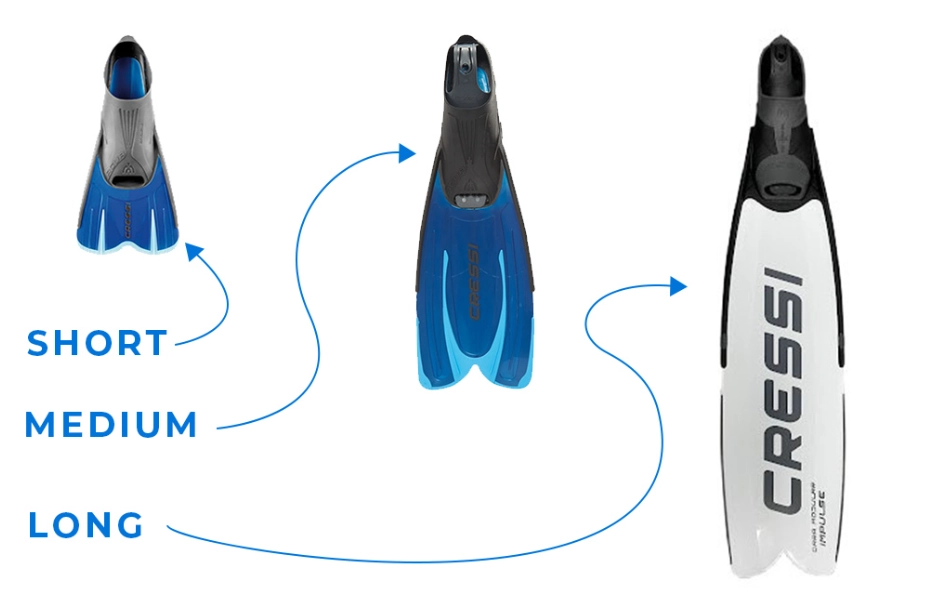
The Resort Vacation Snorkeler (Hawaii, Caribbean, Mexico): You're walking from your beach chair into calm, protected waters. You might do a boat trip to a popular, crowded reef. Short fins, 100%. The convenience of carrying them from your room, the ease in the water, and the safety around other snorkelers make this a no-brainer. Brands like Cressi and Mares make fantastic short snorkeling fins.
The "I Want to See Everything" Explorer: You're on a liveaboard or taking dedicated day trips to more remote reefs. You're a confident swimmer. Here, you could consider a hybrid: a medium-length fin (22-26 inches) with moderate flexibility. It offers a bit more power than a pure short fin but retains much of the manageability. Think of it as the crossover SUV of fins.
The Adventurer in Current-Prone Areas: Snorkeling the drift at Rainbow Reef in Fiji or the channels of Socorro? If you have the skill, long fins can be a legitimate tool. But honestly, most guided trips in these areas are planned so that the group stays together, and short fins are usually sufficient. The guide will have a float, and you shouldn't be fighting raging currents. I'd still lean towards a robust short fin unless you're very experienced.
Pool & Training: For building leg strength and technique? Short fins are perfect. Using long fins in a pool is overkill and awkward.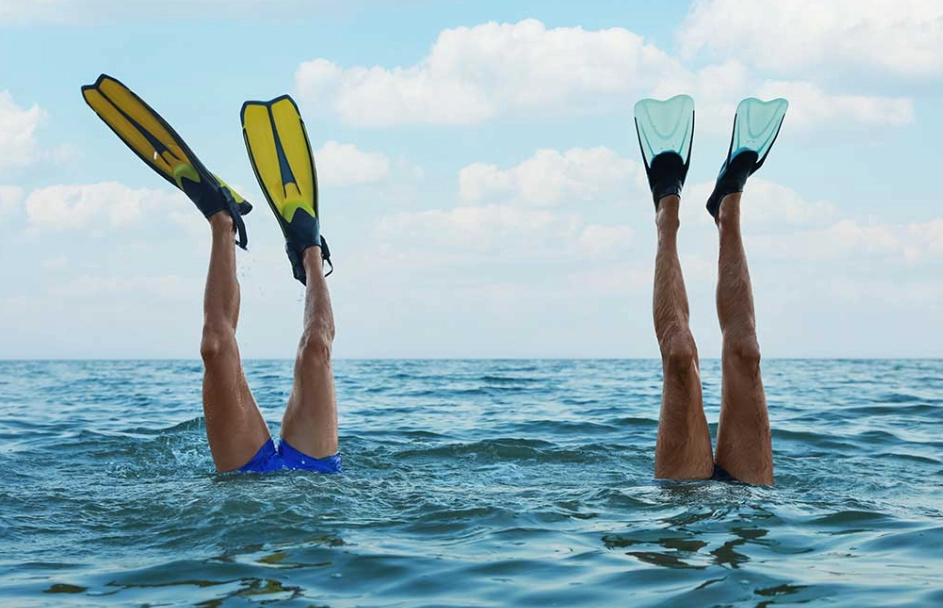
Why Fit and Material Matter More Than Length
Here's the expert secret nobody talks about enough: A perfectly fitting short fin will outperform a poorly fitting long fin every time.
Foot Pocket Fit: This is critical. It should be snug but not pinch. Your toes should be flat or slightly curled at the end, not jammed. Heel slippage causes blisters and wastes energy. An adjustable strap (open-heel) is almost always better than a full-foot pocket because it accommodates different foot volumes and allows you to wear neoprene socks for warmth or protection.
Blade Material & Flex: Fins are made from various rubbers and composites. A softer, more flexible blade is easier on the legs. A stiffer blade transfers more power but demands more from you. For snorkeling, prioritize flexibility. Many modern snorkeling fins use channels and vents to increase efficiency without adding length or stiffness—these are brilliant innovations.
A personal story: I once bought a premium pair of long fins because I thought I "needed" the power. They were too stiff for my ankle flexibility. After 20 minutes, my calves were in knots. I sold them and went back to my trusted, broken-in medium-length hybrids. Lesson learned: specs on paper don't beat how they feel on your body.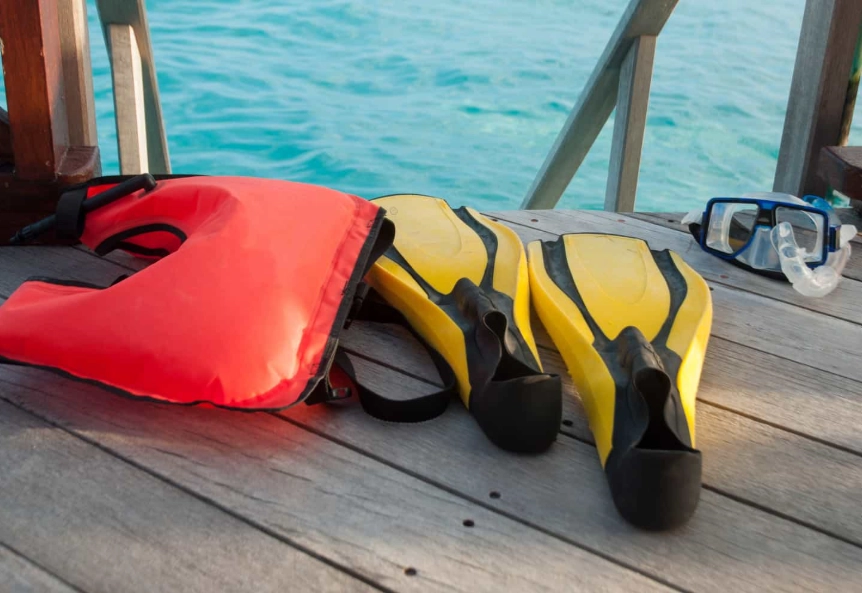
Reader Comments