Let's be honest. When you picture snorkeling in Turks and Caicos, you're dreaming of that one perfect moment: floating weightlessly over a garden of coral, a sea turtle gliding past your fins, the water so clear it feels like flying. The good news? That moment isn't just a dream here—it's a daily possibility. But here's the thing most blogs don't tell you: not every stretch of sand leads to that underwater wonderland. I've spent years exploring these islands, and I've seen too many visitors head straight for the most famous beach, only to be disappointed by murky water and bare sand.
The secret to an unforgettable Turks and Caicos snorkeling trip isn't just showing up. It's knowing exactly where to go, when to go, and how to do it right. This isn't a generic list. This is your blueprint, built on local knowledge and a few hard-learned lessons.
Your Snorkeling Blueprint
Why Snorkeling in Turks and Caicos is Different
You've probably heard about the third-largest barrier reef system in the world. That's the big draw. But what does that actually mean for you, floating on the surface? It means variety. Unlike places with a single, massive drop-off, the Turks and Caicos Islands offer a mosaic of environments. You have the shallow, calm reefs of Grace Bay on Providenciales, perfect for nervous beginners or families. Then you have the dramatic walls off Grand Turk, where the ocean floor plummets thousands of feet just a swim from shore—best for confident swimmers and boat trips.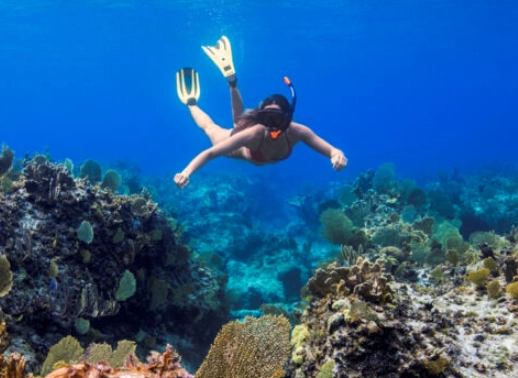
The water clarity is legendary, often exceeding 100 feet. This isn't an exaggeration. The islands sit on underwater plateaus, and the lack of river runoff keeps the water pristine. But that clarity depends heavily on weather and location. A spot that's crystal clear one day can be stirred up by winds the next. That's why flexibility is key.
My personal, non-consensus take? Everyone rushes to the boat tours (which are great), but some of my most magical encounters have been on the easily accessible, free shore-entry sites. They're less crowded, and you can go at your own pace.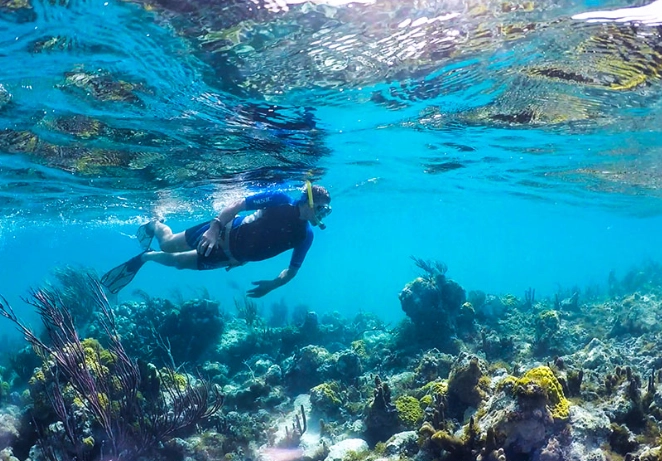
The Top Snorkel Spots: A Local's Breakdown
Forget vague directions. Here’s exactly where to go, what you'll see, and what most guides omit.
1. Smith's Reef, Providenciales
This is the crown jewel of shore snorkeling. Located in the Turtle Cove area, it's a long, fringing reef accessible directly from a rocky beach. Parking is along the side of the road—look for the small signs.
What You'll See: An incredible density of marine life. Expect parrotfish, angelfish, sergeant majors, the occasional spotted eagle ray, and, as the name suggests, sea turtles. I've seen more turtles here while snorkeling than on some dedicated boat tours. The coral is healthy, with large stands of elkhorn and brain coral.
The Local's Tip: Don't just snorkel straight out. The best area is to the right (east) of the main entry point. Swim parallel to the shore for about 50 yards, and you'll find a series of coral heads and sandy channels teeming with life. Go at high tide for easier swimming over the reef crest.
Cost: Free.
2. The Bight Reef (Coral Gardens), Providenciales
Right in front of the Sands at Grace Bay resort, this is the most beginner-friendly spot. You walk in from a sandy beach over a sandy bottom for about 50 feet before hitting the reef. It's roped off with buoys to protect the coral, which is a great sign.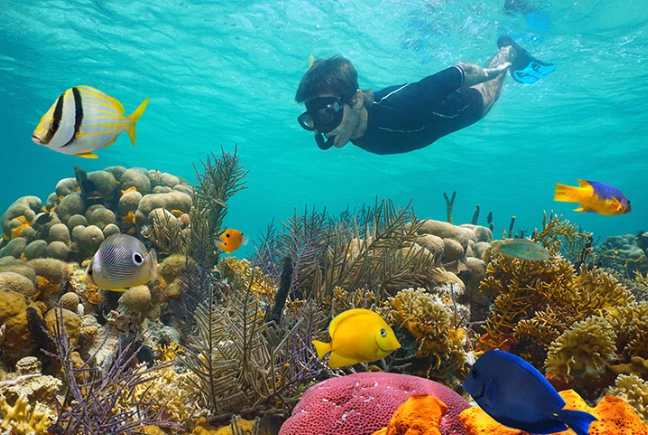
What You'll See: Excellent for kids and first-timers. Lots of colorful reef fish like blue tangs and stoplight parrotfish. The coral is recovering well. It's not the most spectacular in terms of size, but for convenience and ease, it's unbeatable.
The Catch: It can get crowded, and the coral has seen some damage from hurricanes. Don't expect the pristine wilderness of Smith's Reef, but for a quick, safe, and easy dip, it's perfect.
3. Grace Bay (Beyond the Shore)
The beach itself is 12 miles of soft sand, but the snorkeling right off the middle sections is often just sand and grass. The secret is the reef line about 200-300 yards out. You need a boat, kayak, or paddleboard to get there.
Best Access: Book a half-day snorkel trip with a reputable operator like Caicos Adventures or Island Vibes Tours. They'll take you to specific mooring balls on the barrier reef, like the popular "The Aquarium" or "Coral Gardens" sites. Here, you're on the ocean side of the reef, with deeper water and bigger fish—sometimes even reef sharks (harmless) in the distance.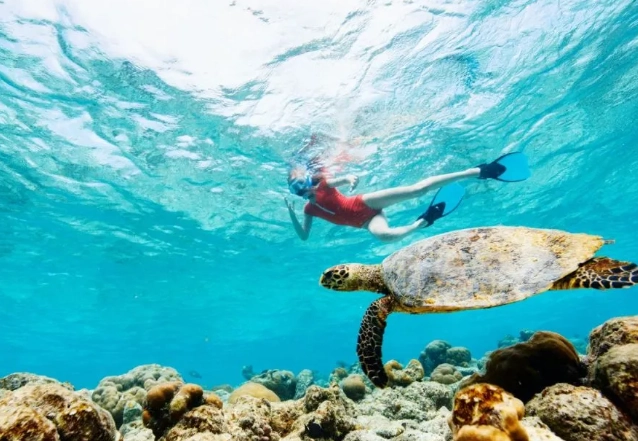
Cost: Tours range from $70 to $120 per person.
4. Grand Turk Wall
This is for the adventurous. Just a few hundred yards off the beach of Grand Turk, the sea floor drops from 40 feet to over 7,000 feet. You access this via boat tour from Cockburn Town.
The Experience: It's surreal. You snorkel along the "wall," looking down into the abyss. The pelagic life here is different—more likely to see large groupers, schools of horse-eye jacks, and majestic spotted eagle rays cruising the deep blue. The current can be stronger, so this is not for beginners unless on a very calm day with a guided group.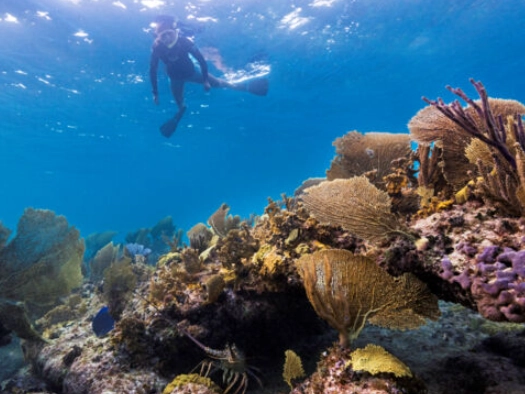
Top Operator: Blue Water Divers is a staple here for a reason.
| Spot Name | Location (Island) | Access | Best For | Key Marine Life |
|---|---|---|---|---|
| Smith's Reef | Providenciales | Shore (Free) | Intermediate, Wildlife Lovers | Turtles, Rays, Reef Fish |
| The Bight Reef | Providenciales | Shore (Free) | Beginners, Families, Kids | Colorful Reef Fish |
| Grace Bay Barrier Reef | Providenciales | Boat Tour ($) | Everyone, Reef Exploration | Varied Coral, Schools of Fish |
| Grand Turk Wall | Grand Turk | Boat Tour ($) | Strong Swimmers, Adventure | Pelagics, Wall Experience |
| Malcolm's Road Beach | Providenciales | Shore (Free) | Seclusion, Bonefish | Bonefish, Conch, Rays |
Practical Tips: Gear, Timing & Safety
This is where trips are made or broken.
When to Go (Timing is Everything)
The best snorkeling conditions are from April to November. Yes, that includes hurricane season. The ocean is typically flat calm during these months, especially in the summer. Winter (Dec-Mar) can bring stronger winds and "Christmas Winds" that churn up the sand on the north shore (Grace Bay), reducing visibility for shore snorkeling. Boat trips to the outer reefs are usually still fine.
Time of day: Go in the morning. The wind is lighter, the water calmer, and the sun is overhead, lighting up the reef. Afternoon winds often pick up. Also, many cruise ship excursions arrive in the afternoon, so mornings are less crowded at popular sites.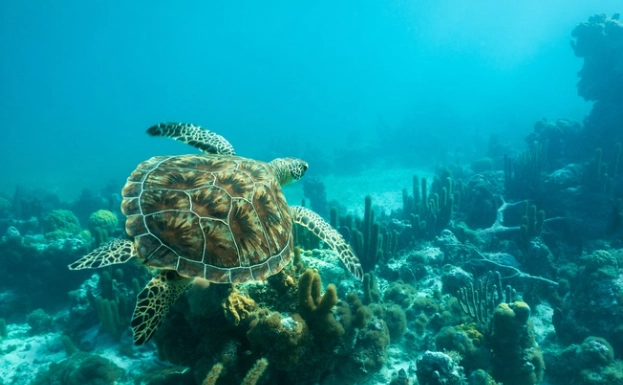
What Gear You Really Need
You can rent gear everywhere, but for hygiene and fit, consider bringing your own mask and snorkel. A fin that fits is crucial for fighting current and protecting your feet.
Must-Have Extras:
- Rash Guard or T-Shirt: The sun is intense, even through water. A long-sleeve rash guard protects your back from sunburn and from accidental scrapes on coral.
- Reef-Safe Sunscreen: Mandatory. Chemicals in regular sunscreen bleach and kill coral. Brands like Stream2Sea or Badger are widely recommended. The Turks and Caicos Islands government actively promotes their use.
- Water Shoes: For rocky entries like Smith's Reef.
- Waterproof Dry Bag: For your keys, phone, and wallet on the beach.
Safety First
Never snorkel alone. Currents can be unpredictable, especially around channel openings or on the windward side of islands. If you're not a strong swimmer, wear a snorkel vest—they're inexpensive and provide peace of mind. Always check conditions before heading out. If the water looks rough or murky from shore, save it for another day.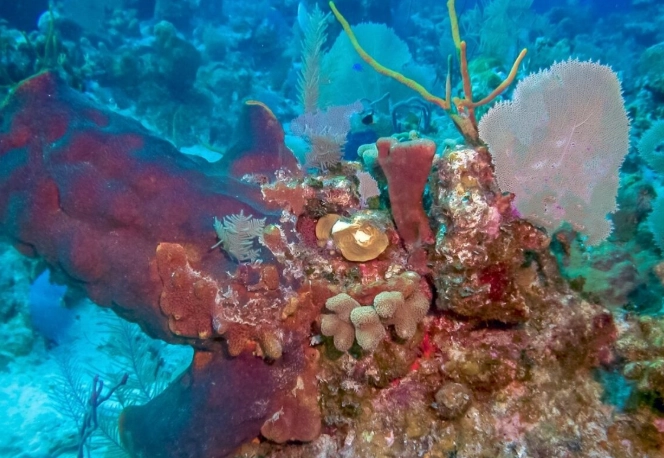
How to Plan Your Snorkeling Trip
Let's build an itinerary. Your base will likely be Providenciales (Provo).
For a 1-Day Snorkel Focus: Morning: Smith's Reef. Spend 2-3 hours exploring.
Afternoon: Book a 2-hour boat snorkel trip to the Grace Bay barrier reef. This gives you both the intimate shore experience and the grand scale of the outer reef.
For a 3-Day Snorkel Adventure: Day 1: Bight Reef (warm-up) and an afternoon boat tour.
Day 2: Smith's Reef in the morning. Rent a car and explore Malcolm's Road Beach on the south side for a different, quieter vibe in the afternoon.
Day 3: Take a full-day boat excursion to a remote cay like Little Water Cay (Iguana Island) or Fort George Cay. These trips combine pristine snorkeling with a deserted beach picnic.
Do you need a rental car? For serious shore snorkeling beyond your hotel beach, yes. Taxis are expensive for spontaneous trips. A small car for a day or two lets you hit Smith's Reef, Sapodilla Bay, and other hidden spots on your own schedule.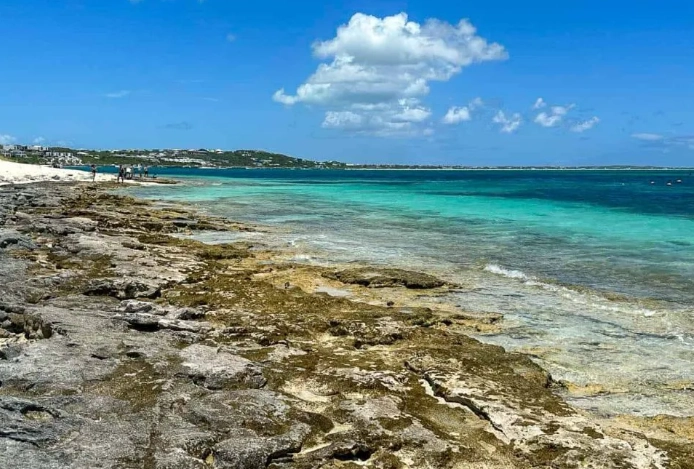
Your Questions, Answered
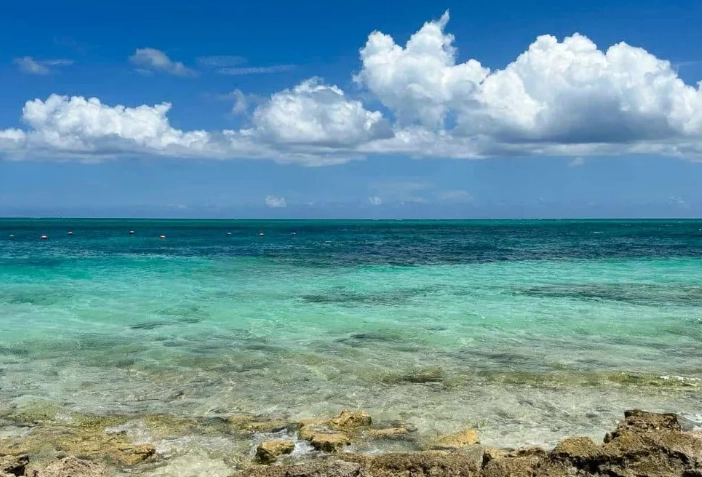
The water in Turks and Caicos is waiting. It's clearer, warmer, and more full of life than almost anywhere else in the Caribbean. But the difference between a good snorkel and a great one comes down to the details you now have. Skip the crowded, mediocre spots. Head to Smith's Reef at high tide, float quietly over the coral heads, and wait. That perfect moment—with the turtle, the ray, the sheer clarity—will find you.
Reader Comments