Quick Guide
Let's be honest. Shopping for snorkel gear online can feel like navigating a coral reef in the dark. One minute you're watching a slick video of someone gliding effortlessly with a futuristic full-face mask, the next you're down a forum rabbit hole reading horror stories about CO2 buildup. How do you make sense of it all? That's where honest, detailed snorkel mask reviews come in. Not the kind that just repeat the marketing copy, but the ones that tell you what it's actually like to use the thing when you're miles from shore and the water isn't perfectly clear.
I've been through my share of masks. The one that flooded constantly on a trip to Belize (ruined a good hour of exploring). The "dry top" snorkel that decided to become a water fountain. And yes, the full-face mask that made me feel like an astronaut but gave me a slight headache after 40 minutes. My goal here isn't to sell you on one specific model. It's to give you the framework and the specifics so you can match a mask to your face, your skills, and your snorkeling dreams. Because a great mask isn't a luxury; it's the difference between a forgettable experience and remembering the first time you saw a sea turtle up close.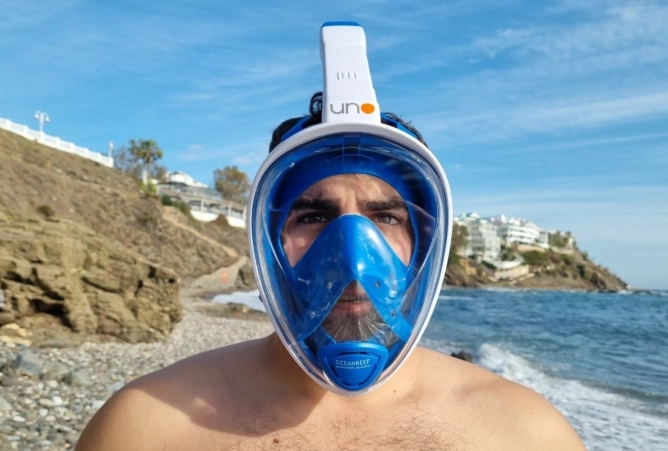
Why Your Mask Choice Matters More Than You Think
You might think a mask is just a mask. It holds air in front of your eyes, right? Well, sort of. The wrong fit is a guaranteed way to ruin your day. A leaking seal means constant clearing, saltwater in your eyes, and fogging so bad you might as well have your eyes closed. Beyond comfort, the right field of view can let you see that eagle ray gliding below you without craning your neck. The right snorkel design can mean the difference between easy breathing and feeling like you're sucking air through a thin straw.
And then there's the psychological factor. Gear that feels secure and reliable lets you relax. When you're relaxed, you breathe slower, use less air, and can stay in the water longer. You pay more attention to the fish and less to your equipment. That's the state we're trying to get you to.
The Contenders: Top Snorkel Masks Reviewed
We're going to break this down into two main camps: the modern full-face masks and the classic separate mask-and-snorkel setups. Each has its die-hard fans and its specific use cases. I've used or thoroughly researched the most talked-about models in each category.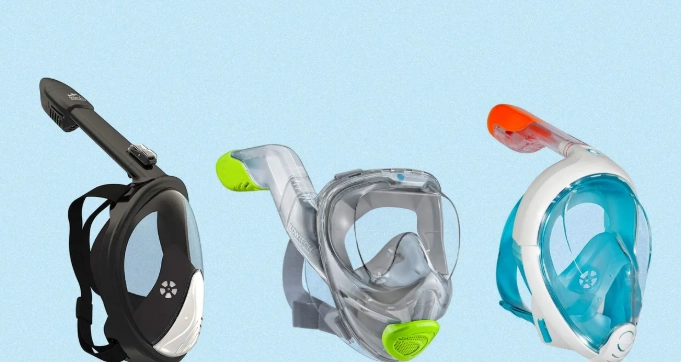
Full Face Snorkel Mask Champions
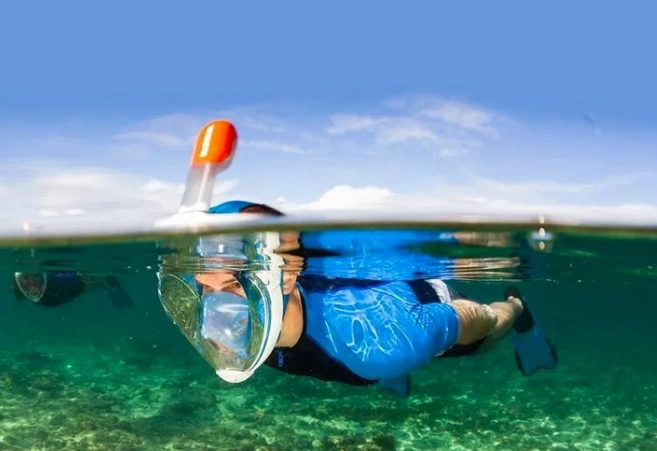
These masks cover your eyes, nose, and mouth in one unit. You breathe naturally through your nose and mouth, and the snorkel is built into the top. The appeal is huge: no mouthpiece to bite on, a wider field of view, and they're often easier for beginners to get the hang of.
Why People Love Them:
- Natural Breathing: This is the big one. No jaw fatigue from clenching a mouthpiece.
- Panoramic View: Many offer 180-degree lenses, which is simply breathtaking.
- Reduced Fogging: Separate breathing chambers often keep the view lens clearer for longer.
- Great for Beginners/Nervous Snorkelers: The intuitive breathing reduces initial anxiety.
The Potential Downsides:
- Fit is Crucial & Tricky: They need to seal around your entire face. Beards, high cheekbones, or unique face shapes can cause leaks.
- CO2 Buildup Concerns: Poorly designed models with inadequate airflow can potentially lead to rebreathing carbon dioxide. This is why choosing a well-ventilated design from a reputable brand is non-negotiable.
- Not for Freediving: You cannot equalize pressure in your ears (by pinching your nose) while wearing one, so they are strictly for surface snorkeling.
- Bulkier to Pack: They take up more space in your travel bag.
Top Full-Face Contender: Tribord Easybreath (by Decathlon)
This is the mask that started the craze. It's the benchmark. I've used the newer versions, and the improvements are noticeable. The dry-top system is very effective, and the downward-facing exhaust valve does a solid job of directing bubbles away from your view. The field of view is, frankly, incredible. It feels like you're wearing a high-definition TV screen on your face.
The Premium Choice: Ocean Reef Aria
If Easybreath is the Toyota Camry, the Aria is the Lexus. It's used by some snorkeling tour operators, which says something about its durability. The skirt silicone is super soft, and the buckle system is the best I've handled—easy to adjust even with wet hands. Ocean Reef is also one of the brands that publishes airflow test data for their masks, which addresses the safety concern head-on and adds a layer of trust. You pay for that engineering, though.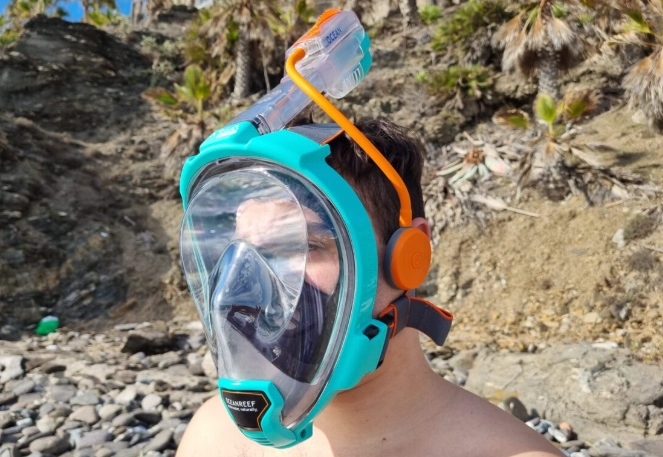
Traditional Snorkel Mask Standouts
This is the classic setup: a separate mask that seals around your eyes and nose, and a snorkel that attaches to the side. It's what you'll see most serious snorkelers and all scuba divers using. The learning curve is a bit steeper (learning to breathe only through your mouth), but the control and versatility are unmatched.
The All-Rounder Favorite: Cressi Palau
For years, this has been a go-to recommendation, and for good reason. It's not fancy, but it's incredibly reliable. The low-volume design (less air space inside) means it's easier to clear if water gets in. It sits close to your face, which reduces drag and feels secure. The field of view is more than adequate. I've recommended this mask to three friends, and all of them have loved it. It's a workhorse.
For the Wider Face: TUSA Freedom Elite
Japanese engineering at its finest. The Freedom Elite uses a patented "parabolic" lens shape that genuinely provides a wider, more panoramic view than most traditional masks. The skirt is designed to fit a broader range of facial structures comfortably. If you've had trouble with masks pinching your temples or leaving a deep red ring on your forehead, this one is worth seeking out. It's a bit pricier, but the comfort level is top-tier.
Head-to-Head: Key Specifications at a Glance
| Model | Type | Key Feature | Best For | Considerations |
|---|---|---|---|---|
| Tribord Easybreath | Full Face | 180° Panoramic View, Dry Top Snorkel | Beginners, Casual Snorkelers, Those who want the widest view. | Get the sizing right; not for diving below surface. |
| Ocean Reef Aria | Full Face | Premium Comfort, Published Airflow Data | Enthusiasts wanting top comfort & addressed safety concerns. | Higher price point; a serious investment. |
| Cressi Palau | Traditional | Low-Volume, Reliable & Affordable | First-time buyers, travelers, all-purpose snorkeling. | Classic design; may not fit very wide faces perfectly. |
| TUSA Freedom Elite | Traditional | Parabolic Lens for Wider View | Snorkelers with wider faces or who prioritize view. | Higher cost than basic traditional masks. |
| Seaview 180 V2 | Full Face | Affordable Full-Face Option | Those wanting to try full-face on a budget. | Quality control can be variable; a solid "try-it" option. |
How to Pick YOUR Winner: It's All About Your Face
Reading snorkel mask reviews is step one. Step two is the fitting session. If you can, try before you buy. Here’s how to do a proper fit test, even in your living room.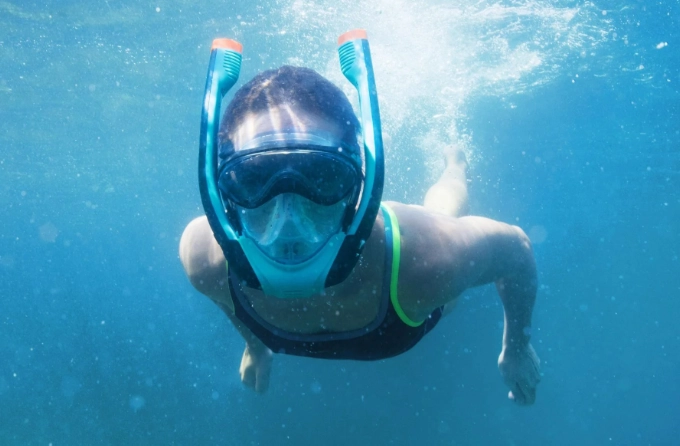
- Leave the strap behind your head. Don't use it for this test.
- Place the mask gently against your face. Make sure your hair isn't caught in the skirt.
- Inhale gently through your nose and hold your breath. The mask should stick to your face by suction alone.
- Now, without breaking the seal, look down. Shake your head gently side to side. If it stays put, you've got a promising seal.
If it falls off, it's not the mask for you. Try a different model or size. This simple test saves so much hassle later.
Think about your snorkeling style. Are you a splash-around-the-beach-for-30-minutes person, or are you planning 2-hour reef explorations? For longer sessions, the comfort of the skirt and buckle system becomes much more important. Do you wear glasses? You'll need prescription lens inserts (available for many models) – don't even try the stick-on lenses, they're awful.
Your Snorkel Mask Questions, Answered
The Long-Term Relationship: Care and Maintenance
Good gear treated well lasts for years. Inspect the silicone skirt regularly for small tears or nicks. Check the strap and buckles for wear. If your mask has a dry snorkel valve, make sure the little float moves freely and isn't stuck with sand or debris.
If you're traveling, get a hard case or a padded dive gear bag. Throwing your mask loose into a suitcase with shoes and other hard objects is asking for a cracked lens or a torn skirt.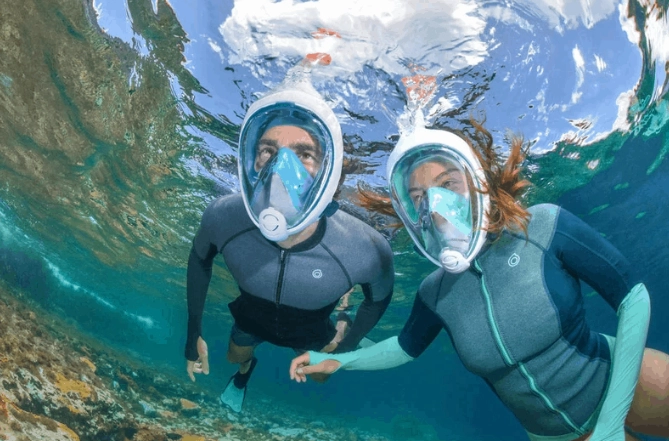
Final Thoughts: Making Your Decision
At the end of the day, the best snorkel mask is the one that fits you and matches your snorkeling habits. Don't get swayed by the flashiest marketing. Use the suction test. Be brutally honest about your face shape and skill level.
For most first-timers who just want to enjoy the surface and breathe easily, a reputable full-face mask like the Tribord Easybreath (with proper sizing) is a fantastic choice. For those who think they might get more serious, want to dive down to get a closer look, or have facial hair, a high-quality traditional mask like the Cressi Palau or TUSA Freedom Elite is the smarter, more versatile path.
Remember, these snorkel mask reviews are a starting point. Your face is the final judge. Take your time, choose wisely, and you'll have a piece of gear that opens up a world of underwater wonder for years to come. And honestly, that's worth every bit of research.
Reader Comments