Explore This Guide
- My Personal Dry Tortugas Snorkeling Story (The First Time)
- What the Reviews Really Say (The Good, The Bad, The Real)
- Top Snorkeling Spots in Dry Tortugas: A Detailed Breakdown
- When to Go for the Best Snorkeling (And to Avoid the Worst)
- How to Get There & Practical Tips You Won't Find in a Brochure
- Essential Snorkeling Gear: What to Bring (And What to Leave)
- Safety First: It's Not a Swimming Pool
- Common Questions Answered (FAQ from Real Reviewers)
Let's cut right to the chase. You're here because you typed "Dry Tortugas snorkeling reviews" into Google. You've probably seen the stunning photos – impossibly clear blue water, a massive brick fortress rising from the sea, and fish so colorful they look Photoshopped. You're wondering if it's all true. Is the snorkeling in Dry Tortugas National Park really that good? Is it worth the notoriously difficult and expensive journey to get there?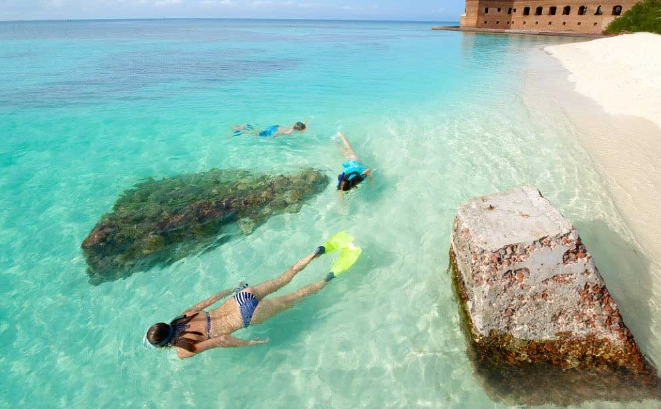
Well, I'm not some faceless travel website. I've been there. Multiple times. I've taken the ferry, I've splurged on the seaplane once (ouch, my wallet), and I've spent hours floating face-down in that incredible water. This isn't just a rehash of brochure copy. This is my honest take, woven together with the common threads I've seen in hundreds of other Dry Tortugas snorkeling reviews from real travelers. The awe, the frustration, the pure magic of it.
So, let's dive in.
My Personal Dry Tortugas Snorkeling Story (The First Time)
I remember my first trip vividly. The Yankee Freedom III ferry ride from Key West was... choppy. Let's just say I was glad I took the motion sickness advice seriously. Two and a half hours of staring at the horizon later, Fort Jefferson appeared, and any lingering queasiness vanished. It's breathtaking. But I wasn't there for the history (though it's fascinating). I was there for the water.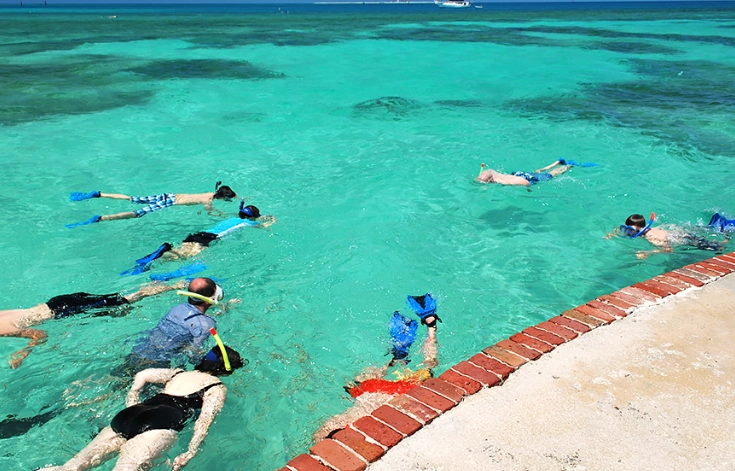
After the obligatory fort tour, I grabbed my gear and headed to the moat wall, right near the main dock. I slipped into the water. The first shock was the temperature – perfect. The second shock was the visibility. I could see the sandy bottom 20 feet down as clearly as if I was looking through air. And then the fish. Schools of blue tang, parrotfish crunching on coral, a graceful tarpon gliding by like a silver submarine. I spent 45 minutes in one spot, just watching the ballet. That's the thing about snorkeling Dry Tortugas – the ecosystem is so healthy and protected that the marine life is just... everywhere. It's not like you have to swim for miles to find a good spot.
What the Reviews Really Say (The Good, The Bad, The Real)
Scouring through forums, TripAdvisor, and blog comments, a very clear picture emerges. People's experiences aren't uniform, and understanding why is key to managing your expectations.
The Unanimous Praise: What Everyone Loves
This is the easy part. Almost every single positive review, including my own, raves about a few consistent things:
- Unmatched Water Clarity: The remote location means minimal runoff and pollution. The visibility is frequently 80-100 feet, which is almost absurdly good for the Florida region.
- Abundant & Fearless Marine Life: Because the area is a federally protected national park and a no-take marine sanctuary, the fish have no reason to fear humans. You'll get close-up views of species that would dart away elsewhere.
- The Fort as a Backdrop: There's something surreal about snorkeling next to a 19th-century military fortress. It's a unique combination of natural and historical wonder you won't find anywhere else in the U.S.
- Healthy Coral: While not the Great Barrier Reef, the coral formations around the Dry Tortugas, especially at the more remote snorkel sites, are notably healthier and more vibrant than in many parts of the stressed Florida Reef Tract.
The Common Complaints: The "Cons" in the Reviews
Now, the not-so-glamorous side. If you only read promotional material, you might miss these crucial points. But real Dry Tortugas snorkeling reviews bring them up constantly.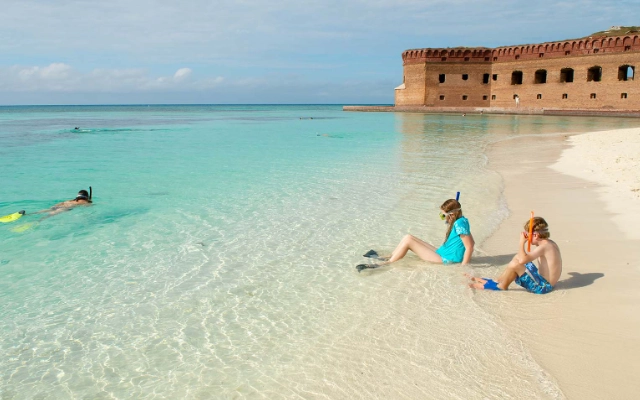
Limited Time in the Water: If you take the day-trip ferry, you have about 4-5 hours on Garden Key (where the fort is). After exploring the fort, eating lunch, and dealing with logistics, your actual snorkeling time can feel rushed. You're not getting a full day of leisurely snorkeling.
Weather Dependency: This place is exposed. Wind and waves can churn up the water, reducing visibility and making snorkeling unpleasant or even unsafe. Trips get canceled. I had a friend whose seaplane trip was canceled last minute due to wind, and rebooking was a nightmare.
Basic Facilities: It's a remote island. There are bathrooms and picnic tables, but that's about it. No rentals (you MUST bring your own gear), no lockers, no showers. You need to be self-sufficient.
See? It's not all rainbows and butterflyfish. A balanced review has to acknowledge this.
Top Snorkeling Spots in Dry Tortugas: A Detailed Breakdown
Not all snorkeling spots around Garden Key are created equal. Your experience can vary wildly based on where you go. Based on my trips and aggregating common tips from experienced visitors, here’s the lowdown.
| Spot Name | Location | Best For | What You'll See | Key Considerations |
|---|---|---|---|---|
| The Moat Wall (North & East) | Right off the main beach, following the fortress wall. | Beginners, families, first-timers. Easy access from shore. | Grunt, snapper, parrotfish, barracuda, the occasional tarpon. The wall itself is covered in interesting sponges and coral. | Can get crowded with ferry passengers. Stay outside the official swimming area for better scenery. Watch for boat traffic near the docks. |
| South Coaling Dock Pilings | The old wooden dock ruins on the south side of the island. | Intermediate snorkelers. More structure = more fish. | HUGE schools of baitfish, snapper, jacks, sergeant majors. Great place to see lobsters and moray eels in the pilings. My turtle spot! | Stronger currents can sometimes be present here. Depth is a bit greater. The wooden pilings are fragile—do not touch or kick them. |
| Little Africa (Snorkeling Boat Trip) | Reef patch about 1-2 miles from Garden Key, accessed only by the ferry's snorkeling boat or private vessel. | Advanced snorkelers, coral enthusiasts. The best marine life. | The healthiest elkhorn and staghorn coral formations in the area. Higher chance of seeing rays, sharks (mainly nurse sharks), and larger pelagics. | You must sign up and pay extra for the ferry's snorkel boat excursion. It runs on a schedule and depends on weather/sea conditions. |
| Windjammer Wreck | A 19th-century shipwreck site, several miles away. | Expert snorkelers/divers with a private boat. | A historic wreck site now encrusted with coral, attracting a vast array of fish. A truly unique experience. | NOT accessible from shore or the standard ferry. Requires a private charter or special tour from Key West. Strong currents are common. |
When to Go for the Best Snorkeling (And to Avoid the Worst)
Timing is everything. You can have two completely different experiences based on the month, even the week, you visit.
The Absolute Sweet Spot (Late April - June): This is my recommended window. The winter winds have died down, the water is warming up (78-82°F), visibility is typically at its peak, and the summer rainy season/storms haven't kicked in yet. It's also before the peak of hurricane season. The water is calm, the sun is high. Perfect.
The Summer Gamble (July - September): Water is warmest, but this is hurricane and thunderstorm season. You risk trip cancellations, afternoon storms, and occasional seaweed (sargassum) influx. However, if you hit a clear, calm week, it's spectacular. Just have a flexible schedule and trip insurance.
The Windy Season (October - March): The water can be cooler (low 70s, sometimes high 60s), and the infamous winter winds make the seas choppy. This can drastically reduce visibility near shore and make the ferry ride rough. However, it's the best time for bird watching and the ferry is easier to book. For snorkeling-centric trips, it's the riskiest window.
How to Get There & Practical Tips You Won't Find in a Brochure
Let's get logistical. This is where most of the stress lies, so planning is key.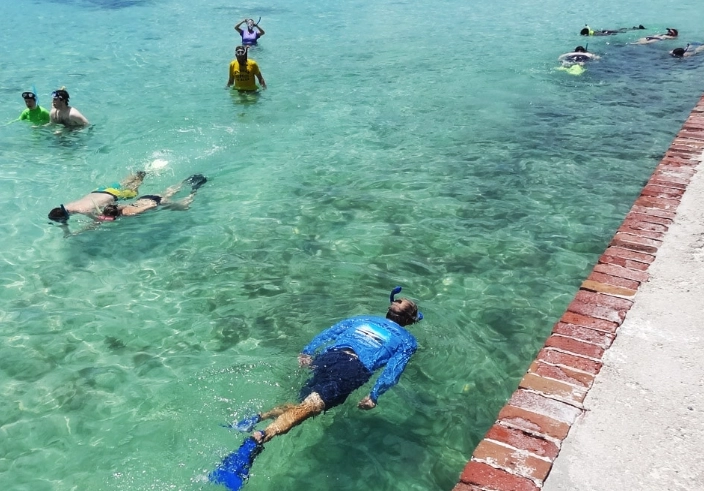
| Transport Method | Pros | Cons | Best For | Approx. Cost (pp) |
|---|---|---|---|---|
| Yankee Freedom III Ferry | Most affordable option, includes park fee, lunch, snorkel gear (basic), fort tour. The snorkel boat add-on is available. | Long ride (5 hrs round-trip), weather-sensitive, can be rough, rigid schedule (4-5 hrs on island), books up months ahead. | First-timers, budget-conscious travelers, groups. | $200+ |
| Seaplane (Key West Seaplane Adventures) | Breathtaking 40-min flight, incredible aerial views, more time on island (6.5+ hrs), small groups. | Very expensive, weight restrictions, even more weather-sensitive than ferry, books up extremely fast. | Special occasions, those short on time, travelers wanting a premium experience. | $400+ |
| Private Boat | Ultimate flexibility, access to remote sites like Windjammer, customize your schedule. | Extremely expensive, requires skilled captain/navigator for the 70-mile open ocean crossing, need to arrange all permits and supplies. | Experienced boaters, large groups, serious divers/snorkelers with specific goals. | |
| Overnight Camping | Sunset/sunrise snorkeling, night sky, escape the day-trip crowds, truly immersive. | Must bring EVERYTHING (water, food, gear, shelter), limited permits, 3-night min stay on ferry schedule, primitive camping, no fires. | Adventurous souls, experienced campers, photographers. | Ferry fare + $15/night camping fee |
A critical resource for planning is the official Dry Tortugas National Park website by the National Park Service. It has the most accurate, up-to-date information on fees, ferry schedules, camping permits, rules, and alerts. Always check it before your trip.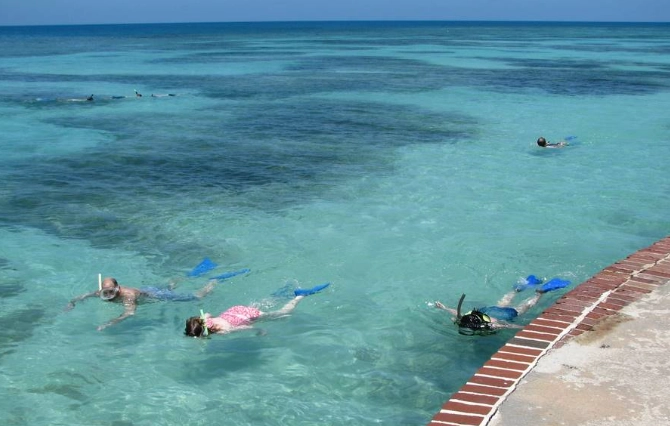
Essential Snorkeling Gear: What to Bring (And What to Leave)
- Your Own Mask & Snorkel: Non-negotiable for comfort and a good seal. A fog-free mask is a game-changer.
- Rash Guard or Wetsuit Top: Even in summer, 4+ hours in the sun and water leads to major sunburn and chill. A 1-2mm top provides sun protection and warmth. This is the #1 most forgotten item in Dry Tortugas National Park snorkeling reviews.
- Fins: The ferry provides them, but if you have room, bring your own comfortable pair. Walking on the island with fins is awkward, so many people just use the ferry's.
- Water Shoes or Sandals: The beaches are coral rubble and can be sharp. You'll want foot protection walking to your entry point.
- Dry Bag: To keep your towels, phone, wallet, and extra clothes dry on the beach.
- Reef-Safe Sunscreen: It's not just a suggestion; it's crucial for protecting the fragile ecosystem. Look for zinc oxide or titanium dioxide-based, non-nano formulas. The park strongly recommends it.
- LOTS of Water & Snacks: The ferry provides lunch and water, but you'll need extra. Hydration is critical in the sun and saltwater.
Safety First: It's Not a Swimming Pool
This is open ocean, with real currents, boat traffic, and marine life. A few hard rules:
- Never Snorkel Alone: Use the buddy system. Always.
- Respect Currents: Especially around the coaling dock and offshore areas. If you feel a current pulling you, don't fight it. Swim parallel to shore until you're out of it.
- Look, Don't Touch: This should be obvious, but I've seen people do dumb things. Do not touch the coral (it kills it), do not harass the animals (including the famous resident nurse sharks), and do not stand on the reef.
- Boat Traffic: Be hyper-aware near the docks and ferry channel. Use a snorkel flag if you have one.
Common Questions Answered (FAQ from Real Reviewers)
Not at the moat wall. It's shallow, calm, and you can stand in many places. It's perfect for beginners. However, for the snorkel boat trip to Little Africa, you should be a confident swimmer comfortable in deeper water with possible mild currents.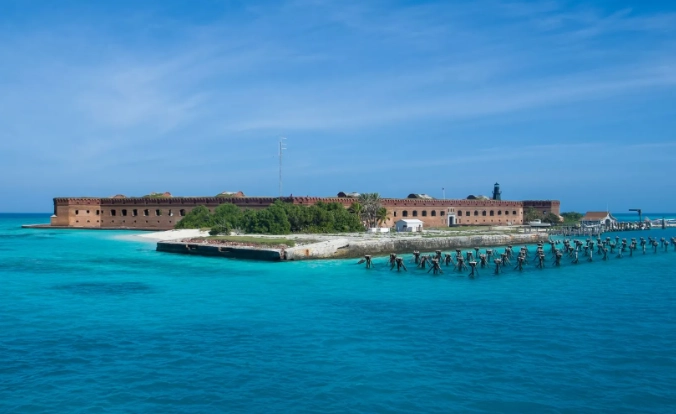
Yes, there are sharks. Mainly nurse sharks, which are harmless bottom-dwellers. You might see a blacktip or lemon shark from a distance. In all the snorkeling reviews for Dry Tortugas I've read, I've never seen a report of an aggressive incident. They want nothing to do with you. Seeing one is considered a special treat.
Absolutely, at the moat wall. It's a fantastic, safe introduction to snorkeling for older kids. For younger children, just floating with a life vest and looking down is magical. The key is proper fitting gear (tiny masks are hard to find, bring your own) and constant supervision.
It's different. Places like John Pennekamp Park or Bahia Honda are more accessible and offer great snorkeling, often right from tour boats. Dry Tortugas wins on remoteness, visibility, the unique fort backdrop, and the sheer density of marine life in a protected zone. It's less of a "coral garden" and more of a thriving, natural ecosystem. For the raw, wild feeling, it's unbeatable in the continental U.S.
Two things, actually. First, not booking the ferry's snorkel boat to Little Africa. Second, underestimating the sun and wind. People get brutally burned and dehydrated, which ruins the end of the day and the trip home.
So, what's the final verdict?
Reading through the mosaic of Dry Tortugas snorkeling reviews, the consensus is clear: it is a world-class snorkeling destination with very real, sometimes significant, logistical hurdles. It is not a casual beach day. It's an expedition.
If your priority is easy, cheap, and guaranteed convenience, this might not be for you. You'll likely leave frustrated by the cost and effort.
But if you value pristine natural environments, are willing to plan ahead (way ahead), and can embrace the adventure—including its potential hiccups—then snorkeling the Dry Tortugas will likely be one of the most memorable experiences of your life. The images of that unbelievably clear blue water, the fortress on the horizon, and the curious fish staring back at you will stick with you long after the memory of the long ferry ride fades.
Just remember your rash guard, book the snorkel boat, and go in with your eyes wide open—both above and below the water.
Reader Comments