Quick Guide
- Why Bother? Understanding the "Why" Behind Clearing Your Mask
- The Core Technique: A Step-by-Step Breakdown
- Beyond the Basics: Common Mistakes and How to Fix Them
- Advanced Techniques and Special Situations
- Gear Matters: Choosing and Prepping Your Mask
- Practice Drills: From Pool to Open Water
- Troubleshooting: When Clearing Doesn't Work
- Answering Your Questions: The Mask Clearing FAQ
- Wrapping It Up: From Skill to Second Nature
Let's be honest for a second. That moment when water starts trickling into your mask? It's a universal diving experience, and for many new divers, it's a mini panic button. Your heart rate ticks up, your breathing gets a bit ragged, and all you can think is, "I need to get this water out NOW." I remember my first open water dive. A tiny leak turned into a half-full mask, and in my fumbling attempt to clear it, I ended up with a nose full of saltwater. Not pleasant. But here's the thing – learning how to clear mask underwater is not just a skill on a checklist. It's your ticket to staying calm, comfortable, and in control beneath the surface. It transforms a potential stressor into a non-event.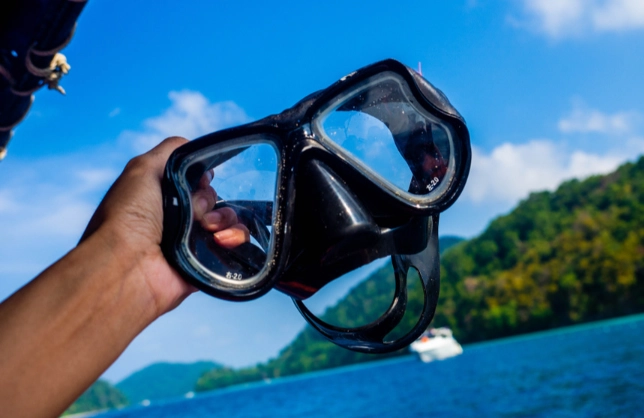
This guide isn't about reciting a manual. It's about breaking down the why, the how, and the "what ifs" of mask clearing until it becomes as natural as breathing. We'll move beyond the basic steps your instructor showed you and dive into the nuances that make the difference between a clumsy fumble and a smooth, effortless clear. Whether you're a beginner trying to build confidence or an experienced diver looking to polish your technique, there's something here for you.
Let's dive in.
Why Bother? Understanding the "Why" Behind Clearing Your Mask
Before we get to the mechanics, let's talk about mindset. Why is this skill so fundamental? It's more than just avoiding the sting of salt in your eyes.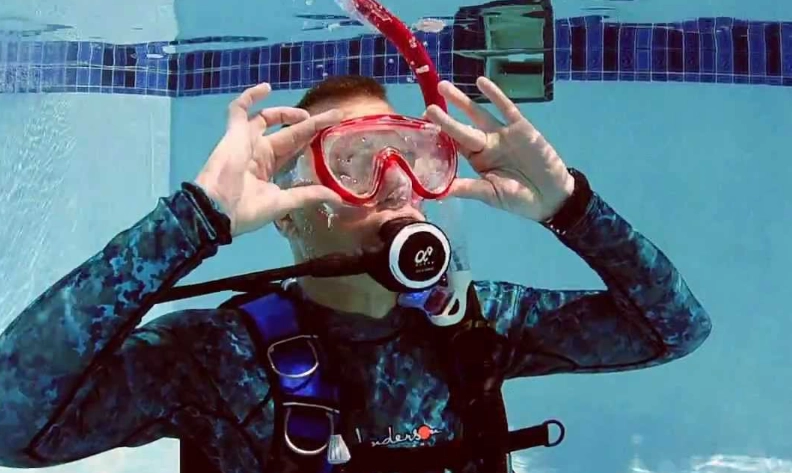
First, it's about vision. A clear mask means you can see your buddy, your gauges, and the incredible marine life you paid good money to visit. Safety and enjoyment are directly tied to your field of view. Second, and this is crucial, it's about panic prevention. Water in the mask is a common trigger for new-diver anxiety. Mastering the clear proves to your brain that you are in control of your environment. You're not a victim of a little water; you're a diver who can handle it. Organizations like PADI build this skill early in their courses for exactly this reason – it builds foundational confidence. Finally, it's a practical necessity. Masks can flood for a dozen reasons: a stray hair breaking the seal, a big smile at a turtle, a sudden head movement, or even just needing to equalize the mask at depth.
Knowing how to clear a scuba mask is your first line of defense. It turns a problem into a simple, 3-second procedure.
The Core Technique: A Step-by-Step Breakdown
Alright, let's get to the heart of it. The standard method for how to clear mask underwater is simple, but doing it smoothly under pressure is the art. Forget just blowing air out your nose. Let's break it down into manageable pieces.
Step 1: The Foundation – Positioning and Mindset
This is where most people rush. Don't. If water starts coming in, your first reaction shouldn't be to jam your hand on your mask. Pause. Take a slow, deliberate breath in through your regulator. You have air. You have time. Tilt your head back slightly. This creates a small air pocket at the top of your mask (the nose area), which is where you'll direct the air. Being in a relatively stable, horizontal trim helps too – you don't want to be vertical and fighting buoyancy while you do this.
Step 2: The Seal and The Look
Place the palm of one hand firmly on the top frame of your mask. Not on the glass, but on the solid frame above your eyebrows. Press gently to ensure the top seal is tight against your forehead. This is critical. If the top isn't sealed, the air you exhale will just bubble out the top and do nothing. With your other hand, you can stabilize yourself on a rock (if you're near the bottom) or just let it hang. Now, look slightly upward. You're directing your gaze toward that air pocket.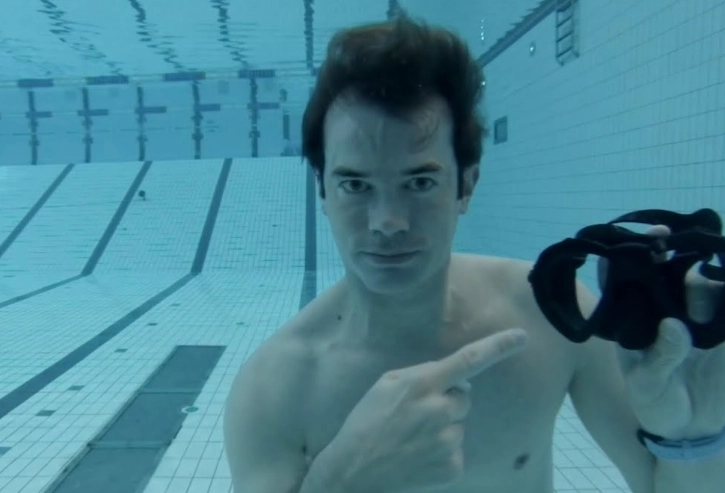
Step 3: The Exhalation
Here's the magic. With a firm seal on the top of the mask, exhale steadily and forcefully through your nose. Don't blast all your air in half a second. A firm, continuous exhale for about 2-3 seconds is perfect. You should feel the mask press slightly harder against your face as the air pressure builds inside it. That pressurized air is what pushes the water down and out through the bottom of the mask skirt.
Listen for it. You'll often hear a satisfying "blurp" or gurgling sound as the water is expelled.
Step 4: The Release and Check
Once you've completed your exhale, keep the top seal for just a fraction of a second longer to let the pressure do its work. Then, release your hand. A quick tilt of your head forward and side-to-side will help any residual droplets find their way out. Blink a few times. Is it clear? If there's still a small amount of water sloshing at the bottom, you can often tilt your head to one side and exhale gently through your nose again to push that last bit out the side.
And that's it. Breathe normally. You've just executed a perfect mask clear.
The whole process, from recognition to clear vision, should take less than 10 seconds and consume a minimal amount of air. The key is the deliberate, steady exhale. A frantic blast wastes air and often fails because the top seal isn't secure.
Beyond the Basics: Common Mistakes and How to Fix Them
Everyone makes mistakes when learning. I certainly did. Here are the top culprits that prevent a successful clear, straight from watching countless students (and my own early fails).
| Mistake | What Happens | The Fix |
|---|---|---|
| Panic Breathing | Short, sharp exhales through the nose. This doesn't build sustained pressure, so water isn't fully expelled. You end up clearing 10 times for a half-full mask. | Consciously take one slow breath IN first. Then execute one long, steady exhale. Practice this breathing pattern on land. |
| Poor Top Seal | Hand is on the glass or not applying even pressure. Air escapes from the top, leaving the water inside. | Focus on the frame. Press with the palm, not fingertips. Do a dry run feeling for a secure seal before the dive. |
| Looking Down | If you look down, the air pocket moves to the forehead. Exhaling then forces air out the bottom, blowing bubbles everywhere but not clearing water. | Always remember: look up to create the pocket at the nose. Make it a mantra. |
| Exhaling Through Mouth & Nose | You blow air out your mouth (into the regulator) and nose simultaneously. The nose exhale is weak and ineffective. | Isolate the motion. Practice exhaling only through your nose while keeping your mouth closed. It's a weird feeling at first, but essential. |
| Not Clearing Fully | Stopping the exhale too soon, leaving a layer of water. This leads to immediate re-flooding or constant distraction. | Exhale until you are sure. Feel the mask pressurize. Hear the water leave. It's better to use a bit more air once than to have to do it three times. |
Advanced Techniques and Special Situations
Once the basic clear is second nature, you can play with more advanced methods. These aren't just for show; they're incredibly useful in specific situations.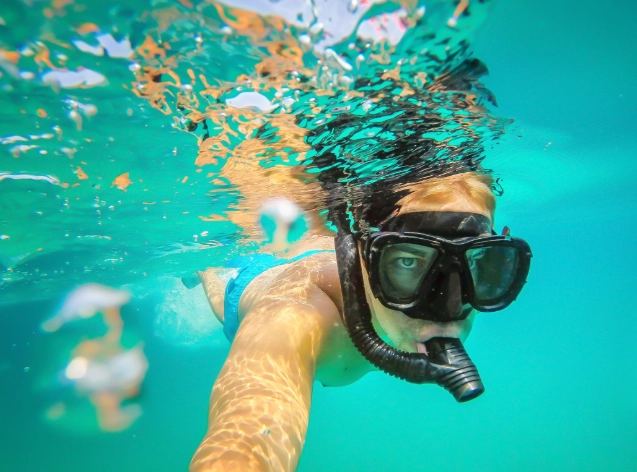
The Partial Flood and Clear
Sometimes you don't need a full hand-on-top clear. If you have just a little water in the bottom of the mask (from equalizing or a minor leak), you can simply tilt your head back, look up, and exhale firmly through your nose without touching the mask. The existing seal might be good enough to pressurize and push that small amount out. It's faster and more streamlined. Try it in a pool first to see how much water you can clear this way.
Clearing a Full-Face Mask or Nose-Pocket Mask
The principle is identical: pressurize the mask with air from your nose to expel water. However, with these masks, the air pocket is already built-in. For a traditional mask with a separate nose pocket, the technique is exactly the same as described above. For full-face masks used in technical or commercial diving, the clearing mechanism is often integrated into the design, directing exhaled air from the regulator system. The fundamental physics of using air to displace water remains the cornerstone of how to clear mask underwater, regardless of gear type.
Clearing in Strong Current or Awkward Positions
This is where skill turns into true competence. If you're holding onto a reef in a current or are in an overhead environment, you might only have one hand free. You must be able to clear your mask one-handed. The technique is the same, but you use the heel of your free hand (or even your forearm) to seal the top of the mask. It requires a bit more pressure and focus. Practice this in a pool until it's reliable.
What about if you're upside down? The physics reverses. The air pocket will be at the "top," which is now near your chin. You'd need to exhale to push water out the forehead area. Honestly, it's messy and inefficient. The better strategy is to get yourself into a more standard orientation first. It's almost always quicker.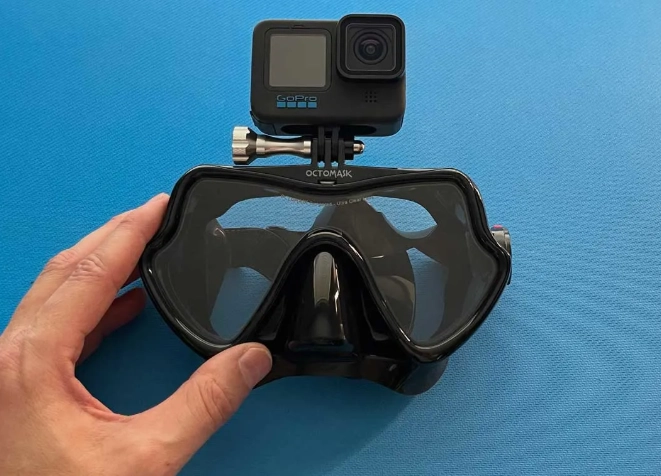
Gear Matters: Choosing and Prepping Your Mask
Your technique can be perfect, but if your mask doesn't fit, you'll be fighting a losing battle. A proper fit is the most important piece of gear selection after your regulator.
To test fit: Place the mask on your face without the strap. Inhale gently through your nose. The mask should suction to your face and stay there by itself for a few seconds when you stop inhaling. It shouldn't pinch your nose bridge uncomfortably. Now check the skirt (the soft silicone part). It should make even contact all around your face – across your forehead, along your temples, and across your upper lip/cheeks. No gaps. Pay special attention to the area under your eyes; a common gap point for people with higher cheekbones.
Different skirt designs (low volume, frameless, double skirt) fit different face shapes. There's no "best" mask, only the best mask for you. Don't just buy the one your buddy has.
Once you have a good mask, prep it! New masks have a silicone coating from manufacturing that causes fog. You need to remove it. The old-school method is to gently rub toothpaste (non-gel, non-whitening) on the inside lens, rinse, and repeat. Or use a dedicated mask scrub or a lighter flame (very carefully, and only if you know what you're doing). After every dive, rinse your mask with fresh water and let it air dry, out of direct sunlight which can degrade the silicone.
Practice Drills: From Pool to Open Water
You can't learn this from a page. You have to get wet. Here's a progression of drills to build unshakeable confidence.
- The Dry Run: Sit on the edge of the pool or your bed. Put your mask on. Practice the hand position, the head tilt, and the motion of exhaling through your nose while keeping your mouth closed. Feel silly? Good. Muscle memory starts here.
- Shallow Water Comfort: In chest-deep water, put your mask on. Fill it with water by pulling the skirt away from your face. Stand up, look up, and clear it. Do this ten times. Then do it kneeling. The goal is to associate the sensation of a flooded mask with a calm, routine procedure.
- The No-Hands Challenge: In the pool, flood your mask and clear it without using your hands at all, just by looking up and exhaling. This builds confidence in your mask's seal and your exhalation power.
- The Full Removal and Replace: This is a core certification skill. At the surface in deep water, take your mask off completely, let it dangle, then put it back on, clear it, and resume breathing. Then practice it at the bottom of the pool. This drill kills the fear of being without a mask. You learn that you can see blurrily, breathe perfectly fine, and recover in moments.
- Real-World Integration: On a calm, shallow open water dive, ask your buddy to signal you to clear your mask. Do it while swimming, while hovering, while looking at something. Integrate the skill into the dive, not as a separate event.
Repetition is your friend. The goal is to make the process so boringly automatic that even in a surprise flood, your body just does it.
Troubleshooting: When Clearing Doesn't Work
So you did everything right, but there's still water. What now? Don't spiral. Systematically check these points.
First, is your mask leaking continuously? After a clear, does water slowly seep back in? This is a fit or hair issue. Surface, take off the mask, and run your finger along the skirt to ensure no hair (especially long eyebrow hairs or sideburns) is trapped in the seal. Re-seat it carefully.
Second, is the strap too tight? This is a classic error. An overly tight strap can warp the skirt, creating gaps at the top or bottom. Loosen the strap. The seal should come from the skirt and suction, not from the strap cranking the mask into your face.
Third, are you smiling, talking, or grimacing? Facial movements, especially around the cheeks, can break the seal. Be aware of this. Sometimes you just need to relax your face.
If you've checked all this and it still leaks, the mask may simply not fit your face shape. It happens. Time to try on different models. Resources from the National Oceanic and Atmospheric Administration (NOAA) for divers often stress the importance of proper equipment fit for mission success and safety, a principle that applies directly to recreational divers.
What if you have a mustache?
Ah, the eternal diver's dilemma. A mustache can break the seal along the upper lip. Some divers use a bit of silicone grease (food-grade, like Trident Silicone Grease) to help seal the hairs. Others just accept a small, slow leak and clear more frequently. I know tech divers who shave a tiny, precise strip right where the mask skirt sits. It's a personal choice between vanity and a perfect seal!
Answering Your Questions: The Mask Clearing FAQ
Wrapping It Up: From Skill to Second Nature
Look, mastering how to clear mask underwater isn't about achieving diving perfection. It's about removing a barrier. It's about taking something that can distract you from the wonder of being underwater and turning it into a non-issue. When you're not worried about a little water, you're free to focus on your buoyancy, your breathing, the nudibranch on the coral, or the silent communication with your buddy.
The path is simple: understand the why, practice the steps until they're boring, learn from your mistakes, and choose gear that fits. It's a skill that pays you back in confidence on every single dive.
So next time you feel that cool trickle on your cheek, smile (gently, to avoid breaking the seal!). Take that breath. Seal the top. Look up. And exhale. That "blurp" sound will be the sound of competence. Now, go look at that turtle. The view is clear.
Reader Comments