You've seen the photos. Turquoise water, sea turtles gliding past, clouds of colorful fish. Snorkeling in Hawaii is a bucket-list experience, but the gap between that dream and reality is filled with questions. Which island? Which beach? Do I need a tour? I've spent over a decade hopping between the islands, guiding trips, and making every mistake so you don't have to. This isn't just a list of spots. It's the playbook I wish I'd had.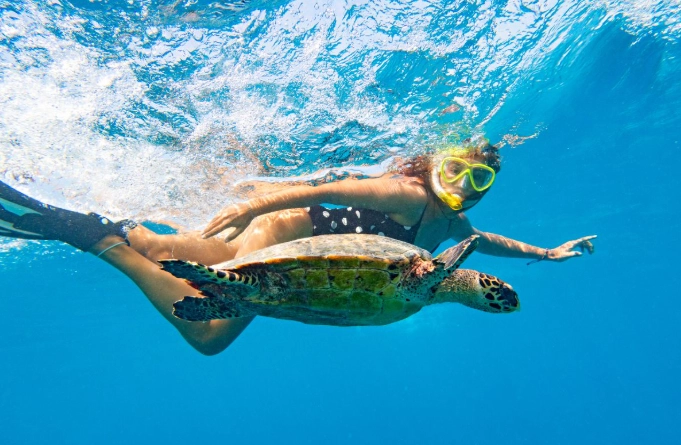
What You’ll Find in This Guide
The Best Snorkeling Spots in Hawaii: Island-by-Island Guide
Forget the generic "top 10" lists. Hawaii's islands have different personalities underwater. Picking the right spot for your skill level and interests is everything.
Oahu: Accessibility & Variety
Oahu gets a bad rap for being crowded, but that means infrastructure. You have options.
Hanauma Bay Nature Preserve is the famous one. Yes, you need a reservation (book exactly at 7:00 AM HST, two days in advance on the official City and County of Honolulu website). Yes, there's an entrance fee ($25 for non-residents) and a mandatory video orientation. And yes, it's worth it for beginners. The curved bay protects the water, the reef is shallow and teeming with life, and lifeguards are everywhere. Go the second the gates open at 6:45 AM. By 10 AM, it feels like a water park. Parking fills fast.
My personal favorite for avoiding the masses? Sharks Cove on the North Shore. The name is misleading—it's named for the shape, not the inhabitants. In the summer months (May-Oct), when the North Shore is calm, this lava rock formation creates pools and channels perfect for intermediate snorkelers. No sand, so entry is over rock (reef shoes are mandatory here). The fish diversity is incredible. No facilities, just a food truck across the street. Parking is a battle.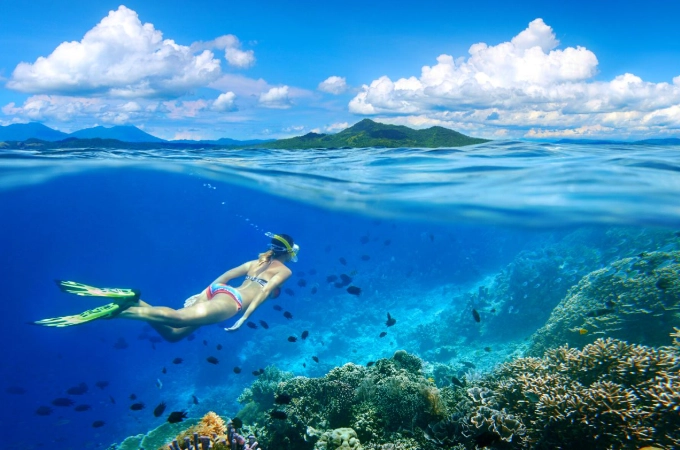
Maui & Molokini: The Classic Day Trip
Maui is snorkeling central. The west and south shores are lined with possibilities.
Molokini Crater is the postcard shot. A crescent moon of rock three miles offshore. The water clarity out there is often 100+ feet because it's a marine preserve. You need a boat tour. Book a *small* boat (20-30 person max). The big catamarans dump 100 people in the water at once. The small boats get to the crater faster, spend more time, and often add a second stop like Turtle Town. Expect to pay $120-$180 per person. Seas can be choppy; take Dramamine if you're prone to sickness.
For a free, spectacular shore dive, head to Honolua Bay on West Maui. It's a narrow slot between cliffs. Park on the roadside (no lot) and walk 5-10 minutes down a jungle path. The bay is a marine conservation district—no touching anything. The coral walls are stunning, and it's a turtle cleaning station. Only go in the summer. Winter waves make it a surf spot and too dangerous for snorkeling.
Big Island (Hawaii): Volcanic Drama & Manta Rays
The Big Island's lack of dense reefs is its secret weapon. The volcanic topography creates unique experiences.
Kealakekua Bay, the site of Captain Cook's monument, has some of the clearest water in the state. You can get there two ways: a 1.5-mile steep hike down (and back up) the Captain Cook Trail, or by kayak tour from Napo'opo'o Wharf. The kayak is the move. Paddle across the calm bay, tie up, and snorkel along the incredible drop-off. Spinner dolphins are common in the morning. It's a state historical park, so respect the area.
The Manta Ray Night Snorkel out of Kona is a must-do, but choose your operator wisely. You float on the surface holding a light board, while plankton attracts gentle, barrel-sized mantas that somersault beneath you. Some boats use small, personal boards; others have a huge shared raft. Go with the small board operator—it's less crowded and more intimate. The water can be chilly at night; they provide wetsuits.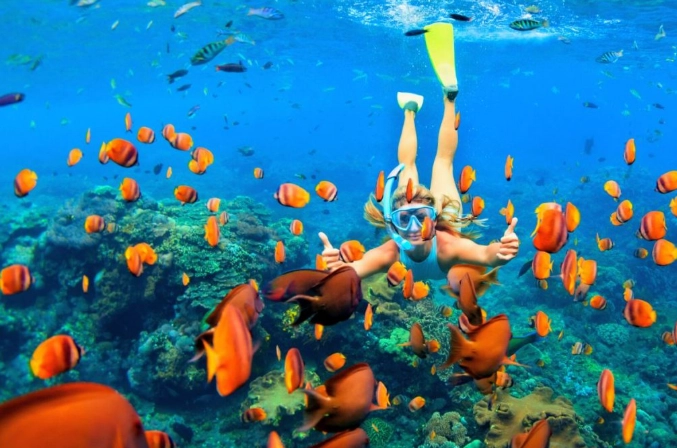
Kauai & Beyond
Kauai's rugged Napali Coast limits shore access, but boat tours from Port Allen are breathtaking. Poipu Beach Park on the south shore has a protected, roped-off area called the "Baby Beach" that's fantastic for kids and beginners. You'll often see Hawaiian monk seals napping on the sand here (stay back 50 feet!).
| Spot (Island) | Best For | Key Need-to-Know | My Rating (1-5) |
|---|---|---|---|
| Hanauma Bay (Oahu) | First-timers, families, calm water | Reservations essential. Go at opening. | 4/5 (for beginners) |
| Sharks Cove (Oahu) | Intermediate snorkelers, fish variety | Summer only. Reef shoes mandatory. | 5/5 |
| Molokini Crater (Maui) | Water clarity, boat trip experience | Book a small boat. Can be choppy. | 4/5 |
| Kealakekua Bay (Big Island) | Adventure, dolphins, clear water | Kayak in is best. Historical site. | 5/5 |
| Manta Ray Night Snorkel (Big Island) | Unique wildlife encounter | Choose operator with small light boards. | 5/5 (unique) |
How to Plan Your Hawaii Snorkeling Trip: Gear, Safety & Etiquette
Knowing where to go is half the battle. The other half is not messing it up when you get there.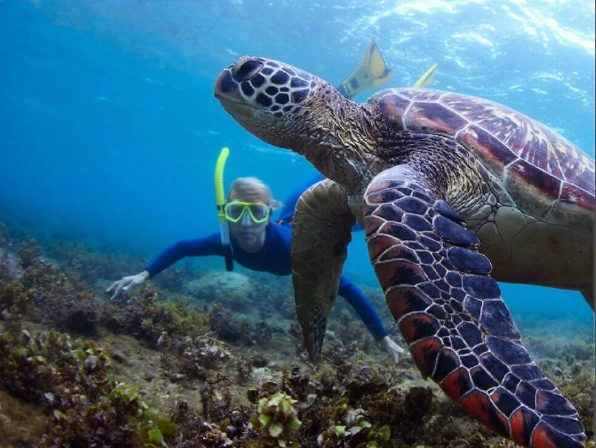
The Non-Negotiables: Safety First
Check Conditions: Never just show up. Use the National Weather Service surf forecast and look for "High Surf Warning" or "Strong Currents." Even a "3-foot swell" can make entry treacherous. I once ignored a "moderate current" warning at a seemingly calm cove and spent 20 minutes swimming sideways just to stay in place. Exhausting and scary.
Use a Flotation Device: If you're not a strong swimmer, use a snorkel vest or belt. They're cheap to rent or buy. Ocean swimming uses different muscles. Fatigue sneaks up on you.
Respect Marine Life: This is their home. The rule is simple: look, don't touch. Coral is a living animal; a single touch can kill a century of growth. Sea turtles are protected by federal law—harassing them can net you a huge fine. Give them space.
Gear Talk: To bring or to rent? For a week-long trip, I pack my own mask and snorkel. A perfect mask seal is priceless. Rent fins—they're bulky. If you rent a full set, test the mask in the shop. Press it to your face, inhale through your nose. If it falls, it leaks. Don't accept it.
One piece of kit nobody talks about? A rash guard. Not for style. The Hawaiian sun is a hammer, and sunscreen (even "reef-safe" zinc) washes off and creates a slick on the water. A long-sleeve rash guard protects your back from a brutal burn and provides surprising warmth after an hour in the water. Trust me on this.
Pro Tips & Common Mistakes to Avoid
Here’s where that "decade of experience" pays off. These aren't in the brochures.
Timing is Everything: The best snorkeling is almost always before 11 AM. The wind picks up in the afternoon, churning the water and reducing visibility. You also get parking. Plan your day around an early water session.
Defog Your Mask Properly: Spit in it, rub it around, rinse lightly with seawater. Baby shampoo works better. Avoid the cheap defog spray—it often stings your eyes. The key is to never let the inside lens get dry before you put it on; a light film of water is fine.
The Entry/Exit Strategy: Watch other people for a minute. Where are they walking in? Is there a channel through the reef? Are they getting knocked over by waves? Scope your exit point too. It's often harder getting out than in.
The Biggest Hidden Cost: Parking tickets and broken rental car windows. Don't leave *anything* visible in your car at remote trailheads or beach lots. Not a towel, not a charging cable, not a map. Use the trunk before you arrive. Thief activity is real.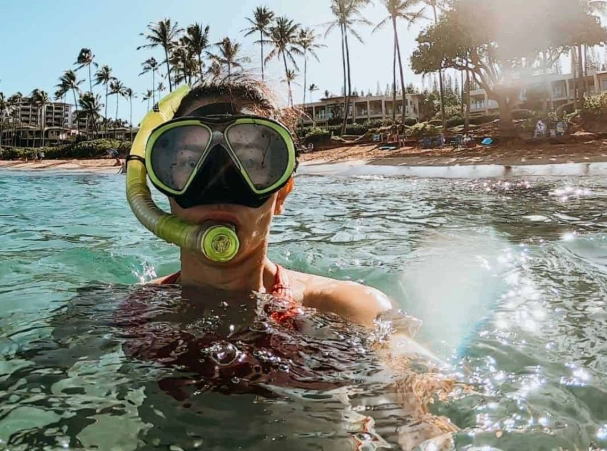
Your Snorkeling Questions Answered
What is the single biggest mistake first-time snorkelers make in Hawaii?
Is it better to bring my own snorkel gear or rent it in Hawaii?
Where can I find calm, protected snorkeling in Hawaii suitable for young kids or nervous swimmers?
What's one piece of gear most people skip but you absolutely recommend for Hawaii?
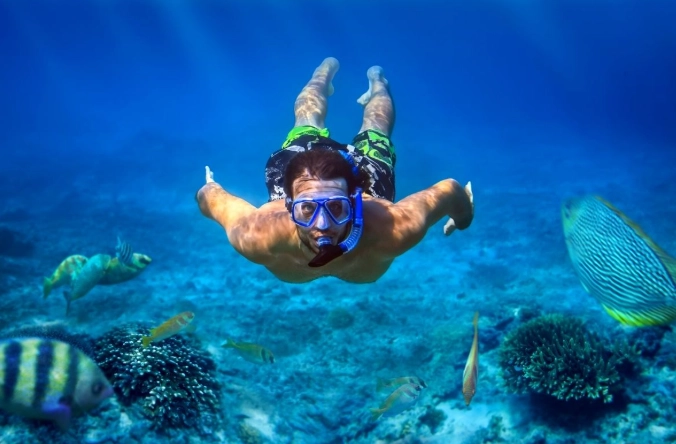 Snorkeling in Hawaii isn't just an activity; it's a portal into a vibrant, living world. With the right spot, a bit of preparation, and respect for the ocean, it can be the highlight of your trip. Ditch the crowded, generic tours if you can. Find your own slice of coastline, get in early, and just float. The fish will come to you.
Reader Comments