You're floating above a stunning coral garden. A turtle glides by. You turn your head to follow it, and… your view turns into a milky, opaque mess. Mask fog. It’s the single most common, frustrating problem in snorkeling, and it ruins more underwater moments than rough seas or cold water combined. The good news? It’s almost entirely preventable. Forget the old hacks that fail half the time. Let's talk about real, working snorkel mask fogging solutions that will give you crystal-clear vision from the first minute to the last.
What's Inside This Guide
- The Simple Science of Why Your Mask Fogs
- The Anti-Fog Solution Showdown: Spit, Spray, or Shampoo?
- The Critical Step Everyone Forgets: Prepping Your Mask
- Application Mastery: How to Apply Any Anti-Fog Correctly
- Water Temperature, Breathing, and Other Fog-Fighting Tricks
- The 3 Most Common Mistakes (And How to Avoid Them)
- Your Fogging Problems, Solved
The Simple Science of Why Your Mask Fogs
It's basic condensation. The air inside your mask is warm and moist from your face and breath. The lens, in contact with cooler water, becomes cold. When that warm, humid air touches the cold lens, the water vapor condenses into tiny droplets that scatter light. That's the fog.
The goal of any anti-fog is to prevent these droplets from forming a coherent layer. It does this either by creating a hydrophilic surface that spreads the moisture into a thin, clear film (like baby shampoo), or a hydrophobic one that beads water (some sprays). The surface condition of your lens is everything.
The Anti-Fog Solution Showdown: Spit, Spray, or Shampoo?
Everyone has a favorite. After testing them all over hundreds of dives, here's the unvarnished truth.
| Solution | How It Works | Effectiveness | Cost & Convenience |
|---|---|---|---|
| Commercial Anti-Fog Spray/Gel | Uses surfactants to break surface tension, spreading moisture evenly. | High. Long-lasting if applied correctly to a clean lens. | Moderate. You need to buy and carry it. |
| Baby Shampoo | A mild surfactant. Creates a thin film that prevents droplet formation. | Very High. The go-to backup for many dive pros. | Very Low. A tiny bottle lasts forever. |
| Saliva (The "Spit" Method) | Enzymes in saliva act as a weak surfactant. | Low to Moderate. Highly variable. Depends on your diet, hydration. | Free. Always available. |
| Potato or Leaf Rub | Natural sap/residue may leave a micro-coating. | Very Low. Unreliable and messy. | Free, but impractical. |
My personal kit always has a small bottle of baby shampoo. It's cheap, never fails, and if a drop gets in my eye, it doesn't sting. For longer trips, I'll bring a reef-safe anti-fog spray like the one from Sea Gold or Maskproof. Spit? I haven't relied on it in 15 years. It works just enough to give you hope, then fails when you need it most.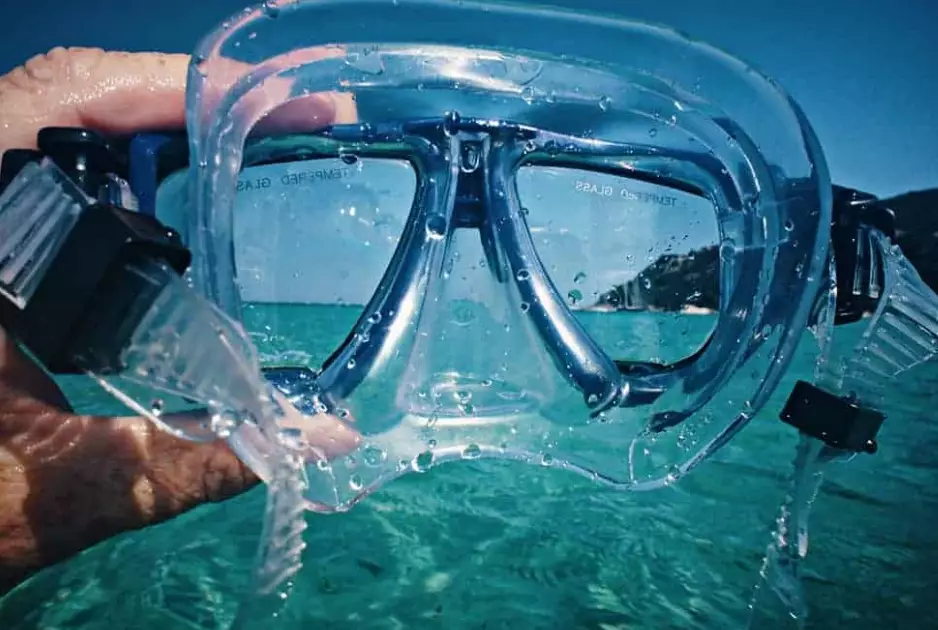
The Critical Step Everyone Forgets: Prepping Your Mask
This is the secret. The number one reason a "good" anti-fog fails is because the lens isn't ready to receive it.
New masks have a silicone coating from the mold. Old masks accumulate oils, sunscreen, and old anti-fog residue. These create a hydrophobic surface that repels your treatment.
How to Properly Clean Your Mask (The First and Most Important Step)
For a NEW Mask:
- Get non-gel, non-whitening toothpaste. The white, pasty kind is a mild abrasive.
- Rub a generous amount all over the inside of the lens. Get every corner.
- Use your fingers and rub in small circles for a good 2-3 minutes. You'll feel the lens get less slippery.
- Rinse thoroughly with fresh water until all paste is gone.
- Repeat once. Yes, twice. I've never had a mask need a third treatment if I do this diligently.
For an OLD Mask: First, wash with a mild dish soap and your fingers to remove surface oils. Rinse. If fogging persists, give it the toothpaste treatment again to strip off old layers of gunk.
I learned this the hard way on a liveaboard in Fiji. My new, expensive mask fogged relentlessly. A grizzled dive guide took it from me, scrubbed it with toothpaste at the back of the boat, and handed it back. Problem solved for the whole week. The manufacturer's "pre-treated" claim was worthless.
Application Mastery: How to Apply Any Anti-Fog Correctly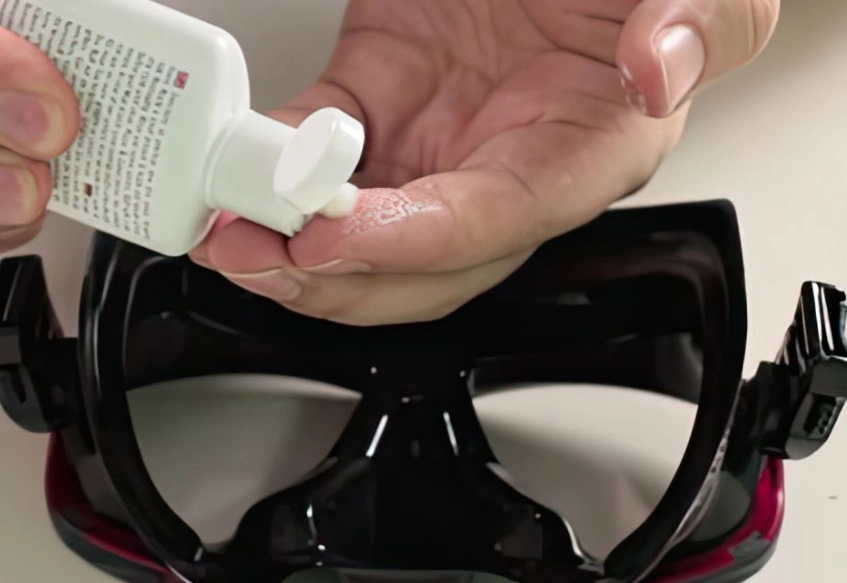
Now for the application. Let's use baby shampoo or anti-fog spray as our example.
- Apply a small drop to the dry inside of each lens. For spray, one short spritz per lens.
- Spread it thinly and evenly with your fingertip. Cover the entire lens. Don't miss the edges.
- This is the key: Let it sit for a moment, then rinse lightly. Do NOT rinse it all off. Run it under a gentle stream of water for just one second, or dip it in the sea and give it a shake. You want to remove the excess, leaving a microscopic film. If the lens looks perfectly clear and water doesn't bead up but sheets off, you've got it.
- Do a final check. Shake off the excess water and maybe give one last gentle exhale through your nose into the mask. If it stays clear, you're golden.
Most people fail at step 3. They either don't rinse at all (leading to a smeary, irritating mess) or they rinse too thoroughly (removing all the active agent). That quick splash is non-negotiable.
Water Temperature, Breathing, and Other Fog-Fighting Tricks
Your environment and habits matter.
Water Temperature: The bigger the difference between your face and the water, the worse the fog potential. Tropical snorkeling is easier. Cold water snorkeling requires flawless anti-fog technique. Before entering cold water, you can splash a little cold water on your face to reduce the thermal shock.
Breathing: Exhaling gently through your nose occasionally can equalize humidity. Exhaling heavily is like a fog machine. Practice breathing slowly through your mouth.
Mask Fit: A leaking mask constantly introduces new warm, wet air. Ensure your mask seals well. The Professional Association of Diving Instructors (PADI) has excellent resources on selecting and fitting a mask.
The 3 Most Common Mistakes (And How to Avoid Them)
I see these on every snorkeling trip.
1. Not Prepping a New Mask. Assuming it's ready to go. Fix: Always, always do the toothpaste scrub. Twice.
2. Using Too Much Product. A giant glop of shampoo or three sprays. Fix: A tiny amount, spread thin. More is not better; it's just harder to rinse off and more likely to irritate.
3. Touching the Inside of the Lens. After treatment, your fingers have oils. Wiping fog off with your finger mid-snorkel makes it worse forever. Fix: If you must clear fog, let a little water into the mask, swish it around the lens, and clear it. This is a temporary fix, but it doesn't contaminate the surface.
Your Fogging Problems, Solved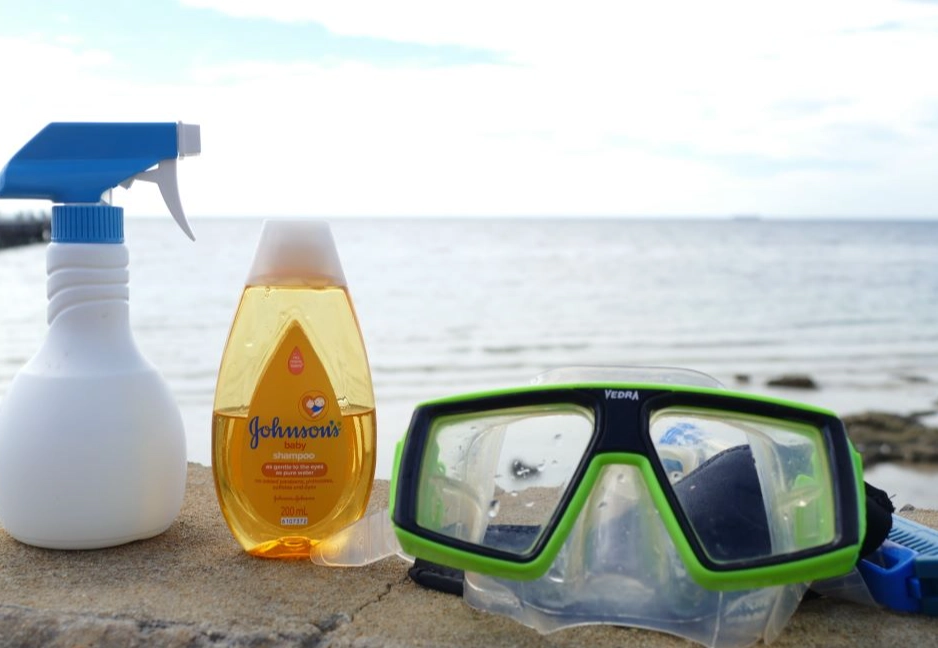
Why does my brand new snorkel mask fog up immediately?
It's not you, it's the mask. Every new mask has a thin, invisible layer of silicone release agent left over from the manufacturing mold. This layer repels water and is the primary cause of fogging on a first dive. No amount of spit or commercial anti-fog will work reliably until you completely remove this factory film through a proper cleaning process, usually involving a mild abrasive like non-gel toothpaste.
Is commercial anti-fog spray safe for my eyes and the coral reef?
This depends heavily on the brand. Many sprays contain chemicals like surfactants and polymers that can irritate eyes. More critically, some formulas are not biodegradable and can harm marine life. Look for sprays labeled as 'reef-safe,' 'biodegradable,' and 'ophthalmologist tested.' Even then, the safest rule is to never apply it directly before entering the water; always rinse the mask thoroughly in a bucket or on the boat after application to wash any excess chemicals away from the reef.
Can I use dish soap or shampoo as a snorkel mask anti-fog solution?
You can, but it's a gamble. Baby shampoo is the best household alternative because it's mild and designed to be less irritating to eyes. Regular dish soap or shampoo often contains moisturizers, perfumes, and anti-bacterial agents that can leave a filmy residue inside your lens. This residue might work once but then becomes a magnet for new fog and is difficult to clean off. For a reliable, residue-free solution, non-gel toothpaste for the initial clean and a dedicated, rinsed-off anti-fog or baby shampoo for each dive is a better protocol.
How long should a good anti-fog treatment last during a snorkel session?
A properly applied solution on a prepped mask should last for at least 60-90 minutes of continuous snorkeling. If you're fogging up within 20 minutes, it's almost always one of three things: 1) The mask wasn't cleaned properly of the factory film or old residue, 2) The anti-fog agent (spit, shampoo, spray) was not rinsed with a quick splash of water after application, or 3) You're exhaling heavily through your nose, pushing warm, moist air directly onto the lens.
 The bottom line is this: Fogging isn't an unsolvable mystery. It's a simple physics problem with a straightforward set of solutions. Prep your mask meticulously, apply your chosen anti-fog with the light rinse technique, and manage your breathing. Do these three things, and you'll spend your time watching marine life, not staring at a frustrating white haze. Now go get that clear view.
Reader Comments