Let's cut to the chase. The best snorkeling equipment isn't about the most expensive brand or the fanciest tech. It's about gear that fits you perfectly, feels comfortable for hours, and lets you forget it's even there so you can focus on the fish. I've seen too many people ruin a perfect day in the tropics with a leaky mask or fins that rub blisters. After countless trips from the Caribbean to Southeast Asia, I've learned what matters and what's just marketing hype.
This guide is for anyone who wants to stop guessing and start snorkeling with confidence.
Your Quick Gear Checklist
The Absolute Essentials: Mask, Snorkel, Fins
You need three things to snorkel: something to see, something to breathe through, and something to move with. Getting these right is 90% of the battle.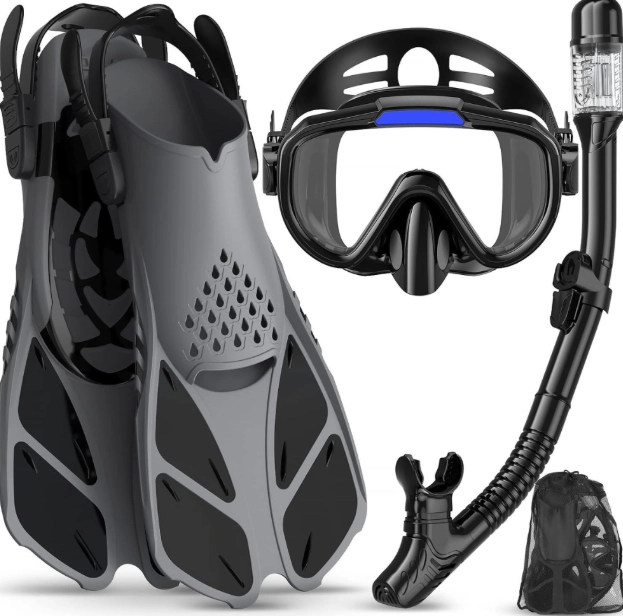
How to Choose a Snorkel Mask That Won't Leak
Forget the lens color for a second. Fit is everything. Here's how to test a mask like a pro, even in a store:
The Suction Test: Place the mask gently on your face without putting the strap over your head. Inhale slightly through your nose. If the mask stays suctioned to your face for a few seconds without you holding it, you've got a good seal. If it falls immediately, the skirt isn't conforming to your face shape.
Skirt Material: Silicone is the standard for good reason. It's soft, durable, and hypoallergenic. Avoid PVC or rubber skirts—they degrade quickly, get sticky, and can irritate skin.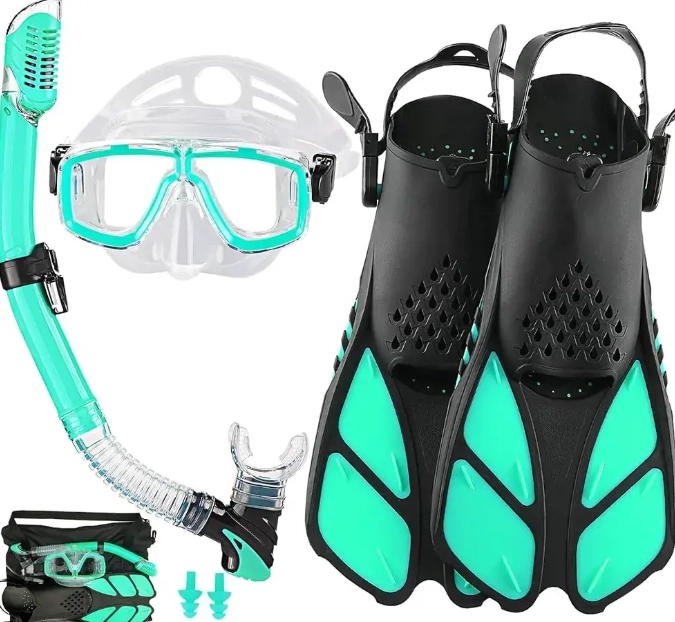
Lens Type: Tempered glass is non-negotiable for safety. It's scratch-resistant and won't shatter into dangerous shards. Single-lens masks offer a wider, uninterrupted view, which I prefer. Two-lens masks can sometimes fit narrower faces better and allow for prescription lenses.
My personal quirk? I avoid masks with a lot of internal plastic framing around the lens. It can create blind spots in your peripheral vision. Look for a low-volume design—it sits closer to your face, requires less air to clear if water gets in, and generally feels less bulky.
Snorkel Types: Simple Tube vs. Dry Tech
Snorkels seem simple, but the choice impacts your comfort.
- Classic J-Snorkel (Wet Snorkel): Just a tube and a mouthpiece. It's reliable, nothing to break. But if a wave washes over you, you'll get a mouthful of water and have to clear it with a sharp exhale. Fine for calm, predictable conditions.
- Semi-Dry Snorkel: This is my default recommendation for most people. It has a simple splash guard at the top—a plastic cover with small holes or a floating valve. It deflects spray and small waves, drastically reducing how often you need to clear the tube. It's the best balance of simplicity and added function.
- Full Dry Snorkel: Features a sophisticated float valve mechanism that seals the tube the moment it goes underwater. The promise is zero water entry. In reality, they can sometimes seal prematurely in choppy water, cutting off your air. They are also more complex and can fail. I find them a bit over-engineered for most snorkelers.
The mouthpiece is critical. It should be soft silicone and feel comfortable without making you bite down hard. An angled tube that aligns with the natural curve from your mouth is more ergonomic than a straight one.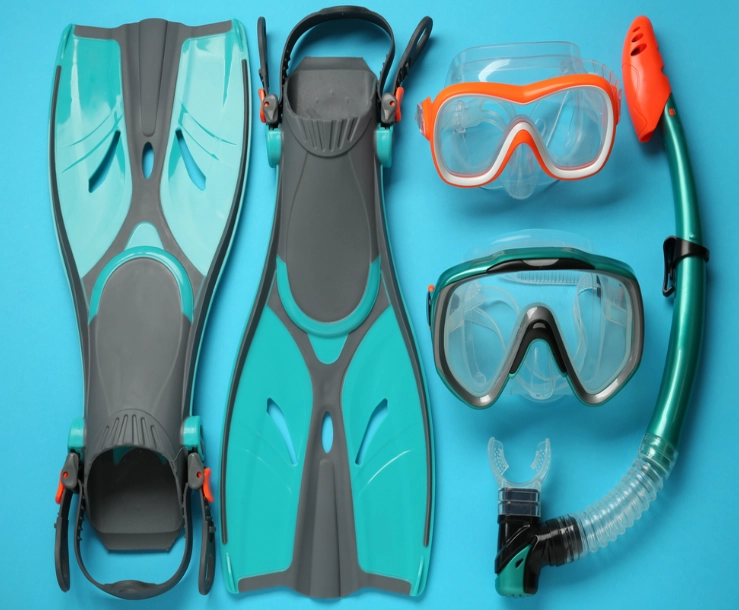
Selecting Fins: Power vs. Packability
Fins are your engine. The right pair makes gliding effortless; the wrong pair turns your legs to lead.
The main trade-off is between full-foot fins (like diving booties) and open-heel fins (which require separate neoprene boots).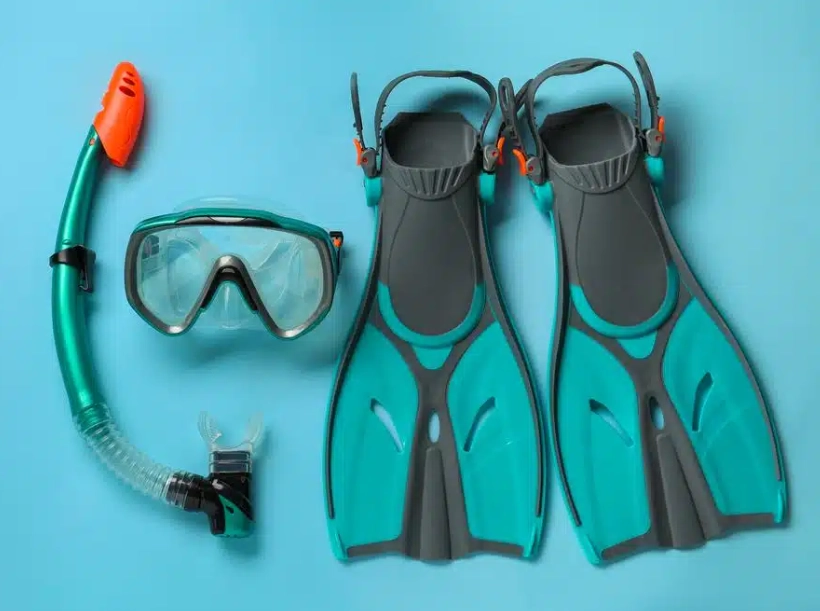
| Type | Best For | Key Features & Considerations |
|---|---|---|
| Full-Foot Fins | Warm, calm water from a boat or sandy beach. Travelers who prioritize packing light. | Lightweight, easy to pack. Wear them barefoot. Must fit snugly like a shoe. Can cause blisters if they rub. Offer less power and ankle support than open-heel fins. |
| Open-Heel Fins | Rocky shore entries, cooler water, longer snorkeling sessions, or if you have foot sensitivity. | Require neoprene boots. The boots protect your feet and provide warmth. The adjustable strap allows for a precise and secure fit. Generally more powerful and efficient for kicking. |
Blade stiffness is another factor. Softer blades are easier on your legs and good for beginners. Stiffer blades transfer more power with each kick but require stronger leg muscles.
I made the switch to open-heel fins years ago and won't go back. The comfort and control from the separate boots are worth the extra bag space. Walking across a rocky coastline in booties to get to the entry point is a game-changer.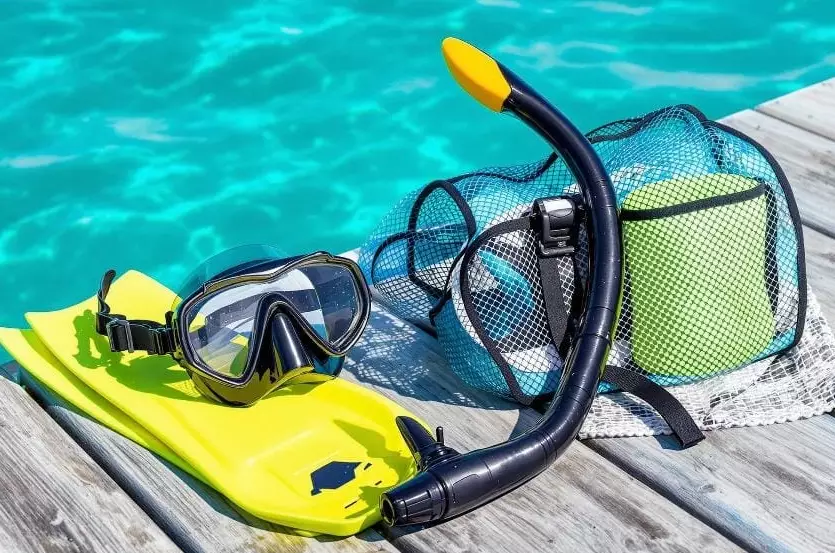
Beyond the Basics: The Game-Changers
Once you have the core trio, these items elevate the experience from "fun" to "unforgettable."
A Snorkeling Vest (or Flotation Aid): This is the most underrated piece of gear, especially for beginners or casual swimmers. It's not a life jacket. It's an inflatable bladder you can add just enough air to for neutral buoyancy. It lets you rest effortlessly on the surface without treading water, conserving energy for hours. For families, it's a non-negotiable safety item. Many eco-tours now require them to prevent accidental contact with coral.
Rash Guard or Wetsuit Top: Sun protection is a serious matter on the water. A long-sleeve rash guard (a thin, stretchy polyester/Lycra shirt) does two things: it prevents a brutal sunburn on your back, and it protects against minor scrapes from coral or rock. For water below 78°F (25°C), even a 1mm or 2mm neoprene top adds crucial warmth. Being cold is the fastest way to end a great snorkel.
A Quality Dry Bag: Your phone, wallet, keys, and towel do not like saltwater. A simple 10-20 liter dry bag keeps everything safe on the boat or beach. Get one with a roll-top closure—they're far more reliable than zippered versions.
Anti-Fog Solution: Mask fog is a universal annoyance. Spit works in a pinch (it's what divers have used for decades), but a dedicated anti-fog gel or liquid is more hygienic and longer-lasting. Apply it, give it a light rinse, and you're good for the day.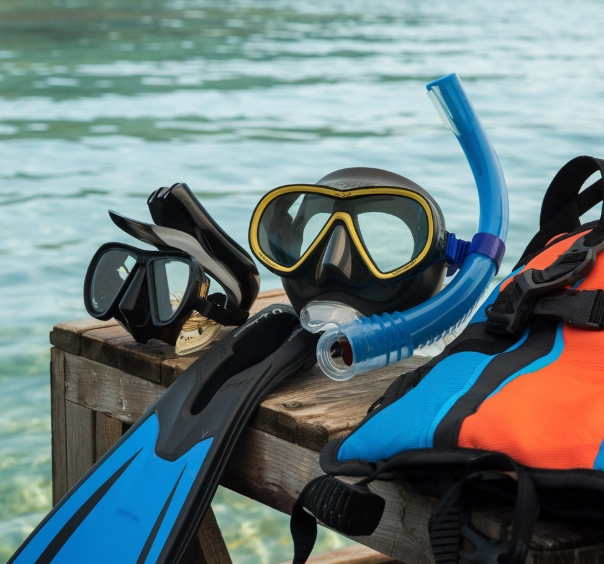
Let's talk about one more thing: the snorkel set you get at the big-box store for $29.99. It's tempting. I bought one early on. The mask leaked constantly, the fins were flimsy, and the snorkel mouthpiece tasted like chemicals. You'll outgrow it after one frustrating trip. Investing in solid mid-range gear from a reputable brand like Cressi, Aqua Lung, or Mares costs more upfront but lasts for years and actually works.
Reader Comments