Let's be honest. The dream of snorkeling often crashes into the reality of packing. You're staring at your suitcase, trying to fit those long, awkward scuba fins you bought years ago. They take up a third of your bag, and you know you'll only use them for an hour in the water. Sound familiar? That's where compact snorkeling fins come in. They're not just smaller versions of big fins; they're a completely different tool designed for a specific job: making casual snorkeling easy, fun, and incredibly travel-friendly.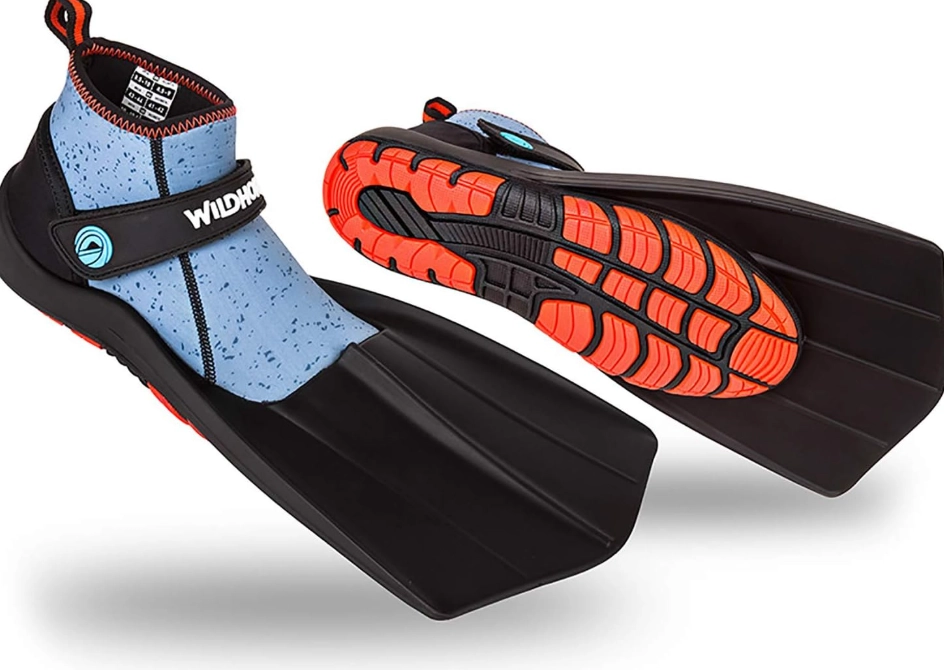
I've been guiding snorkel trips for over a decade, and I've seen every gear mistake in the book. The biggest one? People using overly long, stiff fins for relaxed reef exploring. It's like using a sledgehammer to hang a picture. Compact fins are the right tool. This guide will cut through the marketing and explain exactly what makes them work, how to pick a pair that won't disappoint, and why they might be the best gear purchase you make this year.
What You'll Learn in This Guide
How Do Compact Snorkeling Fins Actually Work?
Most people think propulsion in water is all about power. More blade, more push. For scuba diving with heavy tanks, that's true. But snorkeling is different. You're on the surface, breathing freely, making small adjustments to follow a turtle. What you need isn't raw power, but efficient maneuverability.
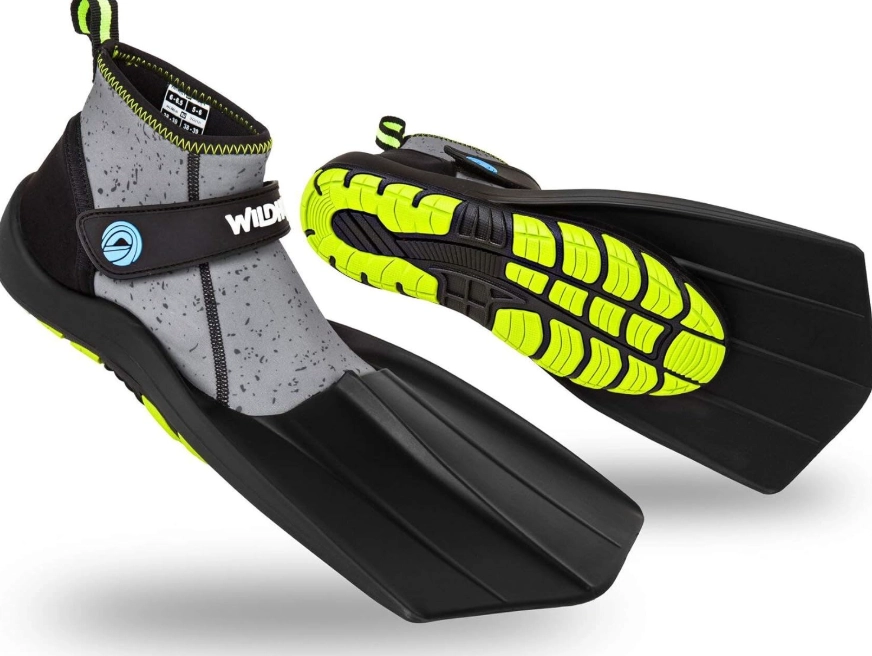
Compact fins, typically under 20 inches long, excel here. Their shorter blade requires a faster, smaller kick cycle. This isn't a drawback—it's the point. A rapid, fluttery kick is more energy-efficient for surface swimming and gives you instant control to stop, turn, or back up without whacking the coral (or your buddy).
The magic is in the blade design. Good short fins aren't just chopped-down long fins. They're engineered with:
- Channels and Vents: These direct water flow efficiently off the blade, reducing leg strain. The Scuba Diving magazine often highlights how vented fins reduce effort.
- Flex Zones: Strategic soft spots in the blade that act like hinges, letting the fin snap back with each kick to propel you forward without needing a powerful leg drive.
- Lightweight Materials: Often made from advanced, buoyant polymers that feel almost weightless on your feet.
Think of it as the difference between driving a long bus and a nimble hatchback through a crowded city. The bus has more power, but the hatchback gets you where you need to go with less hassle.
How to Choose the Right Compact Fins for You
Not all short fins are created equal. Picking the wrong stiffness or fit is the main reason people give up on them. Let's break down the decision.
Fit is Everything (Forget Your Shoe Size)
The number one rule: Always try fins on with the booties you'll be wearing. A fin that feels fine barefoot will murder your heels with neoprene socks. You want a snug fit where your heel is firmly in the pocket, but your toes aren't crunched. There should be no side-to-side wiggle room.
Most travel fins come in full-foot pockets (like a shoe) or open-heel with adjustable straps. Full-foot are lighter and simpler, perfect for warm water. Open-heel with straps are more versatile, allowing you to adjust for barefoot use or with different thicknesses of booties, which is crucial if you snorkel in cooler climates.
Blade Stiffness: The Goldilocks Zone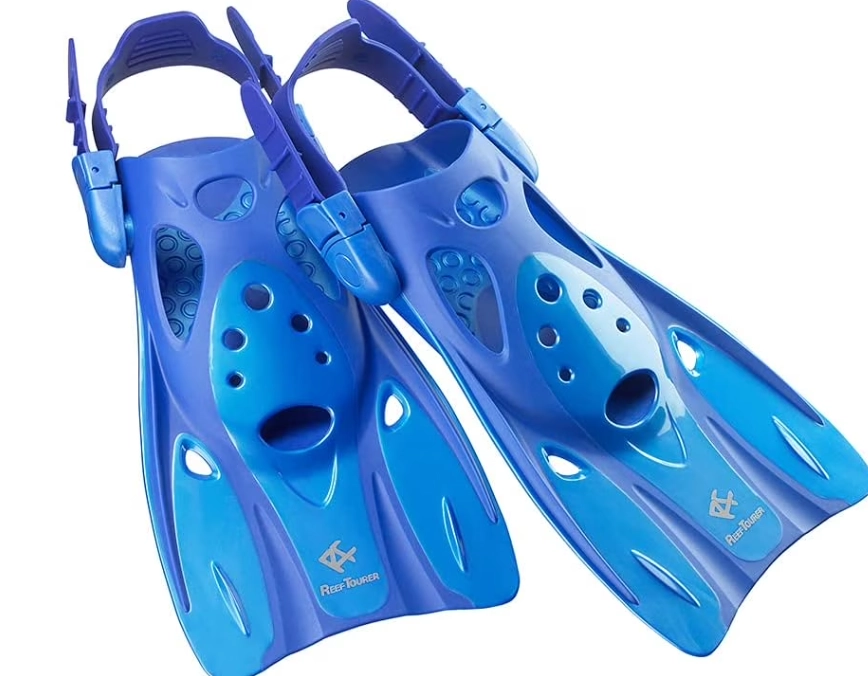
This is where most buyers go wrong. Too stiff, and you're fighting the fin. Too soft, and you feel like you're kicking in pudding.
- Soft/Flexible Blades: Best for beginners, casual swimmers, or anyone with weaker leg muscles. They're forgiving and easy to kick. The trade-off is less power per stroke.
- Medium-Stiffness Blades: The sweet spot for most recreational snorkelers. They provide a good balance of power and ease, offering decent propulsion without excessive effort.
- Stiff Blades: Designed for strong swimmers and free divers who want maximum efficiency from a short blade. I don't recommend these for the average vacation snorkeler—they'll wear you out.
My advice? If you're unsure, lean towards medium-flex. It's the most versatile choice.
Top Compact Snorkeling Fins: A Side-by-Side Look
Based on years of testing and feedback from clients, here are three standout models that represent different approaches to the compact fin concept. This isn't just a list of top sellers; it's a breakdown of who each fin is really for.
| Model | Best For | Key Features | Real-World Feel |
|---|---|---|---|
| Mares Avanti Quattro+ | The all-rounder who wants near-full-size performance. | Four channels for thrust, medium stiffness, durable composite rubber. Around 21 inches. | These are the workhorses. They kick more like a traditional fin but in a shorter package. You get solid power, which is great if you like to cover distance. Slightly heavier than others. |
| Cressi Palau Short | The pure traveler and first-time buyer. | Very light (plastic/polymer), full-foot pocket, extremely short blade (~15 inches). Affordable. | These live in your carry-on. They're almost comically light and easy to kick. Don't expect to win races, but for floating over a reef and making small moves, they're brilliant. The plastic can feel cheap to some, but that's the trade-off for the weight. |
| Scubapro Go Sport | The gear-focused snorkeler who values fit and tech. | Open-heel with quick-adjust straps, bungee technology for comfort, vented blade for efficiency. | These feel premium. The bungee straps are a game-changer for easy on/off and a secure fit. The blade has a nice snap to it. They're my personal go-to for trip leading because they handle varied conditions so well. |
Remember, the "best" fin is the one that fits your feet and your style. A poorly fitting $200 fin is worse than a perfectly fitting $50 fin.
Pro Tips for Getting the Most Out of Your Short Fins
Buying them is step one. Using them right is step two.
Adjust Your Kick. Don't try to do big, slow, powerful strokes like you see divers do. Use a faster, shallower flutter kick from the hips. Keep your legs mostly straight, with just a slight bend in the knee. Let the fin's flex do the work.
Practice in a Pool. Before your big trip, take them to a local pool. Get a feel for the kick rhythm. See how little effort you need to move. This builds muscle memory so you're not figuring it out on the reef.
Pack Them Right. Don't just throw them in your bag. Stuff socks or underwear inside the foot pockets. This saves space and keeps the blade from getting bent or crushed.
One more thing: rinsing with fresh water after use isn't just a suggestion. Sand and salt in the footpocket will grind away at the material and your skin on the next use. A 30-second rinse doubles the life of your gear.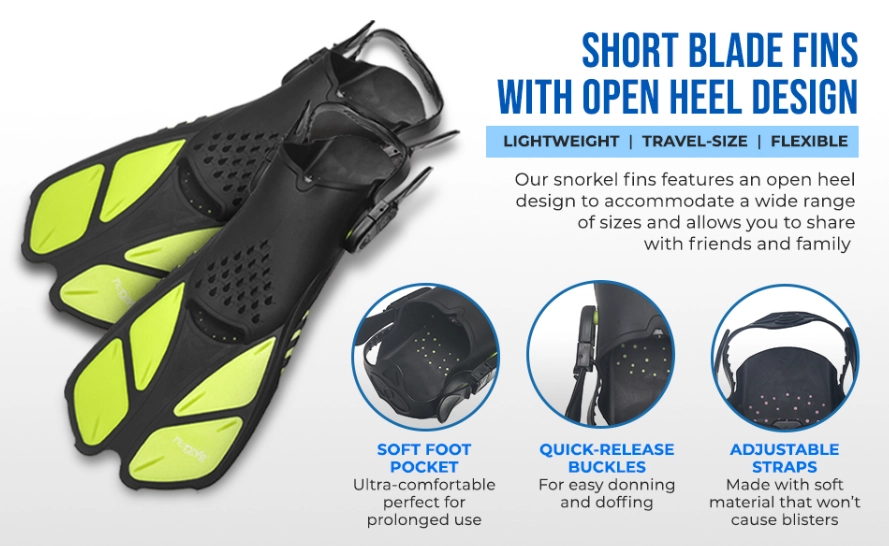
Your Compact Fins Questions, Answered
Can I use compact fins for scuba diving?
I strongly advise against it for proper scuba diving. When you're underwater with a tank and weights, you need the powerful, slow kicks that long blades provide for propulsion and stability. Compact fins lack the surface area to move that much mass efficiently. You'll work much harder and burn through your air faster. They're strictly a surface-snorkeling tool.
My compact fins make my calves cramp. What am I doing wrong?
This usually points to two issues. First, you might be pointing your toes too much ("ballerina kick"), which engages the calf muscle constantly. Focus on keeping your foot in a more neutral, relaxed position. Second, the fins could be too stiff for your leg strength. Try a more flexible model and make sure you're hydrated—cramps often start from dehydration, not just technique.
Are split fins better than paddle-style compact fins?
Split fins (with a blade divided down the middle) are a different philosophy. They work like a propeller, requiring a very specific, helicopter-style kick to be effective. In my experience, most casual snorkelers find them weird and less intuitive than traditional paddle blades. They can be efficient for strong kickers, but for ease of use and predictability, I generally recommend starting with a solid, vented paddle blade.
How do compact fins perform in current?
This is their limitation. In a strong current, the smaller blade area gives you less to "push" against the water. You won't have the raw power to fight a heavy current like you might with long fins. The smart strategy with any fin in current is to avoid fighting it. Swim across it or go with the flow and plan your exit. Compact fins are fantastic for calm bays, reefs, and lagoons—if you're snorkeling in consistently heavy currents, you might want a longer travel fin.
Do I need special booties with them?
For full-foot pocket fins, you need thin, 1-2mm neoprene socks or barefoot. Never wear booties with a thick sole in them—it will tear the pocket. For open-heel fins with straps, you can wear proper booties with a rugged sole, which is great for shore entries over rocky beaches. This is a major advantage of the open-heel design.
Switching to compact snorkeling fins changed how I travel. That moment of dread when packing is gone. Now, I toss a pair in the corner of my backpack without a second thought. More importantly, it changed the experience for the people I guide. They spend less energy on kicking and more on the wonder right in front of their mask. That's the real goal, isn't it?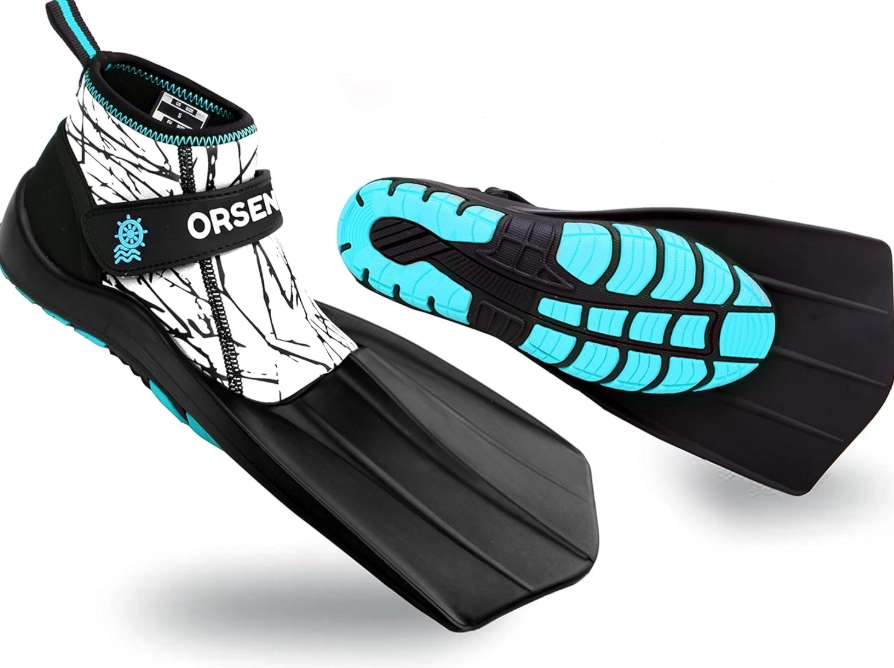
If your snorkeling gear is holding you back from spontaneous trips or making the activity feel like a chore, a pair of well-chosen compact fins might be the simplest, most effective upgrade you can make. Start with fit, remember the fast flutter kick, and get ready to see the ocean—not your suitcase—as the limit.
Reader Comments