Let's cut to the chase. Indonesia isn't just a good snorkeling destination; for many, it's the ultimate one. With over 17,000 islands sitting in the heart of the Coral Triangle, the sheer density and diversity of marine life here is absurd. We're talking about places where you can float in calm, shallow water and be surrounded by more fish species than some countries have in their entire territorial waters. But here's the thing everyone's blog post seems to gloss over: it's not a uniform paradise. Pick the wrong island at the wrong time, and you'll be staring at murky water wondering what the hype is about. I've spent months hopping between these islands, getting it right and, admittedly, getting it wrong a few times. This guide is about making sure you get it right.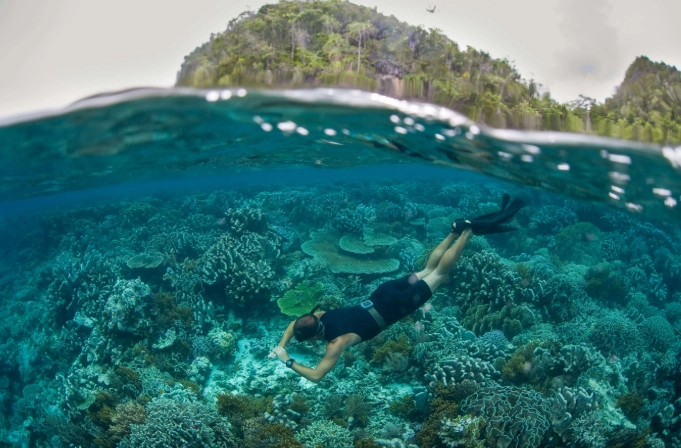
What's Inside This Guide
Why Indonesia is a Snorkeling Superpower
It's simple geography and biology. The Coral Triangle, an area spanning Indonesia, the Philippines, and Papua New Guinea, holds 76% of the world's known coral species. Indonesia is the biggest piece of that pie. Currents sweep nutrients through its thousands of islands, creating perfect conditions for everything from microscopic plankton to 4-meter-wide manta rays. You have volcanic slopes dropping into deep trenches, creating walls covered in soft and hard corals. You have mangroves and seagrass beds that act as nurseries. It's a complete, thriving ecosystem.
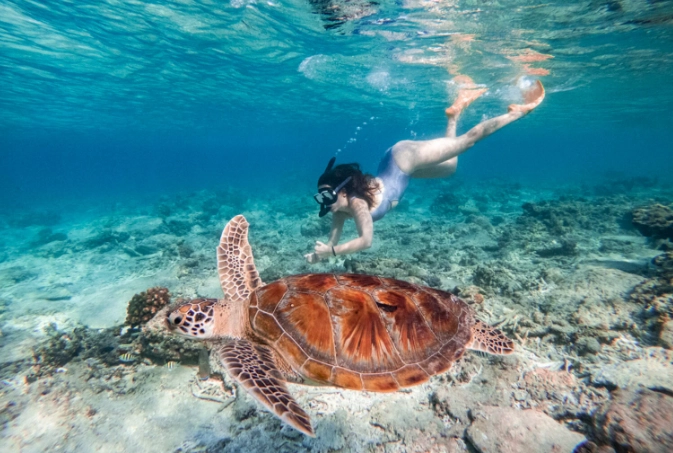
But the real magic for snorkelers is accessibility. Unlike many top dive sites that require descending to 20 meters, Indonesia's riches often start right at the surface. You don't need to be a certified diver to see turtles munching on sponges or schools of bumphead parrotfish. That's the game-changer.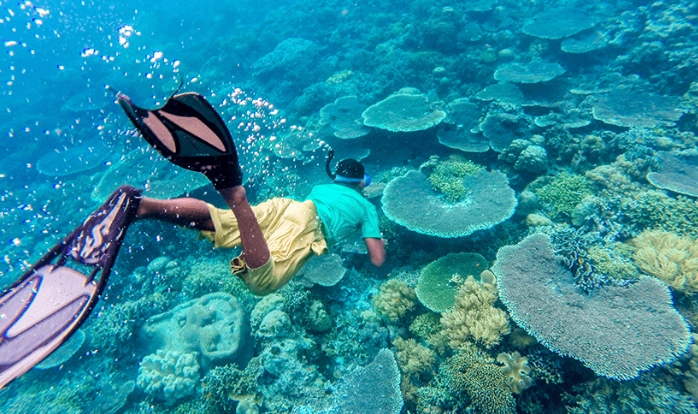
Top Snorkeling Sites: From Classics to Hidden Gems
Choosing where to go is the biggest decision. Each region has a different personality, difficulty level, and price tag. Don't just go to Bali because flights are cheap—unless what Bali offers fits your style.
| Site / Region | Key Highlights | Best For | Access & Notes |
|---|---|---|---|
| Bali (Nusa Penida/Lembongan, Amed, Tulamben) | Manta rays at Manta Point, USAT Liberty shipwreck (shore entry), coral gardens, high chance of seeing sunfish (Mola mola) Jul-Oct. | First-timers, mixed groups, combining culture with snorkeling. Easy logistics. | Tours from Sanur to Nusa islands (~IDR 600K). Amed/Tulamben is a 3hr drive from south Bali. Can get crowded. |
| Komodo National Park | Incredible current-swept reefs, huge fish diversity, manta rays at Karang Makassar, pink sand beaches. | Strong swimmers, adventure seekers, those wanting a "wild" feel. Not for beginners. | Multi-day liveaboard from Labuan Bajo (Flores). Snorkeler-specific boats exist. Park fee ~IDR 350K on weekdays. |
| Raja Ampat | Unrivaled coral health & diversity, endemic species like walking sharks, stunning limestone scenery. | The ultimate bucket-list, experienced travelers, underwater photographers. Premium price. | Liveaboards or stay in homestays on islands like Arborek. Fly to Sorong first. Expensive but transformative. |
| Bunaken National Park (North Sulawesi) | Vertical coral walls dropping 40m+, frequent turtle sightings, clear calm water. | Wall snorkeling, relaxed pace, fewer tourists than Bali. Great for families. | Stay in resorts/managements in Manado or on Bunaken Island. Boat trips arranged daily. Marine park fee applies. |
| The Gili Islands (Lombok) | Vibrant shallow reefs, turtle havens (especially Gili Meno), night snorkeling, super laid-back vibe. | Budget travelers, backpackers, party & snorkel combo, beginners. | Fast boat from Bali or ferry from Lombok. You can snorkel from shore or join cheap half-day trips. |
A quick story about Komodo. I joined a snorkel-specific liveaboard, and at a site called Castle Rock, the current was ripping. We did a "drift snorkel," where the boat drops you upstream and picks you up downstream. For 45 minutes, I was flying over a pristine reef swarming with giant trevallies, reef sharks, and massive schools of fusiliers. It was exhausting and exhilarating. That's Komodo—it demands respect but gives back tenfold. Bali's Blue Lagoon in Padangbai, on the other hand, was like a relaxing bath in an aquarium, perfect for my friend who just wanted to float and look at clownfish.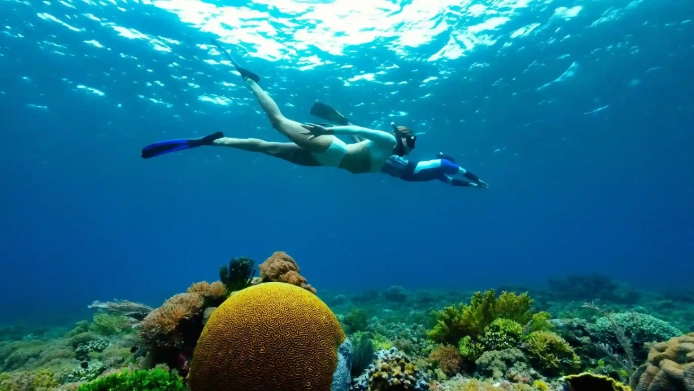
Local Insight: Everyone goes to Manta Point in Nusa Penida. Fewer people know about Manta Bay, right next door. If the current at the Point is too strong (which can happen), the Bay often has mantas cruising in calmer water. A good local guide will know where to take you based on the day's conditions.
When to Go: Decoding Indonesia's Seasons
Forget a simple "dry vs. rainy" rule. Indonesia's size means seasons flip. Generally, the best snorkeling conditions (calm seas, sunny skies, best visibility) are during the dry season.
West & Central Indonesia (Bali, Komodo, Lombok, Java): Dry season is April to October. Peak is July-August (also peak tourist season). The water is clearer, seas calmer, especially for crossing to Nusa Penida or Komodo. Rainy season (Nov-Mar) can bring short, heavy downpours and reduced visibility, but it's also quieter and greener inland. You can still snorkel, just manage expectations.
East Indonesia (Raja Ampat, West Papua): The pattern reverses slightly. The best weather is often October to April, with a peak around October-November. The "summer" months (July-August) can see stronger winds and rougher seas, making some liveaboard itineraries change.
My take? Shoulder months like May, June, September, and October often offer the sweet spot: decent weather, fewer crowds, and sometimes better prices. I was in Raja Ampat in early November, and it was spectacular—warm, sunny, and we had sites almost to ourselves.
Gear You Actually Need (And What to Skip)
Most tour operators provide basic gear: a mask, snorkel, and fins. The quality is usually mediocre. Here’s what I bring every time: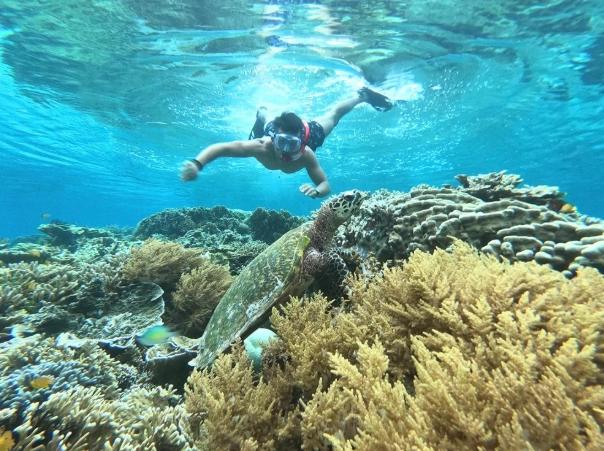
Non-Negotiable Personal Gear
A well-fitting mask. This is 80% of a good snorkeling experience. A leaky, foggy rental mask will ruin your day. Buy your own and practice the fit (suck in gently without the strap, it should stay on your face). Prescription masks are a game-changer if you wear glasses.
Snorkel with a simple splash guard. Avoid those complex dry snorkels with float valves—they often fail. A basic J-tube with a simple splash guard at the top is the most reliable.
Highly Recommended Adds
Snorkeling vest or rash guard. Even strong swimmers get tired. A simple, inflatable snorkel vest provides peace of mind and buoyancy without being bulky. A long-sleeve rash guard protects from the equatorial sun and potential jellyfish stings. Sunscreen washes off and harms corals.
Aquatic shoes or open-heel fins. Many entries are from rocky beaches or boats with sharp ladders. Thin aquatic shoes protect your feet. If you bring your own fins, open-heel with adjustable straps are more versatile than full-foot pockets.
The Biggest Mistake I See: People obsess over an underwater camera but neglect their mask. Blurry, foggy photos of nothing are worse than no photos. Spend on the mask first. A cheap GoPro knock-off on a hand floaty stick is fine for memories.
Planning Your Trip: Itineraries for Every Style
The 5-Day Bali Blitz (For First-Timers)
Base: Sanur or Padangbai for easy boat access.
Day 1-2: Day trip to Nusa Penida/Lembongan. Visit Manta Point, Crystal Bay, Gamat Bay.
Day 3: East Bali road trip. Snorkel the USAT Liberty wreck in Tulamben (morning is best), then explore the coral gardens in Amed in the afternoon.
Day 4: Relaxing day at Blue Lagoon Beach Club in Padangbai—reef right off the beach.
Budget: ~IDR 5-7 million per person for tours, transport, mid-range hotels.
The 7-Day Komodo Adventure (For the Active)
Base: Liveaboard boat from Labuan Bajo.
Plan: Book a 3D2N or 4D3N snorkeling-specific liveaboard. Itineraries hit sites like Siaba Besar (turtle city), Kanawa Island, Pink Beach, and the manta cleaning stations. Days are spent snorkeling 3-4 times, with hikes on Rinca Island to see Komodo dragons.
Budget: Snorkel liveaboards range from IDR 8-15 million. Flights to Labuan Bajo (LBJ) from Bali are extra.
The 10-Day Raja Ampat Dream (For the Committed)
Base: Homestay on Arborek or Kri Island.
Plan: Fly to Sorong, then ferry to Waisai, then local boat to your island. Book a homestay package that includes meals and daily snorkel trips to sites like Cape Kri, Manta Sandy, and the Melissa's Garden reef complex. It's rustic but immersive.
Budget: Homestay packages ~IDR 1-1.5 million per night all-in. Flights to Sorong are the major cost.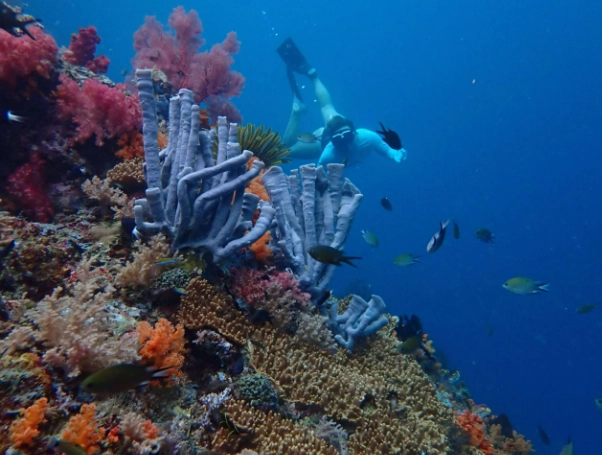
Staying Safe & Protecting the Reefs
This isn't a swimming pool. Currents can be strong and unpredictable. Always listen to your guide. If they say stay close, stay close. Don't touch anything. Not the coral (it dies), not the turtles (it stresses them), not the "cute" octopus. Your sunscreen matters. Use only certified reef-safe, mineral-based sunscreens (zinc oxide/titanium dioxide). Better yet, wear a rash guard.
Support good operators. Ask if they have a mooring buoy system (so they don't drop anchor on coral) and what their environmental practices are. Your choices matter.
Floating Questions Answered
Can you snorkel in Indonesia during the rainy season?
Do I need a scuba diving license to snorkel in Indonesia's best spots?
What is the most affordable place for snorkeling in Indonesia?
How likely am I to see manta rays while snorkeling in Indonesia?
Reader Comments