Let's be honest. You're not just going for a float in the local pool. Snorkeling with dolphins is a different beast altogether. It's dynamic, unpredictable, and demands a level of awareness and comfort that standard reef snorkeling doesn't. I've seen too many people on these trips fumbling with foggy masks, fighting leaky seals, or kicking frantically with the wrong fins, completely missing the magic happening just meters away. The right gear isn't about having the fanciest brand; it's about becoming invisible in the water, so you can focus on the experience, not your equipment.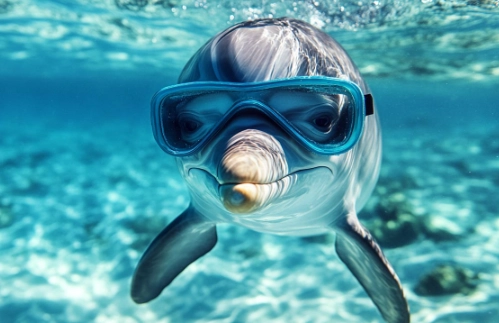
This guide ditches the generic checklist. We're going deep on the why behind each piece of gear specifically for dolphin encounters. We'll cover what you must have, what you should consider, and the subtle mistakes that can turn a dream encounter into a frustrating blur.
What You’ll Find in This Guide
The Non-Negotiable Core Essentials
These three items form the foundation of your experience. Get these wrong, and nothing else matters.
The Mask: Your Window to Their World
Forget the oversized, colorful masks marketed to tourists. For tracking fast-moving dolphins, you need a low-volume mask. Why? Less air space means less effort to clear if water seeps in (and it will when you're turning your head quickly). It sits closer to your face, reducing drag.
Fit is everything. The strap is just there to hold it in place; the seal is created by the skirt suctioning to your skin. Try this: place the mask on your face without the strap, inhale gently through your nose, and let go. It should stay put on its own, with no painful pinches on the bridge of your nose or your forehead. Check for gaps by looking down—if it falls, it'll leak.
I made the mistake once of using a mask with a built-in GoPro mount on a dolphin trip. The extra weight and drag made it constantly shift. Never again.
The Snorkel: Your Airline to the Surface
A simple J-shaped snorkel is often better than a complex "dry" snorkel for this activity. Dry snorkels have a floating valve at the top designed to shut when submerged. Sounds great, but in choppy water or if a dolphin splashes near you, they can sometimes stick shut momentarily, causing a panic when you try to breathe. A standard snorkel with a simple splash guard is more reliable.
The key is the mouthpiece. It should feel soft and fit your jaw without making you bite down hard. A sore jaw after 20 minutes is a real distraction.
Fins: Your Gentle Propulsion System
This is where most people overthink it. You do not need powerful, stiff scuba fins. In fact, they're a liability. Dolphins are agile; sudden, powerful kicks with long fins can startle them or, worse, accidentally hit one.
Opt for shorter, flexible snorkeling fins. They provide efficient propulsion with a gentle, flutter kick. The goal isn't speed—it's controlled, quiet movement. Many reputable dolphin tour operators in places like Hawaii or the Bahamas actually prohibit fins in certain interactive areas for safety. Always check the rules of your specific tour.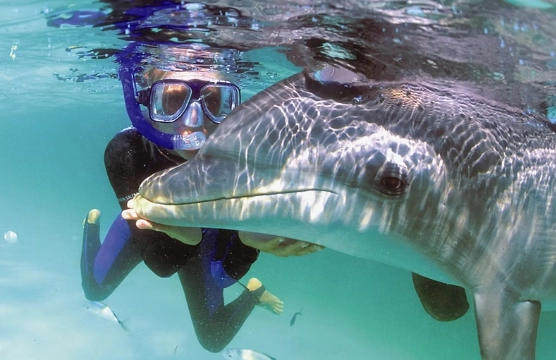
Situational & Highly Recommended Gear
This is the gear that separates the prepared from the merely present.
Exposure Protection: It’s Not Just About Warmth
Even in 80°F (27°C) Caribbean water, you'll want a 1mm to 2mm neoprene top or full "skin." Its primary job isn't warmth—it's sun protection and buoyancy. Floating effortlessly on the surface is less disruptive than constantly treading water. It also prevents minor scrapes and offers a tiny bit of defense against jellyfish larvae ("sea lice") that can cause itchy rashes.
For cooler locations like Akaroa, New Zealand, or the Azores, a proper 3mm to 5mm wetsuit is essential. Hypothermia ruins encounters faster than a leaky mask.
Anti-Fog: The Invisible Essential
Commercial anti-fog sprays work, but the old-school method is unbeatable: a tiny drop of baby shampoo rubbed on the inside lens and rinsed with seawater. Do this right before you enter the water. I've trusted this method for hundreds of dives and snorkels.
Surface Marker Buoy (SMB) & Whistle
For open-water, non-guided encounters (which I only recommend for very experienced snorkelers), a small, inflatable SMB is a critical safety device. It makes you visible to boats. Attach a whistle to it. This isn't typical gear advice, but it addresses the real risk of boat traffic in popular dolphin areas.
The Smart Traveler’s Packing Checklist
Packing for a dolphin snorkel trip is about redundancy and protection.
- Core Gear: Mask, Snorkel, Fins (in a mesh gear bag for drainage)
- Exposure: Rash guard/Neoprene top, Swimwear
- Safety & Comfort: Reef-safe sunscreen (applied 30 min prior), Lip balm with SPF, Wide-brimmed hat, Polarized sunglasses
- Hydration: Reusable water bottle (filled)
- Post-Snorkel: Quick-dry towel, Change of clothes, Waterproof bag for wet gear
Gear Mistakes I See All The Time (And How to Avoid Them)
Let's talk about the subtle errors that have big consequences.
Mistake #1: The Brand-New, Never-Tested Gear. Never, ever use gear for the first time on the boat heading to the dolphins. That mask needs a test swim. Those fins need to be walked in. Break in your gear in a pool or calm beach first.
Mistake #2: Over-reliance on Technology. A GoPro is great, but don't view the entire encounter through a 1-inch screen. Be present first. Secure the camera on a wrist or chest mount so your hands are free. Loose cameras are a hazard.
Mistake #3: Ignoring Color. Bright yellow, pink, or high-contrast patterns on your wetsuit or fins can be startling to marine life. Opt for muted blues, blacks, or greens. You want to observe, not intrude.
Mistake #4: Poor Finning Technique. This is a gear-adjacent mistake. A slow, steady flutter kick from the hips keeps you stable and quiet. Bicycling kicks or frantic splashing creates noise and bubbles that can deter curious dolphins.
Your Dolphin Snorkeling Gear Questions Answered
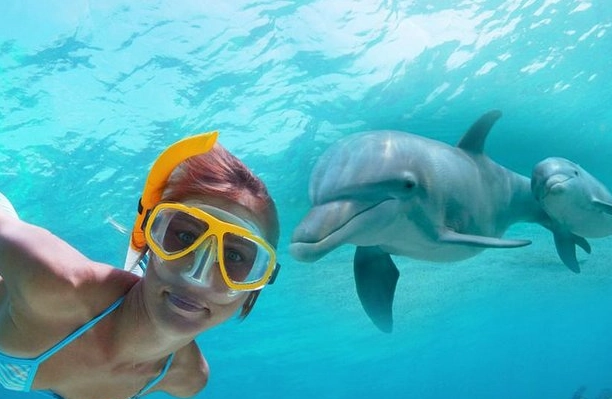
The ultimate goal is to be a calm, comfortable, and unobtrusive guest in the dolphins' world. Your gear is the tool that allows you to do that. Invest time in selecting and testing it, and you'll invest in memories that are crystal clear, not foggy and frustrating. Now go get ready—they're waiting.
Reader Comments