I remember my first time snorkeling with a traditional setup. The saltwater taste, the jaw ache from biting down on the mouthpiece, the constant fogging, and that panicky feeling when a little wave splashes over the top of the snorkel tube. It was magical seeing the fish, but the gear was a battle. Then I tried a full-face snorkel mask with "easy breath" technology. Breathing through my nose and mouth naturally, no jaw fatigue, a panoramic view—it felt like a revelation. But as a dive instructor for over a decade, I've also seen the confusion and safety debates they spark. Let's cut through the marketing and look at what this technology really offers, where it excels, where it stumbles, and how to pick one that won't let you down.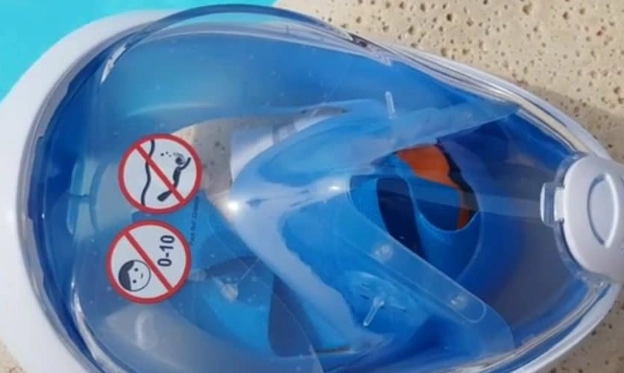
What's Inside This Guide
What "Easy Breath" Technology Actually Means
At its core, "easy breath" refers to the design of a full-face snorkel mask that separates the breathing chamber from the viewing chamber. You don't bite a mouthpiece. Instead, you breathe normally—inhale and exhale through both your nose and mouth—inside a sealed space that covers your entire face.
The magic (and the potential problem) is in the valve system. Here's the typical airflow path:
- Fresh Air In: When you inhale, you draw air from the snorkel tube attached to the top of the mask. This air comes directly from above the water's surface.
- Used Air Out: When you exhale, your warm, carbon-dioxide-rich breath is directed through a separate set of one-way valves, usually located in the chin area or lower sides of the mask. These valves force the used air out of the mask and into the snorkel tube, where it exits through ports.
The goal is to prevent CO2 buildup and keep the lens from fogging by channeling moist exhaled air away. The viewing lens stays clear because your breath doesn't touch it. It sounds simple, but the engineering of these valves is everything. A poor valve design can lead to "rebreathing"—inhaling your own exhaled air—which is the primary safety concern flagged by organizations like DAN (Divers Alert Network).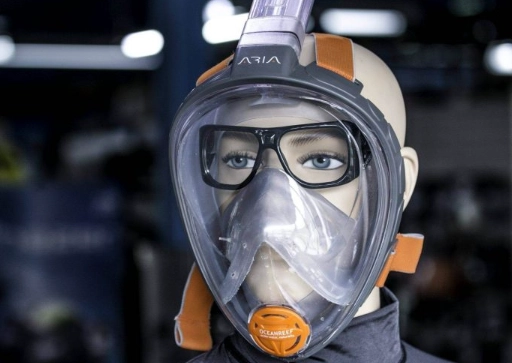
The Real Pros and Cons: Is It Right For You?
Let's move past the hype. I've used these masks from the Great Barrier Reef to cenotes in Mexico. Here's the honest breakdown, side-by-side with the traditional setup.
| Feature | Easy Breath Full Face Mask | Traditional Snorkel Set |
|---|---|---|
| Breathing | Natural, through nose & mouth. No jaw fatigue. Great for people with TMJ or dental work. | Mouth-only. Can cause jaw fatigue and dry mouth. |
| Fogging | Massively reduced in theory. Lens stays clearer longer if valves work. | Constant battle. Requires defogger or spit. |
| Field of View | Panoramic, often 180°. Feels more immersive. | Limited to the frame of the diving mask. |
| Learning Curve | Extremely low. Put it on and breathe. Ideal for anxious beginners. | Moderate. Requires learning to clear the snorkel and manage the mouthpiece. |
| Free Diving / Duck Dives | Not suitable. Cannot equalize ears (pinch nose). Pressure changes can cause leaks. | The only option. Essential for going deeper than surface snorkeling. |
| Communication | You can talk (muffled) and even drink water without removing the mask. | Impossible to speak without removing the mouthpiece. |
| Safety Concern | CO2 buildup risk in poorly designed masks. Must monitor for dizziness. | Risk of inhaling water if snorkel floods, but no CO2 rebreathing issue. |
| For Glasses Wearers | Some models offer prescription lens inserts (a game-changer). | Requires prescription dive masks, which are expensive. |
So, who wins? It's not a clean sweep for either. If you're a casual vacation snorkeler who stays on the surface, wants maximum comfort, and hates fogging, the easy breath mask is a fantastic tool. If you plan on diving down to get a closer look at anything, or if you're a serious swimmer, the traditional gear is non-negotiable.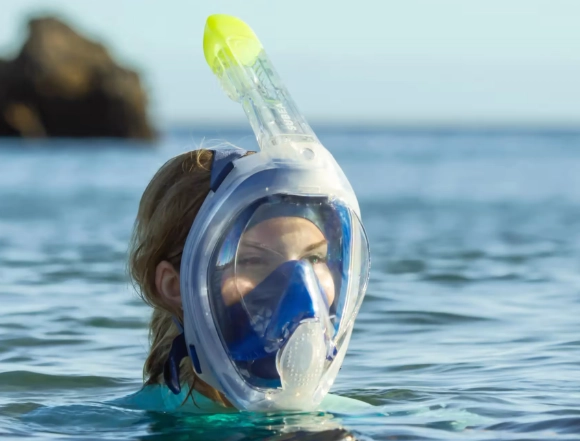
How to Choose the Right Easy Breath Snorkel Mask
Don't just grab the cheapest one on Amazon. A bad mask can ruin your trip or worse. Here's my field-tested checklist.
1. Safety First: The Valve and Air Volume Test
Before you buy anything, research the valve system. Look for masks with separate, dedicated inhalation and exhalation channels. A single valve is a red flag. Brands that have invested in R&D, like Ocean Reef, often have detailed diagrams showing their airflow paths. The mask should also have a large internal volume—more air space dilutes exhaled CO2. Put it on dry and take a few deep breaths. You should feel minimal resistance and no sensation of sucking back in your own warm breath.
2. The Fit is Everything (And It's Tricky)
This is the hardest part. A traditional mask seals around your eyes and nose. A full-face mask seals around your entire face, from forehead to chin. Facial structures vary wildly. A mask that fits your friend might leak horribly on you.
How to test fit: Place the mask on your face without putting the strap over your head. Inhale gently through your nose and let go. The mask should stay suctioned to your face for a few seconds as you hold your breath. Check the seal all the way around, especially across your forehead and along your cheeks. Any hair, especially sideburns or eyebrows, will break the seal.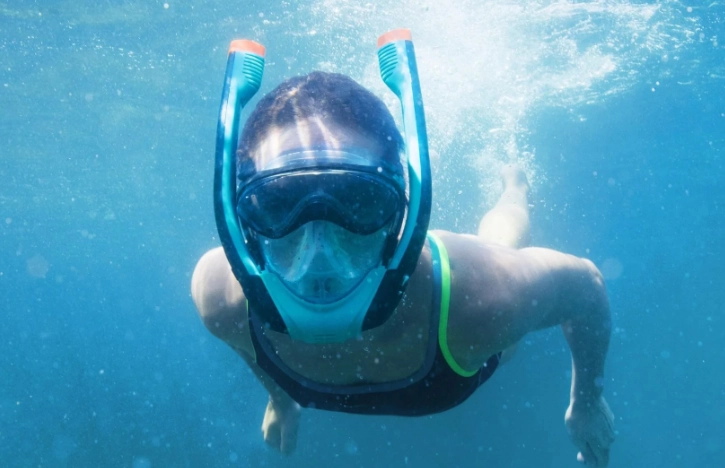
3. Key Features That Matter
- Dry Top Snorkel: A splash guard or dry valve at the top of the tube that prevents water from pouring in when you're on the surface. This is almost mandatory.
- GoPro Mount: Integrated, but make sure it's sturdy. A flimsy mount means a lost camera.
- Purge Valve: A one-way valve at the bottom to easily blow out any water that gets in. Test that it opens and closes smoothly.
- Strap Design: A wide, padded strap is more comfortable. A quick-release buckle is very handy.
Critical Safety Tips and Maintenance
Owning the mask is step one. Using it correctly is what keeps you safe.
Never, ever use it for freediving. I can't stress this enough. The pressure even a few feet down can create a strong seal on your face, making it difficult to remove in an emergency. More importantly, you cannot equalize your ears because you can't pinch your nose. This can lead to barotrauma (ear injury).
Listen to your body. The early sign of potential CO2 buildup isn't dramatic. It's a slight headache, drowsiness, or feeling like you need to breathe more heavily to get enough air. If you feel this, surface immediately, remove the mask, and breathe fresh air. This is why these masks are best for relaxed, surface-level exploration, not strenuous swimming.
Maintenance is simple but vital. After every use, rinse thoroughly with fresh water, especially the valve areas. Let it air dry completely before storing it in a breathable bag (not sealed in plastic). Periodically check the valves for sand, debris, or wear. If a valve feels sticky or doesn't snap shut cleanly, it's time to replace the mask or the valve cartridge if the brand offers them.
Your Top Questions Answered
At the end of the day, easy breath snorkel mask technology is a tool. A fantastic, comfortable tool for the right person and the right situation. It has democratized surface snorkeling, making it accessible to people who would have given up with a traditional setup. But it's not a magic bullet. Respect its limits, invest in quality, and prioritize fit and valve design over flashy extras. Do that, and you're in for some of the most relaxed and visually stunning surface explorations you've ever had. Just remember to look down at the fish, not just admire your fog-free view.
Reader Comments