Let's cut to the chase. The best snorkel mask for a beginner isn't necessarily the fanciest or most expensive one. It's the one you'll forget you're wearing. A good mask lets you focus on the fish, not on the water leaking into your eyes or the fog blocking your view. A bad one can turn a dream trip into a frustrating, breathless struggle. I've seen it happen too many times.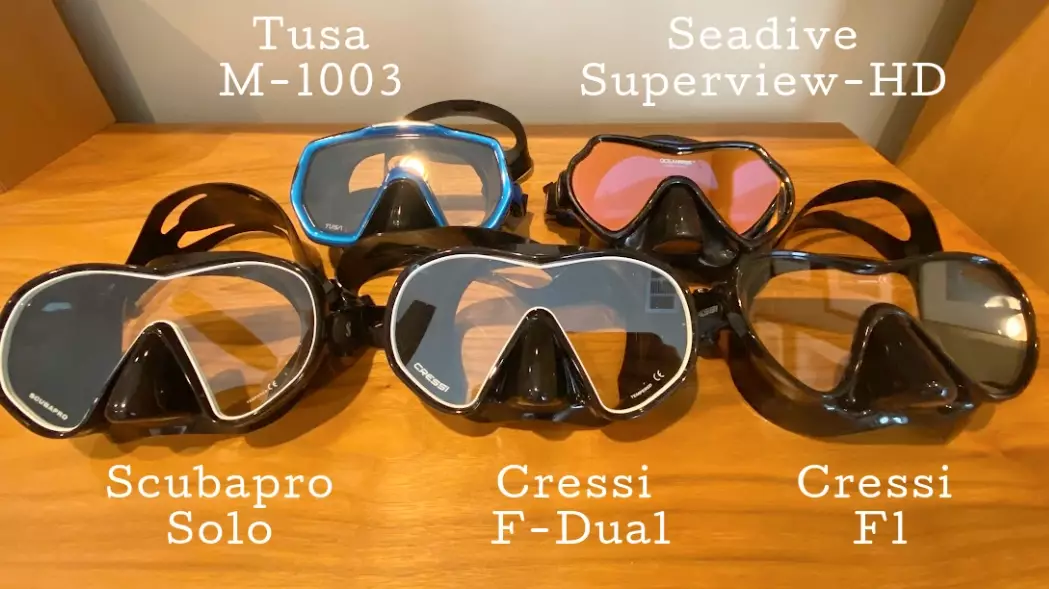
After a decade of guiding trips and testing gear, I've learned that most beginners make the same few critical mistakes. They get seduced by flashy marketing for "full face" masks without understanding the risks. They buy a mask that doesn't fit their face shape. Or they ignore the snorkel itself, which is just as important. This guide is here to steer you clear of those pitfalls.
Your Quick Snorkel Mask Guide
What Makes a Mask Good for Beginners?
Forget about megapixels on a camera or lens coatings for a second. For a snorkel mask, three things are non-negotiable: fit, comfort, and simplicity.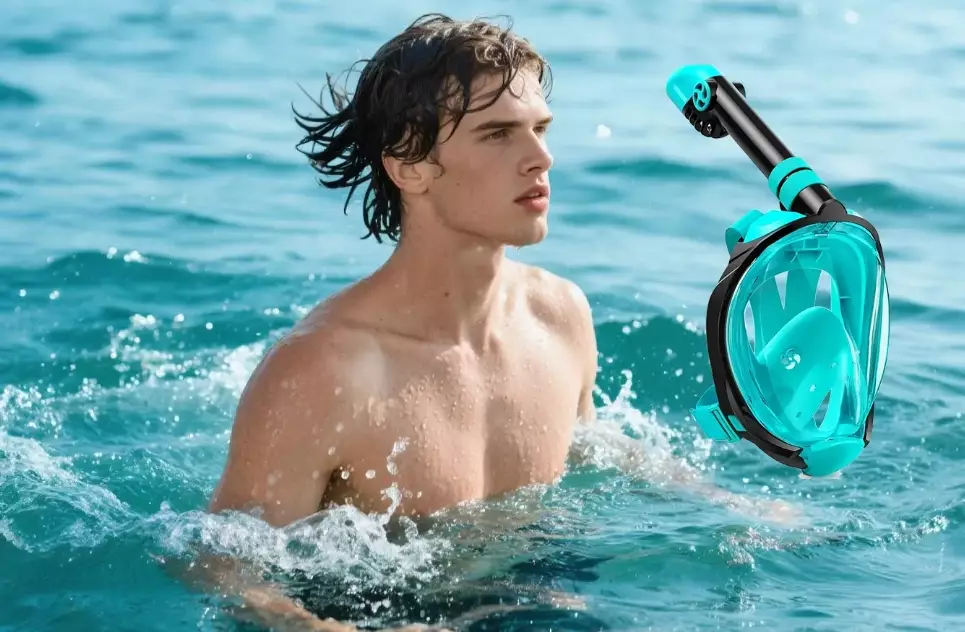
Fit is everything. A mask can have all the tech in the world, but if it doesn't seal to your face, it's useless. The skirt—the soft silicone part that touches your skin—needs to create a vacuum without digging in. A common beginner error is cranking the straps too tight to stop a leak, which actually makes the seal worse and gives you a headache.
Combatting fog is a daily battle. All masks fog. The goal is to pick one that fogs less and is easy to defog. Some have built-in anti-fog coatings, which help for a while. The real secret is pre-treating the lens with a mild soap solution or commercial defogger. I'll get to that later.
The snorkel matters as much as the mask. You're buying a system. For beginners, a dry snorkel or semi-dry snorkel is a game-changer. It has a mechanism at the top that seals shut if a wave splashes over it, preventing a mouthful of seawater. A simple J-tube snorkel (the basic bendy kind) requires you to learn the "blast clear" technique, which can be intimidating when you're just starting.
My non-consensus take: Beginners often over-index on getting a "full dry" system. The truth is, a small amount of water in the snorkel barrel is normal and easy to clear. The dry-top feature is for keeping out big splashes and waves. Don't stress about finding a 100% magical dry experience; focus on a comfortable, easy-to-clear setup instead.
The Big Decision: Traditional vs. Full Face Masks
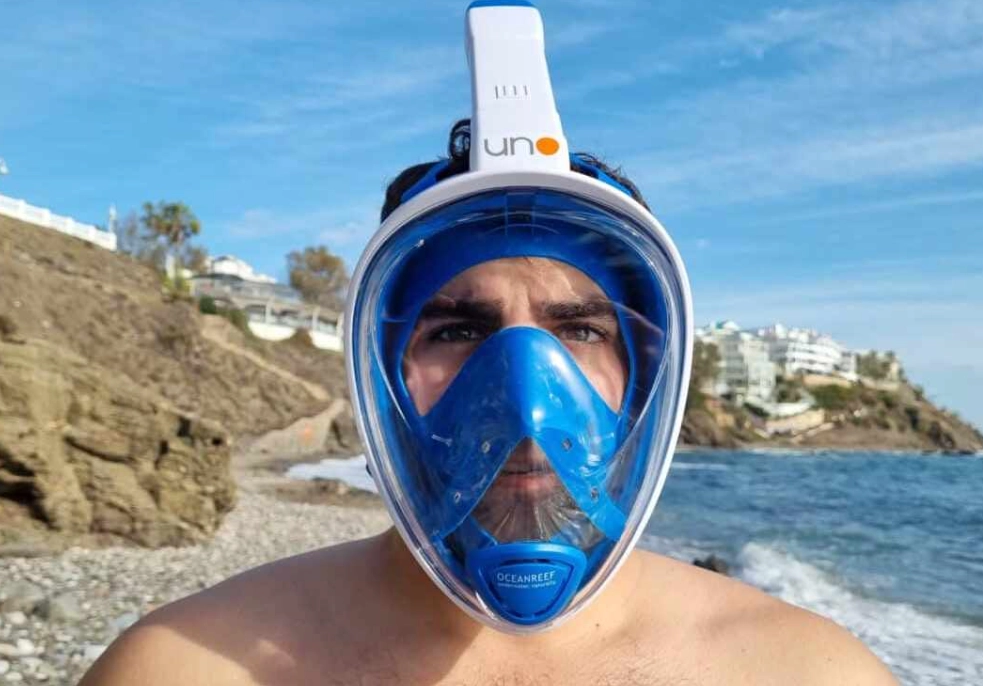
This is the first fork in the road. Full face masks (FFMs) cover your nose and mouth, letting you breathe normally through both. They're incredibly popular for beginners because they feel more natural at first.
But I have to be honest, I'm cautious about recommending them. Here's why.
The Allure and Risk of Full Face Masks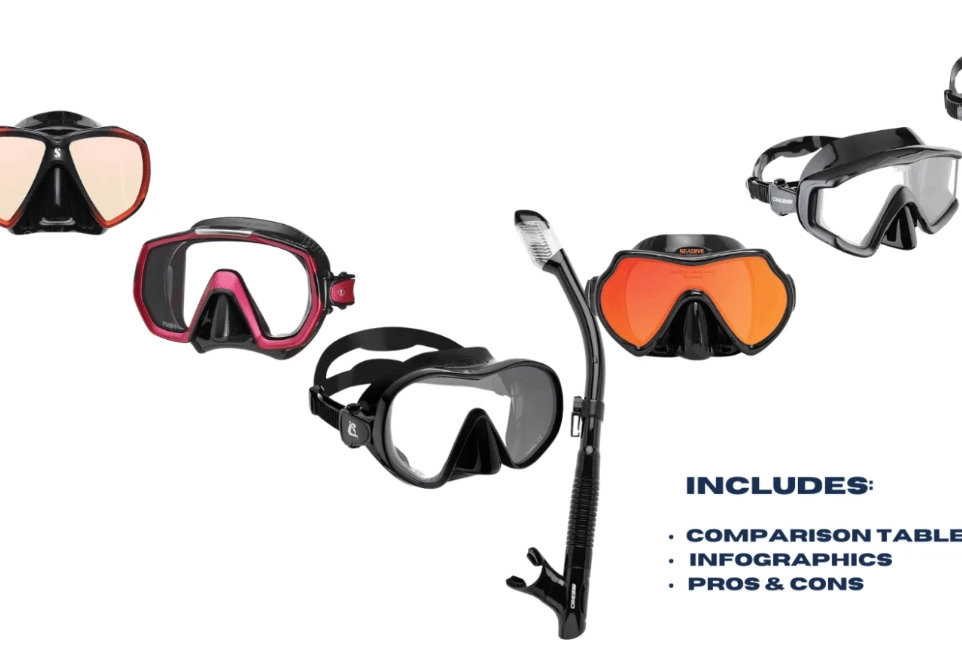
Their appeal is obvious. No mouthpiece to bite on. You can smile and talk (sort of). Breathing feels familiar. For a calm, surface-only snorkel in perfect conditions, they can be fine.
The problems start when things aren't perfect. The major risk is carbon dioxide (CO2) buildup. If the mask's ventilation system isn't flawless—and many cheaper models aren't—you can end up re-breathing your own exhaled air. This leads to dizziness, headaches, and in extreme cases, unconsciousness. It's a real, documented issue that organizations like DAN (Divers Alert Network) have published warnings about.
Furthermore, you cannot dive down with a full face mask. The pressure change will squeeze the mask painfully onto your face. If you see a turtle swimming down and want to follow it for a few seconds, you're stuck at the surface.
Why the Traditional Mask is the Safer, More Skill-Building Choice
A traditional two-piece setup (separate mask and snorkel) is what every serious snorkeler and diver uses. There's a reason. It's safer, allows for diving, and teaches you the fundamental skills of snorkeling.
Yes, there's a learning curve. Getting used to breathing only through your mouth takes a few minutes. But once you're past that, you have a versatile, reliable tool. You can equalize pressure to dive down. Clearing a bit of water from the mask becomes second nature. You're building skills that open up more of the underwater world.
For a beginner who wants to progress and be safe, I almost always recommend starting with a high-quality traditional mask and dry snorkel.
Top Contenders for Your First Mask
Based on fit for a wide range of face shapes, reliability, and value, here are the models I find myself recommending most often to new snorkelers.
| Mask Model | Best For | Key Feature for Beginners | Potential Drawback |
|---|---|---|---|
| Cressi F1 Frameless Mask | Most face shapes, wide field of view | Super soft skirt, extremely comfortable, easy to pack | Frameless design can be less durable if mishandled |
| Aqua Lung Sport Mask | Narrower faces, smaller features | Excellent low-volume design (easy to clear), great seal | Might pinch on wider faces |
| Oceanic Shadow Snorkel Set | Those who want a ready-to-go kit | Includes a very good dry snorkel, solid all-in-one value | Mask fit is average; the snorkel is the star here |
Let me be more specific about the Cressi F1. This is my personal go-to recommendation. I've lost count of how many I've bought for friends and family starting out. The skirt silicone is so soft it molds to your face without pressure. The field of view is huge, which reduces that "looking through a tunnel" feeling. Because it's frameless, it's also incredibly lightweight. The only caveat is you need to be a bit more careful when packing it, as there's no rigid frame to protect the lens.
The Aqua Lung Sport is a workhorse. If the Cressi F1 doesn't seal well on you (some people with prominent brow ridges find this), the Sport often does. Its "low volume" means there's less air space inside the mask. Why does that matter? When a little water gets in (and it will), there's less water to clear out. It's a subtle but brilliant feature for beginners.
Avoid the temptation of the $30 generic set on Amazon. The silicone is usually stiff, the lenses distort your vision, and they fog up instantly. Investing an extra $40-$60 in a mask from a reputable diving brand (Cressi, Aqua Lung, Mares, Scubapro) is the single best way to guarantee a good first experience.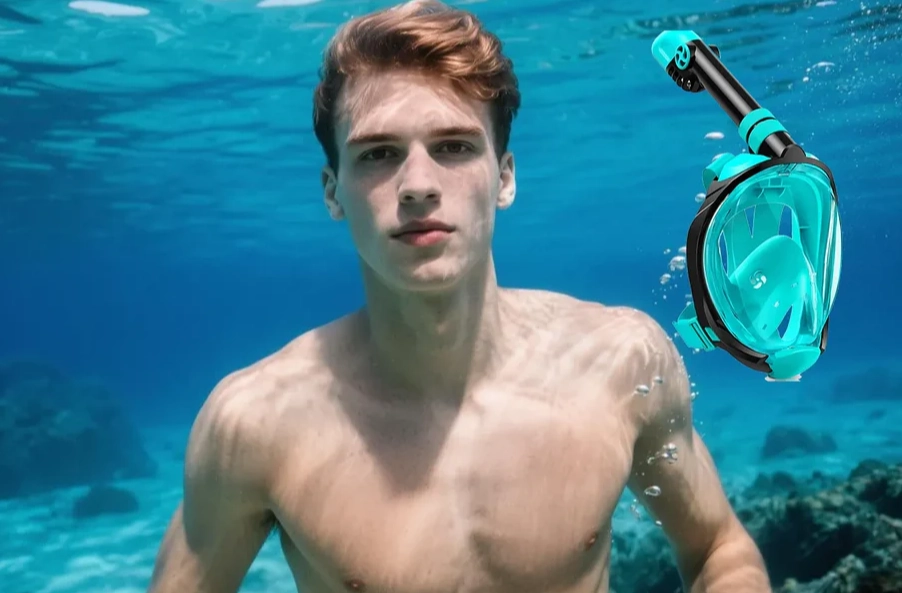
How to Test & Fit a Mask Like a Pro
You can read all the reviews in the world, but the final test happens on your face. If you can, go to a local dive shop. It's worth it.
The Suction Test (No Straps): Place the mask gently on your face. Don't put the strap over your head. Inhale softly through your nose. The mask should stick to your face without you holding it. If it falls off, the seal is bad—try another model. This tests the fundamental skirt-to-face match.
Check the Skirt Path: Run your finger along where the silicone skirt touches your skin. It should be smooth and even. Look for spots where it bridges or gaps, especially across the top of your nose bridge and under your eyes. A gap means a leak.
Strap Adjustment is Not a Clamp: Once the strap is on, it should be snug but not tight. A classic sign of a poor-fitting mask is the "raccoon eye"—deep red marks that last for hours after you take it off. That's too tight. The strap should sit high on the back of your head, not around your ears.
Now, about fogging. Here's my field-tested, non-negotiable defog routine that works better than any spray: Lick the inside of the lens thoroughly, then rinse it quickly in seawater. Saliva is a perfect, free defogger. If that grosses you out, use a drop of baby shampoo rubbed in and lightly rinsed. Never, ever touch the inside of the lens with your fingers—the oils from your skin will guarantee fog.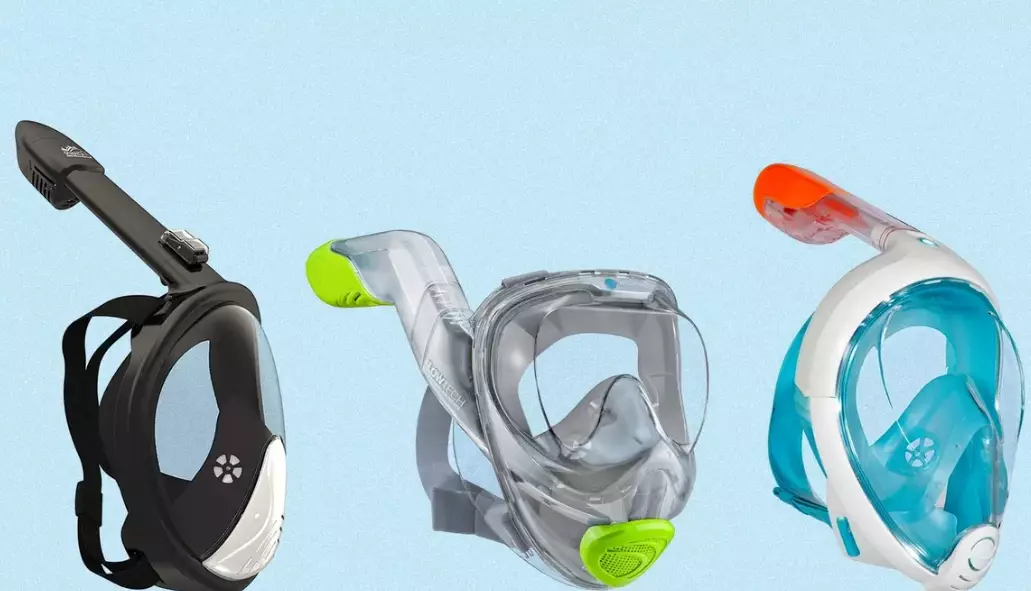
Your Questions, Answered
 Is a purge valve on a mask helpful for beginners?
Reader Comments