You've seen the pictures. Crystal clear water, colorful fish, maybe a sea turtle gliding by. You want that experience. But before you jump in, you need the right snorkeling gear. The internet is full of lists, but half the stuff is either unnecessary or downright wrong for a beginner. I've been snorkeling for over a decade, from the Great Barrier Reef to cenotes in Mexico, and I've seen the same mistakes trip people up time and again. Let's cut through the marketing hype and talk about what you actually need to have a safe, comfortable, and amazing first time snorkeling.
Your Quick Gear Checklist
The Big Three: Mask, Snorkel, Fins
This is your core kit. Get these wrong, and your trip is ruined. Get them right, and you're 90% of the way to a perfect day.
| Gear | Beginner's Priority | Key Features to Look For | Estimated Cost (USD) |
|---|---|---|---|
| Mask | #1 Most Important | Soft silicone skirt, tempered glass lens, comfortable seal. | $40 - $80 |
| Snorkel | Keep it simple. | Classic J-shaped or simple dry-top. Avoid complex purge valves. | $15 - $40 |
| Fins | Comfort over power. | Full-foot fins (like boots), flexible blade. No split fins yet. | $30 - $70 |
Most rental masks are scratched, foggy, and have stiff skirts that leak. Buying your own mask is the single best investment a beginner can make. It's hygienic and guarantees a good fit. A snorkel is personal for the same hygiene reasons. Fins? You can often rent decent ones, but ill-fitting rental fins cause blisters that will make you hate the water.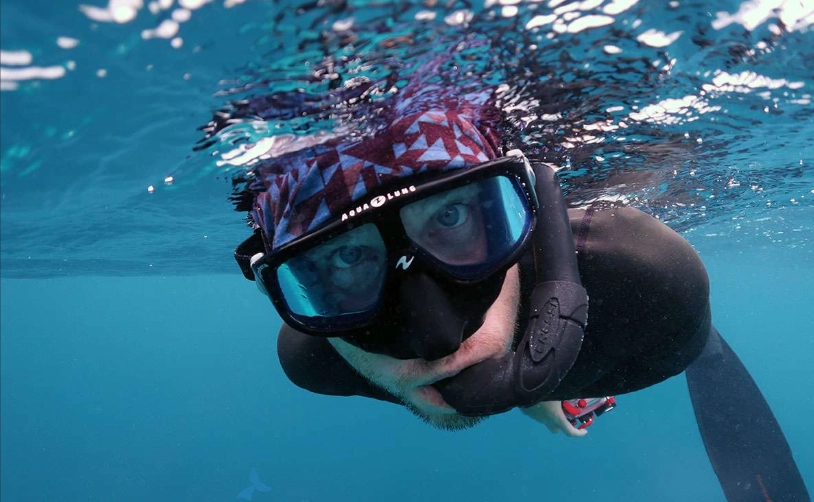
Pro Tip: Never buy a mask online without knowing if it fits. Visit a dive shop. Press the mask to your face without the strap. Inhale slightly through your nose. If it sticks and seals with no air leaking in, you've found a contender. Now put the strap on, not too tight. Look down. Does it still seal? That's your mask.
Safety & Comfort Essentials You Shouldn't Skip
Beyond the big three, a few items separate a good experience from a great one (and a safe one from a risky one).
Exposure Protection: It's Not Just About Warmth
Even in warm tropical water, you lose heat. A rash guard or a thin neoprene top (1-2mm) does three things: protects from sunburn (sunblock washes off), prevents chafing from your gear, and provides a tiny bit of buoyancy and warmth. For cooler waters, consider a full shorty wetsuit.
Flotation Device: The Unspoken Safety Net
Most beginners don't think they need this. They're wrong. Even a good swimmer can get tired or cramp up. A snorkeling vest (not a life jacket) is an inflatable bladder you wear. You can add a little air for extra buoyancy when you're tired or deflate it to dive down. It's not uncool; it's smart. Some destinations, like Hawaii's Hanauma Bay, even require them.
The Little Things That Make a Big Difference
- Defogger: Spit works, but a dedicated defog gel or liquid is more reliable and hygienic. Baby shampoo is a popular diver hack.
- Mesh Gear Bag: Lets your wet gear drain and dry, preventing that nasty mildew smell in your hotel room.
- Waterproof Sunscreen (Reef-Safe): Apply at least 30 minutes before entering the water. Many marine parks now mandate reef-safe formulas (no oxybenzone/octinoxate).
Watch Out: Avoid full-face snorkel masks, especially as a beginner. While popular, many safety experts, including the U.S. Coast Guard and organizations like the Divers Alert Network (DAN), have raised concerns about CO2 buildup and potential drowning risks if the design fails. Stick with the traditional separate mask and snorkel.
How to Choose a Snorkeling Mask That Doesn't Leak
The biggest mistake? Choosing a mask based on color or looks. Fit is everything. Here's what nobody tells you: facial hair and face shape matter more than brand.
If you have a pronounced brow or a narrow face, you might need a "low-volume" mask that sits closer to your eyes. These often have a smaller skirt footprint. For those with mustaches, a mask with a softer, wider skirt can sometimes conform better, but some leakage is often inevitable—a tiny dab of silicone grease (sold at dive shops) on the mustache line can help.
The lens should always be tempered glass. Period. Plastic scratches and distorts. A single lens gives a wider, uninterrupted view, while a two-lens mask often allows for prescription lens inserts if you need them.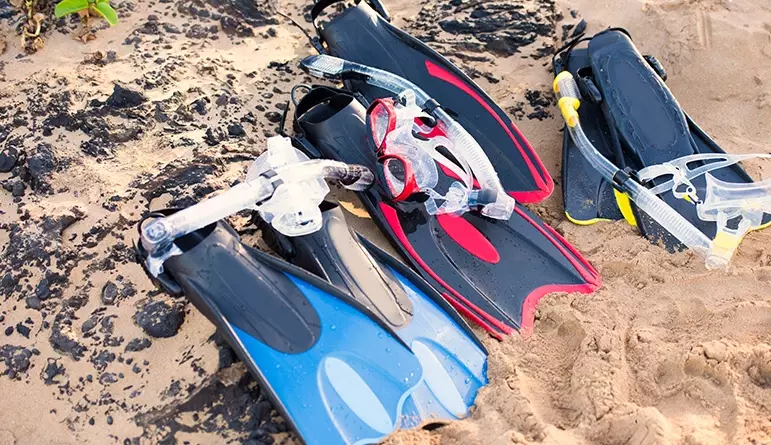
How to Choose Snorkeling Fins for Beginners
Forget power. Think comfort and efficiency. As a beginner, you're not fighting strong currents. You're kicking gently to move and observe.
Full-Foot Fins are the beginner's best friend. They slip on like a shoe. They're lighter, more comfortable for walking on the boat or beach, and perfect for warm water. The key is a flexible blade. Stiff fins will tire out your ankles and calves. You want fins that bend easily with a gentle kick.
Open-Heel Fins with boots are for colder water, rocky entries, or more advanced diving where you need extra power. They're overkill for most beginner snorkeling in tropical settings. Save them for later.
And ignore the split-fin hype for now. They're designed for a specific, efficient kicking technique that most beginners haven't developed.
The Rent vs. Buy Decision for Beginners
Let's get practical. You're going on one trip. Should you buy or rent?
Buy the mask and snorkel. The cost for a decent set is $60-$120. Renting might cost $10-$20 per day. Over a week, you've almost paid for your own. More importantly, you have a guaranteed fit and hygiene. Pack them in your carry-on.
Rent the fins and exposure suit. Fins are bulky. If you're only snorkeling once a year, renting saves luggage space and upfront cost. Just make sure the rental fins fit well—they should be snug but not cramping your toes. Try them on land before you get in the water.
Buy the accessories. Defogger, a good rash guard, a mesh bag. These are cheap, pack small, and significantly improve your experience.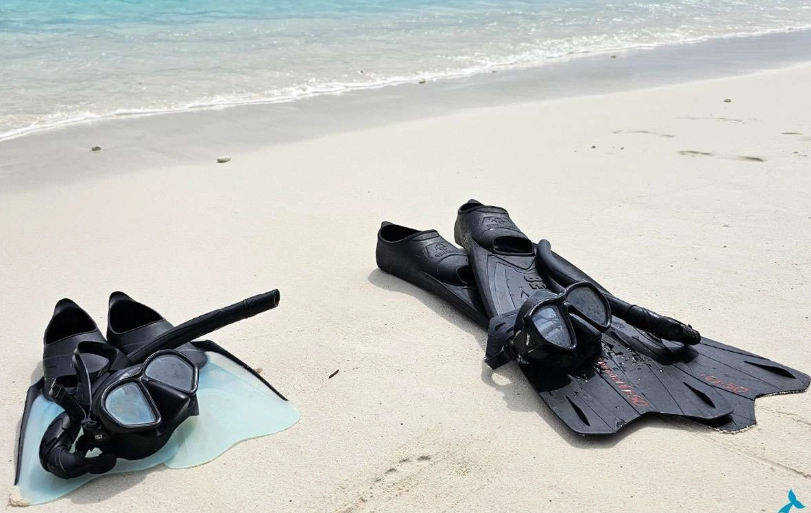
Your Snorkeling Gear Questions Answered
 Are there any eco-friendly snorkeling gear choices I should consider?
Reader Comments