In This Guide: Your Snorkeling Safety Roadmap
You're planning a trip to Hawaii, looking at pictures of those unbelievably clear waters and colorful fish, and the question pops into your head: is snorkeling safe in Hawaii? I get it. I asked myself the same thing before my first trip. The ocean is powerful, you see warnings, and maybe you're not a super strong swimmer. Let's cut to the chase.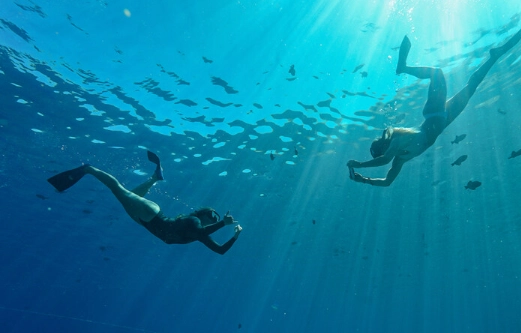
The short answer is yes, snorkeling in Hawaii can be very safe. But—and this is a huge but—it's safe if you respect the ocean, know your limits, and pick the right spot. It's not safe if you just jump in anywhere with no clue about the conditions. I've had blissful, easy days floating with sea turtles, and I've also gotten myself into a couple of sketchy situations that taught me some serious lessons. This guide isn't just theory; it's the stuff I wish I knew.
Why People Worry: The Real Risks of Snorkeling in Hawaii
Let's not sugarcoat it. The ocean has hazards. Ignoring them is how people get hurt. Understanding them is how you stay safe. When you ask "is snorkeling safe in Hawaii," these are the main things you're probably worried about: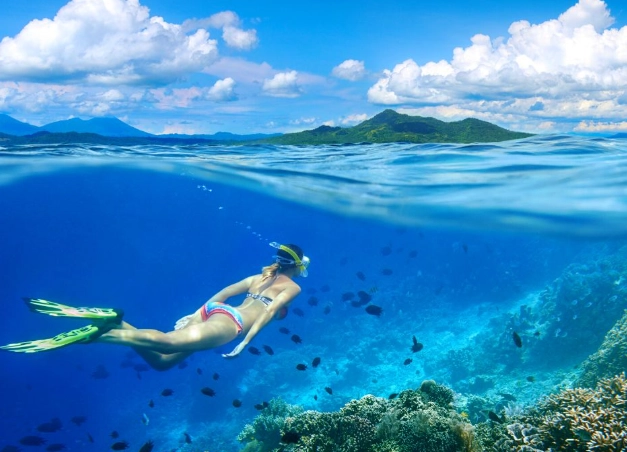
Ocean Conditions: Currents, Waves, and Weather
This is the big one. Hawaii's shores can change from calm to rough in what feels like minutes. Strong currents, like rip currents, can pull you away from shore. High surf, especially on north and west shores in winter, can slam you into rocks or the seabed. A sunny morning can turn into a windy, choppy afternoon.
I remember one time at a spot on Oahu's North Shore (in summer, thankfully, when it's calmer). The water was a bit murky, and I didn't think much of it. A small set of waves came through that I wasn't expecting, and I got a mouthful of saltwater and my mask knocked sideways. It was more startling than dangerous, but it drove the point home: always look up from the fish.
Marine Life Encounters
Everyone thinks about sharks. The reality? Shark attacks in Hawaii are incredibly rare. The Hawaii Department of Land and Natural Resources has tons of data showing you're more likely to get hurt driving to the beach. Honestly, you'll probably never see one.
More common annoyances? Sea urchins (don't step on them, their spines break off in your skin and hurt for days), jellyfish (sometimes they have influxes, called "box jellyfish days," often around the full moon), and coral. Coral is living, it's sharp, and touching it damages it and can give you a nasty cut that gets infected easily. Just look, don't touch.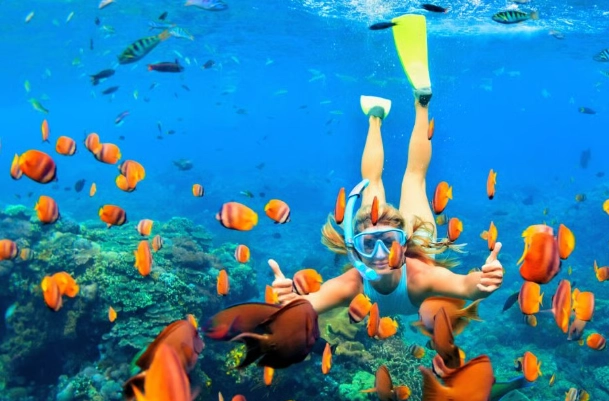
Snorkeling Gear & Physical Health
Cheap, leaky masks that fog up instantly. Snorkels that let water in. Fins that are too tight. All of these can turn a fun trip into a stressful one. Then there's your own body. Snorkeling is more tiring than it looks. Strong currents will exhaust you fast. And a surprising number of serious incidents are related to pre-existing heart or respiratory conditions, exacerbated by the exertion and sometimes by poorly fitting full-face snorkel masks that can limit proper air exchange. The CDC has guidance on healthy swimming that's worth a glance.
Here’s a quick table breaking down the common hazards, their likelihood, and how to handle them:
| Hazard | Risk Level | What It Looks Like | Your Best Defense |
|---|---|---|---|
| Rip Currents | Medium (location/weather dependent) | A channel of churning, choppy water moving seaward. Can look calmer between breaking waves. | Don't panic. Don't swim against it. Swim parallel to shore to escape its pull, then back in. |
| High Surf & Shorebreak | Medium-High (seasonal) | Large waves breaking directly on the sand. Common on north shores in winter. | Check surf forecasts. Avoid snorkeling in shorebreak areas. Enter/exit where waves aren't breaking. |
| Coral Cuts/Sea Urchins | High (if careless) | Sharp, rocky reef close to the surface. Black or red spines in clusters. | Never stand where you can't see the bottom. Wear reef shoes if entering from rocky shore. Float horizontally. |
| Jellyfish (Box Jellyfish) | Low-Medium (predictable influxes) | Clear, bell-shaped jellyfish, often 8-10 days after a full moon. | Check local warnings. DLNR websites often post alerts. Vinegar helps stings. |
| Dehydration/Exhaustion | High (often overlooked) | Leg cramps, dizziness, headache. Feeling unusually tired while swimming. | Drink water before you go out. Use a flotation device if you're not a strong swimmer. Know when to turn back. |
| Gear Failure | Medium | Leaky mask, broken fin strap, snorkel valve stuck. | Test gear in shallow water first. Consider renting from a reputable dive shop instead of using cheap sets. |
The Safety Spectrum: Where is Snorkeling Safest in Hawaii?
Not all spots are created equal. Hawaii has world-class, protected marine life conservation districts that are basically designed for safe snorkeling. Choosing one of these for your first few outings is the smartest move you can make.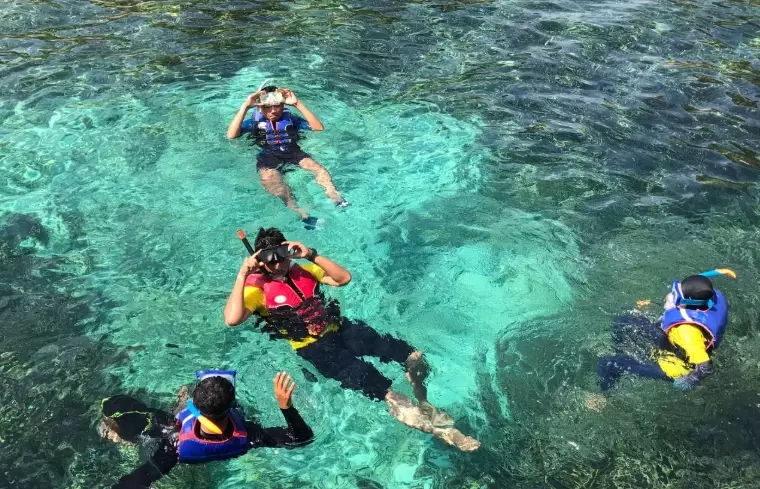
If you only remember one thing: go where the lifeguards are.
Lifeguarded beaches are your best friend. They monitor conditions, post warning flags, and are there to help. The state's Office of Conservation and Coastal Lands helps manage many of these areas. Here’s my take on some of the top spots, ranked by their general suitability for beginners and families wondering if snorkeling is safe in Hawaii.
Top Tier (Calm, Managed, Beginner-Friendly)
Hanauma Bay (Oahu): Yes, it's famous and requires a reservation, but there's a reason. It's a protected volcanic crater. The reef is way out, creating a huge, shallow, calm basin. There's a mandatory safety video, lifeguards, and tons of fish because feeding was once allowed (don't feed them now!). It gets crowded, but for sheer ease and guaranteed sea life, it's top. Go early.
Kahalu'u Bay (Big Island): My personal favorite for a stress-free day. In Kona, it's a small, protected bay with a rock wall breaking the surf. The water is shallow, the reef is rich, and sea turtles are almost always there napping on the sand. There's even a snorkel rental and info shack run by the Kahalu'u Bay Education Center. Parking is tough, but it's worth it.
Kapalua Bay & Napili Bay (Maui): Picture-postcard crescent beaches with gentle slopes and reefs on both sides. The bays are naturally sheltered, making the water usually as smooth as a lake. Great for first-timers and kids. Parking can be a scramble.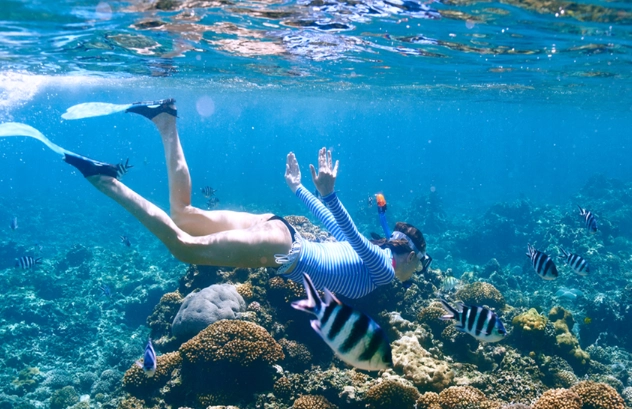
Second Tier (Amazing, But Require More Awareness)
Kealakekua Bay (Big Island): The water clarity here is insane. It's a marine life sanctuary. However, the main snorkeling area is at the Captain Cook monument, which is either a steep hike down, a kayak trip, or a boat ride away. Boat tours are a great option here—they provide gear, guidance, and flotation. The bay itself is usually calm, but you're farther from immediate help if you go on your own.
Molokini Crater (Maui): This is a boat trip. It's a crescent-shaped crater offshore, with phenomenal visibility and fish diversity. The back wall is for advanced divers, but the inside is shallow and calm. Safety comes from going with a reputable tour company. They'll handle everything. This is the answer to "is snorkeling safe in Hawaii" if you're willing to pay for a guided experience.
Poipu Beach (Kauai): Has a protected, roped-off wading area called the "Baby Beach" that's great for little kids. The main snorkeling is around the rock breakwall to the left (facing the ocean), which can have some current. Watch for surf conditions here.
Spots to Avoid as a Beginner
Just so you know what to steer clear of: North Shore Oahu in winter (Waimea Bay, Pipeline), any beach with huge waves breaking on shore, and remote, rocky coves with no easy water entry/exit. Also, any place where the water looks murky or churned up—that usually means surge and poor visibility.
Your Pre-Snorkel Safety Checklist: Don't Skip This
Making snorkeling safe in Hawaii is about preparation. Run through this list before you even put your toes in the water.
- Check Conditions: Look at the National Weather Service surf forecast for your island. Check the sign at the lifeguard stand for hazard flags (red=yellow=caution, red=high hazard, black=closed).
- Pick Your Spot: Choose a lifeguarded, protected bay for your first time. Save the adventure for later.
- Buddy Up: Never snorkel alone. Ever. Something as simple as a leg cramp can become serious if you're by yourself.
- Test Your Gear: In knee-deep water, make sure your mask seals (press it to your face without the strap, inhale slightly—it should stick). Practice clearing your snorkel. Get comfortable.
- Plan Your Entry/Exit: Look for the calmest path into the water, away from breaking waves. Identify your exit point before you go in.
- Hydrate & Sun Protection: Drink a big bottle of water. Apply reef-safe sunscreen (Hawaii law!) 15 minutes before getting in. Consider a rash guard—it protects from sun and jellyfish stings.
- Use a Flotation Device: If you're not a strong swimmer or just want to conserve energy, use a snorkel vest, a pull buoy, or even a pool noodle. No shame in it. It lets you relax and enjoy the view.
Answering Your Big Questions: Hawaii Snorkeling Safety FAQ
Is snorkeling safe in Hawaii for non-swimmers?
This is tricky. The safest answer is: only in extremely controlled environments and with a proper flotation aid that you know how to use. A shallow, protected cove like Kahalu'u Bay where you can stand up in most places, combined with a life jacket, could be okay. But if you panic with your face in the water, it's not for you. Consider a glass-bottom boat tour or a submarine tour instead—you'll see amazing things without getting wet.
Is snorkeling safe in Hawaii for kids?
Absolutely, one of the best family activities! But start them in a swimming pool with gear first. Get them used to breathing through the snorkel. In Hawaii, stick to the most protected "baby beaches" or shallow bays. Always be within arm's reach. A flotation vest is mandatory in my book. And keep sessions short—kids get cold and bored faster than you think.
Are there seasons when snorkeling is safer?
Yes. Generally, summer (May-September) brings calmer conditions to most south and west shores. Winter (October-April) brings bigger surf to north and west shores, but south shores often become calmer. So you can always find a safe leeward (downwind) shore. Winter is also the humpback whale season, which is a bonus from the surface!
What about snorkeling from a boat vs. shore?
Shore snorkeling gives you control—you can go at your own pace, rest on the beach, and it's usually free. Boat snorkeling, if it's with a good operator, provides huge safety advantages: professionals choose the safest spot that day, provide high-quality gear, give briefings, and have crew in the water. It's often the best way to access pristine, less crowded areas. For your first time, a reputable boat tour can be a fantastic, safe introduction.
I've heard about snorkeling-related fatalities. What causes them?
This is the sobering part, and why this guide matters. Most incidents aren't about shark attacks. According to studies and water safety officials, many involve older individuals with pre-existing heart conditions. The exertion of swimming, sometimes against a current, combined with the respiratory effects of some snorkel equipment, can trigger a cardiac event. Other causes are drowning due to panic, exhaustion, or being caught in hazardous ocean conditions. This is why knowing your physical limits, using a flotation aid, and choosing calm conditions are not just suggestions—they're critical.
Final Thoughts: Making Your Snorkeling Adventure Safe & Unforgettable
So, is snorkeling safe in Hawaii? I hope you see now that it's the wrong question. The right question is: how do I make my snorkeling trip safe?
It's about being an informed participant, not just a passive tourist. It's choosing the mellow bay over the dramatic, rocky point. It's renting gear from the dive shop where they'll fit you properly, not buying the $20 set from the ABC Store. It's listening to the lifeguard when they say the current is strong today. It's putting on the snorkel vest even if you feel a little silly.
The payoff is immense. Floating weightlessly over a garden of coral, watching a turtle glide beneath you, seeing a school of brilliant yellow tangs part around you—these are the moments you go to Hawaii for. It's magic. And the safer you are, the more you can relax and soak in that magic.
Respect the ocean. Prepare properly. Start easy.
Do that, and you'll answer the question "is snorkeling safe in Hawaii" with a confident, happy yes. Now go make some memories.
Reader Comments