Quick Guide
Let's be honest, planning a trip to the Bahamas for snorkeling can feel a bit like gambling if you don't know the seasons. You book your flights, dream of crystal-clear water, and then you show up and it's windy, the water's choppy, or worse—you can't see a thing. I've been there. A few years back, I went in August, lured by cheaper flights, and spent half the time watching rain from my hotel room instead of fish. Not ideal.
So, let's cut through the generic "it's always good" advice. The truth is, while you can technically snorkel year-round in the Bahamas, some months deliver a consistently phenomenal experience, while others come with trade-offs you need to know about. Answering "what months are best to snorkel in the Bahamas?" isn't just about picking a date; it's about matching the conditions to what you want out of your trip. Do you crave absolute calm, glassy water? Are you on a tight budget? Dreaming of swimming with a specific creature? The "best" month changes depending on your answer.
This guide is built from a mix of personal trips, chats with local dive shop operators in Nassau and Exuma, and cross-referencing reliable weather data. We're going month-by-month, no fluff, so you can see exactly what you're signing up for.
The Big Picture: Bahamas Snorkeling Climate 101
The Bahamas sits in the Atlantic, not the Caribbean Sea, which actually matters for weather patterns. It has a subtropical climate with two main seasons that dictate everything about your snorkel trip: water clarity, sea conditions, and what you'll see.
The dry season, roughly from late November through April, is what most tourist brochures feature. Think sunny days, lower humidity, and less rainfall. The wet season, from May through October, is warmer, more humid, and has a higher chance of tropical showers or storms. But here's the kicker—the wet season often has the warmest, calmest water. It's all about trade-offs.
Water temperature barely dips below 74°F (23°C) in the winter and can reach a bath-like 86°F (30°C) in the summer. Visibility, that magical factor for snorkelers, is generally excellent (often 100+ feet) but can be affected by wind, plankton blooms, and runoff after heavy rain.
A Detailed Month-by-Month Breakdown
Let's get into the nitty-gritty. This table gives you the quick snapshot, but read on for the real story behind each period.
| Month | Weather & Sea | Water Temp (°F / °C) | What You'll See | Crowds & Notes |
|---|---|---|---|---|
| December - February | Mild, dry, can be windy (Christmas Winds). Sea can be choppy. | 74-78°F / 23-26°C | Eagle rays, reef sharks, migrating pelagics. Excellent visibility. | Peak tourist season. Prices highest. North sides of islands may be rough. |
| March - April | Near-perfect. Warm, dry, winds calming down. | 76-80°F / 24-27°C | Turtles, nurse sharks, vibrant coral spawning (Apr). Top visibility. | Still busy (Spring Break). Arguably the overall best balance. |
| May - June | Transition. Warming up, humidity rises. Short showers possible. Seas generally calm. | 80-84°F / 27-29°C | Dolphin sightings increase. Reef life very active. Coral spawning (May-Jun). | Crowds thin. A sweet spot before summer heat. Great value. |
| July - August | Hot, humid. Afternoon thunderstorms possible. Atlantic hurricane season starts (June 1). Water often very flat. | 84-86°F / 29-30°C | Abundant reef fish, juvenile species. Whale sharks possible (rare). | Family vacation peak. Risk of storms. South/west sides best if wind. |
| September - October | Peak of hurricane season. Can be wet & windy. Highest storm risk. | 82-84°F / 28-29°C | Still good reef life. Less predictable for offshore trips. | Lowest crowds & prices. Significant travel disruption risk. |
| November | Weather stabilizing. Cooling down. Winds picking up towards end. | 78-82°F / 26-28°C | Return of larger marine life. Visibility improving. | A great shoulder month. Crowds building for holidays. |
The Winter Window (December - February)
This is peak season for a reason—the weather is reliably sunny and pleasant. But for snorkelers, it's a mixed bag. The water is at its coolest. You'll likely want a thin shorty wetsuit, especially if you plan long sessions. I find most rental shops have them, but it's an extra cost and hassle.
The bigger issue is the wind. The so-called "Christmas Winds" can blow consistently, making the sea choppy, particularly on the Atlantic (north and east) sides of the islands. This can mean reduced visibility due to stirred-up sand and less comfortable boat rides. Sites on the leeward (south/west) sides become your best friends. On the plus side, this is a great time for seeing bigger animals. The cooler, nutrient-rich water attracts pelagic species. You might spot majestic eagle rays gliding by or even the occasional hammerhead shark in deeper channels.
So, is this the best time to snorkel in the Bahamas? If you dislike humidity, don't mind cooler water, and are okay with seeking out sheltered spots, it can be wonderful. If you get cold easily or get seasick, maybe not.
The Spring Sweet Spot (March - April)
Ah, spring. In my opinion, this is the closest thing to a universal answer for what months are best to snorkel in the Bahamas. The winter winds have usually settled down, the water is warming up nicely, and the rainy season is still months away. Visibility is typically stellar—think endless blue.
Marine life is incredibly active. Sea turtles are commonly seen grazing on seagrass beds. Nurse sharks are frequent lazy residents under docks and in shallow sandbars. If you're lucky enough to be in the water around a full moon in April or May, you might witness the surreal, synchronized spawning of certain corals—an underwater snowstorm.
The downside? Everyone else thinks it's the best time too. Spring break crowds can inflate prices and book out popular tours. You need to plan and book well in advance. But for guaranteed good conditions, it's hard to beat.
The Early Summer Value Play (May - June)
This is a seriously underrated period. The crowds from spring break have dissipated, but the oppressive heat and peak storm season of late summer haven't arrived. The water is deliciously warm, and the ocean is often as calm as a lake. Short, passing showers are possible, but they usually clear quickly.
This is a prime time for dolphin encounters. Boat captains often know pods that are more active and curious during these months. The reefs are teeming with life, and you might catch later coral spawning events. For someone asking what months are best to snorkel in the Bahamas on a budget while still getting great conditions, May and June are a top contender.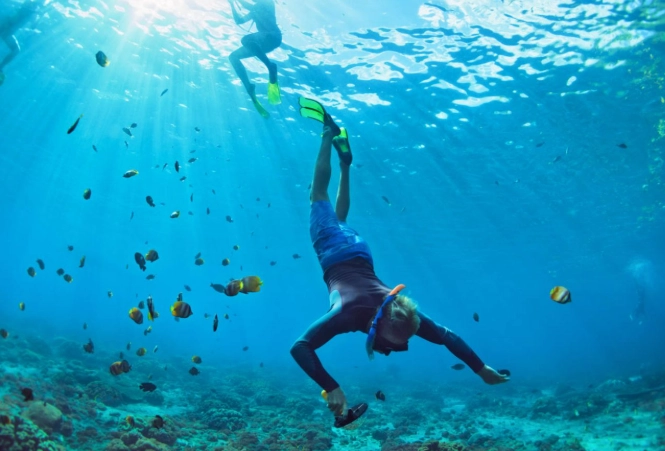
You just need to be mentally prepared for more humidity and a slightly higher chance of a rainout day than in spring.
The Deep Summer Rollercoaster (July - August)
This is the high-risk, high-reward season. The water is so warm it feels like a bath—no wetsuit even a consideration. The sea can be incredibly flat, making for easy swimming and crystal-clear conditions... when it's good.
The "when it's good" is the crucial part. This is the heart of the Atlantic hurricane season. While major hurricanes are (thankfully) rare, the statistical risk of a tropical storm disrupting your trip is real. You also get more frequent, though usually brief, afternoon thunderstorms. These can churn up visibility near shore. I learned this the hard way on that August trip; a few days of stormy weather turned my prime snorkeling bay into murky soup.
On the flip side, if you hit a clear week, the snorkeling is sublime. Reefs are bustling with activity. And for the adventurous, this is the time when massive whale sharks are occasionally spotted in the deeper waters of places like Tiger Beach near Grand Bahama, though seeing one is never guaranteed.
The Fall Gamble (September - October)
Let's be direct: September and October are the most challenging months for planning a snorkel trip. They represent the peak of hurricane season. The potential rewards are the absolute lowest prices and having famous spots almost to yourself. The risk is having your entire trip canceled or spending it indoors.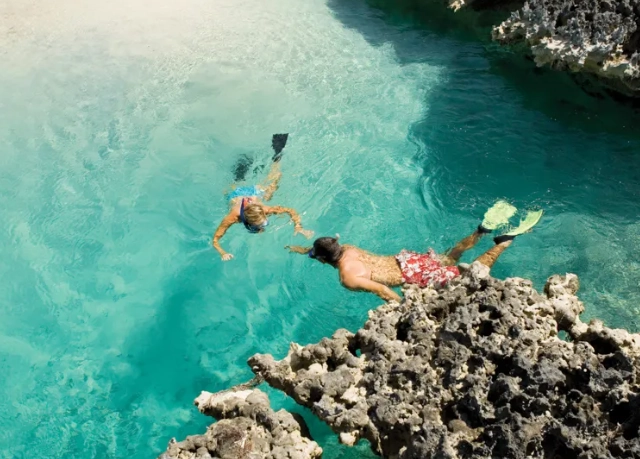
The water is still warm, and marine life is still there. But boat operators may be more cautious about going out, and weather patterns are less stable. If you have infinite schedule flexibility and can book a last-minute trip when the weather looks clear, you could score an amazing deal. For most people with fixed vacation dates, this is the most stressful answer to "what months are best to snorkel in the Bahamas?"
The November Comeback
November is like a deep breath of fresh air after the turbulent fall. The storm threat diminishes significantly, especially in the latter half. The weather stabilizes, though you might see some of the winter winds starting to kick in by late November. The summer crowds are long gone, and the holiday rush hasn't begun.
It's a fantastic shoulder month. The water is still very warm from the summer, and as conditions settle, visibility returns to its glorious norm. It's a transition period for marine life too, as larger species start moving back into the area. A solid, often overlooked choice.
So, What *Are* the Best Months to Snorkel in the Bahamas? The Final Rankings
Based on consistency, conditions, and overall experience, here’s my personal ranking for different types of snorkelers. Think of it as your cheat sheet.
For First-Timers & Guaranteed Ease: March, April, and May. You're paying for peace of mind. Calm seas, warm water, great visibility. It just works.
For Budget-Conscious Travelers: May, June, and November. You sidestep the peak season price surge but still get largely excellent conditions. June might be the best value of the year.
For Warm Water Lovers & Advanced Planners: July and August (with a giant asterisk). If you can book last-minute with flexible dates, or you don't mind the storm risk and have insurance, the water conditions can be perfect. For a fixed-date trip, the anxiety might not be worth it.
For Wildlife Enthusiasts: December-February for big pelagics and sharks. April-May for turtles and coral spawning. May-June for dolphins.
Months I'd Generally Advise Against for a Snorkel-Focused Trip: September and October. The value is tempting, but the high risk of disruption makes it a hard sell unless you're truly gambling.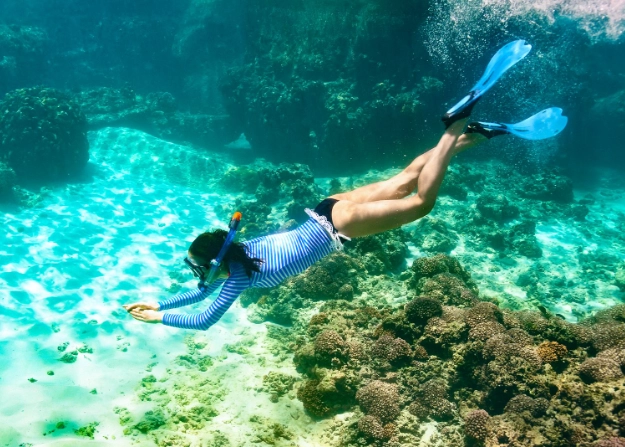
Beyond the Calendar: Other Factors That Change the "Best" Time
Picking a month is half the battle. Where you go in the Bahamas makes a huge difference.
Best Islands for Specific Conditions
- If you're going in windy winter months (Dec-Feb): Head to the Exumas or the Abacos. Their extensive networks of cays provide countless sheltered "banks" sides with calm, shallow water perfect for snorkeling regardless of Atlantic swell. The Bight of the Abaco is famously protected.
- If you're going in the calm summer months (Jun-Aug): This is when you can explore the Atlantic-facing sides more reliably. Islands like Eleuthera or Long Island have incredible ocean-side reefs that are accessible in the summer flat spells.
- For consistent visibility year-round: The remote Turks and Caicos (geographically similar) or the Exuma Cays Land and Sea Park are protected and tend to have phenomenal visibility even when other areas are less clear.
Tides and Time of Day
This is a micro-factor that beginners miss. A slack high tide is often the best time to snorkel a specific site. The water is deeper over the reef (less chance of kicking coral), the current is minimal, and visibility can be better. For mangrove or creek snorkels (like at Lucayan National Park on Grand Bahama), low tide can concentrate fish in deeper pools. Always ask your local guide for the ideal tide for that day's sites.
Your Pre-Trip Snorkel Checklist
Once you've decided on the best months to snorkel in the Bahamas for you, get the details right.
- Gear: Most operators provide mask, snorkel, fins. If you're fussy (or wear glasses), bring your own mask. Defogger is a lifesaver. A rash guard or UV shirt is essential for sun protection—the sun is brutal reflected off the water.
- Fitness: Snorkeling is not just floating. Some sites have currents. Being a confident, relaxed swimmer will exponentially increase your enjoyment and safety.
- Eco-Etiquette: Never stand on or touch coral. It's living, fragile, and takes centuries to grow. Don't chase or harass marine life. Use reef-safe sunscreen (mineral-based). Many areas, like the national parks, legally require it.
- Booking Tours: Read recent reviews. Smaller operators often provide better experiences than crowded party boats. Ask specifically about the sites they visit and if they're appropriate for your skill level.
Frequently Asked Questions (FAQs)

- Exuma Cays Land and Sea Park: A protected, no-take zone teeming with fish. The reef at O'Brien's Cay (with the underwater statue) is iconic.
- Thunderball Grotto (Exuma): Made famous by James Bond, an incredible cave system you snorkel into at low tide.
- Long Island: Features the stunning Dean's Blue Hole, the world's second-deepest saltwater blue hole (a dramatic experience for confident snorkelers).
- The reefs off Grand Bahama, like at Lucayan National Park, offer beautiful coral canyons.
Look, I've over-analyzed this to death for you. But here's the real secret I learned after all my trips: there's no such thing as a *bad* day on the water in the Bahamas. Even on that rainy August trip, there was one afternoon when the sun broke through, the water cleared, and I spent an hour following a curious green turtle. It was magic.
So use this guide to stack the odds in your favor. Aim for April if you can swing it. Consider June for a killer deal. But don't let perfect be the enemy of the good. Book the trip, get in the water, and just look down. You'll figure out the answer to "what months are best to snorkel in the Bahamas?" for yourself, one fin kick at a time.
Reader Comments