Quick Navigation
- Why the Red Sea is a Snorkeler's Dream (And a Bit of Reality)
- Top Spots for the Best Snorkeling in Egypt Red Sea: A Breakdown
- When to Go: Timing Your Best Red Sea Snorkeling Trip
- Gear You Actually Need (And What to Skip)
- Safety, Ethics, and Not Being "That" Snorkeler
- Choosing a Tour Operator: Red Flags and Green Flags
- Final Thoughts: Making It Your Best Trip
- Your Burning Questions Answered (FAQs)
Let's cut right to the chase. You're thinking about snorkeling in the Red Sea, and you've heard it's world-class. You're right. But with over a thousand miles of Egyptian coastline, figuring out where to go for the best snorkeling in Egypt Red Sea can feel overwhelming. Is it Sharm El Sheikh? Hurghada? Some hidden spot only locals know?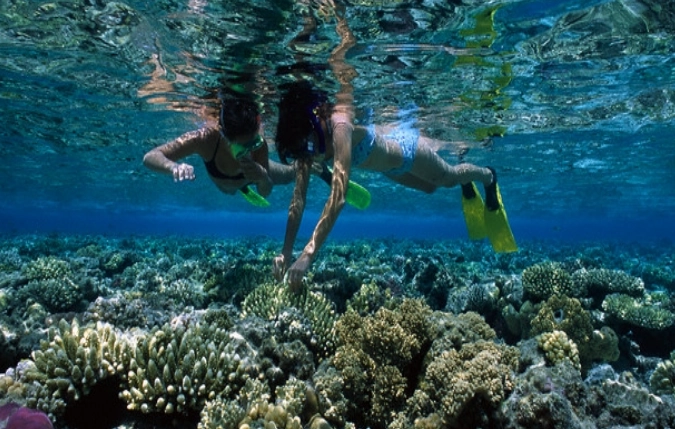
I've spent more time floating face-down in these waters than I care to admit, chasing fish and getting sunburned on my back. I've had brilliant days and a few disappointing ones (usually involving overcrowded boats). This guide isn't a list copied from a brochure. It's a distilled, honest look at where you'll find the most incredible underwater scenes, how to get there, and how to do it without harming the very reefs you came to see.
Why the Red Sea is a Snorkeler's Dream (And a Bit of Reality)
The hype is real, but let's understand why. The Red Sea is basically a giant, warm, sunny aquarium. It's isolated from other oceans, which led to crazy levels of endemic species—creatures you won't find anywhere else on Earth. The water is famously clear, with visibility often stretching 30-40 meters. Plus, the shallow reefs start right off the beach in many places. You don't always need a boat.
But here's the reality check. Not every spot is created equal. Some areas have suffered from overtourism. Others are simply more suited to scuba diving. The quest for the best snorkeling in the Egyptian Red Sea is about matching the spot to what you want: vibrant coral gardens, big fish action, calm water, or easy access.
Top Spots for the Best Snorkeling in Egypt Red Sea: A Breakdown
Forget a simple ranked list. Different spots serve different purposes. Here’s a detailed comparison to help you decide.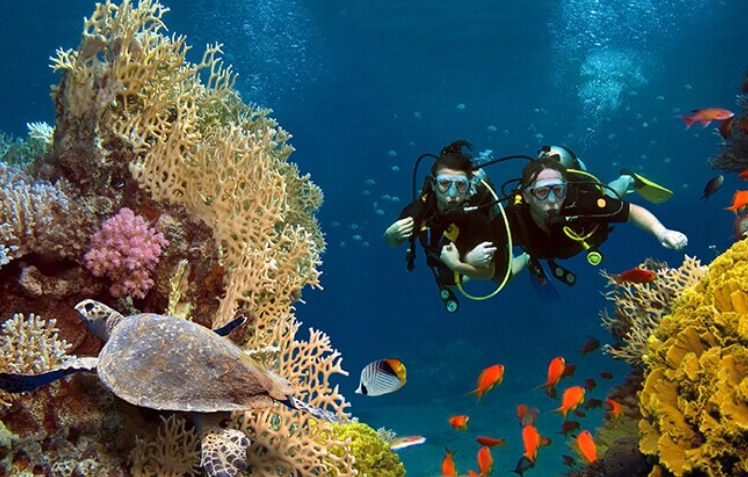
| Location | Main Vibe & Best For | How to Access the Reef | The Snorkeling Highlight | Watch Out For |
|---|---|---|---|---|
| Ras Mohammed National Park (Sharm) | Pristine, protected marine park. Best for untouched coral formations and pelagic life. The gold standard. | Boat trip only (full or half-day safari). Shore access is extremely limited. | Shark Reef & Yolanda Reef. Walls drop into the deep blue, attracting sharks, turtles, and huge schools. | Can be choppy. Strong currents sometimes. It's a national park with strict rules (good thing!). |
| Hurghada & The Giftun Islands | The classic day-trip zone. Reliable, good variety, tons of boat operators. Great for first-timers. | Countless daily boats from Hurghada marina to Giftun, Abu Ramada, etc. | Giftun Island reefs. Easy, colorful coral gardens teeming with anthias, parrotfish, sometimes dolphins. | Can feel like a conveyor belt. Pick your boat carefully to avoid the crowded, party-focused ones. |
| Sharm El Sheikh (Local Reefs) | Unbeatable convenience. Shore snorkeling from hotels or public access points. | Walk straight in from beaches like Ras Um Sid, Far Garden, or Naama Bay. | Ras Um Sid. A house reef with dramatic drop-offs right off the rocks. Eels, turtles, great coral. | Some shore entries are rocky. Coral can be damaged near major hotel areas. |
| Dahab (The Blue Hole & Beyond) | Chilled-out, Bedouin vibe. More adventurous snorkeling along dramatic canyon walls. | Shore entries, but some sites require a short drive up the coast. | The Blue Hole (perimeter) & The Canyon. Unique geological formations. Not just a dive site! | The Blue Hole itself is for diving. Snorkel the edges. Currents can be strong at some sites. |
| Marsa Alam & The Deep South | Remote, quieter, wilder. The frontier for dugongs and pristine reefs. | Longer drives/boat rides. Often part of liveaboard itineraries or longer stays. | Samadai Reef (Dolphin House). Chance to snorkel with spinner dolphins in their resting bay. | Limited infrastructure. Less choice for day boats. Best as part of a dedicated trip. |
Going Deeper on the Top Contenders
Ras Mohammed National Park: The Crown Jewel
This isn't just another snorkeling spot. It's a fully protected marine park, managed by the Egyptian Environmental Affairs Agency. The rules mean no fishing, no touching, and limited access. The result? The coral looks healthier, the fish are less skittish, and the feeling is wilder.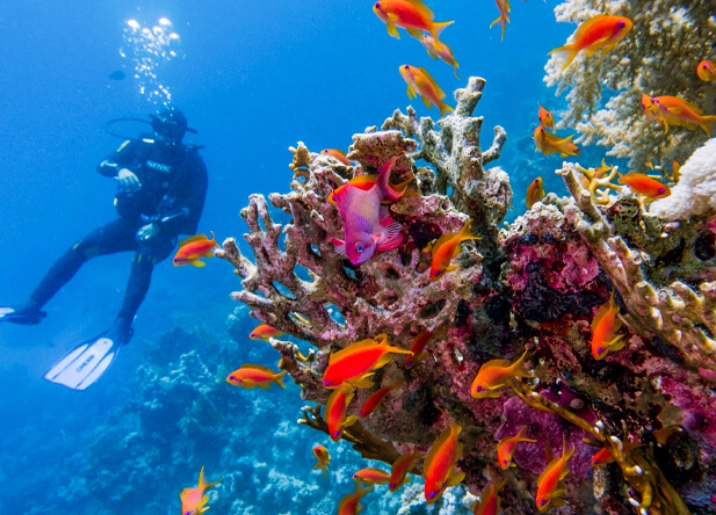
Boat trips here are an all-day affair. You'll typically visit 2-3 different reef sites within the park. Shark Reef is the superstar. You snorkel along a wall that plummets into the deep. Look down into that blue and you might see a white-tip reef shark cruising below, or a massive Napoleon wrasse. It's exhilarating. The park's official website has info on regulations, which is a good primer on why these rules matter.
The Hurghada Archipelago: A Smorgasbord of Reefs
Hurghada itself is a busy resort town. The magic happens offshore. The Giftun Islands are the main draw, but there are dozens of named reefs. A standard day trip will hit two different reefs, include lunch, and offer plenty of snorkeling time.
The quality is consistently very good. You'll see stunning soft corals (like the iconic anemone cities), hard coral tables, and every color of fish imaginable. It's arguably the most accessible and reliable way to get great Red Sea snorkeling. But "reliable" can sometimes mean "routine." If you're looking for that jaw-dropping, untouched feel, you might find it a bit packaged.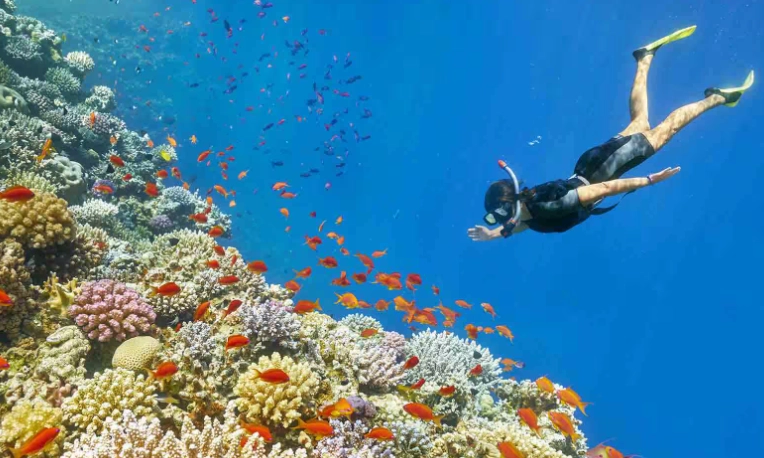
How do you find the best snorkeling tours from Hurghada? Avoid the cheapest option. Ask questions: How many snorkeling stops? How many people on the boat? Is there a marine biologist or knowledgeable guide? A good operator makes all the difference.
Sharm El Sheikh's House Reefs: The Ultimate Convenience
This is a game-changer. Staying at a hotel with a decent house reef means unlimited, free snorkeling right from your sunbed. You can go for 20 minutes at sunrise, see something cool, and be back for breakfast. The stress of organizing boats vanishes.
Hotels in Naama Bay, Sharks Bay, and Ras Um Sid often have the best direct access. Some even have jetty's leading out to deeper water. I've spent whole afternoons just hovering over a single coral head in Ras Um Sid, watching the comings and goings of the resident fish community. It's a more intimate kind of snorkeling.
When to Go: Timing Your Best Red Sea Snorkeling Trip
The Red Sea is a year-round destination, but seasons matter for comfort and what you see.
- Peak Season (April - June, September - November): Sweet spot. Air temps are warm (25-30°C), water is warm (24-28°C), and the winds are generally calm. Visibility is usually stellar. This is my recommended window.
- Hot Season (July - August): It's hot on land (35°C+). Water is like a bath (29°C+). Great for warmth, but the heat can be exhausting, and there's a higher chance of jellyfish (mostly harmless).
- Cool Season (December - March): Water can dip to 21-22°C. You'll want a wetsuit top or shorty, especially for longer sessions. Air temps are pleasant (20-25°C). Fewer tourists and lower prices are the big draws.
Gear You Actually Need (And What to Skip)
You can rent everything, but bringing a few key items elevates the experience.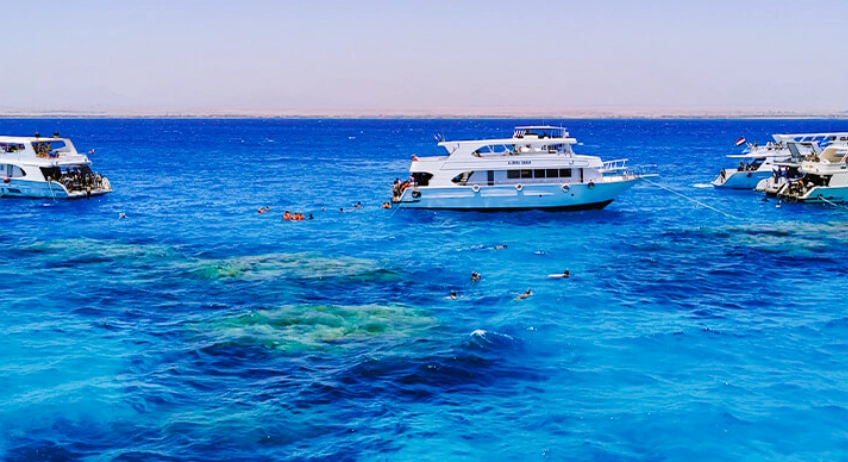
The Non-Negotiables
- Your Own Mask & Snorkel: This is rule #1. A leaky, foggy rental mask ruins everything. A properly fitted mask makes you want to stay in the water for hours. Get a dry-top snorkel too—no more swallowing water when a wave passes.
- Reef-Safe Sunscreen: Not a suggestion, a responsibility. Chemicals in regular sunscreen (oxybenzone, octinoxate) bleach and kill coral. Look for mineral-based (zinc oxide, titanium dioxide) formulas labeled "Reef Safe." The Hurghada Environmental Protection and Conservation Association (HEPCA) has been vocal about this issue. Slather it on 30 minutes before you get in the water.
- Rash Guard or UV Shirt: Protects your back from the savage sun and from accidental scrapes on coral. More effective and eco-friendly than sunscreen alone.
The "Nice-to-Haves"
- Snorkeling Vest: Not just for weak swimmers. It provides buoyancy so you can relax and look down without fighting to stay afloat. Saves energy, lets you snorkel longer.
- Aqua Shoes/Reef Booties: Essential for rocky shore entries (like in Dahab or some Sharm spots). Protect your feet from urchins and sharp coral.
- Underwater Camera: A GoPro or cheap waterproof case for your phone. Memories fade, but that video of the turtle doesn't.
Fins are usually fine to rent, but if you have odd-sized feet, bring your own. Avoid full-foot fins if you'll be doing any shore walking in them.
Safety, Ethics, and Not Being "That" Snorkeler
Snorkeling is safe, but the ocean has rules.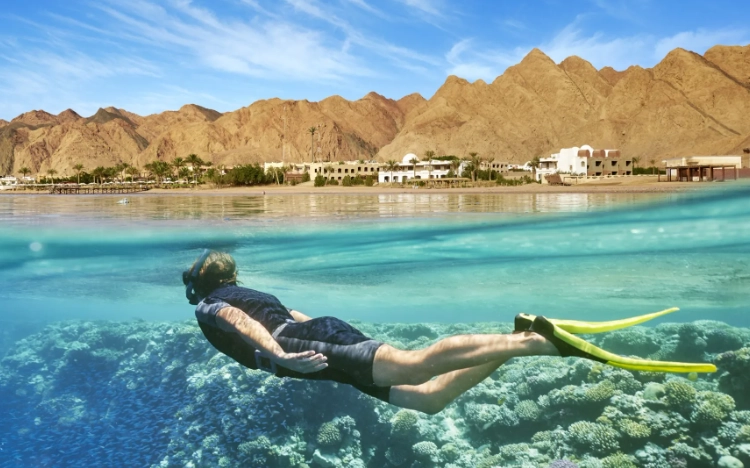
Safety First
- Never Snorkel Alone: Even from a beach. Buddy system, always.
- Check Currents: Before jumping in, especially from shore. Look at which way the surface foam is moving. Ask the boat crew about the current at the site.
- Boat Awareness: When with a boat, surface close to the dive flag/buoy line. Make sure the boat crew can see you. Don't wander off.
- Hydrate: You're in the sun, in salt water. Drink way more water than you think you need.
The Ethical Code (This is Important)
- NO TOUCHING. NOTHING. Not the coral (it dies). Not the turtles (it stresses them). Not the starfish. Your touch removes protective slime coats and can introduce disease. Look with your eyes.
- No Standing or Kicking the Reef. Your fins can break decades of coral growth in one clumsy kick. Maintain buoyancy. If you need to adjust your mask, swim to a sandy patch.
- No Feeding Fish. It disrupts their natural behavior and diet.
- Take All Trash Back. Even biodegradable items like fruit peels. They don't belong in the marine ecosystem.
Following these isn't just about being a good tourist; it's about ensuring the best snorkeling in Egypt Red Sea exists for future visitors. Coral reefs worldwide are under immense stress. The Red Sea's are surprisingly resilient, but they're not invincible.
Choosing a Tour Operator: Red Flags and Green Flags
This can make or break your day. Here’s what to look for.
Green Flags:
- They limit group size.
- They provide a detailed briefing on the site, marine life, and safety/ecology rules.
- They have a guide in the water with the group (not just staying on the boat).
- They actively discourage touching or chasing animals.
- They use a mooring buoy (not dropping anchor on the reef).
Red Flags:
- "All-you-can-drink" booze cruises as the main selling point. (The reef and alcohol don't mix well).
- Vague answers about how many snorkel stops or how long you get in the water.
- Boats that look overcrowded or poorly maintained.
- Guides who promise you can "touch a turtle" or "feed the fish."
A bit of research on TripAdvisor or travel forums for recent reviews is time well spent. Look for operators mentioned by name for their guiding quality and environmental stance.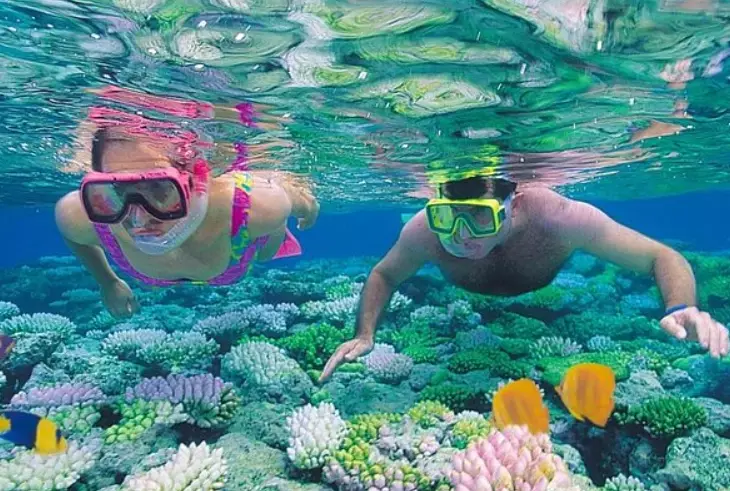
Final Thoughts: Making It Your Best Trip
Finding the best snorkeling in Egypt Red Sea isn't about one secret GPS coordinate. It's a combination of place, timing, preparation, and respect.
If it's your first time and you want it easy, book a reputable boat trip from Hurghada to the Giftun Islands. You'll see amazing stuff.
If you want the pinnacle experience, save up for a boat trip to Ras Mohammed National Park from Sharm.
If you want maximum flexibility and time in the water, book a hotel with a great house reef in Sharm and mix shore days with one or two boat excursions.
Do your homework on operators, pack your own mask and reef-safe sunscreen, remember the no-touch rule, and go in with a sense of wonder. The Red Sea will do the rest. It's one of the planet's last great underwater wonderlands, and snorkeling is your front-row ticket. Just please, take care of it.
Your Burning Questions Answered (FAQs)
Can I see sharks while snorkeling in the Red Sea?
Yes, but mostly the harmless, bottom-dwelling kinds. White-tip and black-tip reef sharks are commonly seen, especially at deeper reef sites like Ras Mohammed. They are shy and pose no threat to snorkelers. Seeing one is a thrill, not a danger. The bigger, pelagic sharks generally stay in deeper water.
Do I need a wetsuit?
From June to October, probably not. A rash guard is enough. From November to May, a 2-3mm shorty or wetsuit top is highly recommended, especially for multiple snorkels or if you get cold easily. Boat trips can feel chilly when wet and windy.
Is snorkeling in the Red Sea good for beginners and non-swimmers?
Absolutely for beginners in calm, shallow areas like the Giftun Island lagoons. For non-swimmers, it's trickier. You must be comfortable in water over your head. Using a snorkeling vest is a must, and choosing a trip with very calm, protected sites is crucial. Always inform the guide.
Are there jellyfish or dangerous creatures?
Jellyfish are occasional, especially in summer. Most are small and their sting is a mild, temporary irritation (like a nettle sting). Serious stings are very rare. Stonefish and scorpionfish exist but are masters of camouflage on the seabed. The solution? Don't touch or step on the bottom. Wear aqua shoes. Lionfish are invasive but beautiful; their spines are venomous, so admire from a distance.
What's the difference between snorkeling from Hurghada vs. Sharm El Sheikh?
It's mostly about logistics and vibe. Hurghada snorkeling is almost entirely boat-based to offshore reefs. It's a dedicated activity. Sharm El Sheikh offers fantastic boat trips (to Ras Mohammed, Tiran Island) but also the unique perk of world-class shore snorkeling from your hotel. Sharm's reefs are also generally closer to the deep channel, so chances of seeing bigger pelagic life are slightly higher.
How much does it cost?
A standard group day trip from Hurghada or Sharm runs $30-$60 per person, including lunch, gear, and hotel transfer. Private boat charters or smaller group "safaris" cost more ($80-$150). Shore snorkeling is free if your hotel has a reef. Always confirm what's included (park fees, gear).
Reader Comments