Night snorkeling is a different beast. The familiar reef you saw by day transforms into a shadowy world where parrotfish sleep in mucus cocoons, octopuses hunt, and corals fluoresce under the right light. It's magical. But showing up with your daytime snorkel set is a recipe for a bad time, or worse. The right night snorkeling equipment isn't about adding gadgets; it's about solving the fundamental problems of darkness, navigation, and safety.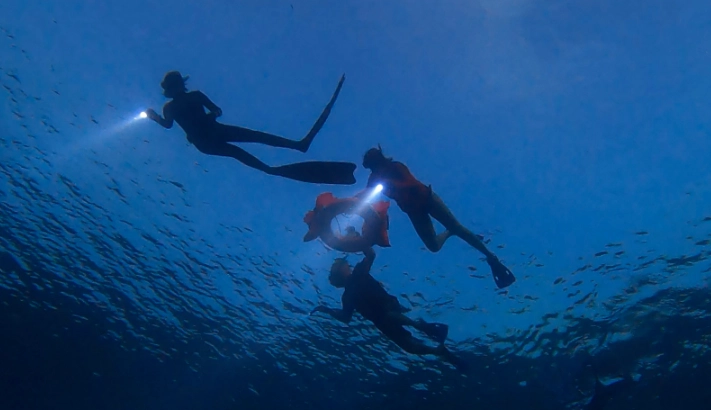
I've guided night snorkels for years, and the biggest mistake I see isn't forgetting a light—it's bringing the wrong kind of light, or skipping the simple backup that prevents panic.
Quick Navigation: What You'll Find Here
The Illumination Tier List: Lights You Actually Need
Forget lumens for a second. The first thing to understand is that you need a system, not just one torch. Here’s how to think about it, from essential to nice-to-have.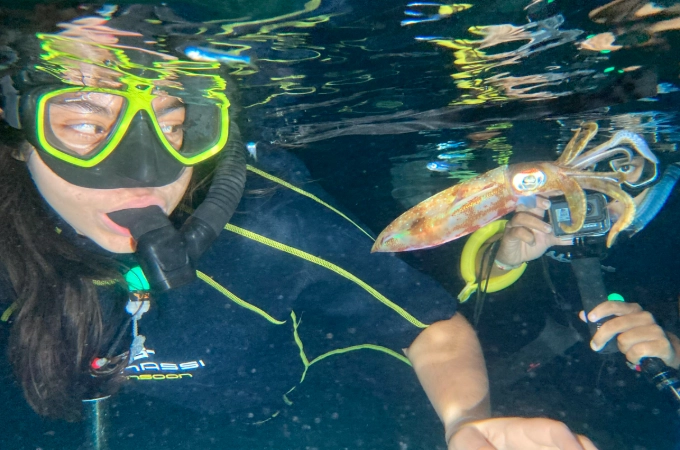
1. The Primary Light: Your Underwater Sun
This is your main viewing light. Don't cheap out here. A good primary light has three jobs: provide a wide, even beam; have reliable battery life; and be simple to operate with gloved or cold hands.
Avoid headlamps for your primary light. It seems logical, but it's a common error. A headlamp fixes your light to your head, so wherever you look, the light goes. This constantly surprises and scares fish, and the beam reflecting off particles right in front of your mask ruins your vision. Your primary light should be in your hand, allowing you to direct the beam away from your face and control what you illuminate.
| Key Spec | What to Look For | Why It Matters for Night Snorkeling |
|---|---|---|
| Beam Type | Wide or flood beam (80-120 degree angle) | Illuminates a broad area of reef, not just a tiny spot. Reduces the "tunnel vision" effect. |
| Brightness | 300 - 800 Lumens | Enough to see colors and details without blinding marine life or creating excessive backscatter. |
| Battery | Rechargeable Li-ion with a clear charge indicator | Reliable power. A simple 4-light LED indicator is worth more than a complex digital display. |
| Runtime | At least 2 hours on high | A typical guided night snorkel lasts 45-60 mins. This gives you a huge safety buffer. |
| Depth Rating | Minimum 30 meters / 100 feet | Even if you're snorkeling, this rating ensures it's sealed against pressure if you duck dive. |
Brands like Bigblue, Orcatorch, and Kraken make excellent lights in the $80-$150 range that hit these specs. Look for a magnetic rotary switch—it's almost impossible to fail.
2. The Backup Light: Your Get-Home-Safe Insurance
If your primary light fails, you are instantly in a serious situation. Your backup is your ticket back to the boat or shore. This can be a smaller, simpler version of your primary light, or even a dedicated backup light like the UK SL3 eLED.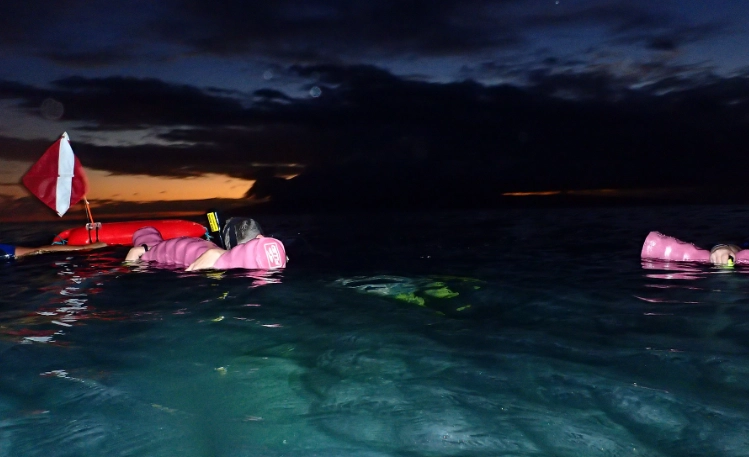
Pro Tip: Attach your backup light to your BCD vest or swimsuit strap with a bolt snap. It should be instantly accessible, not buried in a pocket. Test both lights before every single entry.
3. The Marker Light: So Your Buddy Can Find You
This is a non-illuminating light. Its only job is to make you visible. A simple, waterproof chemical light stick (cyalume) attached to the back of your mask strap or tank valve is perfect. In a group, it lets the guide count heads. If you get separated, it's a beacon. Some divers use small, solid-color LED marker lights, which are reusable.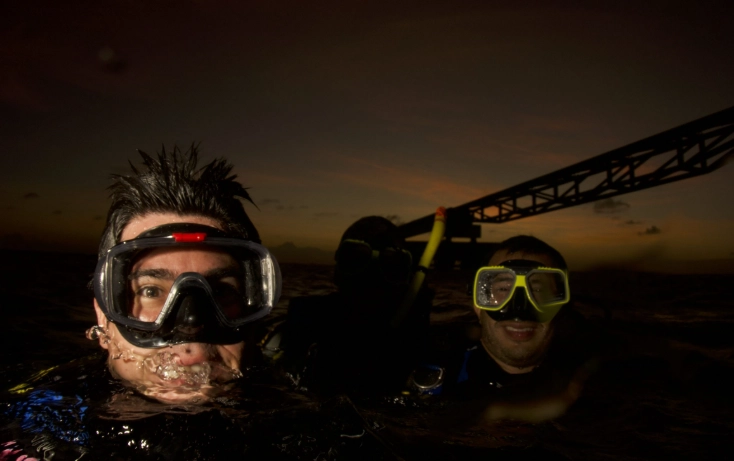
Beyond the Light: The Real Safety & Comfort Gear
Lights get all the attention, but these pieces are what separate a comfortable, safe experience from a miserable, risky one.
Exposure Protection (Wetsuit): You will get cold. Water conducts heat 25 times faster than air, and without the sun, even 80°F (27°C) water will chill you. A full 1mm or 2mm neoprene wetsuit is essential. It's not just for warmth; it's protection from accidental coral scrapes, jellyfish, and the ladder back onto the boat. A shorty won't cut it—your core loses heat fastest.
Surface Marker Buoy (SMB) or Snorkel Float: This is critical for ocean night snorkels. A bright, inflatable float on the surface makes your group visible to boat traffic. For shore snorkels, it's a floating rest station and a visual reference point. Don't rely on a dim glow stick for surface visibility.
The Right Mask & Snorkel: Use your most comfortable, reliable mask with a clear or light-colored skirt. A black skirt reduces peripheral light. For your snorkel, choose a simple J-tube or flexible snorkel. Purge valves can fail, and complex dry-top snorkels can be harder to clear in the dark if you take a wave.
Fins: This is one area where you don't need special gear. Use your normal, comfortable snorkeling fins. The key is to be familiar with them. Stiff, new fins that cause cramps are a nightmare when you're focusing on everything else.
I learned the wetsuit lesson the hard way on a "warm" night in Hawaii. An hour in, I was shivering uncontrollably, my teeth chattering so loud I scared the fish. My guide had a 2mm suit on and was perfectly fine. I cut my snorkel short, missing the best part when the manta rays showed up. Never again.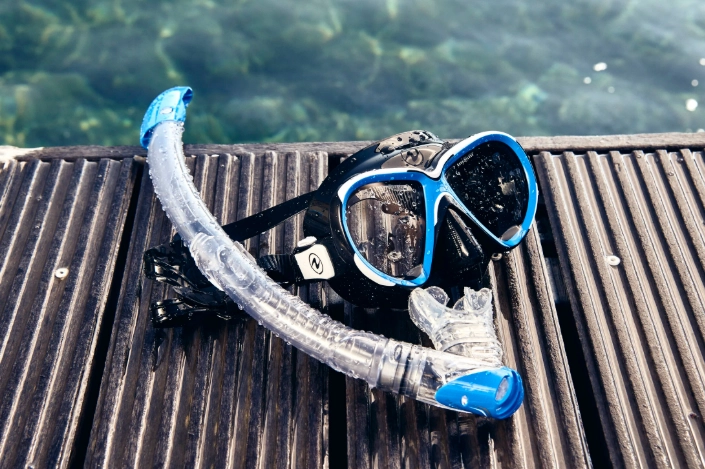
Your Night Snorkel "Pre-Flight" Checklist
Running through this list before you hit the water turns preparation from anxiety into routine.
- Lights Check: Primary light on (full charge), backup light on and stowed, marker light activated.
- Buddy Check: Agree on hand signals (especially "light problem," "ok," "look there"). Decide who will lead and who will follow.
- Entry/Exit Point: Identify it in daylight if possible. Note any landmarks. Where will you put your towel and dry clothes?
- Local Conditions: Check the tide chart and surf report. A calm cove by day can have surging waves at high tide at night. Resources like the National Oceanic and Atmospheric Administration (NOAA) provide invaluable local marine forecasts.
- Gear Secure: Everything clipped or tethered. No loose items in pockets that can fall out.
- The Dry Run: Put all your gear on at home. Sit in a dark room with just your lights. Get used to the feel and the controls.
Guides from organizations like PADI (Professional Association of Diving Instructors) emphasize that the majority of night diving and snorkeling incidents stem from poor planning, not equipment failure. This checklist addresses that planning gap.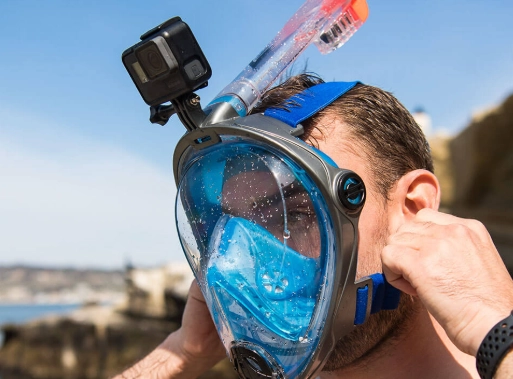
Your Night Snorkeling Questions Answered
Investing in the right night snorkeling equipment transforms the experience from intimidating to incredible. It's not about buying the most expensive gear, but the right gear for the job. A good light system, proper exposure suit, and a methodical approach to planning will open up a hidden world most snorkelers never see. Start with a guided tour to build confidence, then use this guide to build your own kit. The night reef is waiting.
Reader Comments