Guide Highlights
- Why You Need a Dedicated Travel Snorkel Set (It's Not Just Hype)
- The Anatomy of a Great Travel Snorkel Set: Your Feature-by-Feature Guide
- Top Travel Snorkel Set Recommendations: A Side-by-Side Look
- Beyond the Purchase: Packing, Care, and Destination Tips
- Your Travel Snorkel Set Questions, Answered
- Wrapping It Up: Your Action Plan
Let's be honest. You're here because you've typed "travel snorkel set recommendations" into Google a dozen times and you're swimming in options. Full-face masks, dry tops, split fins, purge valves... it's enough to make your head spin more than a rogue current. I get it. I've been there too, standing in my living room with a bulky mesh bag, trying to figure out how this gear monster is going to fit into my already-stuffed carry-on. It's frustrating.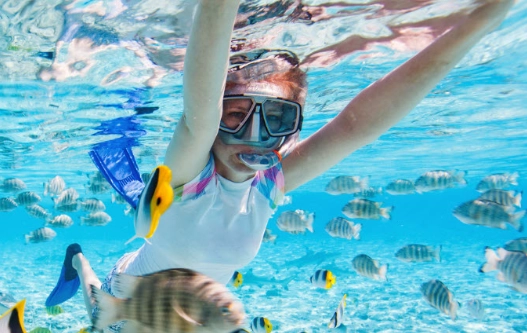
But here's the thing – finding the right snorkel set for travel isn't about buying the most expensive one or the one with the most five-star reviews. It's about matching a piece of equipment to you, to your trip, and to the reality of packing light. A great travel snorkel set is a liberator, not a burden. It's the key to spontaneous dips in hidden coves and stress-free exploration without worrying about rental gear hygiene (yuck).
This guide is different. We're not just listing products. We're going to walk through the why and the how behind choosing travel snorkeling gear. I'll share some hard-earned lessons from my own trips – like the time my fancy, non-travel fins took up half my backpack and got flagged at airline check-in, or the mask that fogged up relentlessly in tropical humidity. We'll look at specific features that matter on the road, compare some top contenders honestly (flaws and all), and answer the questions you're probably asking yourself right now.
Why You Need a Dedicated Travel Snorkel Set (It's Not Just Hype)
Maybe you're thinking, "My regular snorkel gear works fine. Why buy another set?" That's a fair question. If you only snorkel from your home beach once a year, maybe you don't. But for travel, dedicated gear solves real problems.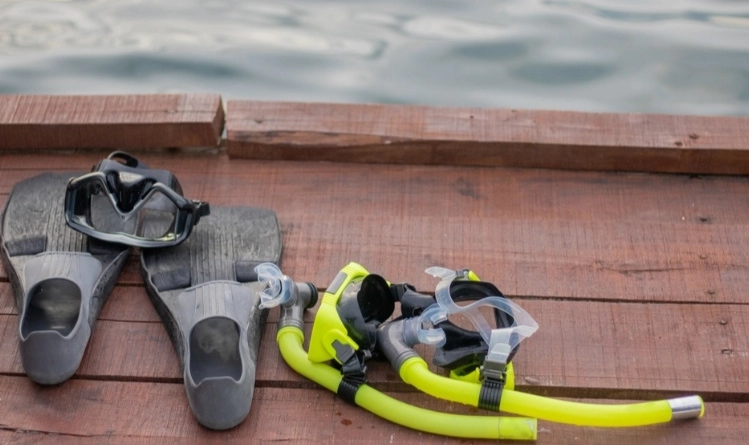
First, space and weight. Airlines are ruthless with baggage limits these days. A traditional snorkel set – with long, stiff fins and a bulky mask case – is a luxury most of us can't afford. Travel sets are engineered to be compact. We're talking fins that are 20-30% shorter, often with blades that detach from the foot pocket. Masks with lower volume (less air inside) so they pack flatter. Everything fits into a bag that's often not much bigger than a standard shoe box.
Second, hygiene. This is my personal biggest motivator. Rental masks... let's just say you don't know where they've been. A fogged-up, leaky, ill-fitting rental mask can ruin an entire afternoon. Having your own gear that's molded to your face is a game-changer for comfort and clarity. You know its history, and you can maintain it properly.
Third, reliability and readiness. When you stumble upon that perfect, secluded bay, you want to grab your gear and go. You don't want to hunt for a rental shack that's closed for siesta, or worry about returning gear before a certain time. Your own travel snorkel set recommendations become a ticket to freedom.
The Anatomy of a Great Travel Snorkel Set: Your Feature-by-Feature Guide
Let's break down what you're actually looking at. Understanding these components will make any list of travel snorkel set recommendations make a lot more sense.
The Mask: Your Window to the Underwater World
This is the most personal piece. A bad mask equals a bad time.
- Low Volume: The golden rule for travel masks. Less air space inside means less effort to clear water if it gets in, and crucially, it sits closer to your face, making it more packable. It flattens out better in your bag.
- Silicone Skirt: Must be high-quality, soft, and hypoallergenic. A good skirt creates the seal. Color is personal—clear silicone lets in more light and is good for darker waters or low-light conditions, while black silicone reduces glare and can be less distracting. I prefer black for reducing internal reflections.
- Dual/Tempered Lens: For safety, always go with tempered glass. It's stronger. A single lens offers a wider, unobstructed view, while a dual-lens design (two separate pieces of glass) often allows for prescription lens inserts if you need them.
- Frame Design: Frameless masks (where the skirt is bonded directly to the lens) are typically the most flexible and packable. Framed masks can be more durable and sometimes offer a more secure fit for certain face shapes.
The fit test is non-negotiable. Before you buy (or as soon as you get it), place the mask on your face without the strap. Inhale gently through your nose. It should suction to your face and stay put for a few seconds without you holding it. If it falls, it's leaking air and won't seal underwater. Try this with dry hair and skin.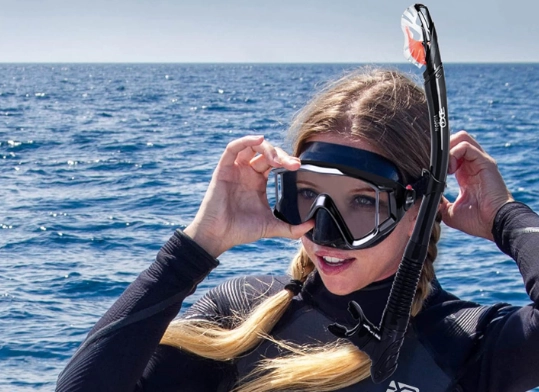
The Snorkel: Your Lifeline to Air
Gone are the days of the simple J-tube. Modern snorkels are smarter, but also come with more parts that can be travel considerations.
- Dry Top/Splash Guard: A must-have, in my opinion. This is a mechanism at the top of the tube that seals shut when submerged, preventing water from flooding in when you dive under or if a wave hits. It's a huge comfort upgrade. However, some purists argue they can be one more thing to fail. I've had one fail, and it was annoying, but I still use them.
- Flexible Lower Section: A flexible tube or a flexible bottom where it connects to the mask strap makes the snorkel move with your head, reducing jaw fatigue and the chance of the mouthpiece being yanked.
- Purge Valve: A one-way valve at the bottom of the tube (near the mouthpiece) that makes clearing water out much easier. You just exhale forcefully. Great for beginners or anyone who doesn't want to perfect the blast-clear technique.
- Silicone Mouthpiece: Should be soft, replaceable, and ergonomic. Look for a bite that feels comfortable. A bad mouthpiece can make your jaw ache in minutes.
The Fins: Your Underwater Engine
This is where travel sets truly differentiate themselves. Power vs. Packability is the eternal debate.
- Short-Bladed/Compact Design: Travel fins are shorter. You sacrifice a bit of raw power and top speed for massive gains in packability and maneuverability. For recreational snorkeling (not free-diving to great depths), they provide more than enough thrust and are easier to use in confined spaces like rocky coves.
- Open Heel vs. Full Foot: Open-heel fins (with an adjustable strap) are typically more powerful, accommodate booties (essential for rocky entries or colder water), and often have blades that can be detached. Full-foot fins (like swim fins) are lighter, simpler, and great for warm water/beach entries, but offer less protection and adjustability.
- Split Fins vs. Paddle Fins: Split fins (blade divided down the middle) work like a propeller, claiming to be more efficient and reduce leg strain. Paddle fins (solid blade) offer more direct power and control. This is highly personal. I find split fins easier on my ankles for long sessions, but some people feel they lack "bite."
- Detachable Blades: The ultimate space-saver. The blade unscrews or unclips from the foot pocket, allowing you to pack them almost flat. This is a killer feature for serious packers, though it adds a mechanical point that needs checking.
Top Travel Snorkel Set Recommendations: A Side-by-Side Look
Alright, let's talk specific gear. These are sets that consistently come up in conversations and my own research. I've used or know people who've used most of these. Remember, "best" depends entirely on your priorities.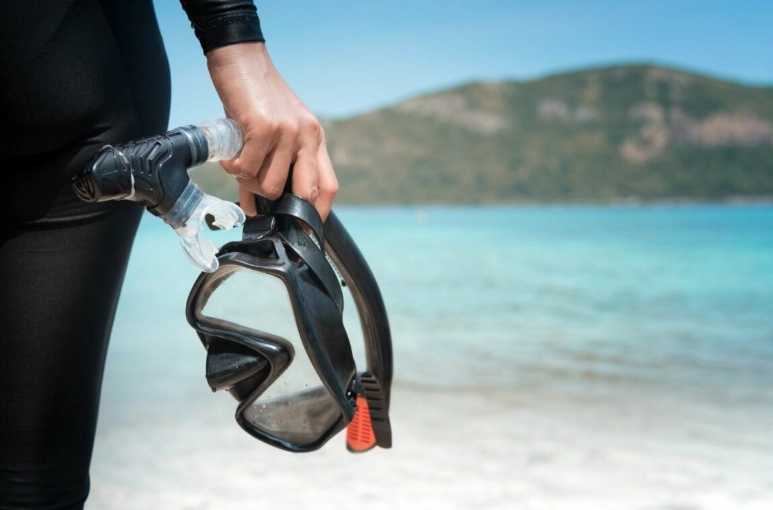
| Set Name / Brand | Key Features & Vibe | The Good Stuff | The Not-So-Good | Best For... |
|---|---|---|---|---|
| Cressi Travel Set (Punta Faro / Alpha) | The reliable workhorse. Often comes in a neat travel bag. Focus on proven, simple tech. | Excellent value. Cressi masks (like the Focus) fit a wide range of faces. Fins are a great balance of power and compactness. Durable and trusted brand. | Can be a bit "no-frills." The bag is functional but not super padded. The snorkel is usually a basic dry snorkel, not their top model. | First-time buyers, value seekers, travelers who want reliable performance without overthinking it. |
| Mares Ergo Snap Travel Set | The modular innovator. Features their "Snap" system for easy assembly. | Extremely packable. The mask and fin blades can snap apart. The Ergo mask has a fantastic field of view. System feels clever and well-designed. | More moving parts mean more potential points of failure (though I haven't had issues). Pricier than some basic sets. | Ultra-minimalist packers, tech enthusiasts, those who prioritize packability above all. |
| Aqua Lung Trek Set | The balanced performer. Focuses on comfort and all-day wear. | Super comfortable gear. The Lookout mask is fantastic. Trek fins are short but deliver surprising power and are very light. High-quality feel. | One of the more expensive pre-packaged sets. The travel bag, while nice, isn't as compact as some modular systems. | Comfort-focused snorkelers, those planning long days in the water, travelers willing to invest in premium feel. |
| U.S. Divers Volt FX Set | The budget-friendly starter. Often found at big-box stores. | Very affordable. Gets you in the water with dry-top snorkel and short fins. Low-risk way to try owning gear. | Quality and durability are a step below the diving heritage brands. Masks may not have the same fit/finish. May not last as many trips. | Extremely tight budgets, occasional snorkelers, or a set for kids you know they'll outgrow. |
| Building Your Own Set | The custom approach. Buying mask, snorkel, and fins separately. | Perfect fit and performance. You can pick the exact mask for your face and fins for your kicking style. Often higher-end components. | More expensive. Requires more research. You need to source a travel bag separately. Less convenient. | Experienced snorkelers/divers with specific needs, people with hard-to-fit faces, performance purists. |
See what I mean? There's no single winner. The Cressi set might be the most common sense recommendation for most people starting their search. But if your backpack is always bursting at the seams, the Mares Snap system might save your sanity. And if you've always struggled with mask fit, building your own set around a perfect-fitting mask (like a TUSA or Scubapro model) is the only way to go.
So, which one feels right for your travel style?
Beyond the Purchase: Packing, Care, and Destination Tips
You've got your gear. Now what? The real test of a travel snorkel set is how it handles the journey.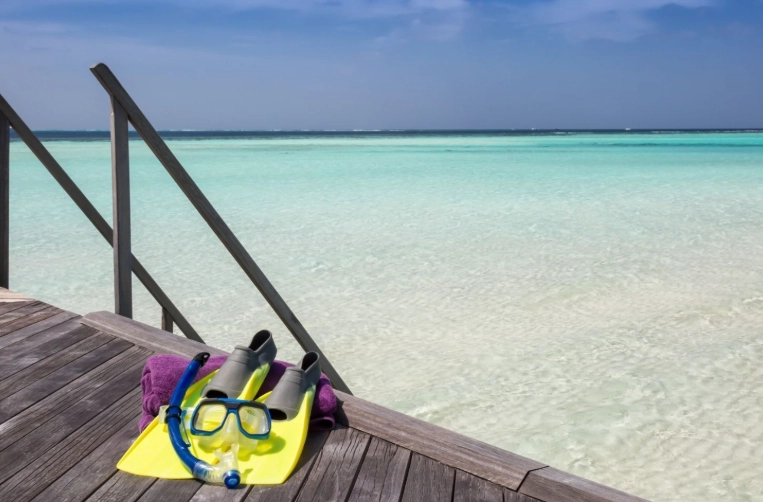
Packing Like a Pro
Don't just throw it in your suitcase. Pad your mask. I wrap mine in a t-shirt or put it in its hard case (if it came with one) and surround it with soft items. For detachable fins, pack the blades flat, often along the sides or bottom of your bag. Use every inch of the travel bag – stuff socks or underwear inside the foot pockets. It sounds silly, but it works. A mesh bag is great for letting gear dry out post-trip on your balcony, but for transit, a slightly padded bag protects better.
Care and Maintenance
Rinse everything thoroughly with fresh water after every use, especially if you've been in salt or chlorinated water. Salt crystals are abrasive and will degrade silicone and mechanisms over time. Let it air dry in the shade – direct sun damages silicone. For defogging, skip the spit (it works, but it's gross). Use a dedicated mask defog gel or, my cheap favorite, a drop of baby shampoo rubbed in and lightly rinsed. The Professional Association of Diving Instructors (PADI) has great resources on gear care that apply directly to snorkeling equipment.
Destination-Specific Advice
Your travel snorkel set recommendations might need tweaking based on where you're going.
- Caribbean / Tropical Reefs: Warm water, sandy entries. Full-foot fins might be okay, but I still prefer open-heel with thin neoprene socks for foot protection. A dark-skirted mask helps with bright sun glare.
- Rocky Mediterranean Coves: Open-heel fins with proper booties are non-negotiable for getting in and out over slippery rocks. A more robust travel fin is better here.
- Colder Waters (e.g., Pacific Northwest, early/late season): You'll need a wetsuit, so open-heel fins are a must. Consider a mask with a clear skirt to brighten the view in darker, greener water.
Your Travel Snorkel Set Questions, Answered
Let's tackle those nagging questions that pop up when you're deep in the research rabbit hole.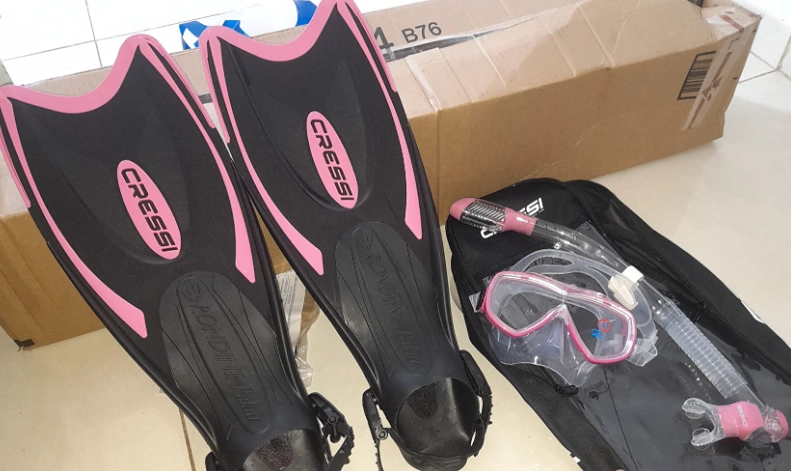
This is a hot topic. Full-face masks (like those from Tribord or Ocean Reef) let you breathe through your nose and mouth and promise no fogging. They can be great for absolute beginners who panic with a traditional mouthpiece. However, they are bulkier to pack, and there are serious safety concerns from diving professionals about CO2 buildup in poorly designed models. They are also impossible to dive down with (you can't equalize your ears). For casual surface snorkeling in calm conditions, some people love them. For versatility, safety, and packability, I still lean towards a traditional set. Do your research on specific models and brands if you go this route.
Almost always, yes. The fins are the main question. Short, travel-style fins typically fit in a standard carry-on suitcase or a dedicated gear bag that fits in the overhead bin. I've never been stopped. However, security might take a look at the fin blades as potential... well, blunt objects. It's rare. To be safe, don't pack them in a way that looks like you could instantly wield them. Keep them with the rest of your gear. Detachable blades packed flat are the most discreet.
Not necessarily! This is a pro-tip for couples or families. You can often buy one "set" (mask + snorkel) and then buy fins separately in your individual sizes. Many brands sell their travel fins individually. This saves money and lets you share the core set if you're on a tight budget, while ensuring everyone has fins that fit properly.
For kids, fit and comfort are even more critical. Look for sets specifically designed for children with smaller, softer silicone skirts and smaller mouthpieces. Brands like Cressi and Aqua Lung make great youth sets. Never put an adult mask on a child – it won't seal and will constantly flood, turning them off the activity. A proper fitting session is key.
No. The mask might be okay (many divers use low-volume masks), but snorkeling fins lack the stiffness and length needed for scuba diving with heavier equipment. Snorkels are not used during the dive itself in modern scuba. Keep these separate.
Wrapping It Up: Your Action Plan
Finding the right gear shouldn't feel like a chore. It's the first step towards incredible memories. So here's your plan:
- Define Your Priority: Is it ultimate packability, maximum comfort, or best value? Be honest with yourself.
- Do the Fit Test: If possible, try masks in a store. If buying online, choose retailers with good return policies for masks.
- Think About the Trip: Rocky shore or sandy beach? Warm water or chilly? This guides your fin/bootie choice.
- Set a Budget: You can spend $50 or $300. More money generally gets you better materials, comfort, and durability, but there are great options in the middle.
- Pull the Trigger and Practice: Once you have it, try it in a pool first. Get used to the feel. Adjust straps. Learn to clear your snorkel. This builds confidence so you're not fumbling in the ocean.
The best travel snorkel set is the one that gets used. It's the set that doesn't make you groan when you're packing, that feels like a part of you in the water, and that unlocks those magical, silent moments floating above another world.
I hope these travel snorkel set recommendations and deep dives into the details help you cut through the confusion. Forget about finding the "objectively best" set. Focus on finding the best set for you and your next adventure. Now go get your feet wet.
Reader Comments