Picking the best islands for snorkeling isn't just about finding clear water. It's about matching the reef to your skills, your budget, and what you want to see. A family with young kids needs something totally different from a solo traveler chasing manta rays. I've spent over a decade floating face-down in oceans from the Caribbean to the South Pacific, and I can tell you—the "best" list changes depending on who's asking.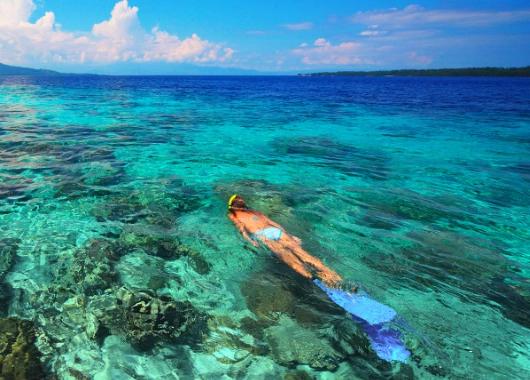
This guide cuts through the generic lists. We're going to rank islands by traveler type, break down exact costs and logistics, and give you the on-the-ground details most articles miss. Forget just saying "the water is blue." We'll tell you where the entry point is, if you need a boat, and what that 5-star resort next to the beach actually costs.
Jump Straight to What You Need
- The Snorkeler's Quick-Compare Table
- Top Pick for Beginners & Families: Roatán, Honduras
- Best for Guaranteed Big Marine Life: Socorro Island, Mexico
- The Ultimate Remote Paradise: Tikehau, French Polynesia
- Best Easy-Access & Value: Curaçao
- The Coral Reef Capital: Raja Ampat, Indonesia
- How to Choose Your Perfect Snorkeling Island
- Your Snorkeling Trip Questions Answered
The 5 Best Snorkeling Islands at a Glance
This table is your starting point. It shows the core identity of each destination. Details follow in the deep dives below.
| Island / Destination | Best For | Access & Cost | Marine Life Highlight | Go If You Want... |
|---|---|---|---|---|
| Roatán, Honduras | Beginners, Families, Shore Snorkeling | Direct flights, Mid-range | Vibrant reef fish, easy turtles | To walk from your hotel room into a coral garden. |
| Socorro Island, Mexico | Advanced, Big Animal Encounters | Liveaboard boat only, High-end | Giant Manta Rays, Dolphins, Sharks | Epic, bucket-list pelagic action. |
| Tikehau, French Polynesia | Seclusion, Pristine Environment | Multi-flight journey, Luxury | Shark nurseries, Pink Sand Beaches | To have a pristine atoll almost to yourself. |
| Curaçao | Value, Ease, Variety | Direct flights, Good value | Healthy coral, over 65 sites | A hassle-free trip with great food and culture. |
| Raja Ampat, Indonesia | Biodiversity, Adventure | Long journey, Mid to High | Highest fish diversity on Earth | The most mind-blowing reef ecosystem period. |
Top Pick for Beginners & Families: Roatán, Honduras
Roatán wins for one simple reason: the barrier reef starts literally feet from the shore along the west end. You don't need to be a strong swimmer or pay for a boat. At places like West Bay Beach, you can wade in, put your face in the water, and immediately see parrotfish, angelfish, and brain coral. It's instant gratification, which is perfect for kids or first-timers.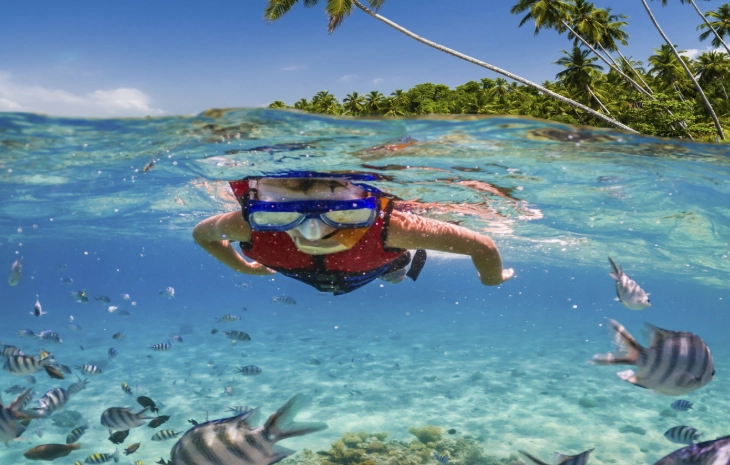
Where to Stay and Snorkel
Base yourself in West Bay. Yes, it's the most popular beach, but for a reason. The sand is soft, the water entry is gradual, and the reef is a 5-minute swim out. Hotels like Infinity Bay Spa & Beach Resort have their own dock and reef access. For something quieter but still convenient, look at condos or smaller hotels in West End village, a 10-minute taxi ride from West Bay.
Cost Reality: A decent hotel in West Bay runs $200-$350/night in peak season (Dec-Apr). You can eat cheaply from local stalls or spend more at resort restaurants. A week for a family of four, including flights from the US, can land between $5,000-$7,000.
Pro Tip Everyone Misses: Skip the crowded main part of West Bay reef around midday. Either go early (8 AM) or swim south along the beach towards the rocks. The coral formations get more dramatic, and you'll often find yourself alone with the fish. Also, the "best" snorkeling from shore is actually at a place called Half Moon Bay in West End—it's less crowded, deeper, and has more interesting topography.
Best for Guaranteed Big Marine Life: Socorro Island, Mexico
This isn't a traditional island getaway. Socorro is a volcanic island 250 miles off Mexico's Pacific coast, part of the Revillagigedo Archipelago. You can't stay on land. The only way to visit is via a liveaboard diving/snorkeling boat for a 7-10 day trip. It's an investment, but I've never been anywhere else where 15-foot giant manta rays are a near-certainty on every snorkel.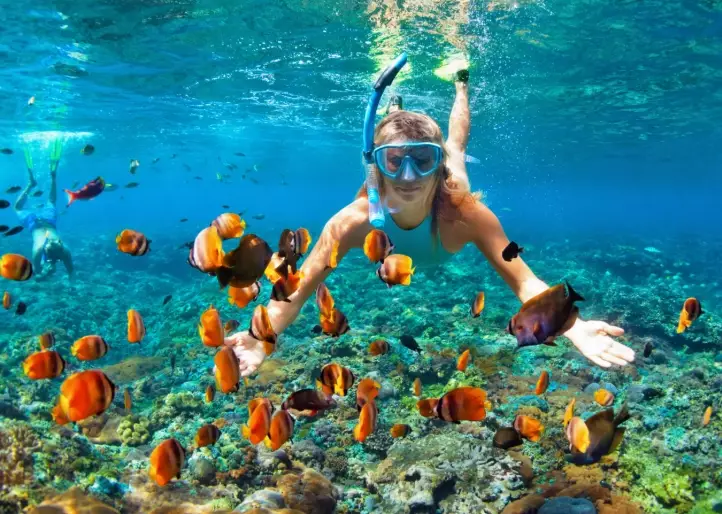
The water is deep and blue, often with currents. This is for confident swimmers comfortable in open ocean. You'll jump off a Zodiac into the blue, and within minutes, curious mantas might swoop in to check you out. You'll also see huge schools of dolphins, silky sharks, and whale sharks in season (Nov-May).
Cost Reality: This is a premium trip. A 10-day liveaboard on a quality boat like the Solmar V starts around $5,000 per person, plus flights to Cabo San Lucas. It's all-inclusive (food, lodging, excursions) but it's a significant chunk of change. Worth it? For the serious snorkeler who dreams of big animals, absolutely.
The Ultimate Remote Paradise: Tikehau, French Polynesia
Everyone knows Bora Bora, but for snorkeling, the Tuamotu atolls are where it's at. Tikehau is a circular coral atoll with one small village. The lagoon inside is a giant, shallow, turquoise bathtub. The snorkeling in the passes (channels where ocean water flows in and out) is spectacular.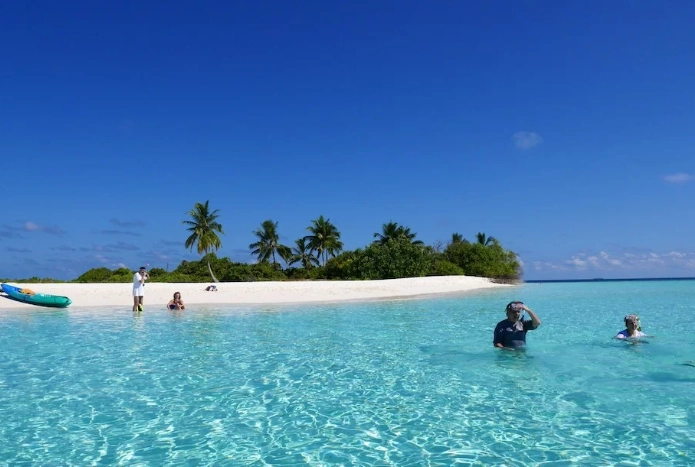
At Tuheiava Pass, you can drift snorkel with hundreds of gray reef sharks, eagle rays, and Napoleon wrasse. It feels wild and untouched. The resorts are small and eco-focused, like the Tikehau Pearl Beach Resort. You're paying for isolation and pristine nature.
Getting There & Cost: Fly to Tahiti (PPT), then take a domestic flight with Air Tahiti to Tikehau (about 1 hour). Resort stays are $600-$1,000+ per night. This is a luxury, fly-and-flop honeymoon-style trip with world-class snorkeling right off the resort dock.
Best Easy-Access & Value: Curaçao
Curaçao is the practical choice. It's outside the hurricane belt, has direct flights from the US and Europe, uses the US dollar, and everyone speaks English. The leeward coast is lined with over 35 named snorkel sites, most accessible from shore via small beaches or cliffs.
Must-Visit Sites:
Tugboat Beach: A sunken tugboat in 15 feet of water, covered in coral and sponges. Perfect for beginners.
Playa Lagun: A tiny cove flanked by cliffs. Calm water, tons of fish, and frequent sea turtle sightings.
Porto Mari: A beautiful beach with a double reef system. The second reef further out is for stronger swimmers but is incredible.
Stay in Willemstad for culture or along the coast near the sites. You can rent a car for about $50/day and explore at your own pace. A week here feels relaxed and full of variety.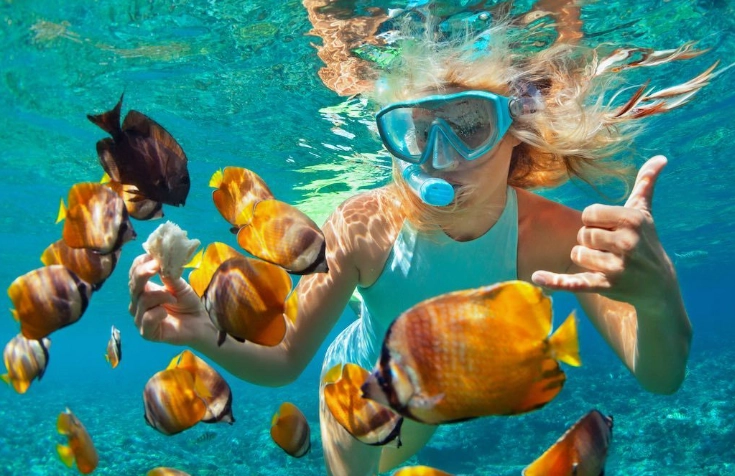
The Coral Reef Capital: Raja Ampat, Indonesia
Raja Ampat is the undisputed champion of marine biodiversity. Scientific surveys by organizations like Conservation International consistently record the highest number of fish and coral species here. It's not easy to get to, but it's a pilgrimage for any snorkel enthusiast.
The snorkeling is from homestays on remote islands or liveaboards. Places like Arborek Village have a jetty where you can see pygmy seahorses (with a guide's help), and Wayag Island offers iconic limestone pinnacles rising from unreal blue water. The coral gardens are dense, healthy, and teeming with life you won't see anywhere else.
The Journey: Fly to Jakarta or Bali, then to Sorong (SOQ) in West Papua. From Sorong, it's a 2-4 hour boat ride to your homestay or liveaboard. Budget $150-$300/night for a basic homestay (meals included) or $3,000+ for a liveaboard. It's an adventure, not a luxury resort trip.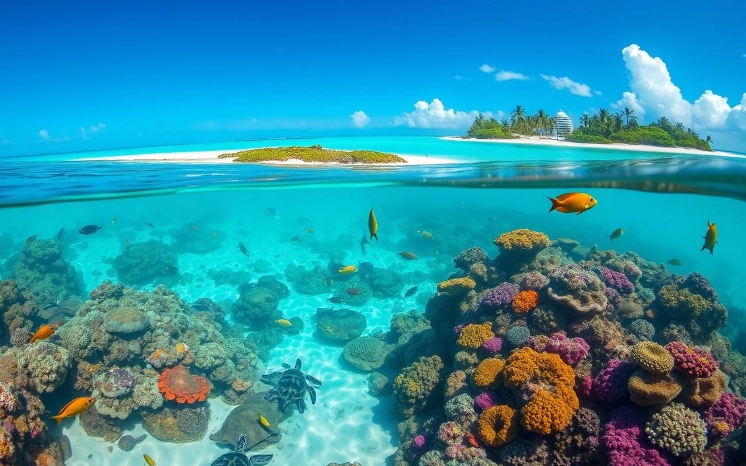
How to Choose Your Perfect Snorkeling Island
Stop looking for the single "best" island. Ask yourself these questions instead:
1. What's your snorkel skill level? If you're not a strong swimmer, prioritize places with calm, protected water and easy shore access (Roatán, Curaçao's coves). If you're confident, the whole world opens up.
2. What's your trip budget? Be honest. A week in French Polynesia can cost triple a week in Honduras. Curaçao offers a great middle ground.
3. What animals are non-negotiable? Mantas? Go Socorro. Sharks and pristine reefs? Tikehau. Turtles and colorful fish? Roatán or Curaçao. The ultimate biodiversity show? Raja Ampat.
4. How much "travel hassle" can you handle? Two long flights and a boat ride (Raja Ampat) is very different from one direct flight (Roatán).
Reader Comments